Ceremonial magic
Ceremonial magic is a system of ritual practices employing symbolic actions, objects, and incantations to invoke spiritual forces or effect transformation. It is distinguished by its structured approach, often involving elaborate preparations and specific tools, aiming to align the practitioner with higher cosmic principles.
Where the word comes from
The term "magic" derives from the Greek "mageia," referring to the practices of the ancient Persian priests. "Ceremonial" emphasizes the structured, ritualistic nature of these practices, involving prescribed actions and apparatus. Its modern usage, particularly "magick," was popularized by Aleister Crowley to differentiate it from stage illusion.
In depth
Ceremonial magic (also known as magick, ritual magic, high magic or learned magic) encompasses a wide variety of rituals of magic. The works included are characterized by ceremony and numerous requisite accessories to aid the practitioner. It can be seen as an extension of ritual magic, and in most cases synonymous with it. Popularized by the Hermetic Order of the Golden Dawn, it draws on such schools of philosophical and occult thought as Hermetic Qabalah, Enochian magic, Thelema, and the magic...
How different paths see it
What it means today
Ceremonial magic, as envisioned by traditions like the Hermetic Order of the Golden Dawn, presents a compelling case for the power of structured intent. It is more than mere superstition or theatrical performance; it is a sophisticated psychological and spiritual technology. Mircea Eliade, in his studies of shamanism and archaic techniques of ecstasy, highlighted the universal human impulse to engage with the sacred through ritual, to bridge the mundane and the divine. Ceremonial magic, in this light, is a highly codified expression of that impulse, drawing upon a rich vocabulary of symbols, correspondences, and archetypes that resonate deeply within the human psyche, as Carl Jung might suggest.
The elaborate nature of ceremonial magic—the precise timing, the consecrated space, the specific implements like wands, chalices, and athames, the carefully chosen vestments and incantations—is not arbitrary. Each element serves as a mnemonic device, a focal point for the practitioner's will and imagination. It is a form of applied psychology, where the external ritual mirrors and facilitates an internal transformation. The practitioner does not merely recite words; they embody the intent behind them, becoming a conduit for the energies they seek to invoke or direct. This is where the concept of theurgy, the art of divine work, becomes paramount, as described by Iamblichus.
The modern seeker might find value in this approach not by literal enactment of ancient rituals, but by understanding the principles of focused intention, symbolic representation, and the cultivation of inner states. The power of a well-crafted ritual, whether a formal magical working or a personal meditative practice, lies in its ability to create a potent psychological field, to concentrate consciousness, and to impress upon the subconscious mind a desired pattern of being. As Idries Shah noted in his explorations of Sufi wisdom, the forms of teaching and practice are often adapted to the cultural and psychological needs of the time, but the underlying aim of self-mastery and spiritual realization remains constant. Ceremonial magic, in its most profound sense, is a disciplined exploration of the power of consciousness to shape experience.
It invites us to consider how our own daily routines, our personal rituals of waking and sleeping, of eating and working, can be imbued with greater intention and awareness, transforming the ordinary into a sacred act.
RELATED_TERMS: Theurgy, Ritual, Symbolism, Alchemy, Hermeticism, Qabalah, Invocation, Willpower
Related esoteric terms
Books on this concept
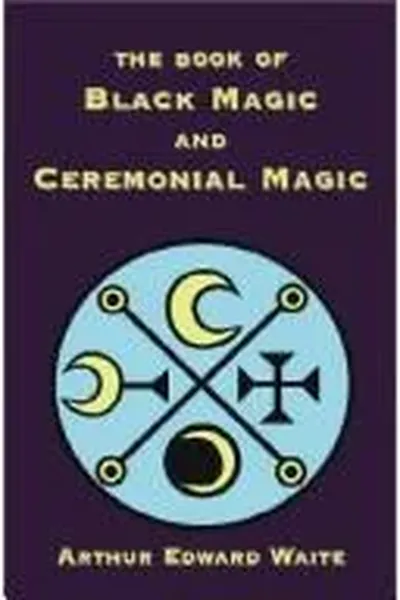






No reflections yet. Be the first.
Share your interpretation, experience, or question.
