Body of light
The body of light is a subtle, luminous, non-physical energetic form that coexists with the physical body, serving as a bridge between the material and spiritual realms. It is often described as an aura or radiant essence that can persist beyond physical death, carrying consciousness and memory.
Where the word comes from
The term "body of light" is a descriptive English translation. Its roots lie in ancient Greek concepts like augōeidēs (radiant body) and astroeidēs (starry body), found in Platonic and Neoplatonic philosophy. These ideas describe a luminous, celestial, or spiritual vehicle for the soul.
In depth
The body of light, sometimes called the astral body or subtle body, is a "quasi material" aspect of the human body, being neither solely physical nor solely spiritual, posited by a number of philosophers, and elaborated on according to various esoteric, occult, and mystical teachings. Other terms used for this body include body of glory, spirit-body, luciform body, augoeides (radiant body), astroeides (starry or sidereal body), and celestial body. The concept derives from the philosophy of Plato...
How different paths see it
What it means today
The notion of a "body of light" offers a profound counterpoint to the stark materialism that often defines modern existence. It speaks to an ancient intuition, echoed across diverse spiritual traditions, that we are more than mere biological machines. In Hermeticism, as Blavatsky notes, this concept finds fertile ground, drawing from Plato's dialogues where the soul is often depicted as possessing a celestial, luminous form that journeys through the cosmos. Mircea Eliade, in his explorations of shamanism and archaic religions, consistently highlights the prevalence of transformative journeys into luminous otherworlds, often facilitated by a spiritual or astral body.
This subtle form, often described as an aura or a radiant essence, is not simply a poetic metaphor. It represents a vehicle for consciousness, a bridge between the ephemeral and the eternal. The Hindu concept of the sukshma sharira, the subtle body, which carries karmic imprints and the essence of personality through cycles of rebirth, provides a parallel understanding of this energetic continuity. Similarly, Christian mystics spoke of a soma pneumatikon, a spiritual body that would be resurrected, implying a form that is both distinct from and a perfected expression of the earthly one, imbued with divine light.
The practice associated with cultivating this body of light is often one of purification and inner refinement. Through meditation, asceticism, or specific yogic techniques, one seeks to transmute the grosser aspects of the self, allowing the inherent luminosity of consciousness to shine through. It is a process of becoming more transparent, more aligned with the divine spark within, so that the outer form reflects the inner radiance. This pursuit is not about escaping the physical, but about recognizing its temporary nature and understanding that a more enduring, luminous aspect of our being awaits recognition and integration. The body of light, then, is not a destination but a fundamental truth of our multifaceted existence, a radiant promise of continuity.
RELATED_TERMS: Astral body, Subtle body, Aura, Augoeides, Soma pneumatikon, Sukshma sharira, Light body, Spiritual body
Related esoteric terms
Books on this concept





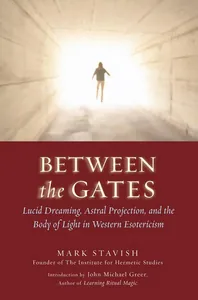

No reflections yet. Be the first.
Share your interpretation, experience, or question.
