The name "Illuminati" evokes a potent mix of fascination, fear, and intellectual curiosity. For centuries, this enigmatic term has resonated through history, from its 18th-century origins as a genuine Enlightenment-era secret society to its modern incarnation as the subject of countless conspiracy theories. At the Esoteric Library, we invite you to explore the multifaceted legacy of the Illuminati through a curated collection of free public domain texts, offering both historical context and speculative narratives.
The original Bavarian Illuminati was founded on May 1, 1776, by Adam Weishaupt, a professor of canon law at the University of Ingolstadt. His vision was to create a society dedicated to reason, philanthropy, and the overthrow of superstition and religious dogma, aligning with the progressive ideals of the Enlightenment. Members, known as "Perfectibilists," sought to improve and perfect human nature through education and moral guidance, operating in secrecy to avoid the oppressive censorship of the time. This initial iteration of the Illuminati was quickly suppressed by the Bavarian government in the late 1780s, fading into historical obscurity for a time.
However, the story of the Illuminati did not end there. Its brief existence and clandestine nature provided fertile ground for speculation, particularly in the wake of the French Revolution. Critics and counter-revolutionaries, like Augustin Barruel and John Robison, alleged that the Illuminati had secretly survived and orchestrated the revolution, propagating an enduring myth of a hidden hand manipulating world events. This narrative laid the groundwork for the modern concept of the Illuminati as a shadowy cabal controlling governments, economies, and media from behind the scenes.
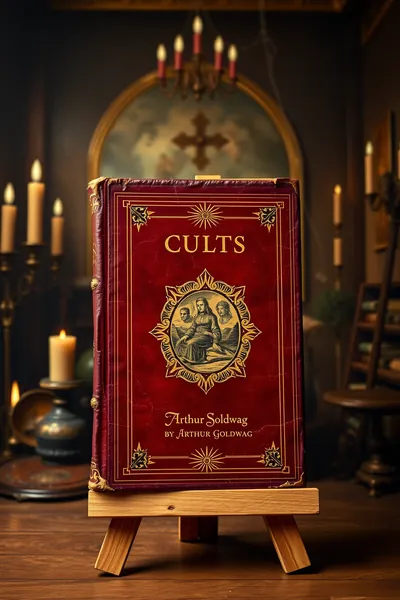
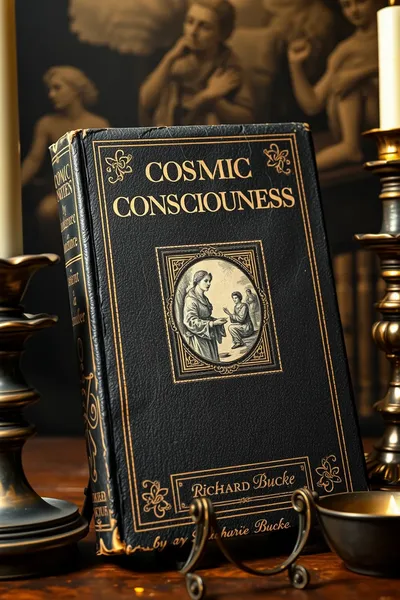
Our collection offers diverse perspectives on the Illuminati. You can engage with historical analyses, such as Vernon Stauffer's "New England and the Bavarian Illuminati," which examines the society's alleged influence in early America. For those interested in the broader landscape of secret societies and their perceived impact, titles like "Cults, Conspiracies, And Secret Societies" by Arthur Goldwag provide essential context. The concept of "illumination" itself, extending beyond the Bavarian Illuminati, is explored in works like Richard Maurice Bucke's "Cosmic Consciousness," which discusses higher states of awareness and spiritual insight.
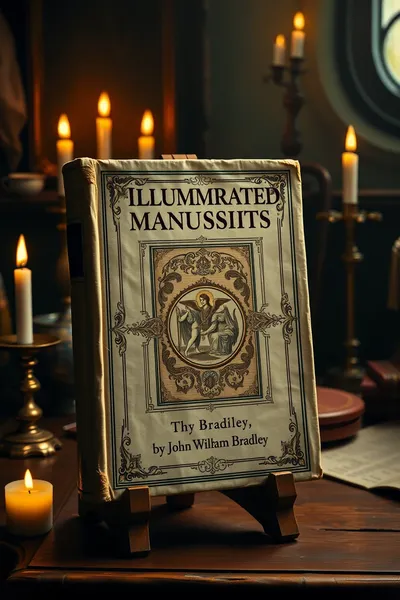
Beyond direct historical accounts, the collection also touches upon related esoteric and philosophical traditions often associated with the Illuminati in popular discourse. Texts like Jakob Böhme's "Dialogues on the Supersensual Life" offer insights into mystical thought that predates and parallels the pursuit of hidden knowledge. Even works on "Illuminated Manuscripts" by John William Bradley and "Writing & Illuminating, & Lettering" by Edward Johnston, while focusing on artistic techniques, highlight the historical significance of light and revelation in human expression, echoing the very name of the Illuminati. Whether you are a scholar seeking primary sources on the original Bavarian Illuminati, a curious reader intrigued by the elaborate conspiracy theories, or someone interested in the broader theme of enlightenment and hidden truths, this collection provides a gateway. The enduring allure of the Illuminati lies in its blend of historical fact and persistent myth, inviting continuous re-evaluation and exploration. Discover the texts that have shaped our understanding, or misunderstanding, of this legendary secret society.