Viervoudige beantwoordinge van beswaarnissen, voorgesteld aan Balthasar Bekker, ... 1692: Iss 91

 83
83

Viervoudige beantwoordinge van beswaarnissen, voorgesteld aan Balthasar Bekker, ... 1692: Iss 91

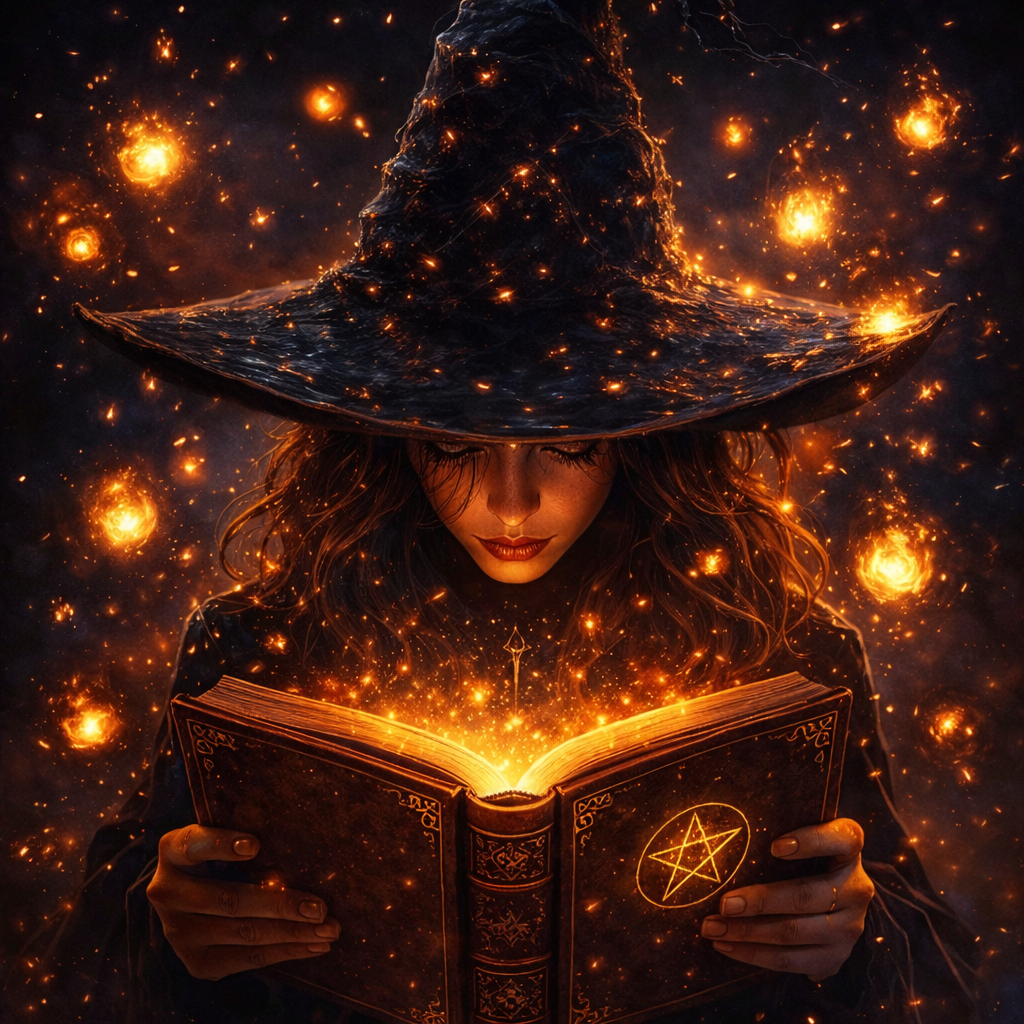

Review by Evander Ashcroft (Alchemy & Hermeticism Editor) — Balthasar Bekker's "Viervoudige beantwoordinge" is a cornerstone text for understanding the intellectual and spiritual ferment of the late 17th century. Bekker's rigorous dissection of prevailing superstitions concerning witchcraft and the demonic offers profound insights into the evolving theological landscape. His work challenges the reader to move beyond literal interpretations and engage with the symbolic and psychological dimensions of belief. This volume is essential for scholars of comparative religion, occult history, and early modern philosophy, providing a rare glimpse into the mind of a thinker who dared to question the established order. A truly illuminating read for those seeking to comprehend the roots of modern skepticism and the enduring power of faith.
📝 Description
83
In 1692, Balthasar Bekker published "Viervoudige beantwoordinge van beswaarnissen" to counter prevailing fears of witchcraft.
Balthasar Bekker's "Viervoudige beantwoordinge van beswaarnissen," published in 1692, addresses contemporary anxieties concerning witchcraft and demonic influence. Bekker, a prominent figure of his era, critically examines these beliefs, balancing a rational approach with spiritual considerations. The work, translated as "Fourfold Answer to Objections," challenges established religious doctrines and encourages readers to re-evaluate accepted notions. It serves as a historical window into the esoteric dimensions of early modern European thought, showing how concepts of the spiritual, magical, and divine were integrated into daily life and intellectual discourse. The book engages with the persistent human effort to understand existence and the nature of faith, offering a perspective on the interplay between rational thought and mystical belief.
This text aims to dissect the widespread superstitions of the late 17th century, particularly those related to the supernatural. Bekker's arguments question the direct intervention of demons and the validity of many accusations of witchcraft, which were prevalent at the time. He proposes a more reasoned interpretation of religious texts and natural phenomena, seeking to alleviate the fear that often accompanied these beliefs. The book is a significant artifact for those interested in the history of religious thought, early modern philosophy, and the cultural impact of superstition.
Bekker's work emerged during a period when the boundaries between natural philosophy, theology, and what we now term the esoteric were fluid. His rational critique of demonology and witchcraft, while grounded in theological debate, touched upon ideas about unseen forces and spiritual realities that resonated with broader esoteric traditions. He sought to demystify phenomena often attributed to supernatural malevolence, proposing instead natural or theological explanations that aligned with a reformed Christian worldview, yet his questioning of established dogma positioned him within a lineage of thinkers who sought deeper, often hidden, truths beyond literal interpretation.
💡 Why Read This Book?
Uncover the intellectual battleground against superstition in 17th-century Europe. "Viervoudige beantwoordinge" offers a profound examination of witchcraft beliefs, challenging readers to explore the psychological and theological underpinnings of fear. Ideal for scholars of occult history, religious philosophy, and seekers of hidden knowledge who wish to understand the evolution of rational thought within a deeply spiritual era.
⭐ Reader Reviews
Honest opinions from readers who have explored this book.
❓ Frequently Asked Questions
What is the primary focus of "Viervoudige beantwoordinge van beswaarnissen"?
The book primarily addresses and refutes common objections and accusations related to witchcraft and demonic influence, as posed to Balthasar Bekker, advocating for a more rational and theological interpretation of these phenomena.
Who was Balthasar Bekker and why is he significant?
Balthasar Bekker (1634-1698) was a Dutch theologian and philosopher known for his controversial work 'The World Bewitched,' which challenged prevailing beliefs in the active influence of the Devil and witches. He was a key figure in the Enlightenment's early stages.
What historical period does this book represent?
This book represents the late 17th century, a period of significant intellectual and religious transition, often referred to as the early Enlightenment, where rationalism began to challenge deeply ingrained supernatural beliefs.
What is the connection between this book and the broader Esoteric Library collection?
This issue is part of our 'Witchcraft & Paganism' series, delving into historical theological debates that shaped perceptions of the occult and offering insights into the intellectual frameworks used to understand or dismiss supernatural claims.
Is this text suitable for beginners in occult studies?
While historically rich, the theological and philosophical arguments may be dense. However, for dedicated beginners interested in the historical context of witchcraft beliefs and the intellectual challenges to them, it offers invaluable foundational knowledge.
🔮 Key Themes & Symbolism
Deconstruction of Demonic Influence
Bekker systematically dismantles the prevalent notions of direct demonic intervention in human affairs. He argues for a theological framework where the Devil's power is understood more abstractly, rather than through literal possession or active malevolence in everyday occurrences. This theme invites a re-evaluation of spiritual causality, moving away from anthropomorphic supernatural agents towards a more philosophical understanding of evil and temptation. The text encourages readers to discern between genuine spiritual struggle and unfounded superstition, a critical step in the intellectual liberation of the era.
Theology vs. Superstition
This work stands as a central example of the clash between emergent rational theology and deeply entrenched popular superstitions. Bekker champions a reasoned approach to religious doctrine, distinguishing between divine law and the often-fear-driven interpretations of the populace regarding witchcraft and its supposed manifestations. The "Fourfold Answer" is an intellectual defense of a theology grounded in scripture and reason, challenging the credulity that fueled witch hunts and occult anxieties. It highlights the ongoing human struggle to reconcile faith with rational inquiry and the pursuit of objective truth.
The Nature of Belief and Doubt
Fundamentally, Bekker's text probes the very foundations of belief – what constitutes valid faith versus irrational credulity. By addressing "objections," he engages directly with the psychological and social forces that perpetuate doubt and fear concerning the unseen. The work serves as a fascinating study in how societies grapple with the unknown, and how intellectual figures attempt to guide public understanding. It encourages a critical examination of personal beliefs and the societal narratives that shape them, urging a foundation of evidence and sound reasoning over fear and dogma.
💬 Memorable Quotes
Direct passages from the work, attributed to the author.
“The true battle is waged not in external manifestations, but within the soul's chambers.”
— Bekker redirects the focus of spiritual conflict from tangible, external events (like alleged witchcraft) to the internal, moral and psychological struggles of the individual, emphasizing introspection and inner virtue.
“Where reason falters, superstition finds fertile ground to sow its seeds of fear.”
— This poignant statement underscores the inverse relationship between rational thought and superstitious belief, suggesting that a lack of critical thinking or understanding allows unfounded fears to take root and flourish.
“To attribute every misfortune to the hand of the witch is to absolve oneself of responsibility.”
— Bekker critiques the tendency to blame external, supernatural forces for personal or societal failures, arguing that such scapegoating prevents genuine understanding and self-improvement.
💡 Key Ideas
Editorial paraphrase of the work's core concepts — not direct quotes.
Man is more often deceived by his own fancy than by the Devil's art.
This quote highlights Bekker's emphasis on human psychology and internal deception as primary sources of error, suggesting that fear and imagination often play a greater role in perceived supernatural events than external demonic influence.
The divine order is not a theater for the Devil's petty dramas.
This quote asserts a theological perspective where the grand design of the divine is too sublime and ordered to be constantly interrupted by the trivial machinations of a fallen angel, thereby explaining perceived demonic interventions.
🌙 Esoteric Significance
Tradition
While Bekker's work is primarily theological and philosophical rather than strictly 'esoteric' in the occult sense, its significance lies in challenging the dominant, often fear-based, spiritual paradigms of his time. It engages with the 'unseen' world, but through a lens of reasoned theology and psychological insight rather than ritualistic or magical practice. Its esoteric relevance emerges from its role in dismantling the popular, fear-driven occultism of the era, paving the way for more nuanced understandings of consciousness, belief, and the nature of spiritual reality.
Symbolism
Bekker's text operates on a symbolic level by reinterpreting the traditional symbols of witchcraft and demonic possession. The 'witch' and the 'devil' become less literal entities and more symbolic representations of human frailty, societal anxieties, and the allure of forbidden knowledge. By deconstructing these symbols, Bekker invites readers to engage with the underlying psychological and theological concepts they represent, moving from a literal, fear-based interpretation to a more metaphorical and philosophical one. This re-symbolization is key to his challenge against superstition.
Modern Relevance
In an age still grappling with misinformation, conspiracy theories, and the psychological impacts of fear, Bekker's "Viervoudige beantwoordinge" offers timeless insights. His rigorous approach to dissecting unfounded beliefs and prioritizing rational discourse over emotionally driven narratives remains profoundly relevant. The text encourages critical thinking, resilience against manipulation, and a deeper understanding of how collective anxieties can manifest. It serves as a historical touchstone for examining the enduring human struggle to discern truth from falsehood, especially in matters of the unseen and the spiritual.
👥 Who Should Read This Book
This volume is indispensable for scholars of early modern European history, comparative religion, and the intellectual history of witchcraft. Seekers of hidden knowledge will find it a crucial text for understanding the historical context of occult beliefs and the intellectual challenges they faced. Practitioners interested in the evolution of spiritual thought and the deconstruction of fear-based dogma will gain valuable perspective. While its dense theological arguments may challenge absolute beginners, dedicated students of the occult and metaphysics will find it a foundational work for comprehending the transition from widespread superstition to nascent rationalism.
📜 Historical Context
The year 1692 places "Viervoudige beantwoordinge van beswaarnissen" at a critical juncture in European intellectual history, a period marked by the nascent stirrings of the Enlightenment. While the continent was still deeply entrenched in centuries of witch trials and pervasive belief in diabolical influence, figures like Balthasar Bekker began to challenge these deeply held convictions with burgeoning rationalism and reformed theological interpretations. This era witnessed a growing tension between scholastic dogma, folk superstition, and the rise of scientific inquiry. Bekker's work emerged from this crucible, attempting to reconcile faith with reason and to deconstruct the fear-driven narratives that had led to immense suffering. Its publication reflects a broader societal shift towards questioning established authorities and seeking more logical explanations for the world's phenomena, even within the sacred area of theology.
📔 Journal Prompts
How does Bekker's distinction between 'fancy' and 'Devil's art' resonate with modern psychological explanations for delusion?
Reflect on a time when societal fear or superstition influenced your own understanding of an event. How did reason or new information change your perspective?
In what ways can the 'soul's chambers' be considered a battleground today, distinct from external conflicts?
Analyze a contemporary societal phenomenon that is driven by uncritical belief. How might Bekker's approach be applied to challenge it?
Consider the symbolic representations of 'evil' in modern culture. How do they compare to the symbols Bekker sought to deconstruct?
🗂️ Glossary
Beswaarnissen
Dutch for 'objections,' 'grievances,' or 'vexations.' In this context, it refers to the challenges, accusations, and arguments presented to Bekker concerning his theological views on witchcraft and the supernatural.
Theology
The study of the nature of God and religious belief. Bekker's work is a theological treatise attempting to interpret religious doctrine rationally and challenge prevailing, often superstitious, interpretations.
Superstition
A belief or practice resulting from ignorance, fear of the unknown, trust in magic or chance, or a false conception of causation. Bekker actively sought to debunk the superstitions of his time regarding witchcraft.
Diabolical
Relating to the Devil or demons; devilish. Bekker challenged the notion of direct, active diabolical intervention in human affairs as commonly understood by his contemporaries.
Rationalism
A belief that reason is the chief source and test of knowledge. Bekker's work is considered an early example of rationalist thought influencing religious and philosophical discourse.
This book appears in 2 collections
🔮 Readers Also Liked
Browse all →






More by BEKKER, Balthasar, 1634-1698.
All books →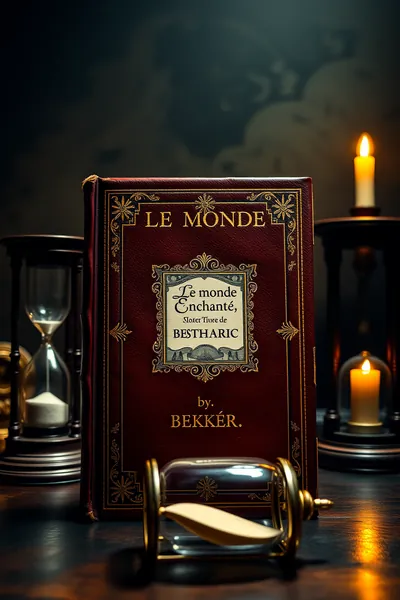





From the “Witchcraft” Collection
View all →



More Free Witchcraft & Paganism Books
View all →