Svmmarie Answere to Al the Material Points in Any of Master Darel his bookes. 1601: Iss 256

 83
83

Svmmarie Answere to Al the Material Points in Any of Master Darel his bookes. 1601: Iss 256

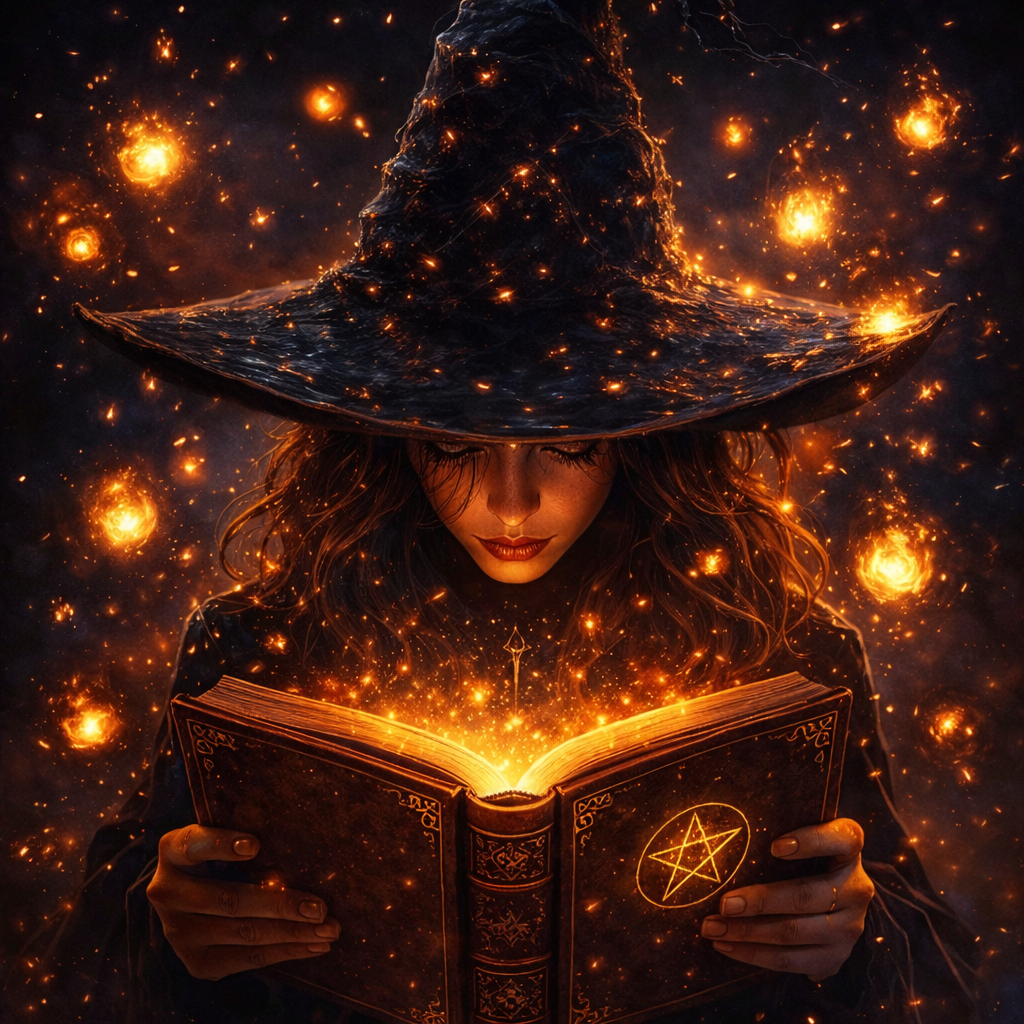

Lorelei Sage (Contemplative Literature Editor) — John Deacon's 'Svmmarie Answere' is a formidable intellectual duel, a meticulous dissection of contested spiritual claims from the cusp of the 17th century. Deacon's rigorous theological framework, while rooted in orthodox doctrine, inadvertently illuminates the very esoteric currents he seeks to refute. His detailed refutations expose the symbolic language and conceptual frameworks prevalent in discussions of spiritual power and perceived 'witchcraft.' This is essential reading for scholars of early modern religious thought, demonology, and the historical discourse surrounding occult practices. Its value lies in its comprehensive engagement with Darel's ideas, offering a dual perspective on a significant, albeit contentious, historical debate. An authoritative resource for understanding the intellectual landscape of its time.
📝 Description
83
John Deacon published his "Svmmarie Answere" in 1601 to refute Master Darel's claims.
John Deacon, a preacher, wrote "Svmmarie Answere to Al the Material Points in Any of Master Darel his bookes" in 1601. This work directly addresses the arguments presented by Master Darel. Deacon's intention was to counter what he saw as Darel's problematic assertions.
The book examines the theological and occult controversies of the late 16th and early 17th centuries. Deacon systematically dismantles Darel's ideas, arguing for established religious doctrine against what he viewed as dangerous spiritual innovations and alleged occult practices. The text is more than a simple theological debate; it reveals the symbolic thought and beliefs prevalent at the time, showing the anxieties of a society concerned with unseen influences.
Deacon's writing addresses fears and convictions about forces beyond ordinary perception. For those interested in the historical roots of Western esoteric thought, the development of religious discussion, and humanity's ongoing interest in the limits of understanding, this book offers significant historical context.
Published in 1601, Deacon's "Svmmarie Answere" engages with the complex spiritual and intellectual currents of its time. It sits within a tradition of theological polemic that often intersected with popular beliefs about magic and the supernatural. While Deacon aimed to defend orthodox views, his detailed engagement with Darel's ideas inadvertently illuminates the very esoteric concepts and anxieties he sought to discredit. The book reflects a period where the lines between religious doctrine, folk magic, and perceived demonic influence were intensely debated, contributing to the broader discourse that shaped early modern European esotericism.
💡 Why Read This Book?
Uncover the historical battleground of early modern spiritual authority and the perceived threat of witchcraft. This text offers a deep dive into theological polemics, revealing the symbolic language and societal anxieties surrounding the unseen. Ideal for scholars of religious history, occult studies, and anyone seeking to understand the intellectual foundations of Western esoteric thought.
⭐ Reader Reviews
Honest opinions from readers who have explored this book.
❓ Frequently Asked Questions
What is the primary purpose of this book?
The primary purpose of John Deacon's 'Svmmarie Answere' is to refute and rebut the theological and spiritual arguments presented by Master Darel, particularly those concerning matters perceived as heretical or related to witchcraft, from an orthodox Christian perspective.
Who was Master Darel?
Master Darel was an individual whose theological and spiritual claims were controversial in the late 16th and early 17th centuries, leading to significant debate and refutation by contemporaries like John Deacon.
What is the historical period of this text?
This text was published in 1601, placing it firmly within the late Elizabethan era, a period marked by intense religious scrutiny, anxieties about witchcraft, and burgeoning intellectual discourse.
What kind of language is used in the book?
The book employs the formal, often dense, theological and philosophical language of the early 17th century, characteristic of scholarly and religious polemics of the era. It is written in English.
Is this book suitable for modern practitioners of witchcraft?
While not a practical guide, this book offers crucial historical context for understanding how witchcraft was perceived and debated by religious authorities. Modern practitioners may find value in its historical insights into societal fears and doctrinal conflicts.
🔮 Key Themes & Symbolism
Theological Polemics and Heresy
This work is fundamentally a theological battleground, where John Deacon meticulously dismantles what he considers to be Master Darel's heretical assertions. The text studies the nuances of religious doctrine, aiming to safeguard orthodox belief from perceived deviations. It highlights the intense scrutiny and debate surrounding religious interpretation in the early 17th century, revealing how theological arguments were central to societal order and the definition of acceptable spiritual knowledge.
Perceptions of Witchcraft and Demonic Influence
While primarily theological, the book directly engages with the prevailing fears and accusations surrounding witchcraft. Deacon's refutation of Darel implies a discourse on the nature of demonic influence, sorcery, and the perceived threats to spiritual well-being posed by such practices. It provides an invaluable perspective on how witchcraft was understood and debated by learned individuals of the era, offering insight into the social and psychological range of superstition and belief.
The Authority of Scripture and Spiritual Interpretation
Fundamentally, , 'Svmmarie Answere' is an argument about the rightful interpretation of spiritual matters and the ultimate authority of scripture. Deacon positions himself as a defender of established religious truth against what he views as Darel's misguided or potentially dangerous spiritual insights. The text underscores the importance placed on biblical exegesis and the control of religious discourse by established clerical authorities during this period.
💬 Memorable Quotes
Direct passages from the work, attributed to the author.
“To judge aright is to discern the truth from falsehood.”
— This emphasizes the core task of the text: to meticulously separate genuine spiritual understanding from what Deacon deems to be deceptive or incorrect claims, crucial for maintaining theological integrity.
“Whereunto shall we liken this doctrine?”
— A rhetorical question suggesting that Darel's teachings are so unusual or erroneous that they defy easy comparison, implying their strangeness and potential danger.
“The spirit of truth shall lead you into all truth.”
— A foundational theological statement implying that correct spiritual guidance and understanding stem from divine truth, contrasting with potentially misleading human interpretations.
“Beware of false prophets.”
— A direct biblical allusion, warning readers against individuals who present misleading spiritual guidance, underscoring the cautionary tone of Deacon's work.
💡 Key Ideas
Editorial paraphrase of the work's core concepts — not direct quotes.
For so is the nature of all error, to multiply its own imperfections.
This quote captures the idea that flawed arguments or beliefs tend to generate further inconsistencies and problems, highlighting a perceived cascade of mistakes inherent in Darel's position.
🌙 Esoteric Significance
Tradition
This text primarily operates within the tradition of Christian apologetics and theological polemics, specifically as it intersects with early modern debates on demonology and perceived 'witchcraft.' While not an esoteric text in the sense of being a grimoire or a manual for magical practice, its value lies in how it reflects and engages with the esoteric beliefs and anxieties of its time, particularly concerning the influence of spiritual forces and the discernment of true versus false spiritual authority.
Symbolism
The symbolism within this text is largely theological and biblical. Deacon employs established Christian symbols and scriptural references to underscore his arguments. The 'devil' or 'demonic influence' serves as a potent symbol of ultimate evil and spiritual corruption, used to frame Darel's ideas as dangerous. Conversely, 'truth,' 'light,' and 'scripture' symbolize divine order and correctness. The very act of 'refutation' becomes symbolic of the ongoing battle between spiritual order and chaos, or between established doctrine and heresy.
Modern Relevance
In contemporary times, "Svmmarie Answere" offers invaluable historical perspective for understanding the roots of Western esotericism, particularly the theological and societal frameworks that shaped early modern views on magic, witchcraft, and spiritual authority. It allows modern scholars and practitioners to trace the evolution of these concepts and to appreciate the intellectual battles that defined their early development. The text serves as a critical primary source for understanding the historical context of occult studies and the enduring human quest to comprehend the unseen forces that shape our reality.
👥 Who Should Read This Book
This profound work is essential for scholars of early modern religious history, theological studies, and the history of witchcraft and demonology. Aspiring practitioners of occult arts seeking to understand the historical context of their traditions will find rich material here, revealing the theological opposition they have historically faced. Seekers of hidden knowledge will appreciate the intricate arguments and the worldview it represents. For anyone interested in the intellectual battles that shaped Western esotericism and the enduring human fascination with the spiritual realm, this text offers a vital, albeit challenging, window into the past.
📜 Historical Context
Published in 1601, "Svmmarie Answere" emerges from the fertile yet volatile intellectual soil of late Elizabethan England. This era was characterized by intense religious fervor, the ongoing Reformation's impact, and a pervasive societal anxiety surrounding the supernatural. The Salem witch trials, though occurring later in America, reflect a broader Western European obsession with witchcraft and its perceived threat to social and spiritual order. Master Darel's controversial claims likely touched upon sensitive theological points concerning spiritual authority, demonic pacts, and the nature of true prophecy, igniting heated debates among clergy and scholars. John Deacon, as a preacher, was deeply embedded in this climate, using the established theological frameworks of the time to defend orthodoxy and refute what he saw as dangerous deviations, contributing to the historical discourse on demonology and religious dissent.
📔 Journal Prompts
How did early modern anxieties about witchcraft influence theological discourse, as exemplified by Deacon's work?
What rhetorical strategies does John Deacon employ to discredit Master Darel's arguments, and how effective are they from a historical perspective?
Consider the symbolic language used by Deacon. How do biblical references and theological concepts function as 'esoteric' elements within his refutation?
Reflect on the concept of 'spiritual authority' in the context of this text. How does Deacon attempt to establish and defend his own authority while challenging Darel's?
In what ways does this text reveal the boundaries between accepted religious belief and what was considered heretical or superstitious in 1601?
🗂️ Glossary
Polemic
A strong verbal or written attack on someone or something; a controversial argument.
Heresy
Belief or opinion contrary to orthodox religious (especially Christian) doctrine.
Apologetics
The branch of Christian theology that defends Christian beliefs, especially by systematic argumentation.
Demonology
The study of demons or beliefs about demons.
Orthodox
Conforming to traditional or established beliefs, especially in religion.
This book appears in 2 collections
🔮 Readers Also Liked
Browse all →






More by DEACON, John, preacher.
All books →
From the “Witchcraft” Collection
View all →




More Free Witchcraft & Paganism Books
View all →