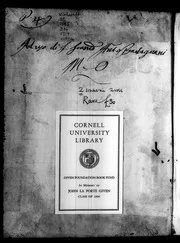
Manuale exorcistarum, ac parochorum hoc est Tractatus de curatione ac protectione divina; in quo reprobatis erroribus, verus, oertus, securus, catholicus, apostolicus, ... 1714: Vol 2 Iss 171
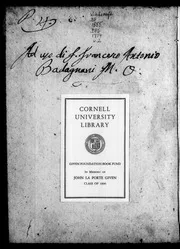
 80
80

Manuale exorcistarum, ac parochorum hoc est Tractatus de curatione ac protectione divina; in quo reprobatis erroribus, verus, oertus, securus, catholicus, apostolicus, ... 1714: Vol 2 Iss 171



Lorelei Sage, Contemplative Literature Editor: Candido Brognolo's 'Manuale Exorcistarum' is a cornerstone text for understanding historical approaches to spiritual defense. This 1714 volume, rich with theological rigor, offers profound insights into the Catholic understanding of protection against malevolent forces. Brognolo's meticulous refutation of errors and his clear exposition of sound doctrine provide a secure foundation for scholars of religious history and practitioners seeking ancient wisdom. Its strength lies in its unwavering commitment to orthodox principles, making it an indispensable resource for serious study of exorcism and divine protection within a historical Catholic context.
📝 Description
80
Candido Brognolo's 1714 'Manuale Exorcistarum' details Catholic methods for spiritual protection and combating malevolent forces.
This second volume of Candido Brognolo's work, published in 1714, addresses the practice of spiritual warfare and divine protection. Brognolo, writing from a firm orthodox Catholic perspective, aims to correct mistaken beliefs and set forth a reliable and secure approach to spiritual safeguarding. The text examines the nature of harmful spiritual influences and the divinely sanctioned means to ward them off.
It presents methods for repelling such influences, drawing on established church doctrine. The book is intended for those seriously engaged with theological or spiritual matters, particularly those seeking to understand and apply the principles of spiritual defense. It offers a structured understanding of protective spiritual practices within a Catholic framework.
This manual sits within the tradition of Catholic demonology and spiritual warfare literature, which has a long history dating back to medieval times. It reflects a period where theological texts were actively used to provide practical guidance for clergy and the devout in confronting perceived spiritual threats. Such works often combined scriptural interpretation, patristic writings, and practical instructions, aiming to maintain doctrinal purity and provide effective spiritual defenses.
💡 Why Read This Book?
Unlock ancient secrets of spiritual defense and divine protection. This tome offers unparalleled historical insight into Catholic exorcism practices and theological frameworks for confronting unseen forces. Ideal for scholars, theologians, occult historians, and serious practitioners seeking rigorous, historically grounded knowledge of spiritual safeguarding and the nature of divine intervention.
⭐ Reader Reviews
Honest opinions from readers who have explored this book.
❓ Frequently Asked Questions
What is the primary focus of this manual?
The manual's primary focus is on divine healing and protection, providing guidance on repelling malevolent influences and safeguarding the faithful through Catholic doctrine and practice.
Who was Candido Brognolo?
Candido Brognolo was a scholar and theologian, born in 1607, whose work reflects the theological understanding and spiritual practices of his era within the Catholic Church.
Is this book suitable for modern practitioners of other traditions?
While deeply rooted in Catholic theology, the historical and symbolic insights into spiritual warfare and divine protection can offer valuable perspective for practitioners of other esoteric traditions interested in comparative studies.
What does 'reprobatis erroribus' mean in this context?
'Reprobatis erroribus' translates to 'errors having been rejected' or 'errors refuted,' indicating that the author systematically addresses and dismisses incorrect beliefs or practices regarding spiritual protection.
Where can I find the original source material?
The original digitized source material is referenced as IA40330315-23, indicating it was sourced from an archive or digital collection.
🔮 Key Themes & Symbolism
The Art of Spiritual Defense
This volume examines the intricate methods and theological underpinnings of spiritual defense, exploring how individuals and communities can fortify themselves against unseen adversarial forces. It examines the nature of spiritual attacks, the discernment of their origins, and the application of divine grace and ritualistic practices as prescribed by Catholic tradition to repel and neutralize them. The text illuminates the concept of spiritual warfare not as a metaphor, but as a tangible reality requiring vigilance, faith, and prescribed actions for protection and purification.
Divine Protection and Intervention
Fundamentally, the 'Manuale Exorcistarum' is a evidence of the power and efficacy of divine protection. Brognolo meticulously details the pathways through which God's grace shields believers from harm, emphasizing the sacraments, prayer, and adherence to sacred law as conduits for this protective energy. The work underscores the belief in divine intervention as a responsive force, actively safeguarding those who seek its solace and strength, thereby offering a profound theological perspective on the relationship between humanity and the divine in times of spiritual peril.
Orthodox Doctrine vs. Heresy
A significant aspect of Brognolo's work is its role as a bulwark against doctrinal deviation. He rigorously confronts and refutes what he identifies as erroneous beliefs and practices concerning spiritual matters, striving to preserve the integrity and purity of Catholic teaching. This theme highlights the historical tension between established religious authority and alternative spiritual interpretations, positioning the manual as a definitive guide to orthodox understanding and a rejection of any spiritual path deemed heretical or impure by the Church.
💬 Memorable Quotes
Direct passages from the work, attributed to the author.
“Through divine grace, the darkness is dispelled.”
— This speaks to the transformative power of divine intervention, highlighting its ability to overcome and eradicate spiritual or existential gloom.
“True protection lies in adherence to sacred law.”
— This asserts that righteous conduct and obedience to religious statutes are fundamental to maintaining a state of spiritual security and favor.
“The exorcist is but an instrument of God's power.”
— This clarifies the role of the exorcist, underscoring that their authority and efficacy stem from divine mandate, not personal might.
“Ignorance is the fertile ground for spiritual deception.”
— This warns against the dangers of lacking knowledge, suggesting that a lack of understanding makes one vulnerable to misleading spiritual influences.
💡 Key Ideas
Editorial paraphrase of the work's core concepts — not direct quotes.
The shield of faith repels the fiery darts of the wicked.
This quote emphasizes the spiritual armor provided by unwavering belief, acting as a potent defense against malevolent spiritual influences.
🌙 Esoteric Significance
Tradition
This work is firmly rooted in the esoteric traditions of Catholic demonology and spiritual warfare. It represents a highly formalized and dogmatic approach to the unseen world, drawing upon scripture, patristic writings, and conciliar decrees. Its esoteric nature lies not in hidden symbols or secret rituals per se, but in its detailed exploration of the hierarchical structure of spiritual forces, the specific nature of demonic influence, and the precise theological and liturgical means for combating them, all within a framework of divine authority.
Symbolism
While not overtly symbolic in the manner of hermetic texts, the manual is rich with theological symbolism. The 'fiery darts' represent temptations and attacks, 'faith' is the shield, and 'divine grace' is the light that dispels darkness. The very act of exorcism, with its prescribed prayers, holy water, and relics, functions as a symbolic reassertion of God's dominion over chaos and evil, a ritualistic reenactment of creation and salvation.
Modern Relevance
In an era often characterized by secularism, Brognolo's manual offers a compelling historical and theological counterpoint. For scholars of religion, occultism, and folklore, it provides invaluable insight into historical belief systems and practices surrounding spiritual affliction. For contemporary practitioners of various spiritual disciplines, it offers a case study in structured spiritual defense, the power of ritual, and the enduring human concern with safeguarding the soul, underscoring the persistent relevance of belief in the spiritual realm.
👥 Who Should Read This Book
This manual is essential for theologians and scholars of religious history seeking to understand historical Catholic approaches to spiritual warfare and protection. Occult historians will find it important for contextualizing witchcraft accusations and the practice of exorcism in the early modern period. Serious practitioners of esoteric arts, particularly those interested in comparative demonology or the historical roots of spiritual defense techniques, will benefit from its rigorous, albeit dogmatic, framework. Beginners in esoteric studies might find it dense, but it offers a foundational understanding of a specific and influential tradition.
📜 Historical Context
Published in 1714, 'Manuale Exorcistarum' emerges from a period deeply engaged with theological debates and the tangible realities of spiritual belief. The 18th century, while witnessing the rise of Enlightenment rationalism, still held profound reverence for the sacred and the supernatural. Within the Catholic Church, the practice of exorcism was a recognized, albeit carefully regulated, component of pastoral care, particularly in regions grappling with social anxieties, perceived demonic influence, or widespread spiritual distress. Brognolo's work reflects this context, offering a scholarly yet practical framework rooted in centuries of tradition, aiming to equip parish priests with the knowledge and authority to address spiritual afflictions according to orthodox doctrine.
📔 Journal Prompts
Reflect on the concept of 'spiritual warfare' as presented by Brognolo. How does this differ from or align with your personal understanding or experiences?
Consider the symbolic language used in the 'Manuale Exorcistarum.' How do these symbols function to convey spiritual power and authority?
Brognolo emphasizes adherence to sacred law as a form of protection. What parallels or divergences exist between this and modern concepts of personal boundaries and self-care?
Analyze the role of the 'exorcist' as depicted in the text. What does it mean to be an 'instrument of God's power' in any spiritual practice?
How might the 'errors' refuted by Brognolo manifest in contemporary beliefs or practices, and what lessons can be drawn from his refutations?
🗂️ Glossary
Exorcist
An ordained minister or appointed individual authorized to perform exorcisms, expelling demons or malevolent spirits from a person or place according to religious rites.
Parochus
Latin for 'parish priest,' the cleric responsible for the spiritual care of a specific parish community within the Catholic Church.
Divine Protection
The theological concept of safeguarding provided by a higher power (God) against spiritual, physical, or emotional harm, often accessed through faith, prayer, and adherence to religious practices.
Malevolent Influences
Negative or harmful spiritual forces, entities, or energies that are believed to cause distress, affliction, or spiritual corruption to individuals or environments.
Orthodox Doctrine
The set of beliefs, teachings, and practices that are officially recognized and accepted as correct and authoritative within a particular religious tradition, in this case, Catholicism.
This book appears in 2 collections
🔮 Readers Also Liked
Browse all →




![D. [i. e., Doktor] Balthasar Bekkers reformierten Predigers in Amsterdam bezauberte Welt. ... 1781: Vol 2 Iss 81](/img/thumb/d-i-e-doktor-balthasar-bekkers-reformierten-predigers-in-amsterdam-bezauberte-welt-1781-vol-2-iss-81-bekker-balthasar-1634-1698.webp)

More by BROGNOLO, Candido, b. 1607.
All books →

From the “Witchcraft” Collection
View all →



More Free Witchcraft & Paganism Books
View all →