Embracing the moon

 79
79

Embracing the moon
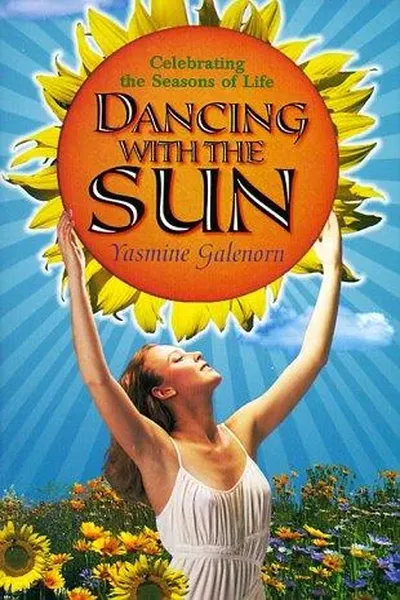
Galenorn’s "Embracing the Moon" offers a comprehensive yet accessible look at lunar lore, a subject often treated superficially. The strength lies in its detailed cataloging of moon myths and their symbolic weight, particularly the "Crone" aspect of the goddess, which is often overlooked in favor of Maiden and Mother archetypes. However, the book occasionally leans towards a generalized presentation of witchcraft principles, which might feel familiar to those already versed in contemporary pagan practices. A notable passage is the detailed breakdown of the Full Moon's significance in ritual, linking it directly to manifestation and empowerment. Despite this slight repetition in parts, the work provides a solid foundation for understanding lunar energies.
"Embracing the Moon" serves as a foundational text for lunar-focused spirituality.
📝 Description
79
### What It Is "Embracing the Moon" by Yasmine Galenorn, first published in 2002, is an exploration of lunar mythology, symbolism, and its connection to feminine energies and spiritual practices. The work delves into the moon's cycles and their influence on human consciousness and the natural world. It presents a framework for understanding the moon not merely as a celestial body, but as a potent archetypal force influencing magic and personal growth.
### Who It's For This book is aimed at individuals interested in esotericism, goddess spirituality, witchcraft, and pagan traditions. It is particularly suited for those who wish to deepen their understanding of lunar cycles and their practical application in ritual, meditation, and self-discovery. Readers seeking to connect with feminine divine energies or explore the symbolic language of the moon will find this text valuable.
### Historical Context Published in 2002, "Embracing the Moon" emerged during a period of resurgence in Neopaganism and goddess-centric spiritualities, building on the foundations laid by earlier thinkers like Marija Gimbutas and Starhawk. The early 2000s saw a growing interest in reclaiming feminine divine narratives and integrating them into contemporary spiritual practice, a trend this book actively contributes to by focusing on lunar symbolism.
### Key Concepts The work centers on the concept of the Moon Goddess, exploring her various manifestations across different cultures and mythologies. It highlights the archetypal feminine principle, often associated with intuition, the subconscious, emotions, and the cycles of life, death, and rebirth. The book also examines the practical application of lunar phases in ritualistic contexts, suggesting how aligning personal actions with the moon's waxing and waning can enhance magical efficacy and personal alignment.
💡 Why Read This Book?
• Gain a deeper understanding of the Moon Goddess archetype and her varied representations across cultures, as detailed in the book's exploration of lunar myths. • Learn practical methods for aligning your spiritual practice with lunar cycles, drawing on the book's insights into ritualistic applications of moon phases. • Connect with the concept of the 'Crone' aspect of the divine feminine, a specific focus that offers a nuanced perspective beyond common interpretations of goddess imagery.
⭐ Reader Reviews
Honest opinions from readers who have explored this book.
❓ Frequently Asked Questions
What is the primary focus of Yasmine Galenorn's "Embracing the Moon"?
The book primarily focuses on lunar mythology, symbolism, and its connection to feminine energies and spiritual practices. It explores the moon's cycles and their influence on consciousness and the natural world, presenting the moon as an archetypal force.
When was "Embracing the Moon" first published?
"Embracing the Moon" by Yasmine Galenorn was first published in 2002.
Who would benefit most from reading "Embracing the Moon"?
Individuals interested in esotericism, goddess spirituality, witchcraft, and pagan traditions, especially those seeking to deepen their understanding of lunar cycles and their application in spiritual practices, would benefit.
Does the book offer practical advice for magical practice?
Yes, the book discusses the practical application of lunar phases in ritual and meditation, suggesting how to align personal actions with the moon's cycles for enhanced spiritual and magical outcomes.
What historical period does the book's context relate to?
The book's context relates to the early 2000s, a period of resurgence in Neopaganism and goddess-centric spiritualities, building upon earlier scholarship and spiritual movements.
What specific aspect of the feminine divine does the book highlight?
The book highlights the Moon Goddess archetype and specifically explores the 'Crone' aspect, offering a nuanced view of the feminine divine that encompasses transformation and wisdom.
🔮 Key Themes & Symbolism
Lunar Archetypes
The work delves into the multifaceted nature of the Moon Goddess across various mythologies, portraying her not as a singular deity but as a dynamic force embodying different stages of life and transformation. This includes explorations of the Maiden, Mother, and Crone aspects, emphasizing the cyclical nature of existence and the wisdom inherent in each phase. Galenorn connects these archetypes to personal growth and spiritual understanding, suggesting that embracing these lunar energies can lead to greater self-awareness and empowerment within one's spiritual path.
Feminine Divine Energy
Central to "Embracing the Moon" is the concept of the divine feminine, which is intrinsically linked to lunar symbolism. The book posits the moon as a primary representation of this energy, associated with intuition, emotion, the subconscious, and the generative and regenerative forces of nature. It encourages readers to reconnect with and honor these aspects within themselves, moving away from patriarchal spiritual structures and embracing a more holistic, cyclical understanding of divinity and power.
Ritual and Cycle Alignment
Galenorn provides practical guidance on how to integrate lunar cycles into spiritual and magical practices. The book details the significance of different moon phases—new moon, waxing, full moon, waning—and suggests rituals and meditations tailored to each phase. This emphasizes the importance of working in harmony with natural rhythms, asserting that such alignment can amplify intention, facilitate manifestation, and deepen one's connection to the earth and the cosmos.
Mythology and Symbolism
The text serves as a compendium of lunar myths and symbols drawn from diverse cultural traditions. It examines how the moon has been represented and interpreted throughout history, highlighting recurring themes of fertility, mystery, change, and illumination. By dissecting these symbols, the book aims to unlock deeper meanings related to the human psyche and the spiritual journey, offering readers a rich symbolic language to explore their inner and outer worlds.
💬 Memorable Quotes
“The moon governs the tides, our emotions, and the cycles of birth and rebirth.”
— This statement encapsulates the book's core premise: the moon is not just a celestial object but a powerful force deeply interconnected with fundamental aspects of existence, from the physical world to the human psyche.
“Understanding the Crone aspect of the Goddess is crucial for embracing transformation.”
— This highlights a specific focus within the book, emphasizing the often-neglected Crone archetype as a symbol of wisdom, endings, and the potential for renewal that comes with accepting change.
“Aligning your rituals with the moon's phases amplifies their power.”
— This practical piece of advice underscores the book's utility for practitioners, suggesting that working in synchronicity with natural lunar rhythms can enhance the efficacy of spiritual work.
“The moon represents the deep, intuitive knowing within the feminine.”
— This interpretation connects lunar symbolism directly to the concept of the divine feminine, framing the moon as a conduit for accessing inner wisdom and subconscious understanding.
“Every cycle of the moon offers a new opportunity for magic and growth.”
— This quote reflects the book's optimistic and empowering perspective, presenting the recurring lunar cycles not as mere repetition but as continuous chances for personal development and spiritual practice.
🌙 Esoteric Significance
Tradition
This work fits within the broader tradition of modern Goddess Spirituality and contemporary witchcraft, drawing heavily on archetypal psychology and comparative mythology. While not strictly adhering to a single lineage like Hermeticism or Kabbalah, it engages with universal symbolic patterns found across many esoteric traditions, particularly those focused on the sacred feminine. It departs from more rigid, male-dominated esoteric systems by centering the moon as a primary divine symbol and emphasizing cyclical, rather than strictly linear, spiritual progression.
Symbolism
The central symbol is the Moon itself, representing the divine feminine, intuition, the subconscious, and the cycles of life, death, and rebirth. The book frequently references the Triple Goddess (Maiden, Mother, Crone) as a manifestation of lunar energies, each phase embodying different aspects of the feminine power: youth and potential (Maiden), nurturing and creation (Mother), and wisdom and transformation (Crone). These symbols are used to guide personal development and ritual practice.
Modern Relevance
Contemporary practitioners of witchcraft, Wicca, and broader earth-based spiritualities continue to draw upon Galenorn's insights. Thinkers and writers focusing on ecofeminism, lunar magic, and the reclamation of the divine feminine often cite or echo the themes presented in "Embracing the Moon." Its accessible approach makes it relevant for modern spiritual seekers exploring alternative paths and seeking to integrate lunar rhythms into their daily lives and magical workings.
👥 Who Should Read This Book
• Aspiring witches and modern Pagans seeking foundational knowledge on lunar symbolism and its integration into ritual practice. • Students of comparative mythology and religious studies interested in the archetypal feminine and lunar deities across cultures. • Individuals exploring goddess spirituality or seeking to deepen their intuitive and emotional connection to the divine feminine.
📜 Historical Context
Published in 2002, "Embracing the Moon" arrived during a significant period for esoteric literature, particularly within the burgeoning Neopagan and Goddess movements. This era saw a continued academic and popular interest in reclaiming matriarchal mythologies, building on the work of scholars like Marija Gimbutas whose research on ancient European cultures highlighted female deities. Galenorn's book emerged alongside contemporaries such as Starhawk, who had already established influential works on goddess spirituality and witchcraft. The early 2000s were characterized by a growing desire among spiritual seekers to connect with immanent divinity and explore non-Abrahamic religious frameworks. While not facing widespread censorship, the book contributed to a broader cultural conversation around feminine spirituality, offering a more accessible entry point compared to some academic texts, and was part of a wave of publications seeking to synthesize ancient myth with modern practice.
📔 Journal Prompts
The Moon Goddess's various aspects: Maiden, Mother, Crone.
Personal connection to the moon's cycles.
Intuitive knowing and lunar influence.
The Crone archetype and personal transformation.
Rituals aligned with the new moon phase.
🗂️ Glossary
Moon Goddess
An archetypal deity or divine feminine principle associated with the moon, often embodying cycles of birth, death, and rebirth, intuition, and the subconscious.
Triple Goddess
A deity represented in three forms: the Maiden (youth, new beginnings), the Mother (nurturing, creation), and the Crone (wisdom, endings, transformation), often linked to the phases of the moon.
Lunar Cycles
The recurring phases of the moon as seen from Earth, including the new moon, waxing crescent, first quarter, waxing gibbous, full moon, waning gibbous, third quarter, and waning crescent.
Archetype
A universal, archaic symbol or motif that recurs in the literature, art, and mythology of all cultures, representing fundamental human experiences or patterns of behavior.
Divine Feminine
The concept of sacred or divine essence attributed to the feminine principle, often associated with creation, intuition, nurturing, and cyclical power, contrasted with patriarchal religious structures.
Esotericism
Belief systems and practices that focus on inner knowledge, spiritual transformation, and hidden realities, often involving symbolism, mysticism, and ritual.
Paganism
A broad term for nature-based religions that often worship multiple deities, particularly drawing from pre-Christian European traditions, emphasizing the sacredness of the earth and its cycles.