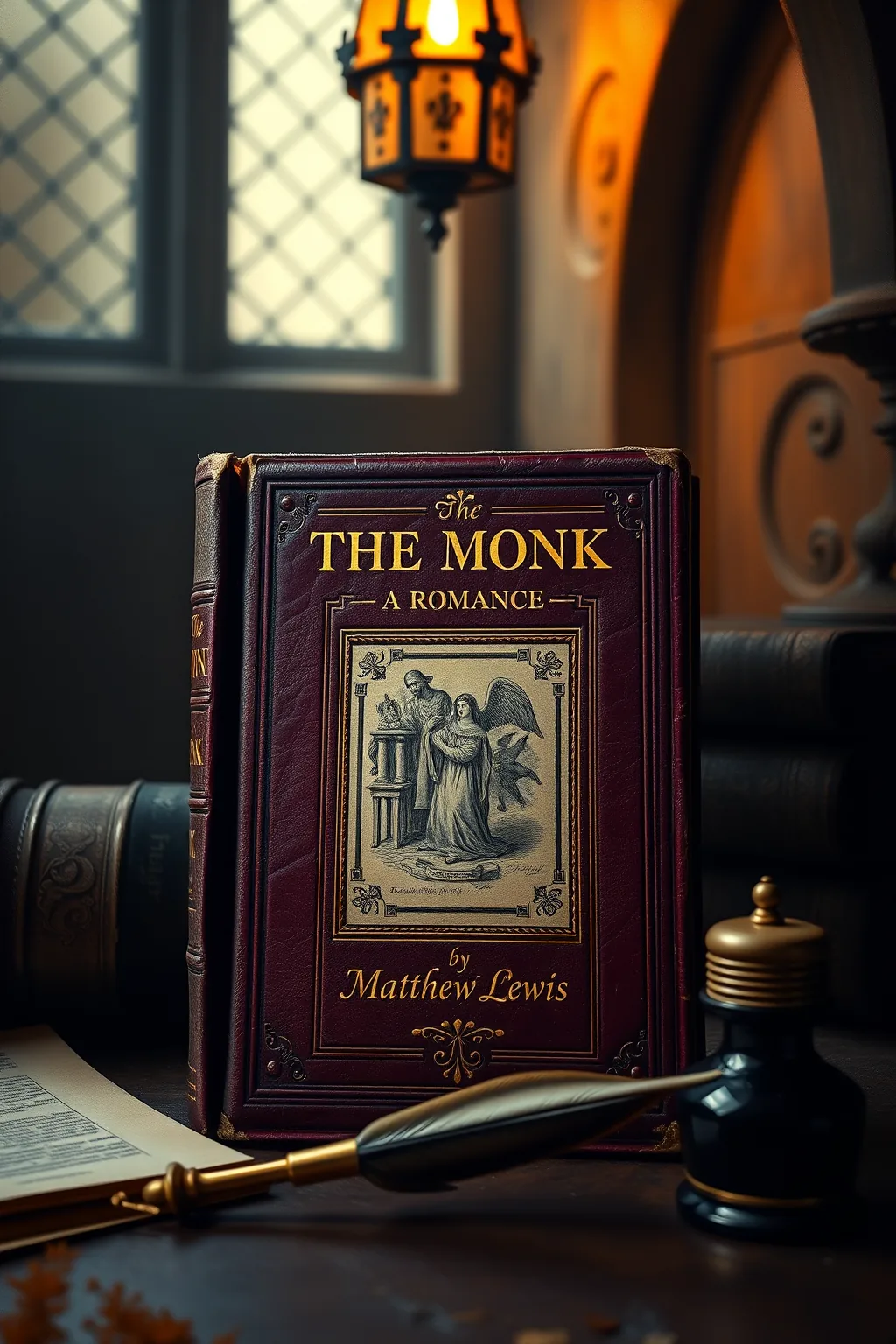
The Monk: A Romance
 81
81

The Monk: A Romance


Isolde Whitaker (Sacred Texts Editor) — Matthew Lewis's 'The Monk' remains a potent distillation of Gothic fervor and esoteric anxieties. Beyond its thrilling narrative of demonic pacts and moral decay, the novel offers a profound, if disturbing, examination of spiritual corruption. Its depiction of a revered monk's fall from grace serves as a cautionary allegory, exploring the vulnerability of the human spirit to temptation and the hidden hierarchies of power, both earthly and infernal. The novel’s enduring appeal lies in its unflinching gaze into the abyss, making it essential reading for those who seek to understand the interplay of faith, fear, and the occult. Its dense symbolism and psychological intensity continue to resonate with scholars and practitioners of esoteric traditions.
📝 Description
81
Matthew Lewis published 'The Monk' in 1796, a Gothic novel that shocked its era with tales of religious corruption and dark pacts.
Matthew Lewis's 1796 novel, 'The Monk: A Romance,' plunges into the supposed sanctity of an 18th-century Spanish convent, only to reveal a world consumed by hypocrisy and forbidden desires. The story centers on Brother Ambrosio, a monk whose reputation for extreme piety unravels as he falls prey to temptation and makes a pact with infernal forces. Lewis constructs a palpable atmosphere of dread, examining how power corrupts faith and the constant battle between good and evil. The narrative does not shy away from depicting the consequences of unchecked ambition and the allure of forbidden knowledge.
This work is a stark portrayal of spiritual and psychological decay. It questions the nature of devotion when faced with intense earthly desires and the supernatural influences that can prey on the vulnerable. 'The Monk' presents a dark vision, where the facade of religious order crumbles under the weight of sin and the pervasive presence of occult forces within the human condition. It remains a potent examination of how easily a devout soul can be led astray.
Published during a period of intense interest in occultism and the supernatural, 'The Monk' taps into the Gothic tradition's fascination with forbidden lore and the darker aspects of human psychology. Its themes of pacts with infernal powers and the corruption of religious figures align with contemporary esoteric explorations of good versus evil, spiritual warfare, and the hidden forces influencing the material world. The novel reflects a broader cultural engagement with the boundaries between the sacred and the profane, and the potential for inner darkness to be amplified by external, possibly supernatural, influences.
✍️ Author
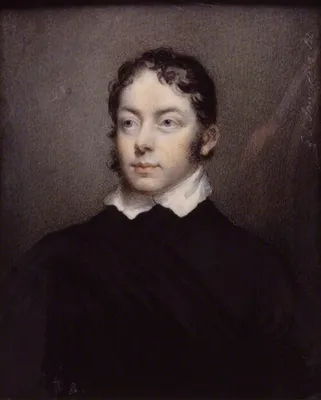
Matthew Lewis
Matthew David Lewis (born 27 June 1989) is an English actor. He is best known for his role as Neville Longbottom in the Harry Potter film series.
💡 Why Read This Book?
Embark on a descent into the heart of spiritual darkness and forbidden desire. 'The Monk' is essential for seekers of profound Gothic literature, scholars of occult symbolism, and practitioners exploring the nature of temptation and spiritual warfare. It offers a chilling exploration of corrupted faith and the seductive power of the infernal, revealing hidden truths about the human condition.
⭐ Reader Reviews
Honest opinions from readers who have explored this book.
❓ Frequently Asked Questions
What is the main theme of 'The Monk'?
The novel's central theme is the catastrophic fall of a seemingly virtuous monk, Ambrosio, due to religious hypocrisy, forbidden desires, and the insidious influence of infernal powers. It explores the corrupting nature of unchecked authority and the vulnerability of the human spirit.
Is 'The Monk' considered an occult novel?
Yes, 'The Monk' is widely regarded as a seminal work of supernatural and occult fiction. It features explicit elements of demonic pacts, sorcery, and the supernatural, making it a key text in the development of Gothic literature with strong occult undertones.
Who was Brother Ambrosio?
Brother Ambrosio is the protagonist of 'The Monk.' He is a highly respected and seemingly devout monk of the Capuchin order in Madrid, known for his piety and asceticism, whose reputation serves as a stark contrast to his hidden depravity and eventual descent into sin.
What historical period does 'The Monk' depict?
The novel is set in late 18th-century Spain, a period marked by strong Catholic influence and societal anxieties. This setting provides a backdrop for exploring themes of religious hypocrisy and the potential for corruption within powerful institutions.
What makes 'The Monk' a 'romance'?
The term 'romance' in the title refers to the literary genre of the time, emphasizing adventure, heightened emotion, and often supernatural elements, rather than a modern love story. It signifies a tale of grand scope, marked by peril and intense psychological drama.
🔮 Key Themes & Symbolism
The Corrupting Nature of Power and Authority
Lewis masterfully dissects how absolute power, particularly within religious institutions, breeds hypocrisy and moral decay. The revered status of Brother Ambrosio grants him an aura of invincibility that, ironically, becomes the very foundation for his precipitous fall. The novel illustrates how unchecked authority can shield depravity, allowing sin to fester beneath a veneer of sanctity, ultimately demonstrating that even the most sacred spaces can harbor the most profound corruption when power is wielded without true spiritual accountability.
Forbidden Desire and the Demonic Pact
At the heart of 'The Monk' lies the potent allure of forbidden desire, both carnal and supernatural. Ambrosio's repressed lust and ambition are expertly manipulated by demonic forces, leading him to forge a pact with the devil. This theme explores the perilous consequences of indulging suppressed urges and the seductive power of the infernal bargain. The novel studies the psychological and spiritual ramifications of such a pact, illustrating how the pursuit of forbidden pleasures can lead to utter damnation and the disintegration of the soul.
Religious Hypocrisy and Spiritual Deception
Matthew Lewis casts a critical eye upon the institution of the Church, exposing the pervasive religious hypocrisy that can mask deep-seated corruption and moral compromise. The novel contrasts the outward show of piety with the inner turmoil and depravity of its characters, particularly Ambrosio. This theme serves as a stark warning against blind faith and the dangers of placing absolute trust in outward appearances, urging readers to scrutinize the true nature of devotion and the potential for spiritual deception within any hierarchical structure.
💬 Memorable Quotes
Direct passages from the work, attributed to the author.
“The more I think, the more I doubt; and the more I doubt, the more I am certain that nothing is certain.”
— This reflects a descent into existential doubt and nihilism, a common consequence of confronting profound moral and spiritual crises, where established truths crumble under scrutiny.
“The Devil is a gentleman.”
— A chilling observation that highlights the seductive and often sophisticated nature of evil, suggesting that temptation can come in a polished, appealing, and seemingly reasonable form.
“Man's fate is in his own hands.”
— This statement, though seemingly empowering, takes on a darker resonance within the novel, implying that the choices made, even under duress or manipulation, ultimately lead to one's predetermined, often tragic, outcome.
💡 Key Ideas
Editorial paraphrase of the work's core concepts — not direct quotes.
The passions are the same in all mankind, though they may be disguised by the dress of the monk or the robes of the king.
This quote underscores the universality of human desires, suggesting that external appearances or social roles are superficial and cannot suppress fundamental human urges, whether virtuous or sinful.
The world is a dungeon, and life is but a long sentence.
This quote expresses a profound sense of despair and entrapment, viewing existence itself as a form of punishment, a perspective often adopted by characters facing overwhelming hardship or spiritual despair.
🌙 Esoteric Significance
Tradition
While not explicitly tied to a single esoteric tradition, 'The Monk' strongly speaks to themes found in demonology, witchcraft lore, and dualistic philosophies that explore the eternal conflict between divine and infernal forces. It reflects a fascination with the occult arts, pacts with dark entities, and the power of forbidden knowledge, common threads in various Western esoteric traditions that grapple with the shadow aspects of existence and the human psyche.
Symbolism
The novel is rich with symbolism: the monastery itself represents a corrupted sanctuary, a gilded cage for repressed desires. Ambrosio's fall symbolizes the fragility of the spiritual path when confronted by primal urges. The spectral figures and demonic manifestations embody the subconscious fears and temptations that plague humanity. The recurring motif of the bleeding nun, for instance, symbolizes guilt, martyrdom, and the enduring presence of past sins, illustrating how the past actively haunts the present.
Modern Relevance
In an era still grappling with issues of institutional corruption, the nature of temptation, and the influence of dark forces (both external and internal), 'The Monk' remains remarkably relevant. Its exploration of the psychological impact of repression, the allure of forbidden knowledge, and the consequences of moral compromise speaks to contemporary concerns about power dynamics, ethical boundaries, and the persistent human struggle with the shadow self. The novel serves as an enduring allegory for the dangers of unchecked ambition and the seductive power of the infernal.
👥 Who Should Read This Book
This chilling classic is indispensable for scholars of Gothic literature and the occult, offering a foundational text for understanding the genre's development. For spiritual seekers and practitioners, 'The Monk' provides a profound, albeit dark, exploration of temptation, the nature of sin, and the battle for the soul, serving as a powerful cautionary tale. Beginners to the macabre will find a thrilling narrative filled with suspense and supernatural elements, while those drawn to psychological depth will be captivated by the intricate unraveling of Ambrosio's descent. It is for anyone interested in the potent interplay of faith, desire, and the infernal.
📜 Historical Context
Published in 1796, 'The Monk' emerged during the height of the Gothic literary movement and a period of significant social and religious upheaval across Europe. The late 18th century saw growing skepticism towards established religious and political authorities, fueled by Enlightenment ideals and the burgeoning French Revolution. Matthew Lewis, often dubbed 'Monk' Lewis, tapped into contemporary anxieties about corruption within the Catholic Church, particularly its monastic orders, and the perceived dangers of superstition and unchecked power. The novel's sensationalism and exploration of taboo subjects like forbidden desire and demonic influence reflected a broader cultural fascination with the dark, the irrational, and the sublime, pushing the boundaries of literary acceptability and solidifying the Gothic genre's reputation for shock and psychological intensity.
📔 Journal Prompts
Reflect on a time when you felt a conflict between societal expectations and personal desires. How did you navigate this internal tension?
Consider the concept of 'forbidden knowledge.' What knowledge do you believe is inherently dangerous, and why?
Analyze the symbolism of the monastic setting in 'The Monk.' How does it contribute to the novel's themes of hypocrisy and confinement?
Explore the idea of a 'demonic pact' in a metaphorical sense. What are the modern equivalents of trading one's soul for power, pleasure, or recognition?
How does the novel portray the relationship between outward piety and inner corruption? What are the signs that might indicate such a disparity in individuals or institutions today?
🗂️ Glossary
Gothic Novel
A literary genre characterized by elements of horror, mystery, and romance, often featuring dark settings, supernatural occurrences, and intense psychological drama. 'The Monk' is a quintessential example.
Asceticism
A lifestyle characterized by abstinence from worldly pleasures and the pursuit of spiritual goals through self-discipline and self-denial. Ambrosio is initially portrayed as an ascetic monk.
Infernal
Relating to hell or the underworld; devilish. In 'The Monk,' this refers to the forces and influences associated with demonic powers and damnation.
Hypocrisy
The practice of claiming to have moral standards or beliefs to which one's own behavior does not conform. This is a pervasive theme within the novel's portrayal of religious figures.
Supernatural
Attributed to some force beyond scientific understanding or the laws of nature. The novel is replete with supernatural events and characters, including demons and ghosts.
This book appears in 1 collection
🔮 Readers Also Liked
Browse all →






From the “Transcendental Meditation” Collection
View all →






More Free Supernatural & Occult Fiction Books
View all →