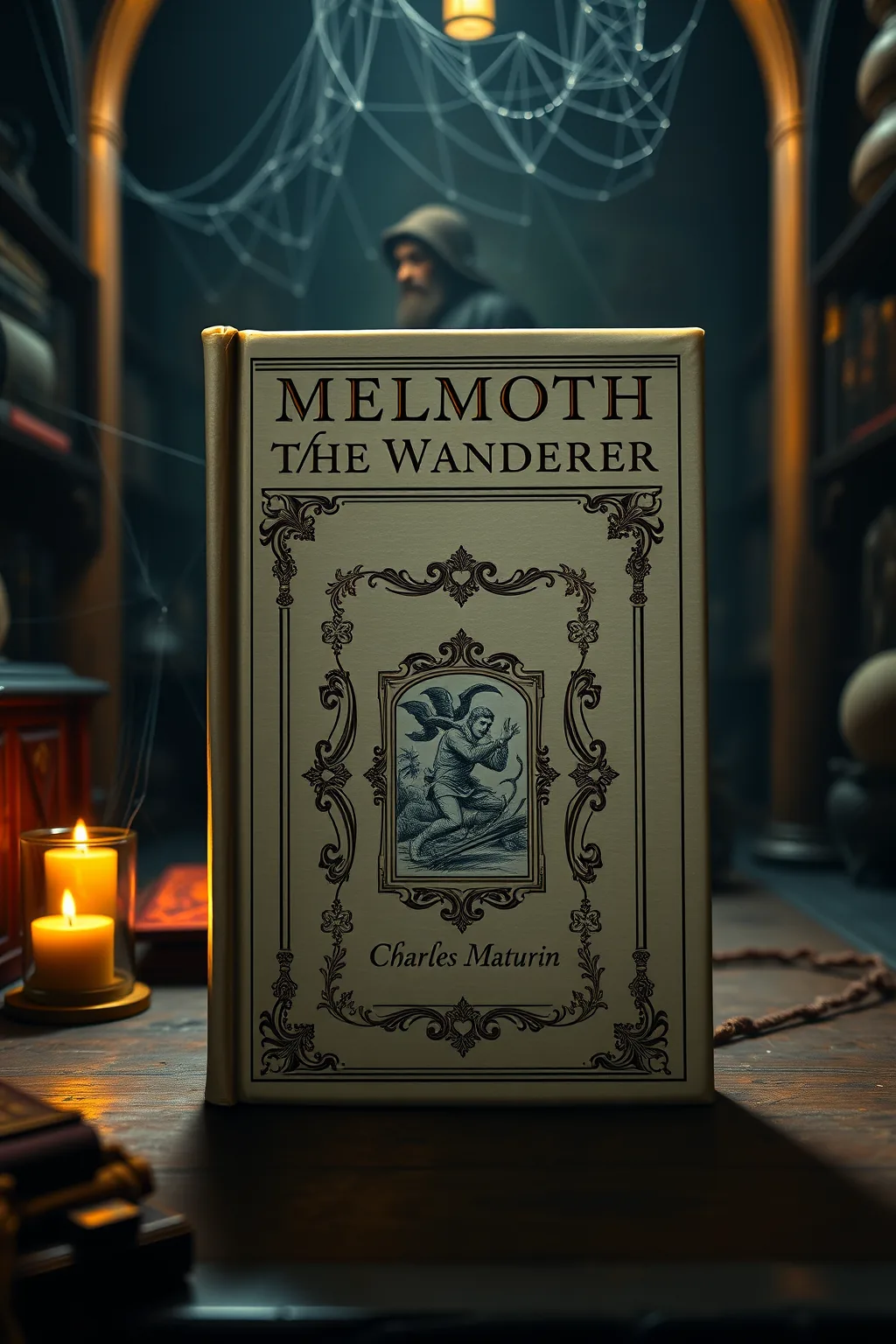
Melmoth the Wanderer
 74
74

Melmoth the Wanderer



Lorelei Sage (Contemplative Literature Editor) — "Melmoth the Wanderer" is a monumental achievement, a Gothic epic that delves into the darkest corners of the human psyche and the eternal struggle between damnation and salvation. Maturin masterfully crafts a narrative steeped in esoteric symbolism, exploring themes of spiritual desolation, the corrupting influence of forbidden knowledge, and the agonizing quest for redemption. Its intricate plot and profound philosophical underpinnings offer rich sustenance for seasoned scholars and intrepid seekers of metaphysical truth. This is a challenging yet profoundly rewarding journey into the soul's deepest anxieties and its enduring hope for transcendence.
📝 Description
74
Charles Maturin's 1820 novel Melmoth the Wanderer concerns an Irishman who sells his soul for immortality.
Melmoth the Wanderer, published in 1820, recounts the tale of an Irishman who makes a pact with the devil for extended life. He wanders the earth for centuries, seeking someone to take his place and release him from his damnation. The novel unfolds through a series of nested narratives, revealing the tragic stories of those who encountered Melmoth or were touched by his pact.
Maturin constructs a sprawling gothic edifice filled with supernatural elements, religious fervor, and intense psychological distress. The narrative explores the devastating consequences of Faustian bargains and the nature of sin and redemption. Its atmosphere is one of deep unease, portraying a world where forbidden knowledge carries a terrible price and the desire for continued existence leads to ruin.
Published in 1820, Melmoth the Wanderer engages with themes prevalent in occult and supernatural literature of the era. It reflects a fascination with Faustian bargains, a motif found in earlier works like Marlowe's Doctor Faustus, and explores the spiritual and psychological repercussions of such deals. The novel's depiction of forbidden knowledge and eternal damnation aligns with a broader Gothic tradition that often used supernatural elements to examine moral and religious anxieties.
✍️ Author
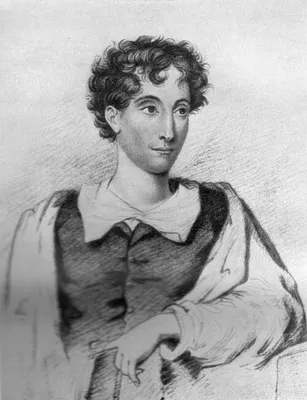
Charles Maturin
Charles Robert Maturin, also known as C. R.
💡 Why Read This Book?
Embark on a soul-stirring odyssey with "Melmoth the Wanderer." This novel offers a profound exploration of existential dread, spiritual pacts, and the relentless pursuit of redemption. Ideal for scholars of esoteric literature, practitioners of spiritual inquiry, and readers who crave narratives that challenge the very fabric of reality and the soul's capacity for both darkness and light. Discover timeless truths within its haunting pages.
⭐ Reader Reviews
Honest opinions from readers who have explored this book.
❓ Frequently Asked Questions
What is the central legend of Melmoth?
Melmoth the Wanderer is a spectral figure who has bartered his soul for an extended lifespan. He eternally roams the earth, compelled to find another soul willing to take on his curse and his unending existence, a transaction fraught with profound spiritual and psychological peril.
Is this book suitable for beginners in Gothic literature?
While considered a masterpiece, "Melmoth" is dense and complex. Its intricate plot and philosophical depth may be more accessible to readers already familiar with the Gothic tradition or those prepared for a challenging intellectual and emotional journey.
What are the main themes explored in the novel?
Key themes include the nature of sin and redemption, the corrupting influence of ambition and despair, the search for spiritual solace, the supernatural consequences of Faustian bargains, and the exploration of isolation and the eternal human condition.
How does "Melmoth the Wanderer" relate to other Gothic novels?
It stands as a pinnacle of the genre, pushing its boundaries with deeper psychological realism and more complex philosophical inquiries than many of its contemporaries. It profoundly influenced later supernatural and existential literature.
What makes this book an 'esoteric' read?
The novel delves into themes of forbidden knowledge, spiritual damnation and salvation, the soul's eternal journey, and the consequences of pacts with infernal forces. It offers symbolic interpretations of human suffering and the quest for transcendence, resonating with esoteric traditions.
🔮 Key Themes & Symbolism
The Eternal Bargain and its Price
Fundamentally, , "Melmoth the Wanderer" dissects the perilous nature of Faustian pacts. Melmoth's extended life is not a gift but an eternal damnation, a constant quest for a soul to share his burden. This theme studies the esoteric understanding of spiritual debt, the corrosive effects of prolonged existence divorced from divine grace, and the ultimate futility of seeking external salvation through infernal means. The narrative explores how such bargains corrupt the very essence of being, leading to profound isolation and an unending cycle of despair.
Spiritual Desolation and the Quest for Redemption
The novel is a stark portrayal of spiritual emptiness and the agonizing, often futile, search for redemption. Melmoth's curse is not merely physical but profoundly spiritual; he is cut off from divine love and forgiveness. His wanderings are a desperate, often self-destructive, attempt to find a path back to grace, mirroring the esoteric concept of the soul's arduous journey through the veils of illusion and sin. The characters he encounters often reflect various stages of spiritual decay and the desperate yearning for absolution, making the narrative a profound meditation on faith and despair.
The Weight of Sin and the Burden of Existence
Maturin masterfully illustrates how sin becomes an unshakeable burden, not just for the individual but for generations. Melmoth's pact casts a long shadow, impacting those around him and perpetuating a cycle of suffering. This speaks to esoteric philosophies that view karma and ancestral lineage as carrying spiritual weight. The novel probes the psychological torment that accompanies guilt and the existential dread of an existence burdened by forbidden knowledge and eternal consequence, forcing readers to confront the wide implications of their choices and actions.
💬 Memorable Quotes
Direct passages from the work, attributed to the author.
“He had sold his soul for the privilege of being damned.”
— A stark and poignant articulation of the ultimate paradox of Melmoth's bargain: gaining eternal life by forfeiting eternal salvation, highlighting the self-destructive nature of ultimate desires.
“Despair is the only feeling which never deceives.”
— This reflects a bleak, yet perhaps esoteric, truth about the reliability of negative emotions when one is detached from illusion or false hope, pointing to a cynical form of enlightenment.
“To be unhappy is to be in danger.”
— Suggests a spiritual vulnerability that arises from a state of profound unhappiness, hinting at how negative emotional states can attract darker influences or hinder spiritual progress.
“The more I have seen of men, the more I have learned to love my dog.”
— An expression of profound disillusionment with humanity, often found in narratives exploring the darker aspects of human nature and the search for purity or unconditional affection elsewhere.
💡 Key Ideas
Editorial paraphrase of the work's core concepts — not direct quotes.
The greatest evil that can befall a man is to have a soul.
This quote hints at the profound burden of consciousness and the potential for suffering inherent in self-awareness, a core tenet in many esoteric philosophies exploring the pitfalls of the ego.
🌙 Esoteric Significance
Tradition
The novel strongly speaks to the Gnostic tradition, particularly its dualistic worldview of a flawed creation and the search for hidden knowledge (gnosis) to escape spiritual bondage. Melmoth's curse can be seen as an allegory for the soul trapped in the material world, seeking liberation from a corrupt demiurge-like force. It also touches upon themes found in Kabbalistic lore concerning the fall of man and the arduous path of rectification, as well as certain interpretations of alchemical processes involving purification through suffering.
Symbolism
The figure of Melmoth himself is a potent symbol of the eternal wanderer, the soul alienated from its divine source, burdened by the sin of existence. His pact represents the ultimate Faustian temptation, a shortcut to power or longevity at the cost of spiritual integrity. The decaying mansions, haunted landscapes, and spectral apparitions symbolize the inner desolation and spiritual corruption that plague the characters. The recurring motifs of imprisonment, escape, and the search for a hidden sanctuary further enrich the symbolic range, pointing towards the esoteric concept of the soul's journey through various realms.
Modern Relevance
In an age of existential anxiety, information overload, and the commodification of experience, "Melmoth the Wanderer" offers a profound, albeit dark, perspective. Its exploration of the consequences of unchecked ambition, the spiritual cost of 'selling out,' and the enduring human need for connection and redemption remain acutely relevant. The novel serves as a timeless cautionary tale about the dangers of seeking external solutions to internal void and encourages introspection into the true nature of fulfillment and the spiritual path, making it a valuable text for contemporary seekers grappling with similar dilemmas.
👥 Who Should Read This Book
Scholars of Gothic and supernatural literature will find "Melmoth" an indispensable text, offering a deep dive into the genre's psychological and philosophical underpinnings. Seekers of esoteric wisdom and occult philosophy will appreciate the novel's strong symbolism and its exploration of spiritual bargains, damnation, and redemption. Practitioners of contemplative practices might find the novel a powerful catalyst for introspection on themes of suffering, desire, and the nature of the soul. While beginners in the Gothic might find its density challenging, those with a robust appetite for profound, unsettling narratives that probe the depths of the human condition and its spiritual implications will be richly rewarded.
📜 Historical Context
Published in 1820, "Melmoth the Wanderer" emerged during the height of the Romantic era, a period marked by a fascination with the sublime, the supernatural, and the darker aspects of human emotion. The novel's Gothic sensibilities—its ruined castles, spectral encounters, and themes of madness and decay—align with the broader literary trends of the time. However, Maturin infused his work with a theological and philosophical depth that distinguished it, drawing upon religious anxieties and the intellectual currents of the Enlightenment's aftermath. The emphasis on individual suffering, the exploration of the supernatural as a manifestation of internal torment, and the profound critiques of societal hypocrisy and religious dogma all reflect the complex intellectual and cultural field of early 19th-century Europe, a time grappling with the legacy of revolution and the search for spiritual meaning.
📔 Journal Prompts
Reflect on the nature of Melmoth's curse: Is it a punishment or a self-inflicted state of being?
Explore the concept of 'selling one's soul' in a modern context. What might that look like today?
Consider the characters who encounter Melmoth. What does their desperation reveal about the human condition?
Write about a personal experience of profound spiritual longing or desolation, drawing parallels to the novel's themes.
Imagine an alternative ending for Melmoth. What path to redemption, if any, could he have taken?
🗂️ Glossary
Faustian Bargain
A pact with the devil or another supernatural entity, typically involving the exchange of one's soul for worldly gain, knowledge, or power. This is a central motif in 'Melmoth the Wanderer'.
Gothic Literature
A literary genre characterized by elements of horror, mystery, romance, and the supernatural, often set in ancient, decaying settings and exploring themes of madness, terror, and the sublime.
Supernatural
That which is beyond the natural order; phenomena attributed to non-physical or divine agencies, often involving ghosts, demons, or other otherworldly entities.
Existentialism
A philosophical movement that emphasizes individual existence, freedom, and choice. It often explores themes of dread, absurdity, and the search for meaning in a meaningless universe.
Redemption
The act of being saved from sin, error, or evil. In a spiritual or religious context, it often implies atonement and reconciliation with a divine power.
This book appears in 1 collection
🔮 Readers Also Liked
Browse all →







From the “Transcendental Meditation” Collection
View all →








More Free Supernatural & Occult Fiction Books
View all →