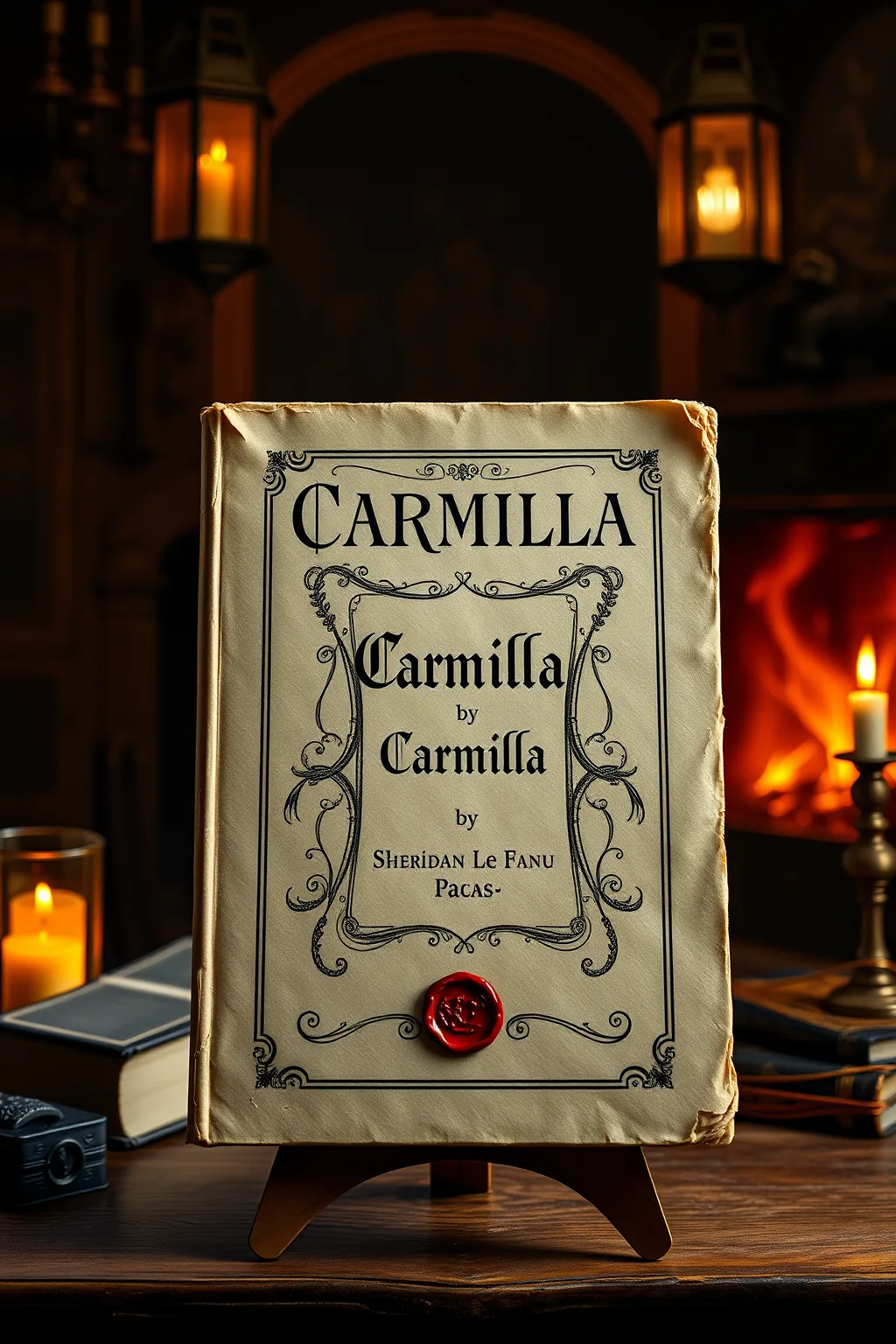
Carmilla
 71
71

Carmilla


Aurelia Blackwood (Occult Philosophy Critic) — Sheridan Le Fanu's 'Carmilla' transcends its Gothic origins to offer profound insights into the esoteric. This novella is a masterful exploration of vampiric symbology, not merely as bloodlust, but as a potent representation of psychic vampirism and the seductive nature of forbidden knowledge. The languid, dreamlike atmosphere perfectly mirrors the descent into unconscious desires and the blurring lines between the living and the spectral. Its strength lies in its nuanced portrayal of influence and dependency, resonating with ancient initiation rites and the spiritual dangers of unchecked allure. Essential reading for scholars of occult literature and those seeking a deeper understanding of the psychological and spiritual dimensions of the supernatural.
📝 Description
71
Sheridan Le Fanu published 'Carmilla' in 1872, a Gothic novella predating Bram Stoker's Dracula.
Set in a remote Styrian castle, 'Carmilla' chronicles the unsettling arrival of a mysterious guest named Carmilla, who disrupts the quiet life of her young hostess, Laura. Carmilla's presence is marked by an unnerving charm and a growing, unspoken connection with Laura, hinting at a deeper, more sinister nature. Le Fanu builds an atmosphere of unease, using exquisite prose to suggest hidden desires and ancient secrets lurking beneath the surface of aristocratic society.
The novella examines vampirism not as a simple monster narrative, but as a symbolic representation of consuming passion and the darker aspects of the subconscious. It questions the boundaries between life and death, and the seductive power of the unknown. 'Carmilla' appeals to those interested in the symbolic underpinnings of classic horror literature and its exploration of the spectral feminine.
Published in 1872, 'Carmilla' emerged during a period of heightened interest in spiritualism and the occult. Le Fanu's work taps into Victorian anxieties surrounding hidden desires and the perceived dangers of female sexuality, framing vampirism as a manifestation of these repressed forces. The novella reflects a broader literary trend of exploring the uncanny and the liminal spaces between the natural and supernatural, often drawing on folklore and esoteric interpretations of forbidden love and possession.
✍️ Author
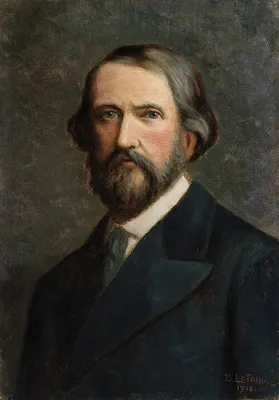
Sheridan Le Fanu
Joseph Thomas Sheridan Le Fanu was an Irish writer of Gothic tales, ghost stories, and mystery novels.
💡 Why Read This Book?
Unravel the veiled secrets of primal desire and psychic influence in Sheridan Le Fanu's 'Carmilla.' This Gothic masterpiece offers a profound, symbolic exploration of vampirism beyond mere horror, delving into the esoteric nature of attraction and forbidden knowledge. Ideal for seekers of hidden meanings, scholars of occult literature, and practitioners intrigued by the psychology of the supernatural.
⭐ Reader Reviews
Honest opinions from readers who have explored this book.
❓ Frequently Asked Questions
What makes Carmilla an esoteric work?
'Carmilla' is considered esoteric due to its symbolic exploration of themes like psychic vampirism, forbidden desire, and the blurring of life and death. It hints at deeper, hidden meanings about influence and the subconscious.
How does Carmilla differ from Dracula?
While both feature vampires, 'Carmilla' predates 'Dracula' and focuses more on the psychological and seductive aspects of vampirism, often interpreted as a metaphor for destructive relationships and forbidden desires, rather than outright monstrosity.
What is the historical significance of Carmilla?
Published in 1872, 'Carmilla' is one of the earliest and most influential vampire stories, predating Bram Stoker's 'Dracula.' It pioneered the portrayal of vampires as seductive and sympathetic, challenging earlier monstrous archetypes.
Who is the intended audience for this novella?
The intended audience includes lovers of classic Gothic literature, those interested in occult symbolism, literary scholars, and readers who appreciate psychologically rich narratives with a supernatural undertone.
Can 'Carmilla' be interpreted in a modern context?
Absolutely. Its themes of toxic relationships, emotional manipulation, and the allure of the forbidden remain highly relevant, offering a lens through which to examine contemporary interpersonal dynamics and societal pressures.
🔮 Key Themes & Symbolism
The Shadow of the Feminine Divine
Carmilla embodies a complex, often terrifying, aspect of the feminine archetype. She represents not just predatory instinct but also a potent, alluring force that awakens latent desires and drives within Laura. This theme examines the esoteric understanding of the feminine principle as a source of both creation and destruction, a conduit for ancient powers and forbidden knowledge that can both enlighten and consume the unprepared soul. Le Fanu hints at a primordial connection between the feminine and the spectral realm, suggesting that certain women can act as gateways to other dimensions of existence.
Psychic Vampirism and Energetic Exchange
Beyond literal bloodlust, 'Carmilla' is a profound exploration of psychic vampirism – the draining of vital energy through emotional manipulation and obsessive connection. This aligns with esoteric traditions that recognize the subtle body and the flow of life force. Carmilla's influence is not just physical but energetic, demonstrating how one individual can siphon the vitality and will of another. This theme invites contemplation on energetic boundaries, the power of suggestion, and the dangers of becoming entangled with entities or individuals who feed on one's life essence, echoing ancient warnings about spiritual parasites.
The Liminality of Life and Death
The novella masterfully blurs the boundaries between the living and the undead, the conscious and the subconscious, the real and the dreamlike. Carmilla's existence exists in a perpetual twilight, a state of 'betweenness' that is both fascinating and terrifying. This liminality is a core concept in many esoteric systems, representing transitional states, thresholds of consciousness, and the permeable veil separating our perceived reality from hidden dimensions. Laura's experiences, filled with unsettling dreams and inexplicable phenomena, mirror the esoteric journey into the unknown, where the familiar rules of existence are suspended.
💬 Memorable Quotes
Direct passages from the work, attributed to the author.
“I had been happy only in my sleep.”
— Suggests a profound dissatisfaction with waking reality and an escape into the dream world, hinting at a subconscious yearning for a different state of being or a hidden truth found only in dreams.
“I felt a strange sensation, a mingling of dread and fascination.”
— Captures the dualistic nature of encountering the unknown or the forbidden, a common experience in esoteric initiations where fear and allure coexist.
“There was something so peculiar in the arrangement of her features.”
— Implies an otherworldly or uncanny quality to Carmilla, hinting at her non-human or spectral nature and her ability to subtly disrupt normalcy.
“Her voice was like the music of the spheres.”
— Elevates Carmilla's allure to a cosmic, almost divine level, suggesting a profound, hypnotic power that transcends ordinary human interaction.
💡 Key Ideas
Editorial paraphrase of the work's core concepts — not direct quotes.
We are all of us doomed to make our own hell.
This quote speaks to the internal nature of suffering and the role of individual choices in creating one's own psychological or spiritual torment, a core tenet in many esoteric philosophies of self-mastery.
🌙 Esoteric Significance
Tradition
While not explicitly tied to a single tradition, 'Carmilla' resonates deeply with Gnostic themes of forbidden knowledge and the seductive nature of the 'other.' It also echoes concepts found in Hermeticism concerning the potent influence of the astral plane and the dangers of uncontrolled desire. The novella can be seen as a narrative allegory for the soul's encounter with its shadow self or with entities from lower astral realms, emphasizing the need for discernment and inner strength.
Symbolism
The castle symbolizes the isolated psyche, a fortress of the self susceptible to external infiltration. Carmilla herself is a potent symbol of the primal feminine, the shadow aspect of desire, and psychic vampirism – the draining of life force through manipulation. The recurring motif of illness and fever represents the corruption of the vital energy, while the dreams signify the intrusion of the subconscious and the spectral world into waking consciousness.
Modern Relevance
In contemporary society, 'Carmilla' serves as a powerful allegory for emotional abuse, narcissistic personality disorders, and the insidious ways individuals can drain others' energy and autonomy. Its themes of unhealthy attachment, the allure of toxic relationships, and the struggle for self-possession remain profoundly relevant in understanding modern interpersonal dynamics and the importance of maintaining energetic and emotional boundaries.
👥 Who Should Read This Book
This classic novella is essential for scholars of Gothic literature and occult studies seeking foundational texts. Seekers of profound symbolic meaning will find 'Carmilla' a rich source for exploring themes of desire, influence, and the subconscious. Practitioners interested in the psychology of vampirism and energetic dynamics will appreciate its nuanced portrayal. For those new to classic horror, it offers an intelligent, atmospheric introduction to the genre's deeper esoteric currents.
📜 Historical Context
Published in 1872, 'Carmilla' emerged during the height of the Victorian Gothic revival, a period fascinated by the supernatural, the macabre, and the exploration of hidden psychological states. This era saw a surge in interest in spiritualism, occultism, and the darker aspects of human nature, often veiled by societal respectability. Le Fanu, a master of psychological horror, tapped into these anxieties, presenting a vampire narrative that was more about seduction, psychological manipulation, and forbidden desire than brute force. The novella's isolated setting in Styria, a region rich in folklore, further amplified its atmospheric power. It reflected a growing Victorian unease with repressed sexuality and the perceived dangers lurking beneath the veneer of domestic tranquility, foreshadowing the literary explorations of vampirism that would culminate in Bram Stoker's 'Dracula.'
📔 Journal Prompts
Reflect on a time you felt drawn to something or someone that also evoked a sense of unease. How did you navigate that duality?
Explore the concept of 'psychic vampirism' in your own relationships or observations. How can one protect their energetic boundaries?
Consider the symbolism of the isolated castle. What internal 'castles' do you inhabit, and what forces seek to infiltrate them?
Write a dream sequence inspired by Laura's experiences, focusing on the blurring of reality and the presence of an enigmatic figure.
How does the portrayal of Carmilla challenge or affirm your understanding of the feminine archetype in literature and life?
🗂️ Glossary
Gothic Literature
A literary genre characterized by elements of horror, death, and romance, often featuring settings like old castles, supernatural events, and intense emotions.
Novella
A short novel, typically shorter than a novel but longer than a short story, often focusing on a single plot or character arc.
Styria
A historical province in Austria, known for its mountainous landscape and traditional folklore, providing an atmospheric setting for Gothic tales.
Psychic Vampirism
The concept of an individual draining another's emotional or psychological energy through manipulation, dependency, or negative influence, rather than literal blood.
Liminality
A state of being in-between, a threshold or transitional phase, often associated with ambiguity, uncertainty, and the potential for transformation.
This book appears in 1 collection
🔮 Readers Also Liked
Browse all →






More by Sheridan Le Fanu
All books →


From the “Transcendental Meditation” Collection
View all →







More Free Supernatural & Occult Fiction Books
View all →