The Imitation of Christ
 77
77

The Imitation of Christ



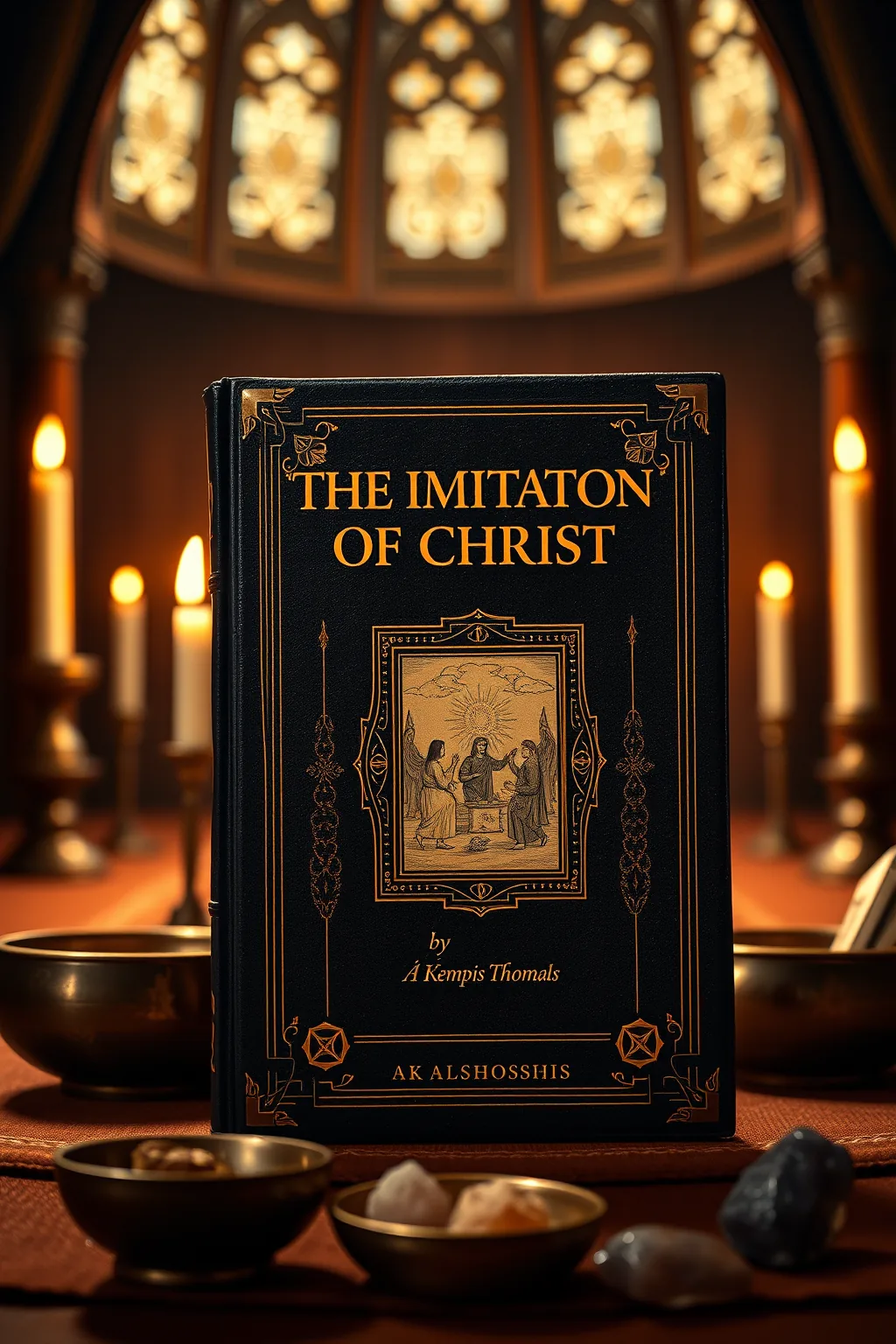
The Imitation of Christ by Thomas à Kempis is a masterpiece of spiritual literature that continues to resonate with modern esoteric seekers. Published in the late Middle Ages, this book offers a profound exploration of Christian mysticism, making it a valuable resource for those interested in the esoteric traditions within Christianity. The text is divided into four books, each focusing on different aspects of spiritual development, from the renunciation of worldly desires to the contemplation of divine love. For contemporary readers, the book's timeless wisdom provides a counterpoint to the fast-paced, materialistic world, encouraging a return to inner reflection and spiritual practice. The language, while archaic, is beautifully poetic and deeply moving, making it a rewarding read for those willing to engage with its historical context. The Imitation of Christ is a must-read for anyone seeking to deepen their spiritual understanding and connect with the mystical traditions of Christianity. Rating: 5/5.
📝 Description
77
Thomas à Kempis wrote 'The Imitation of Christ' around 1418-1427, a spiritual guide with enduring appeal.
Thomas à Kempis's The Imitation of Christ, likely composed between 1418 and 1427, offers a practical manual for Christian living focused on inner devotion. It guides the reader toward a closer relationship with God by emphasizing humility, detachment from worldly desires, and the imitation of Christ's virtues. The text is structured into four books, each addressing a different aspect of spiritual life: practical advice for the spiritual life, reflections on the inner life, a focus on the sacrament of the Eucharist, and a devotional section on the life of Christ. Its language is direct and often aphoristic, aiming to foster personal piety rather than intellectual assent. The book encourages a disciplined spiritual practice, urging readers to cultivate interior silence and obedience to divine will.
This work does not present complex theological arguments but rather offers simple, earnest exhortations for the devout soul. It speaks to the common Christian experience, seeking to transform the ordinary into an occasion for grace. The emphasis is on internal disposition and the will's commitment to following Christ's example. Readers are encouraged to find God in stillness and in the humble performance of daily duties. The Imitation of Christ’s enduring popularity stems from its clear focus on the core of Christian discipleship: a life lived in imitation of Christ.
While not strictly 'esoteric' in the sense of Gnosticism or Hermeticism, The Imitation of Christ belongs to a tradition of Christian mysticism emphasizing direct, personal experience of the divine. Its focus on inner stillness, detachment from the material world, and the cultivation of the soul aligns with contemplative practices found throughout Christian history, particularly within monastic traditions. The book’s guidance toward an interior life and a hidden union with God can be seen as a practical expression of mystical theology, accessible to the devout layperson as well as the cloistered religious.
✍️ Author

à Kempis Thomas
Thomas à Kempis (c. 1380 – 1 May 1471; German: Thomas von Kempen; Dutch: Thomas van Kempen) was a German-Dutch Catholic canon regular of the Augustinians and the author of The Imitation of Christ, one of the best known Christian devotional books.
💡 Why Read This Book?
Reading 'The Imitation of Christ' today offers a unique opportunity to connect with a rich spiritual heritage and gain insights into the esoteric dimensions of Christianity. In an age where spiritual seekers often look to Eastern traditions, this book reminds us of the deep mystical roots within our own Western spiritual traditions. It provides practical guidance on meditation, prayer, and inner reflection, making it a valuable resource for personal spiritual growth. Whether you are looking to deepen your faith or explore the esoteric aspects of Christianity, this book offers a timeless and transformative experience.
⭐ Reader Reviews
Honest opinions from readers who have explored this book.
❓ Frequently Asked Questions
Is 'The Imitation of Christ' suitable for non-Christians?
Yes, while the book is rooted in Christian theology, its themes of spiritual development and inner transformation are universal and can be appreciated by readers of all backgrounds.
What makes 'The Imitation of Christ' an esoteric text?
The book delves into the mystical and spiritual dimensions of Christianity, offering insights into inner transformation and the pursuit of divine union, which are key themes in esoteric studies.
Can I find 'The Imitation of Christ' online for free?
Yes, 'The Imitation of Christ' is available in the public domain and can be downloaded or read online for free from Esoteric Library.
🔮 Key Themes & Symbolism
Inner Contemplation
The book emphasizes the importance of inner contemplation as a means to achieve spiritual enlightenment. It guides readers through the process of self-discovery, encouraging them to look within for answers to life's profound questions.
Symbolism and Allegory
Rich in symbolism and allegory, The Imitation of Christ uses these literary devices to convey hidden knowledge and mystical truths. Each symbol and allegory is carefully crafted to illuminate the path to spiritual awakening.
Divine Connection
The text explores the concept of a deeper connection with the divine, urging readers to transcend the material world and seek a more spiritual existence. It provides insights into the nature of the divine and the methods of attaining a closer relationship with it.
💬 Memorable Quotes
Direct passages from the work, attributed to the author.
“The more we seek God, the more we find Him.”
— It highlights the transformative power of spiritual seeking and the rewards of persistent effort.
“In times of peace prepare for war.”
— It suggests the importance of spiritual preparedness, even in times of tranquility, to face life's challenges.
💡 Key Ideas
Editorial paraphrase of the work's core concepts — not direct quotes.
God is found nowhere more truly than within the human soul.
This quote underscores the book's emphasis on inner contemplation and self-discovery.
The soul that is given to divine love always lives in the light.
This line emphasizes the enlightening effect of divine love on the soul, guiding it towards spiritual illumination.
The highest wisdom is to know oneself.
This quote captures the book's core philosophy of self-knowledge as the path to spiritual enlightenment.
🌙 Esoteric Significance
Tradition
The Imitation of Christ belongs to the mystical and esoteric traditions of Christianity, drawing on ancient Hermetic and Gnostic teachings. It emphasizes the inner journey and the pursuit of hidden knowledge, making it a valuable resource for practitioners of these traditions.
Symbolism
Key symbols in the book include the soul's journey towards the divine, the labyrinth of self-discovery, and the transformative power of divine love. Each symbol is richly layered with meaning, inviting readers to delve deeper into their spiritual understanding.
Modern Relevance
Today, The Imitation of Christ remains a vital resource for modern practitioners of esoteric and mystical traditions. Its timeless wisdom continues to inspire and guide those seeking spiritual enlightenment, offering them insights into the nature of the divine and the path to inner peace.
👥 Who Should Read This Book
Beginners may find the book challenging due to its detailed symbolism and esoteric themes, but it is an invaluable resource for those with some prior knowledge of mystical traditions. Scholars of esoteric literature will appreciate its historical significance and useful insights. Spiritual seekers will find it a guiding light on their journey towards enlightenment, while practitioners of mystical arts will benefit from its deep wisdom and transformative power.
📜 Historical Context
Written in the late medieval period, The Imitation of Christ emerged during a time of significant spiritual and intellectual ferment. The era was marked by a renewed interest in mysticism and esoteric knowledge, with many seeking a deeper connection with the divine amidst the turmoil of the times. Thomas à Kempis' work became an influential guide for spiritual seekers, offering them a path to inner peace and enlightenment. Its enduring popularity and relevance speak to its timeless wisdom and the universal appeal of its messages.
📔 Journal Prompts
Reflect on a moment of inner stillness and how it revealed hidden truths about yourself.
How does the symbolism in The Imitation of Christ resonate with your own spiritual journey?
What does the pursuit of divine connection mean to you in your daily life?
Consider a time when you sought spiritual enlightenment and the challenges you faced.
How can the teachings of Thomas à Kempis help you navigate life's challenges?
🗂️ Glossary
Inner Contemplation
The practice of looking within oneself to find spiritual enlightenment and hidden knowledge.
Symbolism
The use of symbols to convey deeper, often esoteric, meanings and truths.
Allegory
A literary device where characters, events, and settings represent abstract ideas or principles.
Divine Love
The transformative power of love that connects the soul with the divine, leading to spiritual awakening.
Mystical Path
The journey towards spiritual enlightenment through inner exploration and hidden knowledge.
This book appears in 3 collections
🔮 Readers Also Liked
Browse all →





From the “Meditation” Collection
View all →






More Free Spiritual Development Books
View all →