Indian Idylls
 81
81

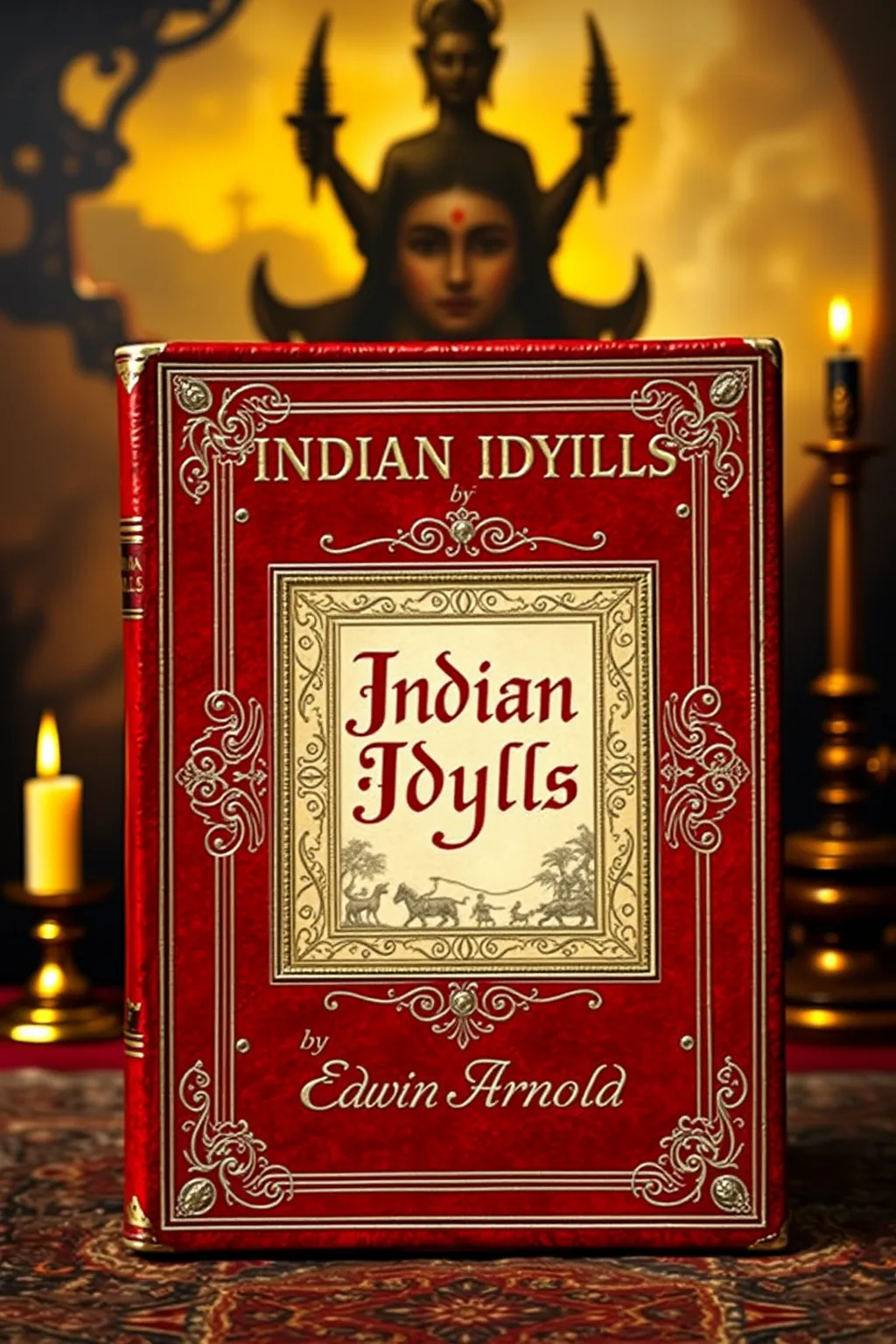
Indian Idylls



Edwin Arnold's 'Indian Idylls' remains a cornerstone for those seeking to bridge the Western and Eastern esoteric traditions. Arnold's poetic artistry transforms the profound philosophical and spiritual insights of the Mahābhārata into accessible, yet deeply resonant, narratives. The idylls of Sâvitrî, Nala-Damayanti, and the 'Night of Slaughter' offer potent allegories for the soul's journey through trials and the pursuit of spiritual gnosis. For seekers of Vedic wisdom and practitioners interested in the archetypal patterns of spiritual development embedded within ancient epics, this work is an indispensable guide, illuminating the subtle energies and moral complexities inherent in the human quest for transcendence.
📝 Description
81
Edwin Arnold published 'Indian Idylls' in 1883, retelling key Mahābhārata episodes.
Edwin Arnold's 'Indian Idylls,' published in 1883, retells significant stories from the Mahābhārata. Arnold's poetic skill brings forth the spiritual struggles and victories of figures like Sâvitrî, Nala, and Damayanti. The collection includes 'The Entry into Heaven,' detailing a soul-stirring ascent.
Each idyll acts as a gateway to understanding existence, karma, and the divine. Arnold transforms the epic narratives into verse intended to inspire introspection and inner clarity. For readers seeking ancient spiritual insights in a modern context, 'Indian Idylls' provides a space for contemplation on universal themes of love, loss, and liberation.
This work engages with the spiritual traditions of India, particularly as found in the Mahābhārata. Arnold's poetic interpretations aim to convey the philosophical and devotional aspects of these narratives. The focus on karma, divine presence, and spiritual liberation aligns with devotional (bhakti) and philosophical (jnana) paths within Hinduism. The book seeks to present these ancient concepts in a way accessible to a Western audience, bridging cultural and spiritual divides.
✍️ Author
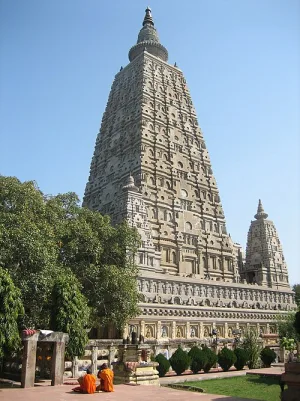
Edwin Arnold
Sir Edwin Arnold was an English poet and journalist, best known for "The Light of Asia".
Buddhist Teacher
💡 Why Read This Book?
Discover timeless spiritual lessons woven into captivating narratives. 'Indian Idylls' offers a lyrical gateway to the profound philosophy of the Mahābhārata, exploring themes of devotion, fate, and spiritual liberation. Ideal for seekers of ancient wisdom, students of comparative religion, and anyone drawn to the mystical beauty of Indian mythology. Experience the enduring power of spiritual journeys retold with exquisite poetic grace.
⭐ Reader Reviews
Honest opinions from readers who have explored this book.
❓ Frequently Asked Questions
What is the Mahābhārata?
The Mahābhārata is one of the two major Sanskrit epics of ancient India, a vast narrative encompassing philosophical discourse, tales of gods and heroes, and profound ethical teachings central to Hindu tradition.
Who was Edwin Arnold?
Edwin Arnold (1832-1904) was an English poet and journalist best known for his poetic translations of Eastern religious and philosophical texts, most notably 'The Light of Asia' and 'Indian Idylls'.
What does 'idyll' mean in this context?
In 'Indian Idylls,' an idyll refers to a short, lyrical, and often pastoral or picturesque poem, here used by Arnold to present select, evocative episodes from the epic Mahābhārata.
Are these direct translations?
No, Arnold's work is a poetic interpretation and retelling, capturing the essence and spirit of the original episodes rather than a word-for-word translation, making them more accessible to a Western audience.
What spiritual themes are explored?
The idylls explore themes of unwavering devotion, divine justice, the consequences of karma, the nature of true love, spiritual trials, and the ultimate ascent towards enlightenment and liberation.
🔮 Key Themes & Symbolism
The Unwavering Devotion (Bhakti)
The idylls deeply explore the concept of Bhakti, or selfless devotion, exemplified by Sâvitrî's relentless pursuit of her husband's soul. This theme highlights the transformative power of pure love and faith in overcoming insurmountable obstacles, not just in the earthly realm but also in the spiritual dimensions, revealing how unwavering devotion can appease divine forces and illuminate the path of righteousness.
Karma and Divine Justice
Arnold masterfully illustrates the intricate workings of karma and divine justice through the trials faced by Nala and Damayanti. Their separation and subsequent suffering serve as potent reminders of the cyclical nature of cause and effect, where actions in this life inevitably shape destiny. The narratives underscore the belief that while fate may be influenced by past deeds, the resilience of the spirit and adherence to dharma can ultimately lead to redemption and reunion.
The Spiritual Ascent and Liberation
The climactic 'The Entry into Heaven' offers a profound vision of spiritual ascent, depicting the soul's journey beyond earthly limitations. This idyll studies the nature of consciousness, the dissolution of ego, and the ultimate attainment of moksha or liberation. It presents a nuanced understanding of spiritual progress, emphasizing that true ascension is not merely a physical journey but a transformation of the inner being, achieved through wisdom, virtue, and detachment.
💬 Memorable Quotes
Direct passages from the work, attributed to the author.
“So love, and love alone, can conquer death.”
— This potent line captures the central theme of Sâvitrî's idyll, suggesting that the power of profound love transcends physical mortality and holds sway even in the face of Yama, the god of death.
“For what is life, but to be loved and love?”
— A simple yet profound assertion of the intrinsic value of love as the fundamental purpose and essence of human existence, highlighting its central role in spiritual fulfillment.
“Wisdom is the light that guides the soul through darkness.”
— Emphasizing the crucial role of knowledge and insight in working through the complexities of life and spiritual growth, positioning wisdom as the essential tool for overcoming ignorance and delusion.
“Truth is the highest virtue, and duty its surest path.”
— A concise statement on the paramount importance of adhering to truth and fulfilling one's righteous obligations (dharma) as the fundamental principles for a virtuous and spiritually aligned life.
💡 Key Ideas
Editorial paraphrase of the work's core concepts — not direct quotes.
The great Wheel turns, and all things come to pass.
This quote speaks to the inexorable law of karma and the cosmic order, suggesting that events unfold according to a grand, predestined pattern, urging acceptance and understanding of life's flow.
🌙 Esoteric Significance
Tradition
Rooted deeply in the Vedic and Puranic traditions of Hinduism, 'Indian Idylls' draws directly from the Mahābhārata, a foundational text containing vast philosophical, ethical, and spiritual teachings. It aligns with the yogic and Vedanta schools of thought, exploring concepts like dharma, karma, reincarnation, and the ultimate realization of the divine (Brahman) within the individual soul (Atman).
Symbolism
The idylls are rich with potent symbolism: Sâvitrî's unwavering vow represents the soul's commitment to truth; the forest trials of Nala and Damayanti symbolize the soul's journey through illusion and adversity; and the celestial ascent signifies the transcendence of the material plane and the merging with divine consciousness, illustrating universal archetypes of spiritual struggle and triumph.
Modern Relevance
In an age often characterized by spiritual seeking and a desire for deeper meaning, 'Indian Idylls' offers enduring wisdom. Its exploration of love, loss, duty, and the quest for enlightenment resonates powerfully, providing timeless perspectives on navigating life's challenges and cultivating inner peace. The book serves as a vital link to ancient spiritual psychology and philosophy, relevant for contemporary practices in mindfulness, ethical living, and personal transformation.
👥 Who Should Read This Book
This book is a treasure for those drawn to the mystical and philosophical depths of ancient India. Beginners beginning their spiritual journey will find accessible yet profound narratives that illuminate core spiritual concepts. Scholars of comparative religion, mythology, and literature will appreciate Arnold's masterful interpretation and its historical context. Practitioners of yoga and meditation may find resonance in the depicted spiritual disciplines and the exploration of consciousness. Ultimately, any seeker yearning for timeless wisdom, poetic beauty, and a deeper understanding of the human spirit's perennial quest for meaning will find 'Indian Idylls' an enriching and inspiring read.
📜 Historical Context
Published in 1883, 'Indian Idylls' emerged during a period of intense Western fascination with Eastern philosophies and religions, fueled by the British Raj and the burgeoning field of Orientalism. Edwin Arnold, already renowned for 'The Light of Asia' (1879), aimed to bridge cultural divides by presenting the wide range of Indian spiritual thought in a poetic idiom accessible to Victorian readers. This era saw a growing interest in Hinduism, Buddhism, and Sanskrit literature, as scholars and mystics sought universal truths beyond the confines of Western dogma. Arnold's work contributed significantly to this intellectual current, popularizing ancient Indian epics and their profound philosophical underpinnings, making them a touchstone for spiritual seekers and scholars alike in the late 19th century.
📔 Journal Prompts
Reflect on a time when unwavering devotion guided your actions, similar to Sâvitrî's quest. What challenges did you face, and how did your devotion sustain you?
Consider the concept of karma as presented in the idylls. How do you perceive the interconnectedness of your past actions, present circumstances, and future possibilities?
The 'Entry into Heaven' depicts a spiritual ascent. What does 'heaven' or ultimate spiritual fulfillment mean to you, and what steps are you taking to move closer to it?
Analyze the relationship between Nala and Damayanti. What lessons about love, loyalty, and enduring hardship can be drawn from their story?
How does the pursuit of truth and righteousness, as depicted in the idylls, inform your own ethical framework and daily decisions?
🗂️ Glossary
Mahābhārata
One of the two major Sanskrit epics of ancient India, a vast narrative of war, philosophy, and dharma, considered a foundational text of Hinduism.
Dharma
In Hinduism, dharma refers to one's duty, righteousness, moral law, and the cosmic order that upholds the universe. It's a fundamental concept guiding ethical conduct and spiritual life.
Karma
The principle of cause and effect, where actions in this life (or past lives) have consequences that influence future experiences and destiny. It is a central tenet of Indian philosophies.
Bhakti
A path of devotion in Hinduism, characterized by selfless love, faith, and surrender to a chosen deity, often seen as a powerful means to spiritual liberation.
Yama
In Hindu mythology, Yama is the god of death and the underworld, often depicted as a judge of the dead who determines their fate based on their karma.
This book appears in 1 collection
🔮 Readers Also Liked
Browse all →









More by Edwin Arnold
All books →





From the “Transcendental Meditation” Collection
View all →


![A LITTLE HISTORY - [ Truth about ] THE SHEPHERDING MOVEMENT](/img/thumb/a-little-history-truth-about-the-shepherding-movement-allan-clare-bill-hamon-ern-baxter-charles-simpson-derek-prince-don-basham-bob-mumford-john-bevere-r-c-sproul-bredesen-juan-carlos-ortiz-bruce-metz.webp)



More Free Spiritual Development Books
View all →