Devi Bhagavata Purana
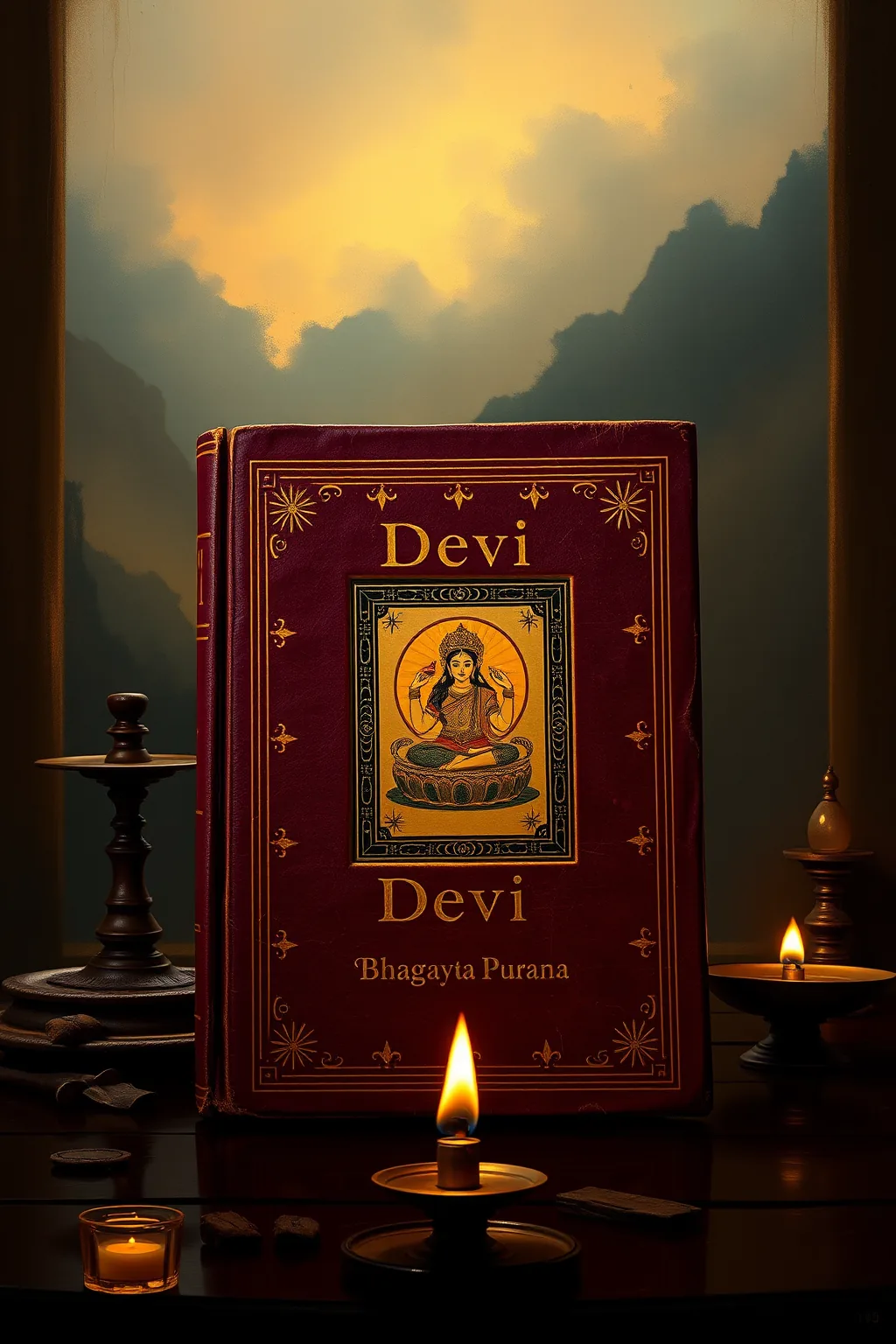
 72
72

Devi Bhagavata Purana


Celeste Moreau (Divination & Symbolism Reviewer) — Swami Vijnanananda’s 1922 translation of the Devi Bhagavata Purana is an indispensable key for unlocking the profound depths of Shakta Tantra. This edition masterfully renders the intricate cosmology and devotional pathways into accessible English, preserving the ancient resonance of the original Sanskrit. Its strength lies in its comprehensive exposition of the Divine Mother’s multifaceted nature, offering practitioners a rich tapestry of rituals, philosophical discourse, and mythological narratives to deepen their connection. It is particularly suited for serious students of Hindu esotericism, yogis, and anyone seeking to explore the powerful feminine principle as the supreme creator and sustainer of the universe.
📝 Description
72
Swami Vijnanananda's 1922 translation of the Devi Bhagavata Purana presents the Divine Mother as the supreme reality.
The Srimad Devi Bhagavata Purana is a significant scripture attributed to Vyasa. Swami Vijnanananda translated this text, which focuses on the sovereignty of the Divine Mother, Devi, as the ultimate reality. The work is organized into twelve Books, detailing devotion, cosmology, and the influence of the Goddess. It also includes insights into the cycles of existence, the appearance of consciousness, and the cosmic energies. This scripture is meant for those who want to grasp the feminine divine as the source of creation.
The 1922 translation opens a path to Shakta philosophy. It explains the structure of the universe and the way to spiritual freedom through dedicated devotion and contemplation of the Mother Goddess. Readers can expect to encounter deep truths about existence and the feminine principle within creation.
The Devi Bhagavata Purana is a Puranic text within the broader Hindu tradition, specifically aligned with the Shakta tradition that venerates the Goddess as the supreme being. It presents a cosmology and philosophy where Devi is the origin and sustainer of all existence, often detailing her manifestations and the methods for her worship. This Purana is considered a key text for understanding the philosophical underpinnings of Goddess worship in India, examining concepts such as Shakti (feminine power) and the divine feminine's role in creation and dissolution. Its teachings guide practitioners toward liberation through focused devotion and understanding of the Goddess's nature.
✍️ Author
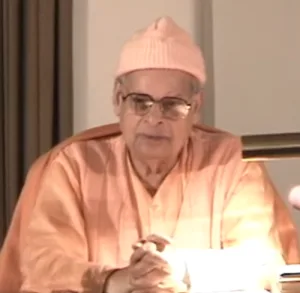
Swami Vijnanananda
Swami Swahananda (29 June 1921 – 19 October 2012) was a senior monk of the Ramakrishna Order, and the minister and spiritual leader of the Vedanta Society of Southern California from 1976 to 2012. He also led the Vivekananda Retreat, Ridgely, and the Vedan…
💡 Why Read This Book?
This seminal text invites seekers to explore the ultimate feminine divine as the supreme reality. It offers profound insights into devotion, cosmology, and the potent manifestation of the Goddess. Ideal for scholars of comparative religion, practitioners of Shakti traditions, and anyone yearning to understand the foundational myths and philosophies of the Divine Mother’s cosmic dominion.
⭐ Reader Reviews
Honest opinions from readers who have explored this book.
❓ Frequently Asked Questions
What is the primary focus of the Devi Bhagavata Purana?
The Devi Bhagavata Purana’s central theme is the glorification of the Divine Mother (Devi) as the supreme, all-pervasive reality, the source and sustainer of the entire cosmos. It emphasizes her multifaceted nature and the power of devotion to her.
Who is considered the author of this Purana?
The text is traditionally attributed to the sage Vyasa, the compiler of the Mahabharata and other Puranas. This particular edition is a translation by Swami Vijnanananda.
What does the term 'Shakta tradition' refer to?
The Shakta tradition is a major branch of Hinduism that venerates the Goddess (Devi) as the supreme being. It explores her various forms, powers, and the spiritual practices associated with her worship.
How is the text structured?
The Devi Bhagavata Purana is divided into twelve Books, or Skandhas, each containing numerous chapters that delve into various aspects of philosophy, mythology, cosmology, and devotional practices related to the Divine Mother.
What makes this translation significant?
Swami Vijnanananda's 1922 English translation is significant for making this complex and profound scripture accessible to a wider audience, preserving its spiritual essence and devotional fervor for English-speaking readers.
🔮 Key Themes & Symbolism
Sovereignty of the Divine Mother
This theme posits the Goddess (Devi) not merely as a deity, but as the primordial, all-encompassing consciousness that is the ultimate source of creation, sustenance, and dissolution. It explores her manifold forms—from benevolent nurturer to fierce protector—as expressions of this singular, supreme reality. The text meticulously illustrates how all cosmic phenomena, from the grandest galaxies to the subtlest human emotions, emanate from and are sustained by her divine will, inviting devotees to recognize her immanence in all existence and to surrender to her supreme power for liberation.
Bhakti as the Supreme Path
At the heart of the Devi Bhagavata Purana lies the transformative power of Bhakti, or selfless devotion. This theme elucidates how through unwavering love, surrender, and sincere service to the Divine Mother, individuals can transcend the limitations of ego, karma, and the cycle of rebirth. The Purana presents myriad examples of sages, kings, and ordinary beings who achieved spiritual enlightenment and divine grace solely through the purity of their devotion. It emphasizes that Bhakti is not mere ritual, but a profound, heart-centered connection that purifies the mind and opens the channels for divine grace and ultimate union with the Goddess.
Cosmic Manifestation and Cycles
The Purana offers a profound cosmological vision, detailing the intricate mechanisms of universal creation, preservation, and dissolution. It unveils the cyclical nature of time and existence, wherein the Goddess orchestrates the grand cosmic drama through her inherent powers. This theme explores the subtle energies, divine blueprints, and cosmic laws that govern the universe, from the genesis of Brahma, Vishnu, and Shiva to the formation of individual souls and material realms. Understanding these cycles provides seekers with a framework for comprehending their place within the grand cosmic order and the impermanence of material existence.
💬 Memorable Quotes
Direct passages from the work, attributed to the author.
“She is the origin of all, the sustainer of all, and the dissolver of all.”
— This captures the absolute, all-encompassing nature of the Divine Mother as the primal cause and ultimate destiny of the universe, highlighting her role in every stage of existence.
“In devotion, there is no distinction of caste, creed, or gender.”
— This emphasizes the universal accessibility of spiritual realization through pure love and surrender, transcending societal barriers and egoic limitations.
“The mind is the battlefield where the eternal war between ignorance and knowledge is waged.”
— This highlights the internal nature of spiritual struggle, positing that true liberation comes from conquering the mind's illusions and cultivating inner wisdom.
“The universe is but a divine play, and the Goddess is the divine actress.”
— This poetic metaphor illustrates the illusory nature of the material world and the supreme Goddess's role as the orchestrator and essence of all manifested reality.
“Through Her grace, the impossible becomes possible.”
— This speaks to the boundless, transformative power of the Divine Mother's compassion and favor, capable of overcoming any obstacle and bestowing divine blessings.
🌙 Esoteric Significance
Tradition
The Devi Bhagavata Purana is the foundational text of the Shakta tradition, a prominent esoteric and devotional path within Hinduism that centers on the worship of the Divine Mother (Devi) as the ultimate, supreme reality. It provides a comprehensive framework for understanding the Goddess not just as a deity, but as the primordial cosmic energy (Shakti) from which all existence arises. Its teachings look at Tantric principles, subtle body energetics, and the yogic disciplines aimed at realizing unity with the Divine Feminine.
Symbolism
This Purana is replete with profound symbolism. The Goddess herself represents primal consciousness, the void from which all forms manifest. Her various weapons symbolize the eradication of negative forces and illusions, while her vehicles represent the control of primal energies. The cyclical narratives of creation and destruction symbolize cosmic processes and the journey of the soul. Concepts like the 'bindu' (primordial point) and 'nada' (cosmic sound) reveal the subtle, energetic basis of manifestation, offering keys to understanding the universe on both macro and micro levels.
Modern Relevance
In an era increasingly seeking balance and reclaiming the feminine archetype, the Devi Bhagavata Purana offers profound relevance. Its emphasis on the Divine Mother as the source of all power and compassion resonates deeply with modern spiritual seekers exploring holistic well-being and empowerment. The text’s teachings on devotion, mindfulness, and cosmic interconnectedness provide practical guidance for navigating contemporary challenges, fostering inner peace, and cultivating a more profound, embodied spirituality that acknowledges the sacred feminine within and without.
👥 Who Should Read This Book
This sacred text is a profound resource for a diverse audience. **Beginners** seeking to understand the core tenets of Hindu devotionalism and the significance of the Divine Mother will find its narratives useful. **Scholars** of comparative religion, Indian philosophy, and mythology will appreciate its comprehensive scope and historical context. **Seekers** yearning for a deeper spiritual connection, particularly those drawn to the feminine divine, will discover a rich source of inspiration and guidance. **Practitioners** of Tantra, yoga, and devotional practices will find invaluable insights into the philosophical underpinnings and esoteric practices related to Shakti worship.
📜 Historical Context
The Devi Bhagavata Purana emerged from the collection of ancient Indian religious thought, likely between the 9th and 12th centuries CE, a period marked by the flourishing of devotional movements and philosophical schools. Its composition reflects a growing emphasis on the worship of the Goddess (Shakti) as the supreme deity, a significant development within the broader Hindu pantheon. This Purana stands as a central to the Shakta tradition, consolidating existing myths, rituals, and philosophical doctrines concerning the Divine Mother. Its integration into the Puranic corpus, a genre of literature comprising narratives about cosmology, genealogies, and religious lore, further cemented its authority. The 1922 translation by Swami Vijnanananda represents a crucial effort to disseminate this profound spiritual text to a global audience, bridging linguistic and cultural divides to share its esoteric wisdom.
📔 Journal Prompts
Reflect on a time you felt the nurturing presence of a 'mother' figure in your life, literal or metaphorical. How did this experience shape you?
The Devi Bhagavata Purana emphasizes the Goddess's immanence in all creation. Identify three everyday objects or natural phenomena and contemplate the divine energy they embody.
Consider the concept of 'surrender' to a higher power. What are your personal resistances to surrender, and how might embracing it, as the text suggests, bring you peace?
The Purana speaks of the Goddess's varied forms. Which aspect of the Divine Mother (e.g., Durga, Lakshmi, Saraswati) resonates most with your current life circumstances, and why?
How can the principle of 'Bhakti' (devotion) be integrated into your daily life beyond formal worship? What small acts of love and service can you offer to the world?
🗂️ Glossary
Devi
The Sanskrit term for 'Goddess,' referring to the Divine Mother as the supreme cosmic power and ultimate reality in the Shakta tradition.
Purana
A genre of ancient Indian literature that contains cosmological stories, genealogies of deities, heroes, and kings, and philosophical and devotional teachings, often in narrative form.
Skandha
A major division or 'book' within a Purana, containing a collection of chapters that address specific themes or narratives. The Devi Bhagavata Purana has twelve Skandhas.
Bhakti
A Sanskrit term meaning 'devotion,' 'love,' or 'attachment,' referring to a spiritual path characterized by selfless love and surrender to a chosen deity.
Shakta
A follower of the Shakta tradition, which venerates the Goddess (Devi) as the supreme being and ultimate source of all existence. Shakti refers to divine feminine energy.
This book appears in 1 collection
🔮 Readers Also Liked
Browse all →








From the “Transcendental Meditation” Collection
View all →








More Free Spiritual Development Books
View all →