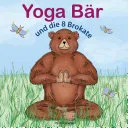
Yoga Bär
 72
72

Yoga Bär
Christine Goerigk's "Yoga Bär" offers a gentle introduction to movement and mindfulness for the very young. The concept of an "Eight Brocades"-inspired bear is charming, and the book's strength lies in its direct, accessible approach to concepts like breathing and relaxation. The integration of physical poses with emotional regulation is well-intentioned, providing a tangible way for children to connect with their bodies. However, the book occasionally leans towards overly simplistic explanations, which might leave older children wanting more depth. A passage describing the bear's "calm breathing" is particularly effective, illustrating the core message clearly. Ultimately, "Yoga Bär" serves as a pleasant, albeit brief, primer on mindful movement for preschoolers.
📝 Description
72
### What It Is Yoga Bär is a children's book designed to introduce young readers to the principles of yoga and mindfulness. It features an anthropomorphic bear as the central character who guides children through simple exercises. The book aims to provide tools for relaxation and self-awareness, making these practices accessible and engaging for a young audience.
### Who It's For This book is primarily intended for children aged 3-4 years and older who may benefit from quiet activities and tools to manage stress or develop self-confidence. Parents, educators, and caregivers seeking resources to foster inner peace and physical awareness in children will also find it valuable. It serves as an entry point for introducing holistic well-being concepts.
### Historical Context Published in 2025, Yoga Bär emerges in an era where mindfulness and yoga for children have gained significant traction. This trend reflects a broader societal interest in mental well-being and non-pharmacological approaches to childhood development, contrasting with earlier 20th-century pedagogical methods that might have focused more on structured play or academic readiness.
### Key Concepts The book centers on the "8 Brokate" (Eight Brocades) of Qigong, adapted for children. These movements are presented as gentle exercises that promote body awareness, calm the mind, and encourage a sense of inner quiet. The narrative uses the relatable figure of the Yoga Bär to illustrate how these practices can help children find moments of peace and build resilience.
💡 Why Read This Book?
• Gain practical, child-friendly exercises based on the "8 Brokate" to foster a child's body awareness and self-confidence, directly inspired by the Yoga Bär's movements. • Discover simple techniques for guided relaxation and breathing, helping children find moments of inner quiet and build emotional regulation skills, as demonstrated by the Yoga Bär's calm demeanor. • Introduce foundational concepts of mindfulness and yoga to children aged 3-4+, creating a positive early association with well-being practices, a core aim of Christine Goerigk's work.
⭐ Reader Reviews
Honest opinions from readers who have explored this book.
❓ Frequently Asked Questions
What age group is Yoga Bär best suited for?
Yoga Bär is recommended for children aged 3-4 years and older. The simple illustrations and gentle exercises are designed to be accessible and engaging for preschoolers, introducing them to yoga and mindfulness concepts.
What are the "8 Brokate" mentioned in the book?
The "8 Brokate" are a series of Qigong exercises adapted for children in Yoga Bär. They are presented as simple movements and breathing techniques aimed at promoting relaxation, body awareness, and inner calm.
Is Yoga Bär a physical yoga practice guide?
While Yoga Bär incorporates movements inspired by yoga and Qigong, it functions primarily as an introductory book for young children. It focuses on the concepts of relaxation, mindfulness, and gentle movement rather than a rigorous physical practice.
Who is the author of Yoga Bär?
The author of Yoga Bär is Christine Goerigk. The book was first published on July 2, 2025.
What is the main goal of the Yoga Bär character?
The Yoga Bär character serves to guide children through exercises that promote relaxation and self-awareness. Its primary goal is to help children develop confidence and find inner peace through simple, enjoyable activities.
Are there any specific benefits for children mentioned?
Yes, the book aims to strengthen the heart and body, enhance body perception, and encourage self-confidence and inner calm in children through its integrated approach to yoga, mindfulness, and movement.
🔮 Key Themes & Symbolism
Mindful Movement for Children
The book introduces children to the practice of mindful movement through the character of Yoga Bär. It emphasizes how gentle exercises, inspired by the "8 Brokate," can help young ones connect with their bodies, develop better physical awareness, and cultivate a sense of calm. This theme highlights the intersection of physical activity and mental well-being, offering a holistic approach tailored for a young audience.
The "8 Brokate" Adaptation
A central theme is the adaptation of the ancient Qigong practice known as the "8 Brokate" for children. The book simplifies these powerful movements and breathing techniques, making them accessible and engaging for preschoolers. This adaptation aims to provide children with practical tools to manage stress and promote inner quiet, framing these traditional exercises as a "small adventure" for the heart and body.
Cultivating Inner Peace
The narrative of Yoga Bär focuses on creating "islands of rest" for children. This theme addresses the growing need for techniques that help children develop self-confidence and inner tranquility in a busy world. By engaging with the Yoga Bär's calming presence and guided exercises, children are encouraged to discover their own capacity for peace and emotional balance.
Childhood Well-being
Yoga Bär explores the holistic well-being of children by combining yoga, mindfulness, and movement. It posits that these integrated practices can strengthen both a child's physical and emotional constitution. The book's gentle illustrations and narrative support this theme by creating a nurturing environment that encourages healthy development and emotional resilience from an early age.
💬 Memorable Quotes
“A bear that doesn't roar, but breathes relaxed.”
— This simple statement encapsulates the core message of the book: the power of calm breathing and relaxation over aggressive or anxious responses. It sets the tone for a gentle, mindful approach to childhood challenges.
“Children need islands of rest.”
— This highlights the book's understanding of childhood needs in a potentially overwhelming world. It frames the yoga and mindfulness practices as essential tools for creating sanctuaries of peace for young minds and bodies.
“The Yoga Bär gives them to them.”
— This phrase emphasizes the nurturing and supportive role of the book's protagonist. The Yoga Bär acts as a guide, actively providing children with the means to achieve relaxation and inner calm.
“Strengthens heart and body.”
— This concise benefit statement suggests a holistic impact of the practices presented. It implies that the exercises contribute to both physical health and emotional resilience, a key aim of the book.
“Invites children to develop self-confidence and inner peace.”
— This points to the developmental goals of the book. Beyond mere relaxation, it aims to empower children with lasting qualities like self-assurance and a stable inner state through engaging activities.
🌙 Esoteric Significance
Tradition
While "Yoga Bär" is presented as a secular children's book, its roots touch upon Taoist Qigong traditions, specifically the "8 Brocades" (Ba Duan Jin). This ancient practice is a form of dynamic meditation and therapeutic exercise aimed at harmonizing the body's vital energy (Qi). By adapting these movements for children, the book introduces a subtle esoteric concept—the cultivation of internal energy and balance—in an age-appropriate manner, linking it to modern concepts of mindfulness and well-being.
Symbolism
The central symbol is the "Yoga Bär" itself. A bear, often representing strength, grounding, and introspection in various cultures, is here recontextualized as a figure of calm and gentle power. The "8 Brocades" function as symbolic movements, each representing a specific energetic pathway or benefit, such as promoting lung health or strengthening the kidneys, all simplified to encourage a child's awareness of their own body's subtle systems.
Modern Relevance
The work resonates with contemporary movements in somatic psychology and trauma-informed care, which emphasize the body's role in emotional regulation and healing. Educators and therapists are increasingly seeking accessible tools like "Yoga Bär" to help children manage anxiety and develop resilience. Its approach aligns with modern pedagogical trends that prioritize holistic child development and the integration of mindfulness into daily routines.
👥 Who Should Read This Book
['• Parents and caregivers seeking simple, engaging methods to introduce their young children (ages 3-4+) to mindfulness and gentle physical activity, fostering early habits of self-regulation.', '• Early childhood educators and preschool teachers looking for practical, low-prep activities that promote calm, focus, and body awareness in the classroom setting.', '• Individuals interested in exploring foundational concepts of Qigong and yoga through an accessible, story-driven format, particularly those new to these practices.']
📜 Historical Context
Christine Goerigk's "Yoga Bär," published in 2025, arrives amidst a burgeoning field of children's wellness literature. Its publication date places it firmly within the early 21st century's increased focus on social-emotional learning and mindfulness techniques for young children. This era saw a significant shift from earlier pedagogical approaches that might have emphasized rote learning or physical discipline. The book's integration of "8 Brokate" Qigong movements reflects a broader trend of Eastern contemplative practices being adapted for Western audiences, particularly for therapeutic and developmental purposes. While not directly engaging with a specific contemporary author in its initial release, "Yoga Bär" taps into the same intellectual currents as popularizers of mindfulness for children like Jon Kabat-Zinn (whose MBSR program gained traction from the 1970s onwards) and various child psychologists advocating for early emotional regulation skills. Its reception is likely to be viewed through the lens of this established, growing market for children's mindfulness resources.
📔 Journal Prompts
The Yoga Bär's relaxed breathing: How does this image influence your own breath awareness?
Reflect on the concept of "islands of rest" for children. What might this look like in practice?
Consider the "8 Brokate" movements. Which one feels most intuitively calming or energizing?
How can the Yoga Bär's approach to non-aggression (not roaring) be applied to everyday childhood interactions?
Explore the connection between body awareness and inner peace as presented in the book.
🗂️ Glossary
Yoga Bär
The central character of the book, a bear who teaches children yoga and mindfulness exercises. Represents calm, relaxation, and gentle strength.
8 Brokate
A series of eight ancient Chinese Qigong exercises adapted for children in the book. They involve gentle movements and breathing techniques to promote health and inner peace.
Achtsamkeit
German for mindfulness. Refers to paying attention to the present moment without judgment, a key concept integrated into the book's exercises.
Entspannung
German for relaxation. The book aims to teach children techniques for achieving physical and mental relaxation.
Körperwahrnehmung
German for body awareness. The ability to sense the position, orientation, and movement of one's body, which the book helps to develop.
Innere Ruhe
German for inner peace or inner calm. A state of mental and emotional tranquility that the book's practices are designed to cultivate in children.
Selbstvertrauen
German for self-confidence. The book aims to help children develop greater self-assurance through mastering simple mindful movements.