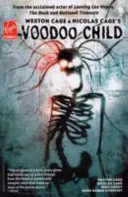
Weston Cage & Nicolas Cage's Voodoo Child
 80
80

Weston Cage & Nicolas Cage's Voodoo Child
Weston Cage's Voodoo Child attempts a grand sweep, linking ancient Chinese sorcery to a present-day global threat. The premise, involving treasure fleets and a sorcerer's plot, is ambitious, offering a unique fusion of history and the occult. The collaboration with John Woo and Mike Carey hints at a certain kinetic energy and narrative depth, though the execution can feel uneven. A particular strength lies in its imaginative scope, envisioning a centuries-old conspiracy manifesting in the modern era. However, the character development for the seven strangers feels somewhat underdeveloped, often serving more as plot devices than fully realized individuals. The narrative's pacing occasionally falters, particularly in sections that could have benefited from more focused exploration of the esoteric lore. Despite these limitations, the core concept of a hidden, ancient evil re-emerging offers a compelling hook for those drawn to mythic thrillers.
📝 Description
80
Voodoo Child, a 2008 graphic novel, weaves a global conspiracy from ancient Chinese sorcery.
This 2008 graphic novel, Voodoo Child, was written by Weston Cage with contributions from John Woo and Mike Carey. The story follows a group of individuals who must stop a centuries-old plot for world domination, initiated by a powerful Chinese sorcerer.
The narrative spans various locations, blending historical events with supernatural threats. It appeals to readers who enjoy mythological thrillers and occult stories that combine historical conspiracies with supernatural elements. Those interested in action-oriented tales featuring ancient prophecies and hidden enemies will find the premise engaging. The book is also suited for audiences curious about East Asian mythology and its connection to Western occult ideas.
The narrative frames a global conspiracy within the historical context of China's Ming Dynasty treasure fleets. These real maritime expeditions are reimagined as the origin point for an ancient, world-threatening sorcerous plot. The story draws on this historical legacy to establish a deep root for its central conflict, presenting a fictionalized account of an 'evil legacy' left behind that sets the stage for a present-day struggle against a powerful sorcerer.
💡 Why Read This Book?
• Gain insight into a unique blend of ancient Chinese sorcery and global conspiracy, as depicted in the narrative's framing of "evil legacy" left by historical treasure fleets. • Experience a story where seven strangers are inexplicably united to confront an ancient evil, exploring themes of fate and interconnectedness relevant to occult narratives. • Discover how historical exploration, specifically the voyages of Chinese treasure fleets, can be re-imagined as the genesis of a supernatural conflict threatening the modern world.
⭐ Reader Reviews
Honest opinions from readers who have explored this book.
❓ Frequently Asked Questions
What is the central conflict in Weston Cage's Voodoo Child?
The central conflict involves seven strangers brought together to stop an ancient Chinese sorcerer's plot for world domination, a malevolent legacy left behind during historical treasure fleet voyages centuries ago.
Who are the main creative forces behind Voodoo Child?
The graphic novel is primarily by Weston Cage, with contributions from acclaimed filmmaker John Woo and writer Mike Carey, first published in 2008.
What historical elements are incorporated into Voodoo Child's plot?
It incorporates the historical Chinese treasure fleets from centuries ago, re-imagining their voyages as the origin of an 'evil legacy' and a sorcerer's plot for global control.
What is the genre of Voodoo Child?
Voodoo Child falls into the esoteric and occult thriller genre, blending elements of global conspiracy, ancient mythology, and supernatural conflict.
Are there specific esoteric traditions referenced in Voodoo Child?
While not explicitly tied to a single tradition, it draws upon themes common in esoteric literature, such as ancient sorcery, hidden plots, and individuals destined to confront powerful evils.
When was Voodoo Child first published?
Voodoo Child was first published in 2008.
🔮 Key Themes & Symbolism
Ancient Sorcery and Global Conspiracy
The narrative is built upon the concept of an "evil legacy" originating from a powerful Chinese sorcerer centuries ago. This ancient malevolence is intricately woven into a present-day global conspiracy aimed at world domination. The work explores how historical events, such as the voyages of the Ming Dynasty treasure fleets, can serve as the genesis for enduring supernatural threats, suggesting that the past's occult forces continue to shape contemporary destinies. This theme positions the story within a lineage of esoteric fiction that posits hidden, magical forces influencing human affairs on a grand scale.
The Seven Strangers
A core tenet of the story is the convergence of seven seemingly unconnected individuals who are brought together to confront the ancient evil. This trope aligns with archetypal narratives found in various esoteric and mythological traditions, where disparate souls are fated to unite for a crucial purpose. The work suggests that destiny or a higher power orchestrates these unions, highlighting the idea that individuals, however ordinary, can be chosen agents against profound darkness. Their collective struggle against the sorcerer's plot emphasizes the power of unity in overcoming overwhelming, ancient evil.
Historical Echoes and Prophecy
Voodoo Child uses historical events, specifically the extensive voyages of China's treasure fleets, as a foundation for its fantastical plot. This approach imbues the narrative with a sense of deep historical resonance, suggesting that ancient actions have long-lasting, supernatural consequences. The story operates on the principle that historical movements can carry hidden spiritual or magical weight, and that these forces can resurface to impact the present. It frames the conflict as a fulfillment of an ancient, perhaps prophesied, struggle against a sorcerous agenda.
The Nature of Evil
The graphic novel posits evil not merely as a human failing but as an ancient, potent force with its own agenda and legacy. The Chinese sorcerer represents this enduring, almost elemental, form of malevolence, seeking not just power but domination rooted in a forgotten era. The narrative explores the persistence of such evil across centuries, suggesting it lies dormant, waiting for opportune moments to manifest. This concept aligns with occult philosophies that view powerful negative forces as entities or energies that can be wielded or unleashed.
💬 Memorable Quotes
“Centuries ago mighty Chinese treasure fleets searched for all the continents.”
— This opening line establishes the historical backdrop and the grand scale of the narrative, grounding the fantastical elements in a real-world historical phenomenon to lend gravitas to the ensuing conflict.
“On these voyages they left behind an evil legacy.”
— This statement introduces the core antagonistic concept: that historical exploration carried with it a dark, supernatural inheritance, setting the stage for a hidden, centuries-long threat.
“A plot by a Chinese sorcerer to dominate the world.”
— This clearly articulates the primary objective of the antagonist, defining the stakes of the narrative as a battle against an ancient, world-conquering magical agenda.
“Seven strangers are brought together six hundred years later to face this evil person.”
— This highlights the narrative's central trope of chosen individuals, emphasizing fate and destiny as forces that unite unlikely heroes against an overwhelming, ancient adversary.
“So save the world.”
— This concise phrase underscores the ultimate purpose and high stakes of the protagonists' mission, framing their collective effort as a global salvation event.
🌙 Esoteric Significance
Tradition
Voodoo Child draws upon a broad, syncretic approach to esoteric themes rather than adhering strictly to a single tradition. It incorporates elements reminiscent of Eastern mysticism and sorcery, combined with Western concepts of hidden conspiracies and predestined heroes. This aligns with a modern tendency in esoteric fiction to blend diverse mythologies and magical systems, creating a unique cosmology. It departs from more rigid traditions by focusing on a fictionalized, grand-scale occult plot rather than the intricate doctrines or practices of a specific lineage like Hermeticism or Gnosticism.
Symbolism
The "evil legacy" itself functions as a potent symbol of persistent, ancient darkness that can lie dormant for centuries, only to re-emerge. The "Chinese sorcerer" represents a archetypal antagonist embodying primal, world-dominating malevolence rooted in forgotten magical practices. The "seven strangers" symbolize the concept of destiny or cosmic orchestration, where individuals are brought together by unseen forces to fulfill a critical role in a cosmic struggle, echoing the idea of the 'hero's journey' across diverse cultures.
Modern Relevance
The work's exploration of ancient conspiracies and hidden forces influencing global events resonates with contemporary interest in alternative histories and secret societies. Thinkers and practitioners in fields like comparative mythology and occult studies might find its imaginative fusion of Eastern and Western esoteric tropes interesting. Its appeal to a modern audience lies in its ability to tap into a desire for narratives that suggest deeper, hidden meanings behind historical events and the potential for extraordinary forces to shape human destiny, a theme explored in various modern spiritual and philosophical circles.
👥 Who Should Read This Book
• Readers interested in occult thrillers and conspiracy narratives that blend historical elements with supernatural plots. • Fans of stories featuring archetypal heroes brought together by fate to combat ancient evils, particularly those who enjoy a global scope. • Individuals curious about fictional explorations of East Asian mythology and its intersection with Western notions of sorcery and hidden magical conflicts.
📜 Historical Context
Published in 2008, Voodoo Child emerged during a period when graphic novels were increasingly recognized for their narrative complexity and thematic depth, moving beyond superhero fare. The work taps into a lineage of esoteric fiction that seeks to uncover hidden histories and occult forces influencing world events, a genre that saw renewed interest in the late 20th and early 21st centuries. Its premise, linking ancient Chinese maritime expeditions to a present-day magical conspiracy, offers a unique angle on the 'ancient evil' trope. While the work itself doesn't appear to have been a major subject of academic reception or censorship, its publication coincided with a broader cultural fascination with conspiracy theories and mythological narratives. It can be seen as engaging with similar thematic territory as authors like Dan Brown, who popularized historical-mystery thrillers, though Voodoo Child leans more heavily into supernatural and occult elements rather than solely historical puzzles.
📔 Journal Prompts
The 'evil legacy' originating from the Chinese sorcerer.
The role of the seven strangers in confronting ancient malevolence.
How historical voyages of Chinese treasure fleets are re-imagined as the genesis of a supernatural plot.
The concept of world domination as the sorcerer's ultimate goal.
Reflect on the idea of seemingly unconnected individuals being 'brought together' by destiny.
🗂️ Glossary
Evil Legacy
A concept in Voodoo Child referring to a lingering, malevolent influence or plot originating from a powerful sorcerer centuries in the past, which continues to pose a threat in the present day.
Chinese Sorcerer
The primary antagonist in Voodoo Child, an ancient magical practitioner whose centuries-old ambition for world domination forms the core of the narrative's conspiracy.
Seven Strangers
A group of individuals in the story, seemingly unconnected, who are brought together by fate or circumstance to confront the ancient evil and thwart the sorcerer's plot.
Treasure Fleets
Refers to the historical Chinese maritime expeditions, particularly those from the Ming Dynasty, which are re-imagined in Voodoo Child as the historical origin point for the narrative's supernatural conflict.
Dominating the World
The ultimate objective of the Chinese sorcerer in Voodoo Child, representing a grand-scale, malevolent ambition that drives the central plot and necessitates the heroes' intervention.
Ancient Malevolence
A descriptor for the enduring and potent evil force that the protagonists must face, originating from a sorcerer and manifesting as a global threat across centuries.
Esoteric Conspiracy
A plot rooted in hidden, magical, or supernatural forces, as depicted in Voodoo Child, where ancient sorcery is used to manipulate events for the purpose of world domination.