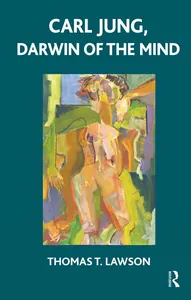
The Titan's Curse

 75
75

The Titan's Curse
Rick Riordan's 2016 entry, The Titan's Curse, continues his established pattern of adapting ancient Greek myth for a modern audience, and it does so with considerable energy. The book excels in its pacing, propelling Percy Jackson and his companions through a series of escalating challenges that feel earned rather than arbitrary. The portrayal of the gods and monsters, while simplified for its target demographic, retains enough of their mythic weight to be engaging. A particular strength lies in how Riordan integrates less commonly known figures, such as the Hesperides, into the central conflict, offering a glimpse beyond the Olympian pantheon. However, the narrative occasionally suffers from a certain predictability, with plot points aligning a bit too neatly to serve the overarching prophecy. The central strength is its accessible reimagining of complex mythologies, but its limitation is the inherent simplification required by its YA format, sometimes glossing over the deeper philosophical implications of its source material. It remains a solid, if not revolutionary, adventure in mythic retelling.
📝 Description
75
The Titan's Curse, published in 2016, is the third novel in Rick Riordan's Percy Jackson series.
This novel follows Percy Jackson, a demigod, as he undertakes a quest to rescue his friends Annabeth and Grover, who have been captured by the antagonist Luke Castellan. The mission involves escorting two powerful demigods, Nico and Bianca di Angelo, to the mysterious Half-Blood Hill. Along the way, Percy and his companions face numerous mythological creatures and challenges, including the terrifying Nemean Lion and the goddess Artemis, who has been turned to stone. The narrative is driven by prophecy and the looming threat of the Titans' return. Riordan's work reinterprets ancient Greek gods and monsters within a contemporary setting, making familiar myths accessible to a new audience.
The book's structure, which relies on prophecy and divine intervention, echoes ancient narratives that sought to explain cosmic order. Percy's journey involves confronting his destiny and grappling with the responsibilities that come with his lineage. The quest tests his courage and resourcefulness, forcing him to make difficult choices. The novel also touches upon themes of loyalty, sacrifice, and the complex relationships between gods and mortals. It continues the overarching plot of the series, building towards a larger conflict with the resurrected Titans.
The Titan's Curse engages with mytho-poetic traditions that use narrative to frame understandings of the cosmos and human destiny. By reintroducing figures from Greek mythology into a contemporary world, Riordan taps into archetypal patterns that have long informed esoteric thought. The book’s focus on prophecy, divine intervention, and the struggle between ancient powers and a new generation mirrors structures found in various mythologies and spiritual traditions that interpret the world through symbolic stories. This approach allows for an exploration of timeless themes like heroism and the nature of good versus evil within a modern framework.
💡 Why Read This Book?
• You will learn how ancient prophecies, like the one concerning the Ophiotaurus, are recontextualized within a modern adventure narrative, offering insight into fate versus free will. • You will experience the symbolic weight of the mythical Garden of the Hesperides and its guardians, understanding their role beyond a simple plot device. • You will grasp the modern interpretation of the Titanomachy, seeing how figures like Atlas are presented in contemporary fiction and their relationship to cosmic order.
⭐ Reader Reviews
Honest opinions from readers who have explored this book.
❓ Frequently Asked Questions
What is the main conflict in The Titan's Curse?
The primary conflict involves Percy Jackson and his friends attempting to rescue their demigod companion, Nico di Angelo, and his sister Bianca, from the clutches of the Titan Kronos, who seeks to overthrow the Olympian gods.
Who is the author of The Titan's Curse?
The author is Rick Riordan, who first published The Titan's Curse in 2016 as part of his Percy Jackson & The Olympians series.
What mythological figures are central to The Titan's Curse?
Central figures include Percy Jackson, the demigod son of Poseidon, the goddess Artemis, the Titan Atlas, and the mythical beast Ophiotaurus, alongside various monsters and gods from Greek mythology.
What is the significance of the Ophiotaurus in the book?
The Ophiotaurus, a creature that is part bull and part serpent, is crucial because an oracle reveals that its entrails, when burned, can either destroy the gods or allow a mortal to defeat a god, making it a powerful object of contention.
How does The Titan's Curse relate to Greek mythology?
The book directly draws from Greek myths, featuring characters like the Olympian gods, Titans, monsters, and demigods, and adapting ancient stories about divine conflicts and heroic quests into a contemporary setting.
When was The Titan's Curse first published?
The Titan's Curse was first published in 2016 by Disney Hyperion, making it the third book in the Percy Jackson & The Olympians series.
🔮 Key Themes & Symbolism
Demigods and Divine Lineage
The work centers on demigods, offspring of Greek deities and mortals, positioning them as crucial agents in conflicts between divine factions. This concept mirrors ancient esoteric traditions where individuals with special heritage or divine connection were believed to play important roles in cosmic events. The narrative explores the burden and power associated with such lineage, suggesting that even in a modern world, ancient bloodlines can shape destiny and destiny's outcomes, echoing ideas found in Gnostic or Hermetic thought about divine sparks within humanity.
Prophecy and Fate
Central to the plot are prophecies delivered by oracles, most notably the Oracle of Delphi, dictating the actions and potential fates of the characters. This theme directly engages with the ancient Greek concept of Moirae (Fates) and the philosophical debates surrounding determinism versus free will. The characters' struggle to understand and act upon prophecies, often with unforeseen consequences, reflects how esoteric systems grapple with cosmic timing and the human capacity to alter or fulfill predetermined paths, drawing parallels to astrological interpretations or Kabbalistic notions of destiny.
The Titanomachy Reimagined
The ongoing conflict between the Olympian gods and the imprisoned Titans forms the backdrop of the story. This reimagining of the Titanomachy, the primordial war described by Hesiod, presents a dynamic struggle for cosmic authority. The narrative explores the cyclical nature of power and rebellion, a concept present in various mythologies and esoteric cosmologies. The presence of figures like Atlas, tasked with bearing the sky, offers a visual metaphor for cosmic responsibility and the weight of ancient forces influencing the present world.
Sacred Geography and Mythic Realms
The narrative traverses locations imbued with mythological significance, such as the mythical Garden of the Hesperides and the entrance to the Underworld. These settings are not merely backdrops but active participants in the plot, guarded by ancient beings and holding potent artifacts. This approach reflects the sacred geography found in many esoteric traditions, where specific places are believed to be conduits to other realms or possess unique spiritual energies, influencing events and initiations.
💬 Memorable Quotes
Direct passages from the work, attributed to the author.
“I couldn't believe that someone would want to destroy the world. That was a lot of responsibility for a Tuesday.”
— This statement highlights the narrative's blend of high stakes and mundane reality. It suggests that even world-altering events can feel jarringly ordinary in the context of a young protagonist's life, underscoring the theme of immense power and responsibility clashing with adolescent experience.
“The gods were always fighting. It was their nature.”
— This observation points to the inherent chaos and conflict within divine realms, a concept explored in many mythologies. It suggests that the struggles of gods are not necessarily about good versus evil, but about fundamental natures and power dynamics, mirroring ancient theological debates.
“The best way to get a monster’s attention was to be near its treasure.”
— This is a practical, albeit dangerous, piece of advice within the narrative. It speaks to the archetypal connection between guardians, sacred objects, and the perils faced by those who seek them, a motif found in quests across various esoteric traditions.
💡 Key Ideas
Editorial paraphrase of the work's core concepts — not direct quotes.
It was strange being friends with the gods.
This line expresses the core premise of the series – the integration of divine beings into contemporary life. It reflects an esoteric interest in the immanence of the divine within the human realm, and the peculiar challenges and privileges that arise from such proximity.
We were not supposed to be heroes. We were supposed to be sacrifices.
This quote looks at the themes of destiny and sacrifice, common in both mythology and esoteric thought. It questions whether characters are agents of their own fate or merely pawns in a larger divine plan, highlighting the tension between predetermination and individual will.
🌙 Esoteric Significance
Tradition
While not explicitly aligned with a single esoteric tradition, The Titan's Curse draws heavily on Hellenistic paganism and its subsequent interpretations. Its engagement with the Olympian pantheon, Titans, and demigods echoes Neoplatonic ideas about divine emanations and the hierarchy of being. The narrative's focus on prophecy and fate also aligns with the divinatory practices and deterministic philosophies found within Hermeticism and some forms of Kabbalah, albeit presented through a modern, accessible lens.
Symbolism
The Ophiotaurus, a creature combining serpent and bull, symbolizes primal forces and potent, often dangerous, potential for transformation or destruction, referencing ancient chthonic deities and alchemical concepts of opposing elements. Atlas, burdened with the sky, represents cosmic responsibility, the weight of primordial forces, and the ancient struggle against celestial order, a motif found in Gnostic cosmologies describing the struggles within the Pleroma.
Modern Relevance
Contemporary thinkers and practitioners in fields like comparative mythology and archetypal psychology, particularly those influenced by Carl Jung, find value in Riordan's work for its accessible portrayal of universal myths. Modern pagan movements and Hellenistic reconstructionists may also reference the series as a cultural touchstone that keeps ancient deities and narratives in public consciousness, fostering interest in the original source materials and their deeper spiritual implications.
👥 Who Should Read This Book
• Young adult readers interested in Greek mythology and adventure stories who are looking for an engaging entry point into classical narratives. • Adult readers exploring archetypal themes in modern fiction, seeking to understand how ancient myths are adapted and interpreted for contemporary audiences. • Educators and parents interested in introducing foundational concepts of Greek mythology and heroism in a format that is both entertaining and accessible.
📜 Historical Context
The Titan's Curse, published in 2016, arrived in a literary landscape where mythological retellings, particularly of Greek myths, were highly popular. Riordan's series, which began in 2005, tapped into a resurgence of interest in classical antiquity that was also evident in film and academic circles. This period saw authors like Madeline Miller gaining traction with adult-oriented myth retellings, while Riordan secured a strong foothold in the young adult market by modernizing these ancient narratives. The work was published during a time when fantasy literature for younger readers often engaged with archetypal themes of heroism and destiny, influenced by figures like J.R.R. Tolkien and C.S. Lewis. While Riordan's work is primarily entertainment, its popularity reflects a broader cultural fascination with the enduring power of ancient stories and their archetypal resonance, even as competing schools of thought focused on more literal historical or philosophical interpretations of classical texts.
📔 Journal Prompts
The prophecy concerning the Ophiotaurus and its potential to destroy gods or empower mortals.
Atlas's eternal burden and its symbolic representation of cosmic responsibility.
The role of the Hesperides and their garden as a guarded, sacred space.
Percy Jackson's struggle to balance his mortal life with his demigod destiny.
The concept of the Underworld and its modern interpretation within the narrative.
🗂️ Glossary
Demigod
An individual who is part mortal and part god, possessing extraordinary abilities inherited from their divine parent. This concept is central to Greek mythology and appears in various esoteric traditions concerning divine lineage.
Titan
In Greek mythology, the Titans were the elder gods who preceded the Olympians. Their imprisonment by Zeus and their ongoing desire for power form a key conflict in the narrative, echoing themes of cosmic order and rebellion.
Oracle of Delphi
The most famous oracle of ancient Greece, believed to be a conduit for prophecies from the god Apollo. In the book, its pronouncements guide and complicate the characters' quests, highlighting themes of fate.
Ophiotaurus
A mythical creature that is half bull and half serpent. Its entrails are said to hold immense power, capable of destroying the gods or allowing a mortal to defeat a god, making it an important plot element.
Hesperides
Nymphs in Greek mythology, daughters of Atlas, who guarded a magical garden containing golden apples. Their role in the book involves protecting a significant item central to the quest.
Underworld
The field of the dead in Greek mythology, ruled by Hades. The book features elements and guardians associated with the Underworld, presenting a modern interpretation of this mythical location.
Titanomachy
The epic war between the Titans and the Olympian gods for dominion of the cosmos. The book revisits this foundational myth, portraying the ongoing consequences of this ancient conflict.
🔮 Readers Also Liked
Browse all →








More by Rick Riordan
All books →




More Free Occult Philosophy Books
View all →