The magic toyshop
 80
80

The magic toyshop
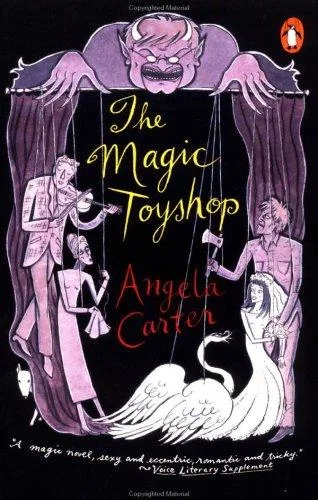
Angela Carter’s "The Magic Toyshop" is a disquieting exploration of psychological entrapment, masquerading as a gothic fable. The novel excels in its creation of a suffocating atmosphere, where the titular toyshop becomes a potent symbol of patriarchal control and manufactured existence. Carter’s prose is undeniably lush, painting vivid, often disturbing, images that linger long after reading. The scene where Uncle Philip forces Melanie to interact with his life-sized, grotesque puppets is particularly effective in its visceral depiction of coercion and the erosion of agency. However, the narrative’s relentless descent into darkness occasionally feels less like a deliberate thematic exploration and more like an exercise in shock value, leaving some characters' motivations and the ultimate resolution feeling underdeveloped. The thematic weight of the novel, while considerable, sometimes presses down too heavily on the plot's forward momentum. Despite these reservations, "The Magic Toyshop" remains a significant work for its ambitious engagement with themes of power, identity, and the uncanny, presented through Carter's unique and formidable literary voice.
📝 Description
80
Angela Carter's 1988 novel, The Magic Toyshop, plunges a young girl into a house of sinister puppetry.
Melanie arrives at her aunt and uncle's house in 1988, only to find a strange and suffocating environment. Her Uncle Philip, once a magician and puppeteer, runs a peculiar "toyshop" with his wife, Aunt Margaret. The narrative charts Melanie's immersion into a surreal world where the lines between reality and illusion blur. Carter uses rich language to depict a disturbing atmosphere where the relationships between creator and creation, and victim and perpetrator, are constantly questioned. The novel is not a simple story but a complex examination of power, control, and the unsettling nature of manufactured realities.
This is a book for readers who appreciate literary fiction that incorporates magical realism and the uncanny. It will engage those interested in psychological depth, fraught family relationships, and explorations of humanity's darker impulses. If you enjoy unsettling imagery and challenging narratives that reward close reading, The Magic Toyshop offers a rich experience. The story operates on multiple symbolic levels, inviting interpretation and thought.
Published in 1988, "The Magic Toyshop" connects to a resurgence of interest in gothic and surrealist modes within English literature. Angela Carter, known for her critical reimagining of fairy tales and her focus on desire and dominance, engaged with the uncanny and subverted traditional storytelling. The novel reflects a broader literary trend where magical or supernatural elements were used to dissect psychological and social themes, pushing against conventional narrative forms and exploring the darker undercurrents beneath seemingly ordinary life.
💡 Why Read This Book?
• Understand the symbolic weight of Uncle Philip's automatons and their connection to patriarchal control, a concept central to understanding power dynamics in late 20th-century literature. • Experience Carter's distinctive prose style, which, as seen in her depiction of the unsettling toyshop environment, offers a unique literary approach to psychological horror. • Analyze the theme of manufactured reality versus authentic experience, exemplified by Melanie's struggle to navigate the illusions presented by her new guardians in their oppressive household.
⭐ Reader Reviews
Honest opinions from readers who have explored this book.
❓ Frequently Asked Questions
What is the central theme of Angela Carter's "The Magic Toyshop"?
The central theme revolves around psychological entrapment and patriarchal control, symbolized by Uncle Philip's sinister toyshop and his manipulation of automatons, forcing characters to confront manufactured realities and the loss of personal agency.
When was "The Magic Toyshop" first published?
Angela Carter's "The Magic Toyshop" was first published in 1988, placing it within a period of significant literary experimentation and gothic revival.
What kind of atmosphere does "The Magic Toyshop" create?
The novel creates a deeply unsettling and claustrophobic atmosphere, blending elements of gothic horror and surrealism within a domestic setting, making the ordinary feel menacing and the fantastical disturbingly real.
Who are the main characters in "The Magic Toyshop"?
The primary characters include Melanie, a young girl sent to live with her aunt and uncle; Uncle Philip, a former magician and puppeteer; and Aunt Margaret, his enigmatic wife, who presides over the sinister toyshop.
Does "The Magic Toyshop" have a feminist interpretation?
Yes, "The Magic Toyshop" is often interpreted through a feminist lens, exploring themes of female agency, objectification, and the subversion of patriarchal power structures, consistent with Carter's broader literary project.
Is "The Magic Toyshop" a horror novel?
While it contains strong elements of psychological horror and gothic suspense, "The Magic Toyshop" is more accurately described as a dark fantasy or magical realist novel that uses horror tropes to explore complex psychological and social themes.
🔮 Key Themes & Symbolism
Patriarchal Control and Objectification
The novel masterfully employs the imagery of Uncle Philip's toyshop, filled with automatons and puppets, as a powerful metaphor for patriarchal structures that seek to control and objectify individuals, particularly women. Melanie's experience of being thrust into this environment highlights the insidious ways power can be exerted through manipulation and the reduction of agency. The mechanical nature of the toys mirrors the dehumanizing effect of oppressive systems, questioning the authenticity of relationships and the very concept of free will when subjected to external force.
Illusion vs. Reality
A pervasive theme is the blurring line between what is real and what is artifice. The toyshop itself is a space where manufactured beings mimic life, and the inhabitants of the house engage in performances that obscure genuine emotion and intent. Melanie's journey is one of navigating this deceptive landscape, attempting to discern truth amidst a barrage of illusions designed to maintain control. This theme invites readers to question their own perceptions and the constructed nature of reality, a common thread in surrealist and magical realist literature.
Childhood Innocence and Corruption
The narrative probes the vulnerability of childhood innocence when confronted with adult darkness and psychological manipulation. Melanie, the protagonist, is thrust into a world far removed from conventional childhood experiences, forcing her to mature rapidly under duress. The novel explores how the purity of a child's perspective can be both a tool for discerning deception and a target for corruption by those who seek to exploit it. This dynamic underscores the novel's unsettling exploration of trauma and psychological survival.
The Uncanny and the Grotesque
Carter excels at invoking the uncanny – the familiar made strange and unsettling. The toys, particularly the life-sized automatons, are presented with a disturbing lifelikeness that verges on the grotesque. This aesthetic choice serves to heighten the psychological tension, making the reader question the boundary between the animate and the inanimate, the natural and the artificial. The unsettling imagery contributes significantly to the novel's dreamlike, yet nightmarish, quality, reflecting anxieties about identity and embodiment.
💬 Memorable Quotes
Direct passages from the work, attributed to the author.
“The toyshop was like a great, dark heart, beating with a mechanical rhythm.”
— This interpretation of the toyshop as a 'beating heart' emphasizes its central, vital role in the narrative's atmosphere of control and artificiality. The 'mechanical rhythm' directly links this life-like quality to the automatons and Uncle Philip's manipulative influence.
“He was a conjurer of illusions, a weaver of false realities.”
— This description of Uncle Philip points to his role as a deceiver and manipulator. It emphasizes his skill in creating artificial worlds and convincing others of their authenticity, a core aspect of his character and the novel's thematic concerns.
“The dolls watched with vacant, glassy eyes, their painted smiles fixed and terrifying.”
— This evocative image underscores the uncanny and grotesque nature of the toys. Their inanimate state combined with human-like features and expressions creates a disturbing effect, symbolizing the unsettling artificiality that permeates the narrative.
💡 Key Ideas
Editorial paraphrase of the work's core concepts — not direct quotes.
She was a doll, a puppet, wound up and set in motion by unseen hands.
This paraphrase captures the essence of Melanie's feeling of powerlessness and objectification. It highlights the theme of external manipulation and the loss of personal agency, suggesting she is merely an object controlled by others.
The air in the house was thick with unspoken things, a miasma of secrets.
This conceptual paraphrase conveys the oppressive and secretive atmosphere of the household. It suggests that the environment itself is charged with hidden tensions and unresolved issues, contributing to the psychological unease of the characters.
🌙 Esoteric Significance
Tradition
While "The Magic Toyshop" does not explicitly align with a single esoteric tradition, it draws heavily on archetypal imagery and psychological landscapes often explored in Gnostic and Hermetic thought. The pervasive themes of illusion versus reality, the creation of artificial life (automatons), and the struggle against oppressive, seemingly omniscient forces echo Gnostic concerns about the material world as a prison and the search for hidden knowledge. The manipulation of puppets can be seen as a symbolic representation of the lower self or external forces binding the spirit, a concept resonant with various mystical traditions.
Symbolism
The toyshop itself functions as a potent symbol of a manufactured reality or a psychic prison, overseen by a figure embodying manipulative control, akin to a demiurge. Uncle Philip's automatons represent the soulless imitation of life, a perversion of creation, and the objectification of consciousness. Melanie's journey through this space symbolizes the soul's struggle for liberation from illusion and external dominion. The oppressive house and its inhabitants further symbolize the entanglements of the ego and the subconscious, where true selfhood is threatened by external forces.
Modern Relevance
Contemporary practitioners of magical realism and dark fantasy literature continue to draw inspiration from Carter's ability to imbue the mundane with the uncanny and to explore psychological depths through symbolic narratives. Her work remains relevant for those interested in feminist witchcraft, exploring themes of reclaiming agency and subverting patriarchal structures through symbolic action and narrative reimagining. Thinkers and artists exploring the nature of artificial intelligence and simulated realities also find resonance in Carter’s prescient portrayal of manufactured beings and controlled environments.
👥 Who Should Read This Book
• Readers interested in psychological horror and gothic literature who appreciate complex symbolism and atmospheric tension. • Students of Angela Carter's work seeking to understand her engagement with themes of power, gender, and the uncanny in her 1988 novel. • Enthusiasts of magical realism and surrealist fiction looking for a narrative that blurs the lines between fantasy and disturbing psychological reality.
📜 Historical Context
Published in 1988, "The Magic Toyshop" emerged from a rich literary landscape in Britain where gothic and surrealist traditions were being re-examined and revitalized. Angela Carter, already celebrated for her feminist retellings of fairy tales like "The Bloody Chamber" (1979), was a significant voice challenging conventional narrative and exploring themes of power, desire, and the subversion of patriarchal norms. The novel arrived during a period when writers like Ian McEwan were also exploring darker psychological territories. While not directly engaging with a specific intellectual movement like postmodernism, Carter’s work often shared its interest in deconstruction and the questioning of grand narratives. The reception of "The Magic Toyshop" frequently highlighted its unsettling content and Carter's distinctive, ornate prose, cementing her reputation for crafting challenging yet artistically accomplished fiction that pushed the boundaries of genre.
📔 Journal Prompts
The oppressive atmosphere of the toyshop and its mechanical inhabitants.
Melanie's perception of reality versus the illusions presented by Uncle Philip.
The symbolic role of Aunt Margaret within the household's power dynamics.
Uncle Philip's manipulation of the automatons as a metaphor for control.
The transformation of childhood innocence when confronted by the grotesque.
🗂️ Glossary
Automatons
Mechanical figures or robots designed to perform tasks or mimic human actions, often used in "The Magic Toyshop" to symbolize manufactured life and external control.
Gothic Fiction
A literary genre characterized by elements of horror, death, and romance, often featuring settings like old castles or mansions, and exploring themes of the uncanny and psychological dread.
Magical Realism
A literary style where magical elements are presented in an otherwise realistic setting, treated as ordinary or mundane by the characters and narrative.
Patriarchy
A social system in which men hold primary power and predominate in roles of political leadership, moral authority, social privilege, and control of property.
Surrealism
A 20th-century movement in art and literature that sought to release the creative potential of the unconscious mind, for example, by the irrational juxtaposition of images.
The Uncanny
A feeling of unease or disquiet arising from something that is strangely familiar yet alien, often associated with the return of the repressed or the blurring of boundaries.
Psychological Entrapment
A state of mental or emotional confinement, often due to manipulation, fear, or oppressive circumstances, where an individual feels unable to escape a particular situation or mindset.
🔮 Readers Also Liked
Browse all →









More by Angela Carter
All books →
More Free Occult Philosophy Books
View all →