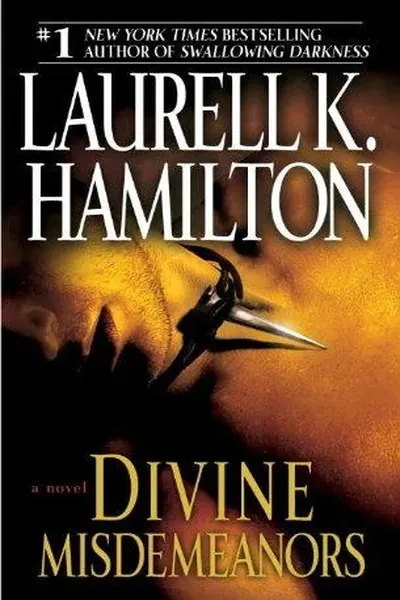
The Laughing Corpse (Anita Blake Vampire Hunter)

 76
76

The Laughing Corpse (Anita Blake Vampire Hunter)
Hamilton's early work, exemplified by *The Laughing Corpse*, demonstrates a keen ability to blend the visceral with the arcane. The novel's strength lies in its unflinching portrayal of Anita Blake’s world; her role as a necromancer and marshal forces a confrontation with the grim realities of supernatural crime. The introduction of Jean-Claude and his coterie injects a potent dose of intrigue and dangerous allure. However, the pacing occasionally falters under the weight of exposition, particularly concerning the complex vampire politics. A particularly effective sequence is Anita's forced confrontation with her own powers and the moral compromises they necessitate, as she grapples with the implications of raising the dead for justice. It’s a gritty, unapologetic entry that lays significant groundwork for the series' evolving mythology.
📝 Description
76
### What It Is
The Laughing Corpse, published in 1994, marks the third installment in Laurell K. Hamilton's Anita Blake Vampire Hunter series. This urban fantasy novel plunges readers into a world where supernatural creatures are not only real but often operate within the fringes of society, sometimes legally, sometimes not. Anita Blake, a necromancer and U.S. Marshal, finds herself entangled in a complex investigation involving a powerful vampire named Jean-Claude and his enigmatic associates.
### Who It's For
This book is suited for readers who appreciate dark, mature fantasy narratives with a strong, no-nonsense protagonist. Fans of paranormal romance will find elements here, though the series evolves significantly in this regard. Those interested in explorations of power dynamics, morality within supernatural contexts, and intricate plotlines involving crime and the occult will find ample material. It’s for those who don’t shy away from violence and complex character relationships.
### Historical Context
Released in 1994, The Laughing Corpse emerged during a period of burgeoning interest in urban fantasy and paranormal romance. The late 20th century saw a shift in how supernatural beings were depicted in literature, moving from Gothic horror archetypes to more complex, often morally ambiguous characters. Hamilton's work, alongside contemporaries like Anne Rice, contributed to popularizing these themes, though Hamilton's focus on a female protagonist with unique powers carved out a distinct niche. The series would go on to influence subsequent waves of paranormal fiction.
### Key Concepts
The narrative delves into the concept of a necromancer's abilities not just as a source of power but as a societal burden and a tool for investigation. It explores the intricate social structures and political maneuvering within the vampire community, particularly through the character of Jean-Claude and his aspirations. The book also touches upon the blurred lines between law enforcement and supernatural entities, questioning the nature of justice when dealing with beings of immense power and longevity.
💡 Why Read This Book?
• You will learn about the intricate, often predatory, social hierarchies within vampire societies as depicted in the novel's St. Louis setting, offering a unique perspective on power dynamics beyond typical folklore. • You will feel the tension of a protagonist, Anita Blake, balancing her necromantic abilities with her role as a U.S. Marshal, exploring the ethical quandaries of using the dead to solve crimes in a world where supernatural law is complex. • You will gain insight into the burgeoning urban fantasy genre of the mid-1990s, specifically how Hamilton began developing her unique blend of supernatural investigation, romance, and dark fantasy elements that would define her series.
⭐ Reader Reviews
Honest opinions from readers who have explored this book.
❓ Frequently Asked Questions
What is Anita Blake's primary supernatural ability in The Laughing Corpse?
Anita Blake's primary supernatural ability in *The Laughing Corpse* is necromancy, the power to raise and control the dead. This allows her to communicate with or command corpses for investigative purposes.
Who is the main antagonist or significant supernatural figure Anita Blake interacts with?
The significant supernatural figure Anita Blake interacts with is Jean-Claude, a powerful vampire who is a major player in the city's supernatural underworld and a potential romantic interest, though his motives are often complex and self-serving.
What is the setting of The Laughing Corpse?
The novel is primarily set in St. Louis, Missouri, a city where supernatural beings and their activities are acknowledged, albeit often with strict regulations and underlying tensions.
When was The Laughing Corpse first published?
*The Laughing Corpse* was first published in 1994, making it an early example of the modern urban fantasy genre's development.
Does The Laughing Corpse focus heavily on romance?
While romantic and sexual tension is present, particularly involving Jean-Claude, *The Laughing Corpse* is more focused on supernatural investigation, action, and Anita's role as a law enforcement officer.
What kind of supernatural creatures are featured in this book?
The book prominently features vampires and necromancers. Other supernatural elements and creatures are implied or exist within the established world of the series.
🔮 Key Themes & Symbolism
Necromancy and Morality
The novel explores necromancy not just as a magical ability but as a profound ethical challenge. Anita Blake, as a necromancer, must constantly navigate the moral implications of wielding power over the dead. This theme is central to her character development, forcing her to confront societal prejudice and her own capacity for darkness. The work questions whether the ends justify the means when using the deceased to uncover truths, particularly in the context of law enforcement and supernatural crime.
Vampire Politics and Power
Jean-Claude and his coven represent a sophisticated, often ruthless, vampire society operating within the human world. The book delves into their internal power struggles, alliances, and the ancient hierarchies that govern them. This aspect moves beyond simple monster tropes, portraying vampires as political entities with complex motivations and long-term agendas, challenging Anita's understanding of the supernatural landscape she polices.
Urban Supernatural Integration
Hamilton depicts a world where supernatural beings exist openly, regulated by laws and forming their own communities. This integration, however, is fraught with tension, prejudice, and exploitation. The novel examines how society adapts to the presence of vampires, necromancers, and others, and the unique challenges faced by those like Anita who bridge the gap between the mundane and the magical.
Protagonist's Dual Identity
Anita Blake's identity as both a U.S. Marshal and a powerful necromancer is a core theme. This duality creates internal conflict and external challenges, as her professional duties often clash with the nature of her powers and the prejudices associated with them. The book explores her struggle to maintain her humanity and professional integrity in a world that often fears and misunderstands her.
💬 Memorable Quotes
“I'm a necromancer. I can raise the dead. I can make them do my bidding.”
— This statement encapsulates Anita Blake's core identity and the source of her unique power within the narrative. It highlights the controversial nature of her abilities and her role in enforcing justice, even when it involves manipulating the deceased.
“Vampires are predators, Anita. They always have been.”
— This quote, likely from a character warning Anita, emphasizes the inherent danger and predatory nature attributed to vampires within the series' lore. It serves as a constant reminder of the risks Anita faces and the fundamental difference between human and vampire existence.
“Jean-Claude wants to control everything. He wants me.”
— This expresses Anita's perception of Jean-Claude's motivations. It points to his manipulative tendencies and his specific interest in her, setting up a central conflict and the complex, often dangerous, relationship between them.
“The dead tell secrets, but they don't always tell the truth.”
— This reflects the nuanced application of Anita's necromantic abilities. While she can extract information from the dead, the interpretation and reliability of that information are not guaranteed, adding a layer of complexity to her investigations.
“I don't want to be a weapon. I want to be a Marshal.”
— This highlights Anita's internal struggle with her powers and her desire for a conventional, lawful life. It underscores her resistance to being solely defined by her necromancy and her commitment to her role as an officer of the law.
🌙 Esoteric Significance
Tradition
While not adhering strictly to a single esoteric lineage, *The Laughing Corpse* draws heavily from themes prevalent in Western occultism, particularly those concerning necromancy and the manipulation of the veil between life and death. It shares conceptual space with folk magic traditions and darker aspects of spiritualism, recontextualizing them within a modern, urban fantasy framework. The book engages with the idea of communicating with the departed, a practice found across many esoteric traditions, but here it's framed through a lens of investigative and sometimes coercive power.
Symbolism
The primary symbols revolve around death and undeath. Corpses themselves become potent symbols, representing not only the ultimate end but also a source of power and knowledge when reanimated by Anita. Vampires, particularly Jean-Claude, symbolize ancient power, seduction, and predatory control. The city of St. Louis acts as a symbol of a world trying to contain and regulate the supernatural, highlighting the constant tension between order and the chaotic forces lurking beneath the surface.
Modern Relevance
Contemporary urban fantasy and paranormal romance owe a significant debt to Hamilton's pioneering work. Authors exploring complex vampire lore, protagonists with morally grey supernatural abilities, and intricate supernatural political systems often build upon the foundations she laid in the 1990s. Anita Blake's journey continues to resonate with readers interested in exploring themes of power, identity, and the challenges of integrating the extraordinary into the ordinary, influencing current trends in dark fantasy and supernatural fiction.
👥 Who Should Read This Book
• Readers interested in the foundational texts of modern urban fantasy, particularly those exploring the evolution of vampire lore and necromancy beyond traditional horror tropes. • Fans of strong, independent female protagonists who operate in morally ambiguous environments and wield unconventional, often feared, supernatural powers. • Individuals drawn to gritty, mature narratives that blend supernatural crime-solving with elements of dark fantasy and complex character relationships, focusing on power dynamics and societal integration of the paranormal.
📜 Historical Context
Published in 1994, *The Laughing Corpse* emerged from the fertile ground of late 20th-century urban fantasy, a genre gaining significant traction. Laurell K. Hamilton's work arrived as authors like Anne Rice had already reshaped the vampire archetype from simple monsters to complex, often seductive beings. However, Hamilton distinguished herself by centering a female protagonist with unconventional powers—necromancy—and placing her in a law enforcement role. This period saw a surge in paranormal romance and dark fantasy, with writers exploring the integration of supernatural elements into modern settings. While not subject to significant censorship, the series' mature themes and graphic content positioned it as distinctly adult-oriented fiction, differentiating it from earlier, more overtly Gothic or horror-focused supernatural tales. Its success contributed to the broader trend of female-led paranormal series that would dominate the genre in the following decade.
📔 Journal Prompts
Anita Blake's necromancy as a tool for justice: where are the ethical lines?
The social hierarchy of vampires: how does Jean-Claude's ambition reflect ancient power structures?
The tension between Anita's role as Marshal and her necromantic identity.
Reflecting on the portrayal of the dead as sources of information or power.
The 'laughing corpse' concept: what does it symbolize in terms of hidden truths or dark humor?
🗂️ Glossary
Necromancer
An individual with the supernatural ability to communicate with, raise, or control the dead. In *The Laughing Corpse*, Anita Blake is a licensed necromancer employed by the U.S. Marshals.
Vampire
Mythological or fictional beings who subsist by feeding on the vital essence (generally blood) of the living. In Hamilton's series, they are often portrayed as powerful, ancient, and possessing complex social structures.
U.S. Marshal
A federal law enforcement officer in the United States. Anita Blake holds this title, giving her a unique position investigating supernatural crimes within a legal framework.
Raising the Dead
The act of animating deceased bodies, typically through magical means. This is a core ability of necromancers, used for investigation or other purposes in the book.
Jean-Claude
A powerful, ancient vampire and a central figure in the St. Louis supernatural community. He serves as both a potential ally and a dangerous antagonist/love interest for Anita.
Supernatural Law
The implied or explicit legal framework governing the interactions between humans and supernatural beings in the novel's world. Anita Blake often operates within or manipulates these laws.
The Veil
A metaphorical barrier separating the world of the living from the world of the dead or spirits. Necromancy often involves interacting with or piercing this veil.