The illustrated Beatus
 78
78

The illustrated Beatus
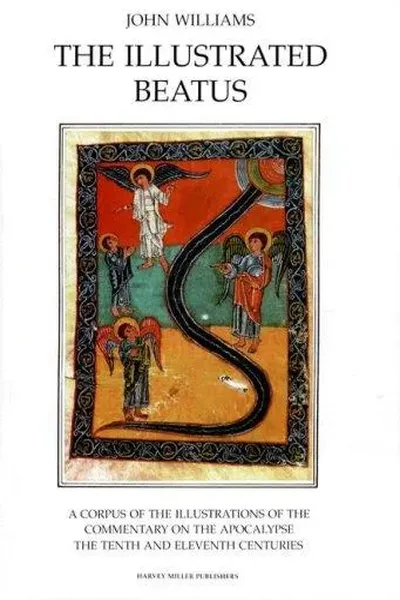
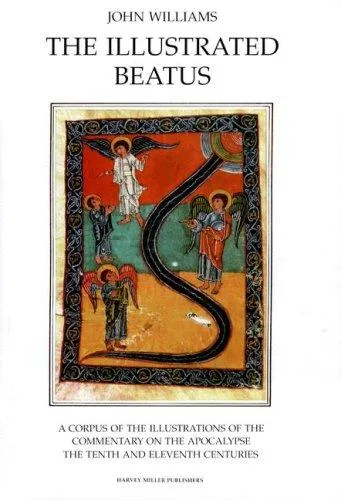
John Williams's "The Illustrated Beatus" offers a meticulous, if somewhat dense, exploration of the Apocalypse of John as rendered through medieval illuminated manuscripts. The strength of this volume lies in its comprehensive cataloging and reproduction of these often-overlooked artistic treasures, providing invaluable visual documentation for scholars. Williams’s scholarship is evident in his detailed analysis of the iconographic development within the Beatus tradition, particularly his discussion of how specific scenes, like the binding of Satan or the Woman clothed with the Sun, evolved stylistically and theologically across different scriptoria and centuries. However, the book occasionally suffers from an overly academic tone that can obscure the profound spiritual and symbolic power of the source material. For instance, the section detailing the variations in the depiction of the Antichrist, while factually thorough, could benefit from a more direct engagement with the psychological and societal anxieties the imagery aimed to address. Williams’s work is a vital resource for art historians and textual scholars, but its direct appeal to those seeking purely devotional or esoteric interpretations might be limited by its scholarly distance. It serves as an exceptional reference, grounding the reader in the visual history of apocalyptic interpretation.
📝 Description
78
John Williams's 1993 study examines the Apocalypse of John through medieval illuminated manuscripts.
This volume scrutinizes the Apocalypse of John, a key text in Christian eschatology. It presents detailed analysis alongside visual reproductions of illuminated manuscripts that depict the apocalyptic visions. The book focuses on how medieval artists and commentators interpreted John of Patmos's prophetic narrative, examining its symbolic language and theological meanings within the context of medieval art.
Academics, art historians, theology students, and those interested in esoteric studies will find this work particularly useful. It appeals to readers who value thorough scholarly research, high-quality reproductions of medieval artwork, and a precise approach to understanding religious texts and their historical dissemination. The book offers a deep dive into the visual and textual history of apocalyptic literature, showing how the Book of Revelation was understood and illustrated over many centuries.
The Book of Revelation, attributed to John of Patmos, has influenced Christian thought, art, and end-times speculation since its late 1st-century CE composition. The "Beatus manuscripts," named after Beatus of Liébana, form a significant tradition of commentary and illustration of Revelation that developed in the Iberian Peninsula between the 10th and 13th centuries. This tradition built upon earlier patristic thought while forging its own distinct iconographic and theological paths.
While rooted in Christian eschatology, the study of the Apocalypse of John and its subsequent artistic interpretations, particularly within the Beatus tradition, touches upon esoteric traditions. These traditions often engage with apocalyptic literature for its symbolic language and its focus on divine revelation and future events. The elaborate iconography developed in these manuscripts can be seen as a visual encoding of complex theological and mystical ideas, resonating with currents of thought that sought deeper, hidden meanings within sacred texts. This work provides a scholarly lens on a tradition that, for centuries, captivated minds with visions of cosmic upheaval and divine judgment.
💡 Why Read This Book?
• Gain specific insights into the medieval interpretation of Revelation by examining the unique iconographic traditions of the Beatus manuscripts, offering visual parallels to eschatological concepts. • Understand the evolution of apocalyptic imagery by tracing the stylistic and thematic changes in manuscript illuminations from the 10th to the 13th centuries, as detailed in the analyses. • Appreciate the historical context of religious belief and artistic expression by studying how John of Patmos's visions were translated into tangible art forms for monastic and aristocratic audiences.
⭐ Reader Reviews
Honest opinions from readers who have explored this book.
❓ Frequently Asked Questions
What is the significance of the Beatus manuscripts mentioned in "The Illustrated Beatus"?
The Beatus manuscripts are a collection of illuminated copies of the Commentary on the Apocalypse by Beatus of Liébana, a Spanish monk from the 8th century. They represent a vital tradition of illustrating Revelation from the 10th to the 13th centuries, offering unique visual interpretations.
When was the original "The Illustrated Beatus" first published?
The original work by John Williams, which this edition builds upon, was first published in 1993. This revised edition offers updated scholarship and potentially new visual material.
What specific biblical text does "The Illustrated Beatus" focus on?
The book centers on the Book of Revelation, the final book of the New Testament attributed to John of Patmos, exploring its prophecies and apocalyptic visions.
Who was John of Patmos and why is his work important?
John of Patmos is traditionally identified as the author of the Book of Revelation. His visions, recorded in the text, have profoundly influenced Christian eschatology, art, and theological thought for centuries.
Does "The Illustrated Beatus" cover the historical reception of the Book of Revelation?
Yes, the work examines the historical reception by focusing on how the Book of Revelation was interpreted and illustrated across different periods, particularly through the extensive tradition of the Beatus manuscripts.
What kind of esoteric traditions does this book engage with?
While primarily a scholarly work on religious texts and art, it engages with Christian esotericism through its deep dive into the symbolic language and apocalyptic visions of Revelation and their medieval interpretations.
🔮 Key Themes & Symbolism
Apocalyptic Iconography
This theme delves into the visual language used to depict the end times as described in the Book of Revelation. It focuses on how medieval artists, particularly those working within the Beatus tradition, translated abstract prophecies into concrete imagery. Specific motifs like the Four Horsemen, celestial phenomena, and angelic/demonic figures are analyzed for their symbolic meaning and stylistic variations across different manuscript exemplars, offering a window into the medieval imagination's engagement with eschatological fears and hopes.
Manuscript Illumination Tradition
The work centers on the specific tradition of the Beatus manuscripts, which flourished in the Iberian Peninsula from the 10th to 13th centuries. This theme explores the scribal and artistic practices involved in creating these richly illustrated commentaries on Revelation. It examines patronage, the transmission of artistic models, and the evolution of stylistic elements, demonstrating how these codices served not just as religious texts but as significant cultural artifacts conveying theological ideas through intricate visual narratives.
Eschatological Interpretation
This theme addresses the theological and philosophical underpinnings of the Book of Revelation's prophecies. It examines how scholars and artists interpreted concepts of judgment, salvation, the Antichrist, and the New Jerusalem. The book highlights how these interpretations were shaped by historical context, patristic writings, and the specific cultural milieu of medieval Europe, offering a nuanced understanding of end-times beliefs and their impact on society and spirituality.
Symbolism of Revelation
Focusing on the rich symbolic language of John of Patmos's text, this theme unpacks the meaning behind figures like the Lamb, the Dragon, and the New Jerusalem. It investigates how these symbols functioned within the religious discourse of the Middle Ages and how their visual representation in the Beatus manuscripts conveyed complex theological doctrines and spiritual messages to a largely illiterate populace.
💬 Memorable Quotes
“The manuscript tradition meticulously documented the visual exegesis of John of Patmos's visions.”
— This paraphrased concept highlights how medieval scribes and artists actively interpreted the Book of Revelation not just through written commentary but through detailed illustrations, creating a visual theology.
“Iconographic conventions for the Whore of Babylon varied significantly across different Beatus exemplars.”
— This observation points to the flexibility and creative adaptation within medieval art, showing that even core figures of apocalyptic literature were rendered differently, reflecting regional styles and specific theological emphases.
“The Apocalypse of John served as a potent source for both theological reflection and artistic innovation.”
— This statement underscores the dual role of Revelation in the Middle Ages: it was a text for deep spiritual and intellectual contemplation, and a vibrant stimulus for the creation of new and compelling visual forms.
“Beatus of Liébana's commentary initiated a significant lineage of illustrated apocalyptic texts.”
— This refers to the foundational role of Beatus's 8th-century work in establishing a widespread and enduring tradition of manuscript illumination dedicated to the Book of Revelation across medieval Europe.
“Celestial imagery in the manuscripts often mirrored contemporary astronomical understanding and anxieties.”
— This suggests a connection between the symbolic depictions of stars, sun, and moon in apocalyptic art and the actual scientific knowledge and fears concerning cosmic events prevalent during the medieval period.
🌙 Esoteric Significance
Tradition
While originating within mainstream Christianity, the Book of Revelation and its subsequent interpretations, particularly as visualized in the Beatus manuscripts, have been adopted and reinterpreted within various esoteric traditions. Its apocalyptic prophecies, symbolic language, and visions of cosmic struggle resonate with Gnostic themes of dualism and eventual triumph of the divine. The intricate symbolism and numerology present in Revelation also find parallels in Hermetic and Kabbalistic thought, offering a framework for understanding spiritual unfolding and divine order.
Symbolism
Key symbols within Revelation, such as the Four Horsemen, the Lamb slain but victorious, and the New Jerusalem, are central to its esoteric appeal. The Horsemen represent forces of chaos and judgment, while the Lamb signifies divine sacrifice and ultimate redemption. The New Jerusalem embodies a perfected spiritual state or realm. These archetypal images provide a rich vocabulary for exploring concepts of transformation, spiritual warfare, and the attainment of higher consciousness within esoteric frameworks.
Modern Relevance
Contemporary esoteric thinkers and artists continue to draw inspiration from the Book of Revelation and its visual traditions. Its themes of societal collapse, spiritual awakening, and the emergence of a new order are frequently referenced in discussions of global transformation and personal spiritual evolution. Movements focusing on conscious evolution, the study of archetypes, and visionary art often find fertile ground in the symbolic narratives and prophetic pronouncements originally articulated by John of Patmos and later visualized by medieval illuminators.
👥 Who Should Read This Book
• Art historians and medievalists specializing in manuscript studies, who will find a comprehensive catalog and analysis of a significant corpus of illuminated texts. • Students of Christian esotericism and apocalyptic literature, seeking a deep dive into the historical visual interpretations of the Book of Revelation. • Scholars of religious iconography and symbolism, interested in how theological concepts were translated into visual narratives during the Middle Ages.
📜 Historical Context
The Book of Revelation, penned by John of Patmos around the end of the 1st century CE, has been a persistent force in Christian thought, generating diverse interpretations and artistic responses. The "Beatus manuscripts," a specific tradition of commentary and illustration originating with the 8th-century monk Beatus of Liébana, became prominent in the monastic centers of the Iberian Peninsula from the 10th to the 13th centuries. This period saw intense religious fervor and the flourishing of manuscript culture. While the broader Christian world engaged with Revelation through various theological commentaries, the Beatus tradition distinguished itself through its prolific and often idiosyncratic visual interpretations. This artistic output occurred concurrently with other significant intellectual currents, such as the development of scholasticism in Northern Europe, though the Beatus works retained a distinctively Iberian flavor. The survival and study of these manuscripts, including those analyzed by John Williams, reveal a fascinating dialogue between text, image, and the evolving spiritual landscape of medieval Europe.
📔 Journal Prompts
The specific depiction of the Dragon in Beatus Manuscript X, how does its visual representation affect your understanding of its symbolic role?
Reflect on the contrast between the textual description of the New Jerusalem and its visual rendering in the manuscripts.
Consider the artistic choices made in illustrating the plagues of Egypt; what emotional or theological impact do they create?
Analyze the symbolic meaning of the 'Woman clothed with the Sun' as presented in a specific Beatus illumination.
How does the visual narrative of the binding of Satan in the manuscripts inform your concept of spiritual struggle?
🗂️ Glossary
Beatus Manuscripts
A group of richly illuminated medieval codices containing commentaries on the Book of Revelation by Beatus of Liébana, primarily from the 10th to 13th centuries in the Iberian Peninsula.
Apocalypse of John
The final book of the New Testament, also known as the Book of Revelation, attributed to John of Patmos, containing prophetic visions of the end times.
Eschatology
The theological study of the end times, including beliefs about the ultimate destiny of humanity, the world, and the divine plan.
Illuminated Manuscript
A handwritten book or document decorated with bright colors and often gold or silver, typically produced in medieval Europe.
Iconography
The visual images and symbols used in a work of art or the study or interpretation of these.
Codex
An ancient manuscript text in book form, consisting of sheets provided with a simple binding.
Exegesis
Critical explanation or interpretation of a text, especially of the Bible.