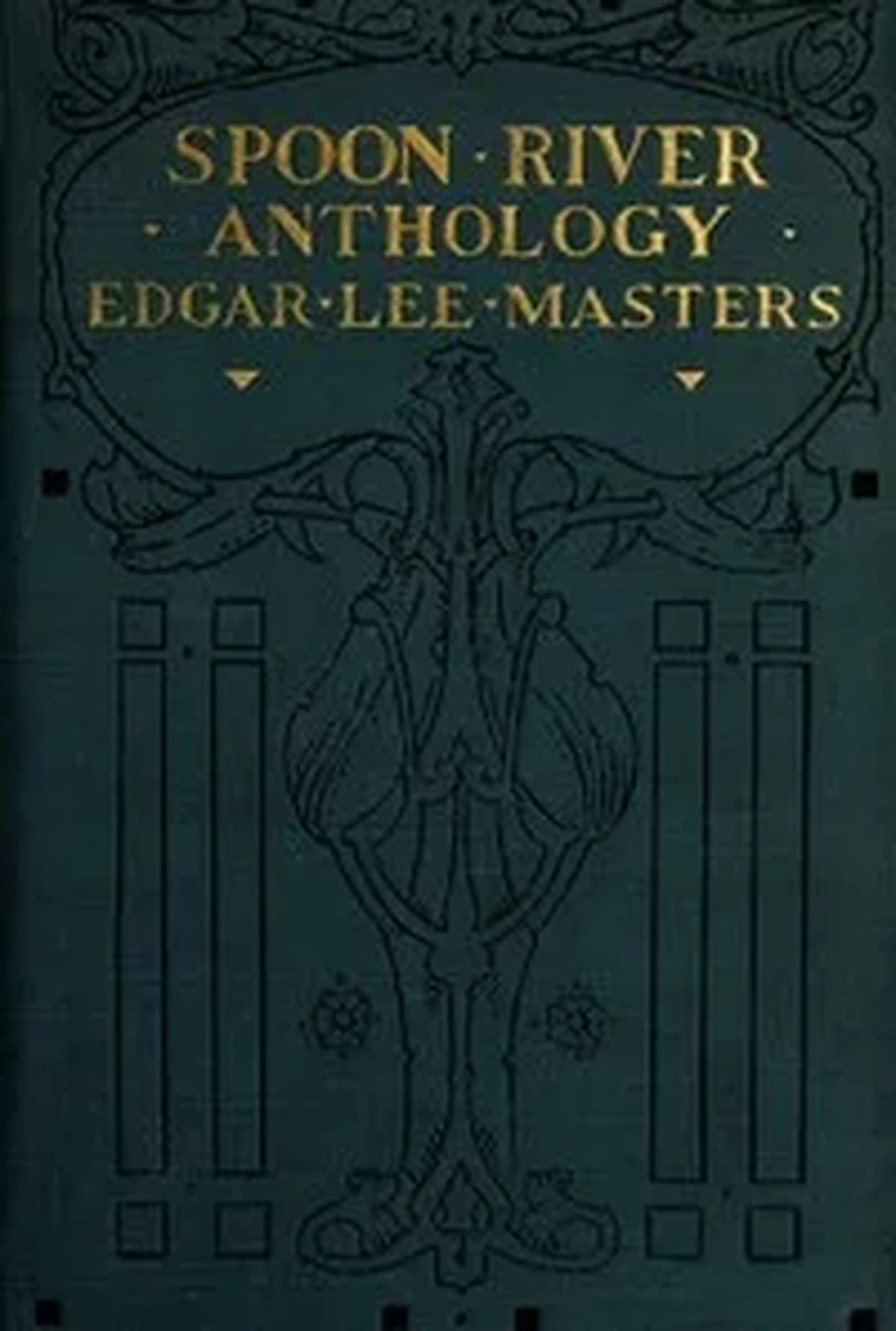
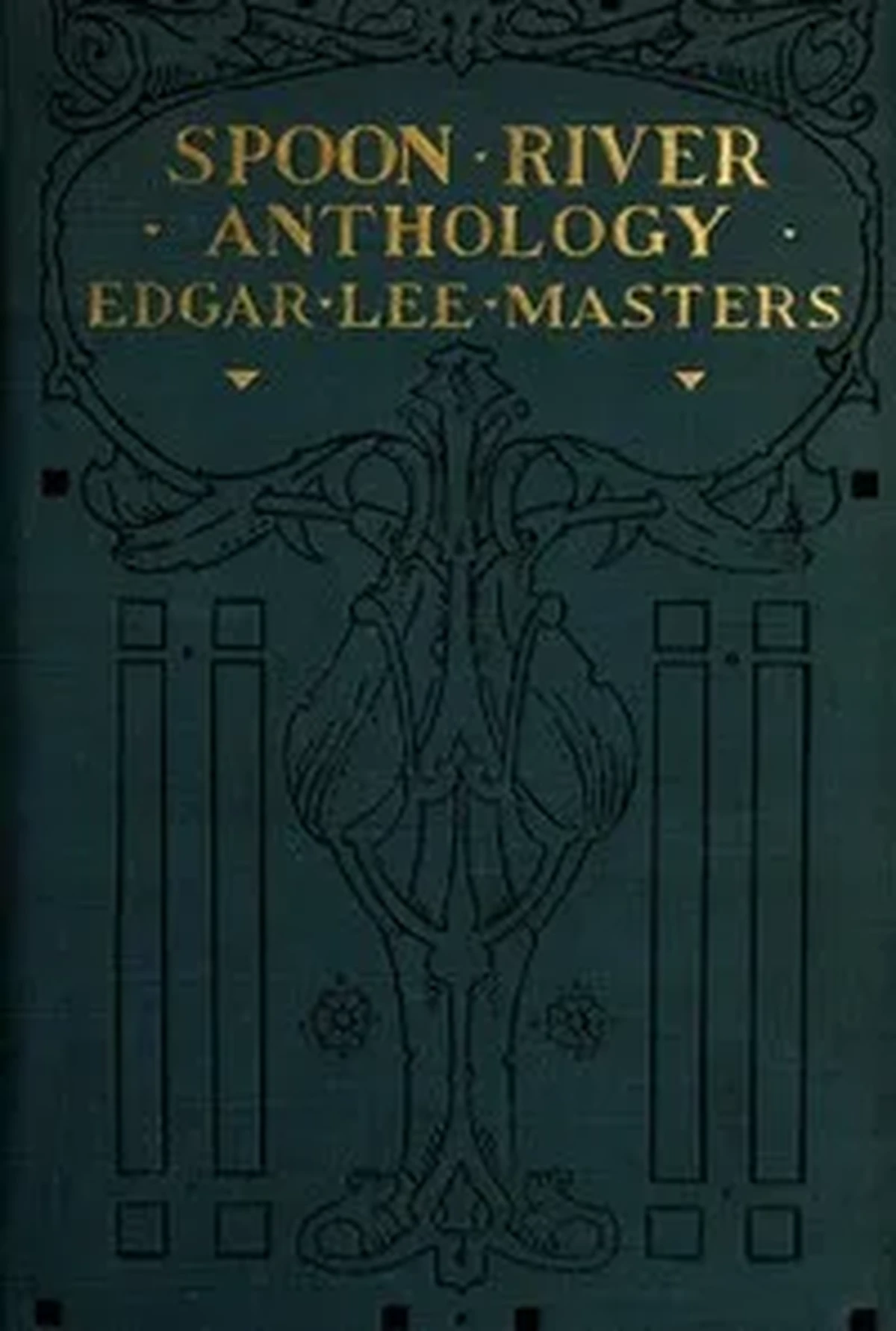
Spoon River Anthology
 78
78

Spoon River Anthology
The "Spoon River Anthology" operates not as a single narrative, but as a vast, interconnected graveyard of souls. Masters’ genius lies in granting voice to the departed, allowing them to confess, explain, and judge from beyond the veil. The sheer volume of distinct personalities conjured, from the stoic farmer to the disillusioned belle, is remarkable. A particular strength is the way seemingly minor characters reveal profound, often tragic, undercurrents that shaped their existence, offering a stark counterpoint to the idealized American dream. However, the cumulative effect can occasionally feel repetitive; the constant stream of confessions, while insightful, sometimes blurs into a singular lament. The poem for Agnes Boon, detailing a life of quiet desperation and unexpressed longing, exemplifies the work's power to uncover the hidden spiritual cost of conformity. It is a vital, if somber, exploration of the lives lived just beneath the surface.
📝 Description
78
### What It Is
Edgar Lee Masters' "Spoon River Anthology," first published in 1915, presents a collection of poetic epitaphs from the fictional graveyard of Spoon River. Each poem is spoken by a deceased resident, revealing their life's stories, secrets, regrets, and aspirations. The work is structured as a series of dramatic monologues, offering a mosaic of American small-town life at the turn of the 20th century. It eschews traditional narrative for a fragmented, confessional style.
### Who It's For
This anthology appeals to readers interested in American literature, poetry, and social commentary. It is particularly suited for those who appreciate character studies and explorations of the human condition through unconventional means. Scholars of early 20th-century American culture, as well as poets seeking inspiration in form and voice, will find substantial material here. Its candid portrayals may also interest those drawn to less idealized views of community.
### Historical Context
"Spoon River Anthology" emerged during a period of significant literary innovation in the United States, alongside movements like Imagism and Free Verse. Published in 1915, it followed Masters' earlier, more conventional poetry. The collection's frankness and portrayal of disillusionment were notable, even controversial, for their time. It appeared in an era where American society was grappling with industrialization and changing social mores, reflecting a growing artistic interest in realism and psychological depth. The work gained considerable attention and influence.
### Key Concepts
The anthology explores themes of hidden lives, unfulfilled desires, the contrast between public appearance and private reality, and the enduring impact of individual lives on a community. It examines the consequences of societal norms, personal choices, and the often-unseen spiritual or psychological landscapes that individuals inhabit. The poems collectively paint a picture of a community bound by shared experience yet divided by individual secrets and unspoken truths.
💡 Why Read This Book?
• Understand the spiritual and psychological costs of societal expectations through the candid confessions of individuals like those found in the "Spoon River Anthology," which offers a stark contrast to idealized narratives. • Gain insight into the early 20th-century American psyche, examining the unspoken truths and hidden desires that shaped lives in communities like the one depicted, first published in 1915. • Appreciate the innovative use of poetic form and dramatic monologue, as the anthology provides a unique structure for exploring individual identity and collective memory through distinct voices.
⭐ Reader Reviews
Honest opinions from readers who have explored this book.
❓ Frequently Asked Questions
What is the main literary style of "Spoon River Anthology"?
The "Spoon River Anthology" primarily uses the form of poetic epitaphs, presented as dramatic monologues spoken by deceased residents of a fictional town. This fragmented, confessional style offers individual perspectives rather than a linear narrative.
Who are the main contributors to the first publication of "Spoon River Anthology"?
Edgar Lee Masters authored the poems. While Beatriz Martín Vidal and Mario Giacomelli are credited for later editions, the original 1915 publication was solely by Edgar Lee Masters, with its initial serialization in a journal and then book form.
What historical period does "Spoon River Anthology" reflect?
The "Spoon River Anthology" reflects the social and cultural landscape of early 20th-century America, specifically around the time of its first publication in 1915. It captures the transition and tensions of that era.
Is "Spoon River Anthology" based on a real place?
While the graveyard is fictional, the "Spoon River" itself is a real river in Illinois, the author's home state. The collection draws inspiration from the people and atmosphere of small-town America, making it broadly resonant.
What are some key themes explored in the "Spoon River Anthology"?
Key themes include the contrast between outward appearances and inner lives, unfulfilled desires, secrets, the impact of individual choices on a community, and the search for meaning in ordinary lives.
What is the esoteric interpretation of "Spoon River Anthology"?
From an esoteric viewpoint, the anthology can be seen as a collective exploration of the astral plane or the collective unconscious, where deceased souls reveal the psychic residue of their earthly lives and unresolved karmic patterns.
🔮 Key Themes & Symbolism
Hidden Lives and Secrets
The anthology excels at revealing the profound chasm between the public persona of Spoon River's residents and their private realities. Each epitaph acts as a confession, exposing secrets, betrayals, and desires that were suppressed during life. This theme highlights how societal pressures and personal inhibitions can lead to unfulfilled spiritual and emotional existences, suggesting that the true measure of a life is often found in its unspoken narratives. The collection suggests that the spiritual plane, where these voices reside, is a space of reckoning for these hidden truths.
The Illusion of Small-Town Idyllic
Masters systematically dismantles the romanticized image of rural American life. Through the voices of the deceased, a picture emerges of a community riddled with hypocrisy, unrequited love, stifled ambition, and quiet desperation. The poems suggest that the perceived peace of small-town existence often masks deep spiritual and psychological turmoil. This critique, evident from its 1915 publication, resonates with a broader esoteric understanding of how collective illusions can trap individuals.
Karmic Echoes and Enduring Impact
Each poem in "Spoon River Anthology" functions as a post-mortem accounting of karma. The deceased reveal how their actions, or inactions, reverberated through the community and influenced the lives of others. This concept aligns with esoteric principles of cause and effect, where the spiritual and energetic consequences of earthly deeds persist. The anthology illustrates how individual lives, no matter how seemingly insignificant, contribute to a larger energetic tapestry that continues to influence the collective consciousness.
The Search for Meaning Beyond Death
The anthology can be interpreted as an exploration of what remains after physical death – memories, regrets, and the enduring essence of a soul. The voices from the graveyard grapple with their earthly experiences, seeking a form of understanding or peace. This reflects an esoteric fascination with the afterlife and the journey of the soul, suggesting that the afterlife is not an end but a continuation where lessons are learned and unresolved energies are processed.
💬 Memorable Quotes
“I am here to tell you that I have been a criminal, that I have committed crimes, and that I have been punished for them.”
— This speaks to a raw, unvarnished confession of guilt and acceptance of consequences. It highlights the theme of hidden sins and the eventual spiritual reckoning that occurs when the deceased recount their lives.
“I have loved and I have been loved, and I have lost and I have been lost.”
— This encapsulates the universal human experience of connection and loss, presented here from the perspective of those who can now reflect on these emotional cycles from a detached spiritual vantage point.
“My life was a disappointment, a failure, a waste.”
— A stark admission of unfulfillment, this quote represents the profound regret that many characters express, suggesting that their true spiritual potential was never realized due to external or internal obstacles.
“I had dreams, but they were never realized.”
— This paraphrased sentiment captures the pervasive theme of unfulfilled ambition and aspirations that haunt the residents of Spoon River, pointing to the spiritual cost of unrealized potential.
“They buried me in the graveyard, but my spirit lives on.”
— This concept reflects the idea of an enduring consciousness or soul that transcends physical death, a core tenet in many esoteric traditions. It suggests a continued existence beyond the corporeal form.
🌙 Esoteric Significance
Tradition
While not explicitly tied to a single esoteric lineage, "Spoon River Anthology" aligns with traditions that explore the afterlife and the spiritual consequences of earthly actions. Its focus on confession and revelation from beyond the grave echoes Gnostic ideas of hidden knowledge and the soul's journey, as well as Theosophical concepts of karma and reincarnation, albeit without explicit doctrine. The work can be seen as a secular exploration of the spiritual residue left by lives lived.
Symbolism
The graveyard itself serves as a potent symbol, representing the threshold between the material and spiritual worlds, a place where the veil is thin. Individual epitaphs function as symbolic keys, unlocking the hidden spiritual and psychological states of the deceased. The river, Spoon River, symbolizes the flow of life, time, and perhaps the collective consciousness or memory that carries these stories forward beyond individual dissolution.
Modern Relevance
Contemporary practitioners of depth psychology and Jungian analysis find resonance in the anthology's exploration of the collective unconscious and the archetypal patterns of human experience revealed through diverse individual narratives. Its fragmented, polyvocal structure also informs experimental poetry and narrative forms that seek to represent multifaceted realities and subjective truths, appealing to those interested in the spiritual dimensions of identity.
👥 Who Should Read This Book
• Students of American literature and cultural history seeking to understand the early 20th-century literary landscape beyond idealized portrayals. • Readers interested in poetry that explores the hidden aspects of human psychology and the spiritual weight of unexpressed lives. • Aspiring writers and poets who wish to study innovative narrative structures and the power of individual voice in conveying complex themes.
📜 Historical Context
When Edgar Lee Masters published "Spoon River Anthology" in 1915, American literature was experiencing a surge of realism and modernism. The work emerged from a milieu that also included writers like Carl Sandburg, whose collection "Chicago Poems" (1916) shared a similar unvarnished look at American life. Masters’ collection, initially serialized in "Reedy's Mirror," was controversial for its candid portrayals of small-town scandals, illicit affairs, and societal hypocrisy, starkly contrasting with the sentimentalism prevalent in earlier popular literature. It gained significant traction and critical attention, though some critics found its frankness shocking. The anthology's fragmented structure and confessional tone were innovative, influencing later generations of poets and writers exploring the complexities of the American psyche.
📔 Journal Prompts
The hidden desires of Louise Smith, and the spiritual cost of their suppression.
The concept of 'revelation' as experienced by the deceased residents of Spoon River.
Reflect on the contrast between public presentation and private reality in the life of a character like Mrs. George Reece.
The enduring karmic impact of actions, as depicted in the epitaphs.
The graveyard as a symbolic threshold between the material and spiritual realms.
🗂️ Glossary
Epitaph
A brief text honoring a deceased person, inscribed on a tombstone. In "Spoon River Anthology," these epitaphs are expanded into poetic monologues spoken by the deceased.
Dramatic Monologue
A poem in the form of a speech or narrative by an imagined person, in which that person – the speaker – unravels some type of situation or event.
Realism
An artistic movement that aims to represent familiar things in a truthful manner, often depicting ordinary life and social conditions without idealization.
Free Verse
Poetry that does not rhyme or have a regular meter, allowing for greater flexibility in rhythm and form, characteristic of much early 20th-century poetry.
Astral Plane
In esoteric thought, a non-physical realm of existence associated with emotions, desires, and consciousness, often considered a transitional stage after death.
Karma
In various spiritual traditions, the principle of cause and effect where intent and actions of an individual influence their future, both in this life and subsequent ones.
Collective Unconscious
A term coined by Carl Jung, referring to a shared reservoir of memories, instincts, and archetypes inherited from our ancestors, influencing human behavior and experience.