Sleep Paralysis
 81
81

Sleep Paralysis
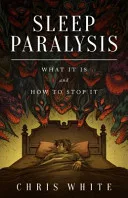
Chris White's "Sleep Paralysis" offers a fascinating, albeit sometimes brief, exploration of a universally unsettling experience. The strength of the book lies in its willingness to bridge the gap between clinical descriptions and the rich tapestry of folklore that surrounds sleep paralysis. White highlights the commonality of the "Old Hag" motif across Western cultures, a point that lends credibility to its widespread psychological impact. However, the work occasionally feels rushed, particularly in its cursory treatment of non-Western interpretations or deeper spiritual frameworks. A more detailed examination of specific cultural myths, beyond the "Shadow People" and "Hat Man" archetypes, would have enriched the analysis. The discussion on "spiritual rape" through incubus and succubus figures, while relevant, feels somewhat underdeveloped. Despite these limitations, the book serves as a valuable primer for those seeking to understand the subjective terror of sleep paralysis through a lens that respects both the psychological and the spiritual dimensions.
📝 Description
81
### What It Is Sleep paralysis is a disorienting state where an individual, upon waking or falling asleep, experiences a temporary inability to move. This phenomenon is frequently accompanied by vivid and often terrifying hallucinations, both auditory and visual. The sensation of a presence or a weight on the chest is common, leading to intense fear.
### Who It's For This work is for anyone who has experienced sleep paralysis and seeks a deeper understanding beyond medical explanations. It appeals to those interested in the intersection of psychology, folklore, and the paranormal. Readers curious about cross-cultural interpretations of this common human experience will find significant material here.
### Historical Context Across cultures and throughout history, sleep paralysis has been attributed to supernatural or spiritual causes. In Western folklore, it's often linked to the "Old Hag" or "nightmare," a malevolent entity that sits on the sleeper's chest. Similar phenomena are documented in various global traditions, indicating a widespread, ancient understanding of these nocturnal visitations.
### Key Concepts The book explores the phenomenon's varied nomenclature, such as "Shadow People" or "Hat Man," often cited by sufferers as the cause of their distress. It also touches upon related experiences like "alien abductions" and the folkloric "incubus" and "succubus," suggesting a shared psychological or spiritual undercurrent across these distinct, yet similarly terrifying, events.
💡 Why Read This Book?
• Understand the cross-cultural "Old Hag Syndrome" and its historical roots, gaining insight into how different societies have interpreted these terrifying nocturnal episodes. • Explore the connection between "Shadow People" and "Hat Man" figures, recognizing them as recurring archetypes within the sleep paralysis experience. • Examine the potential links between sleep paralysis and phenomena like "alien abductions" or incubus/succubus encounters, broadening your perspective on altered states of consciousness.
⭐ Reader Reviews
Honest opinions from readers who have explored this book.
❓ Frequently Asked Questions
What is the "Old Hag Syndrome" in relation to sleep paralysis?
The "Old Hag Syndrome" is a Western folkloric term for sleep paralysis, personifying the terrifying sensations and immobility as a malevolent hag that oppresses the sleeper, a concept explored in Chris White's 2014 work.
What are "Shadow People" and how do they relate to sleep paralysis?
"Shadow People" are often described by individuals experiencing sleep paralysis as dark, human-like figures perceived during the paralysis episode. Chris White's book discusses these entities as common hallucinations associated with the phenomenon.
Does "Sleep Paralysis" by Chris White discuss alien abductions?
Yes, the book touches upon claims that some "alien abductions" can be explained by sleep paralysis episodes, suggesting a shared experiential basis for these distinct phenomena.
What spiritual interpretations of sleep paralysis are mentioned?
The book mentions interpretations involving "evil spiritual beings" and discusses the folkloric concepts of "incubus" and "succubus" (spiritual rape) as potential explanations for some sleep paralysis experiences.
When was Chris White's book "Sleep Paralysis" first published?
Chris White's "Sleep Paralysis" was first published on February 20, 2014, making it a relatively recent exploration of the subject.
Is sleep paralysis a recognized medical condition?
While this book focuses on esoteric and folkloric interpretations, sleep paralysis is a recognized medical phenomenon. It's a temporary inability to move or speak that occurs while falling asleep or waking up.
🔮 Key Themes & Symbolism
The Multifaceted Nature of Fear
The book investigates how the primal fear experienced during sleep paralysis is interpreted through diverse cultural lenses. It highlights how common elements like immobility and perceived entities, such as the "Old Hag" or "Shadow People," manifest across different societies, suggesting a shared human vulnerability to these nocturnal assaults. The exploration of these figures moves beyond simple hallucination to consider their role as symbolic representations of deep-seated anxieties.
Folklore as Psychological Mapping
Chris White's work posits that folkloric accounts of sleep paralysis, including "incubus" and "succubus" visitations, function as a form of psychological mapping. These narratives provide frameworks for understanding and articulating terrifying subjective experiences that defy rational explanation. The text examines how these stories, passed down through generations, reflect humanity's attempts to categorize and cope with the uncanny intrusions into the dream state.
The Unseen Presence
A central theme is the pervasive sensation of an unseen, often malevolent, presence during sleep paralysis episodes. Whether identified as "Hat Man," a demon, or an "alien," this perceived entity embodies the terror of vulnerability. The book connects these subjective encounters to broader esoteric beliefs about spiritual entities that can interact with the physical realm, particularly during altered states of consciousness.
Bridging the Mundane and the Mystical
This work attempts to bridge the gap between clinical descriptions of sleep paralysis and its more mystical interpretations. By referencing phenomena like "alien abductions" alongside traditional demonology, it suggests a continuum of experiences that challenge conventional boundaries of reality. The book invites readers to consider the possibility that these episodes are not merely neurological glitches but potential points of contact with other realities.
💬 Memorable Quotes
“Sleep paralysis is often associated with terrifying sensations.”
— This statement underscores the visceral and fear-inducing nature of the phenomenon, setting the stage for exploring its psychological and spiritual dimensions.
“Sleep paralysis is known by many names across the world including 'Old Hag Syndrome' in the west.”
— This highlights the cross-cultural prevalence of the experience and the diverse ways it has been personified and explained historically, particularly in Western folklore.
“Some claims it is caused by 'Shadow People,' 'Hat Man,' or various evil spiritual beings like demons.”
— This points to the common attribution of sleep paralysis to supernatural entities, reflecting a persistent belief in malevolent forces interacting with sleepers.
“Some but not all cases of 'alien abductions' or incubus and succubus attacks (spiritual rape) can be chalked”
— This suggests a provocative connection between sleep paralysis and other unexplained phenomena, proposing a shared underlying cause or experience that transcends distinct labels.
“temporarily experience the inability to move, and it is often associated with terrifying sensations.”
— This concise description captures the core physical and emotional experience of sleep paralysis, serving as a foundational point for deeper analysis.
🌙 Esoteric Significance
Tradition
This work aligns with traditions that explore the liminal spaces between consciousness and the spiritual world, particularly those that examine interdimensional contact or spiritual assault. It touches upon Gnostic ideas of oppressive forces and Hermetic concepts of unseen influences. While not strictly adhering to a single lineage, it engages with the widespread esoteric notion that the human psyche is susceptible to influences from non-physical realms, especially during vulnerable states like sleep.
Symbolism
Key symbols include the "Old Hag," representing a smothering, suffocating force that inhibits spiritual or creative progress. "Shadow People" and "Hat Man" symbolize the unknown, the lurking fear of the unseen, and the primal terror of malevolent awareness. "Incubus" and "Succubus" represent the violation of personal energetic boundaries and the predatory nature of certain spiritual entities that feed on vital force.
Modern Relevance
Contemporary esoteric and occult circles, particularly those focused on spirit work, demonology, and psychic self-defense, find resonance in White's exploration. Practitioners exploring astral projection or lucid dreaming often encounter similar phenomena and seek frameworks to understand these experiences. The book's discussion of "Shadow People" and spiritual attacks remains relevant for modern witchcraft, chaos magic, and various forms of modern animism that acknowledge sentient spiritual forces.
👥 Who Should Read This Book
• Individuals who have personally experienced sleep paralysis and seek explanations that extend beyond purely medical or psychological models. • Folklore enthusiasts interested in cross-cultural interpretations of supernatural encounters and the "Old Hag" phenomenon. • Students of comparative religion and esotericism exploring the historical and spiritual dimensions of altered states of consciousness and perceived spiritual intrusions.
📜 Historical Context
Published in 2014, Chris White's "Sleep Paralysis" emerged during a period of renewed interest in consciousness studies and the paranormal, intersecting with established fields like folklore and psychology. At the time, popular culture was increasingly exploring themes of the uncanny and supernatural, influenced by works that blurred the lines between empirical science and esoteric belief. While medical and psychological explanations for sleep paralysis were well-documented, White's approach sought to give voice to the traditional and spiritual interpretations that often accompanied these experiences. This contrasted with purely clinical perspectives, such as those offered by researchers like Carlos Castaneda, who explored altered states, or the more rationalist critiques found in skeptical literature. The book taps into a long history of demonological and folkloric accounts, positioning itself as a bridge between ancient beliefs and modern subjective experiences, acknowledging a cultural dialogue that has persisted for centuries.
📔 Journal Prompts
The "Old Hag Syndrome" and its cultural variations.
"Shadow People" as perceived entities during sleep paralysis.
The concept of "incubus" and "succubus" attacks in relation to sleep paralysis.
Personal interpretations of the "Hat Man" archetype.
The feeling of spiritual rape and its symbolic meaning.
🗂️ Glossary
Old Hag Syndrome
A folkloric term, primarily Western, describing the terrifying experience of sleep paralysis, often personified as a hag that sits on the victim's chest, causing suffocation and fear.
Shadow People
Perceived dark, human-like figures often reported by individuals experiencing sleep paralysis or other paranormal events. They are frequently seen out of the corner of the eye or as indistinct shapes.
Hat Man
A specific manifestation of "Shadow People," often described as a tall, dark figure wearing a hat. It is frequently associated with sleep paralysis and feelings of dread.
Incubus
In folklore, a male demon believed to lie upon sleepers, especially women, having sexual intercourse with them. Often associated with sleep paralysis and night terrors.
Succubus
In folklore, a female demon believed to assume female form, especially to have sexual intercourse with sleeping men. Similar to the incubus, associated with sleep paralysis.
Spiritual Rape
A term used in esoteric contexts to describe non-physical sexual assault by spiritual entities, often linked to incubus and succubus phenomena during sleep paralysis.
Alien Abductions
Reports of individuals being taken against their will by extraterrestrial beings. The book suggests some cases may overlap with sleep paralysis experiences.