Simple Techniques for Pain Relief
 80
80

Simple Techniques for Pain Relief
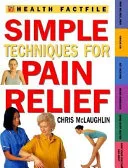
Chris McLaughlin's "Simple Techniques for Pain Relief" from 1998 presents a refreshingly direct approach to a pervasive human issue. Unlike many self-help tomes that obscure practical advice in jargon, McLaughlin’s work, developed with medical expert input, offers clear, actionable methods. The comb-binding, allowing the book to lay flat, is a small but significant detail that underscores the practical, hands-on intention of the text. A notable strength is its accessibility; the techniques are explained without requiring prior specialized knowledge. However, the book’s brevity means it sometimes lacks the depth needed for chronic or complex pain conditions, offering foundational strategies rather than intricate solutions. The section on simple breathing exercises, for instance, is effective in its clarity but might feel insufficient for those needing more advanced respiratory management techniques. It serves best as an introductory primer on accessible pain management tools. The work offers competent, if not revolutionary, advice for everyday discomfort.
📝 Description
80
### What It Is This volume, first published in 1998, offers practical guidance for managing discomfort. It presents a series of techniques designed to alleviate physical distress, drawing on a blend of accessible advice and expert input. The book's format is intended for ease of use, featuring a comb binding that allows it to lie flat during application of its methods.
### Who It's For Individuals seeking straightforward, actionable strategies for pain relief will find this guide beneficial. It is particularly suited for those who prefer self-help resources that are clear, concise, and medically informed. The content aims to empower readers with tools they can readily implement in their daily lives to address discomfort.
### Historical Context Published in 1998, this work emerged during a period of growing public interest in complementary and alternative medicine. The late 20th century saw a diversification of approaches to health and wellness, moving beyond solely conventional medical models. Chris McLaughlin's book taps into this trend, offering a accessible entry point for those exploring non-pharmacological methods for pain management.
### Key Concepts The book focuses on practical, applied techniques rather than theoretical exploration. It emphasizes self-efficacy in pain management, providing readers with methods that can be applied independently. The emphasis is on accessibility and utility, ensuring that the advice is understandable and implementable by a broad audience.
💡 Why Read This Book?
• Learn practical, self-administered techniques for immediate discomfort management, as detailed in the book's specific exercise sections, allowing for independent application. • Understand the importance of medically informed, accessible advice in pain management, a principle emphasized since the book's 1998 publication. • Gain confidence in managing everyday aches through straightforward methods, inspired by the book's focus on empowering the reader with actionable tools.
⭐ Reader Reviews
Honest opinions from readers who have explored this book.
❓ Frequently Asked Questions
What kind of pain does 'Simple Techniques for Pain Relief' address?
The book is designed for a range of everyday discomforts and minor pains, offering accessible techniques that can be applied by individuals seeking relief from common aches and strains.
Who collaborated on 'Simple Techniques for Pain Relief'?
Chris McLaughlin worked with medical experts to develop the advice presented in the book, ensuring a foundation in informed guidance for pain management strategies.
What is unique about the book's physical format?
The volume utilizes a comb binding, a practical feature designed to allow the book to lie flat while users are actively practicing the techniques described within.
Is 'Simple Techniques for Pain Relief' suitable for chronic pain sufferers?
While offering valuable foundational techniques, the book is primarily geared towards managing common discomforts. Individuals with chronic pain may find it a useful starting point but might require more specialized resources.
When was 'Simple Techniques for Pain Relief' first published?
The book was first published in 1998, reflecting health and wellness approaches prevalent at the end of the 20th century.
What is the main goal of the techniques presented in the book?
The primary goal is to empower readers with simple, effective methods they can use themselves to alleviate physical discomfort and improve their well-being.
🔮 Key Themes & Symbolism
Self-Efficacy in Wellness
The work champions the idea that individuals possess the inherent capacity to manage their physical well-being. By presenting straightforward techniques, it aims to build reader confidence in their ability to alleviate pain independently. This empowerment is central, moving away from a purely passive recipient of care to an active participant in healing, a concept that resonates with burgeoning self-help movements of the late 20th century.
Accessibility of Health Information
McLaughlin's approach prioritizes clarity and ease of understanding, a deliberate choice for a book published in 1998 when comprehensive, user-friendly health guides were gaining traction. The collaboration with medical experts aims to lend credibility while the straightforward language ensures the information is not gatekept by technical jargon, making wellness strategies available to a wider audience.
Holistic Approach to Discomfort
While not explicitly delving into deep esoteric traditions, the book touches upon a holistic understanding by offering methods that can be integrated into daily life. The focus on physical techniques, coupled with the implied benefit of reduced discomfort, hints at a broader well-being that encompasses both physical ease and mental resilience. This practical application of wellness principles aligns with contemporary trends.
Practical Application of Knowledge
The core of the book lies in its actionable advice. The comb-binding, allowing the book to lay flat, is a physical manifestation of this principle, facilitating direct use during practice. This emphasis on 'doing' rather than just 'knowing' is a defining characteristic, ensuring that the reader can immediately apply the learned techniques for tangible results.
💬 Memorable Quotes
“Handy, durable guides offering comprehensive advice for staying healthy.”
— This blurb highlights the book's practical and portable nature, emphasizing its role as a reliable resource for maintaining health through accessible information.
“Written with the help of medical experts, each volume addresses a specific topic.”
— This indicates the book's foundation in informed guidance, assuring readers that the presented techniques are backed by professional knowledge and are focused on clear, single subjects.
“Comb binding allows volume to lay flat while in use.”
— A practical design choice, this feature underscores the book's intended use as a hands-on guide, making it convenient for readers to follow instructions during practice.
“Offers comprehensive advice for staying healthy.”
— This statement emphasizes the breadth of guidance provided, suggesting that the book aims to offer a thorough understanding and practical steps towards overall well-being.
“Each volume addresses a specific topic.”
— This points to the focused nature of the book, indicating that readers can expect detailed information on a particular area of health or self-care without unnecessary diversion.
🌙 Esoteric Significance
Tradition
While "Simple Techniques for Pain Relief" doesn't explicitly align with a specific esoteric lineage like Hermeticism or Kabbalah, it touches upon the broader principle of self-mastery inherent in many such traditions. The focus on practical, accessible methods for physical well-being can be seen as a secularized manifestation of ancient philosophies that emphasized the body as a temple or a vehicle for spiritual development, albeit without the overt metaphysical frameworks.
Symbolism
The book's primary 'symbolism' lies in its utilitarian design and straightforward presentation. The comb binding, allowing it to lay flat, symbolizes accessibility and direct application—the tool itself becomes a facilitator for the practice. The 'medical experts' cited represent the symbol of authoritative knowledge, grounding the techniques in a recognizable, albeit conventional, system of understanding.
Modern Relevance
Contemporary wellness practices, particularly those emphasizing mindfulness, somatic experiencing, and accessible self-care, owe a debt to works like McLaughlin's. Thinkers and practitioners in fields like biofeedback, pain psychology, and even certain branches of somatic yoga draw upon the foundational principle of empowering individuals with direct, manageable techniques for improving physical comfort, a legacy continued in countless modern health apps and online resources.
👥 Who Should Read This Book
• Individuals experiencing everyday aches and discomforts seeking immediate, practical relief strategies without complex theory. • Those new to self-care practices looking for a foundational, easy-to-understand guide grounded in medically informed advice. • Readers who appreciate straightforward, no-nonsense instruction and appreciate functional design, like a book that lays flat for easy use during exercises.
📜 Historical Context
Published in 1998, Chris McLaughlin's "Simple Techniques for Pain Relief" emerged during a burgeoning era of self-help and alternative wellness literature. The late 20th century saw increased public engagement with modalities beyond conventional Western medicine, partly fueled by figures like Andrew Weil, who popularized integrative approaches. This book fits within that zeitgeist, offering accessible, medically-informed advice. While not directly engaging with esoteric traditions, its emphasis on self-management aligns with a broader cultural shift towards personal empowerment in health. The work's practical, non-theoretical stance distinguished it from more academic or philosophically dense texts that also explored healing. Its reception was likely part of a wider trend of consumers seeking straightforward guides for common ailments, a market that continued to expand into the 21st century.
📔 Journal Prompts
Breathing exercises for managing discomfort.
Techniques for alleviating physical distress.
The role of medical experts in accessible guides.
Practical application of wellness advice.
The utility of comb binding for instructional books.
🗂️ Glossary
Comb Binding
A bookbinding method where pages are held together by a plastic or metal comb inserted through punched holes, allowing the book to lie flat for ease of use.
Medical Experts
Professionals trained and licensed in medicine who contribute their knowledge and experience to inform health-related content and advice.
Pain Relief Techniques
Specific methods and practices designed to reduce or eliminate physical discomfort, often involving physical manipulation, relaxation, or mental focus.
Comprehensive Advice
Guidance that covers a subject thoroughly, offering a wide range of information and practical steps for a complete understanding or solution.
Durable Guides
Instructional books designed to withstand frequent use, implying a robust construction suitable for ongoing reference and application.
Specific Topic
A clearly defined subject or area of focus within a larger field, ensuring that the content is concentrated and relevant to a particular need.
Physical Distress
A state of suffering or discomfort related to the body, encompassing a range of sensations from mild aches to more significant pain.