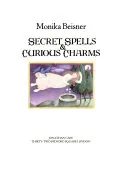
Secret spells & curious charms

 74
74

Secret spells & curious charms
Monika Beisner's "Secret Spells & Curious Charms" presents a fascinating, if somewhat diffuse, collection of historical magical practices. The strength of the book lies in its breadth, cataloging a variety of charms and spells from different European traditions. However, the lack of a strong theoretical framework or deep analysis can leave the reader wanting more context. For instance, the section on "charms against the evil eye" offers numerous examples but offers limited insight into the psychological or sociological reasons for their persistence. Beisner's meticulous compilation is invaluable for its documentation, but it functions more as an archive than an interpretive study. The work is best appreciated as a rich source of historical curiosities rather than a guide to magical theory or practice. It serves as a valuable record of how people historically sought to influence their world through ritual and belief.
📝 Description
74
### What It Is
Monika Beisner's "Secret Spells & Curious Charms," first published in 1985, offers a compendium of esoteric practices and folklore. This work is not a grimoire of potent incantations but rather an exploration of the historical and cultural contexts surrounding folk magic and protective charms. It delves into the methodologies and beliefs that underpinned everyday magical thinking across various European traditions, presenting spells and charms as expressions of human ingenuity and desire for control over circumstance.
### Who It's For
This volume appeals to readers interested in the anthropological study of magic, folklore enthusiasts, and those seeking to understand the historical underpinnings of contemporary esoteric practices. It is particularly suited for individuals who approach magical traditions with an academic or historical lens, rather than solely as a practitioner's manual. Those interested in the evolution of belief systems and the social functions of ritual will find substantial material here.
### Historical Context
Published in 1985, "Secret Spells & Curious Charms" emerged during a period of renewed interest in occultism and alternative spiritualities, following the countercultural movements of the 1960s and 70s. While not directly engaging with major academic debates of the time, it aligns with the growing scholarly attention to folk traditions and marginalized belief systems. Its publication provided accessible insights into a subject often obscured by sensationalism, offering a more grounded look at historical magical practices.
### Key Concepts
The book examines concepts such as sympathetic magic, the use of amulets and talismans for protection and fortune, and the role of spoken word in ritual. It explores the persistent belief in the power of specific objects and actions to influence events, drawing from a wide array of historical sources. The compilation highlights the practical, everyday nature of much historical folk magic, distinguishing it from more formalized ceremonial traditions.
💡 Why Read This Book?
• Gain specific insights into historical sympathetic magic practices, understanding the logic behind using objects like hair or nails in charms, as detailed in the book's examples from various European folk traditions. • Discover concrete methods of protection and fortune-seeking documented in the 1985 publication, such as the specific uses of amulets and talismans described within its chapters. • Appreciate the cultural significance of spoken charms and their role in everyday life across different historical periods, as illustrated by numerous verbatim examples within the text.
⭐ Reader Reviews
Honest opinions from readers who have explored this book.
❓ Frequently Asked Questions
What is the primary focus of "Secret Spells & Curious Charms"?
The book primarily focuses on cataloging and exploring historical folk magic, charms, and protective spells from various European traditions, rather than presenting modern magical practices.
Who was Monika Beisner?
Monika Beisner was an author and researcher whose work focused on folklore and historical magical practices. "Secret Spells & Curious Charms" was first published in 1985.
Does the book contain practical spells for modern use?
While it documents historical spells, the book is more of an anthropological and historical exploration. It's intended for understanding past magical beliefs and practices, not as a direct guide for contemporary spellcasting.
What kind of historical periods does the book cover?
The book draws upon a wide range of historical periods, examining folk magic traditions that have persisted and evolved over centuries, though specific dates are often implied by the folk customs described.
Is "Secret Spells & Curious Charms" an academic text?
It leans towards an academic presentation of folklore and history, making it suitable for researchers and students of esoteric traditions, though it is written in an accessible style.
Where can I find information on the author's other works?
Information on Monika Beisner's other works may be found through library catalogs and academic databases that archive esoteric and folklore studies published around or after 1985.
🔮 Key Themes & Symbolism
Sympathetic Magic
The work examines the principle of sympathetic magic, where like affects like or a part represents the whole. This concept is illustrated through numerous historical examples, such as the use of personal items like hair or nails to create effigies or influence individuals. Beisner details how this ancient belief system manifested in everyday charms and spells aimed at healing, protection, or causing harm, reflecting a worldview where the physical and spiritual realms were intimately connected through such correspondences.
Protective Charms and Amulets
A significant portion of the book is dedicated to the variety of charms and amulets historically employed for warding off evil, misfortune, or specific dangers. These range from spoken incantations and written sigils to physically worn objects believed to possess protective qualities. The book explores the cultural specificity of these items, showcasing how different societies developed unique symbols and rituals to create perceived barriers against malevolent forces and ensure well-being.
Folk Belief and Ritual
"Secret Spells & Curious Charms" delves into the persistent role of folk beliefs and rituals in shaping human behavior and providing a sense of agency. It highlights how common people, often outside formal religious or magical institutions, developed and maintained practices to address anxieties about health, luck, and social relations. The compilation underscores the practical, immediate nature of much folk magic, contrasting it with more theoretical or ceremonial occult systems.
The Power of the Spoken Word
The book emphasizes the efficacy attributed to spoken words in historical magical practices. Charms, incantations, and blessings are presented as integral components of spellcraft, believed to directly influence outcomes. Beisner illustrates how the precise articulation of certain phrases, often imbued with cultural or religious significance, was thought to channel power and effect change in the material world, serving as a crucial element in the execution of folk magic.
💬 Memorable Quotes
“Charms for protection against ill fortune.”
— This phrase encapsulates the core function of many historical folk magical practices documented in the book, highlighting the human desire to mitigate negative circumstances through ritual means.
“The use of sympathetic materials in spells.”
— This refers to the principle where elements connected to a person or object (like hair) are used in a ritual to influence that person or object, a common thread throughout the book's examples.
“Amulets designed to ward off the evil eye.”
— This points to specific types of protective talismans and their function in safeguarding individuals from perceived malevolent spiritual or psychological influences.
“Spells for good health and healing.”
— This highlights the application of folk magic in addressing physical well-being, demonstrating its role as a practical system for managing health concerns in historical contexts.
“Rituals for luck and prosperity.”
— This indicates the book's exploration of magical practices aimed at improving one's economic or social standing, reflecting the universal pursuit of fortune.
🌙 Esoteric Significance
Tradition
This work is rooted in the broad tradition of Western folk magic and esoteric practices, drawing from a diverse array of European customs that often predate or exist alongside more formalized Hermetic, Gnostic, or Kabbalistic systems. It represents an effort to document and understand the practical, often unwritten, magical knowledge held within common cultures. It fits within the lineage of compendia that collect and categorize spells and charms, serving as a bridge between academic folklore and esoteric interests.
Symbolism
The book frequently references symbols of protection, such as the pentagram (often used for warding), the evil eye motif (to deflect malevolent gazes), and various animal symbols (like the raven or cat, imbued with specific magical associations). These symbols function as visual or conceptual anchors for magical intent, believed to harness specific energies or create protective barriers. Their recurrence across different charms and cultures underscores their deep-seated significance in the human psyche and their utility in folk magical operations.
Modern Relevance
Contemporary practitioners of witchcraft, Wicca, and various forms of modern paganism often draw inspiration from historical folk magic documented in works like Beisner's. Concepts such as sympathetic magic and the use of everyday objects in ritual continue to be explored. Furthermore, academic fields such as cultural studies and the history of belief systems find value in its cataloging of historical practices, providing source material for understanding the evolution of human attempts to influence reality through ritual.
👥 Who Should Read This Book
• Students of European folklore and cultural history, seeking concrete examples of historical belief systems and magical practices outside of formal religious structures. • Aspiring practitioners of witchcraft or folk magic, who wish to understand the historical roots and diverse forms of charms and protective spells. • Researchers in comparative religion and anthropology, interested in the cross-cultural manifestations of human attempts to control or influence their environment through ritual and belief.
📜 Historical Context
Monika Beisner's "Secret Spells & Curious Charms," published in 1985, arrived at a moment when academic interest in folk traditions, occultism, and the history of magic was gaining momentum. The preceding decades had seen a rise in popular interest in esoteric subjects, fueled partly by countercultural movements and the availability of reprinted occult texts. This book emerged within a broader scholarly trend that moved beyond dismissing folk magic as mere superstition, instead seeking to understand its cultural logic and social functions. While not directly engaging with major academic debates of the time, it provided accessible material that resonated with both lay readers and those in fields like folklore studies and anthropology. Its publication offered a counterpoint to more sensationalized accounts of magic, presenting a more grounded, if encyclopedic, view. Contemporary authors like Richard Kieckhefer, who were publishing works on medieval magic and inquisition records around this period, contributed to a growing scholarly framework for understanding such practices, though Beisner's work maintained a distinct focus on cataloging diverse charms rather than theoretical interpretation.
📔 Journal Prompts
Reflection on the historical use of sympathetic magic.
Analysis of a specific protective charm's components.
The perceived efficacy of spoken words in historical rituals.
Personal interpretation of a common folk magic symbol.
Comparison of historical charms against modern anxieties.
🗂️ Glossary
Sympathetic Magic
A form of magic based on the belief that like affects like, or that a part of something can represent the whole, allowing for influence over a person or object through a related item.
Charm
A spoken spell or a magical object believed to possess the power to protect the bearer or bring good fortune.
Amulet
An object worn or carried by a person, believed to have magical properties that protect the wearer from harm or evil.
Talisman
An object, often inscribed with symbols, believed to attract good fortune or provide specific magical benefits to its owner.
Evil Eye
A malevolent glare believed to cause misfortune, illness, or injury to the person or thing it falls upon; charms against it are common.
Folk Magic
Magical practices and beliefs transmitted through informal channels, often tied to specific communities, traditions, or everyday life.
Ward
A protective charm or spell intended to prevent the intrusion of malevolent forces or unwanted influences.