Science Of Yoga
 71
71

Science Of Yoga
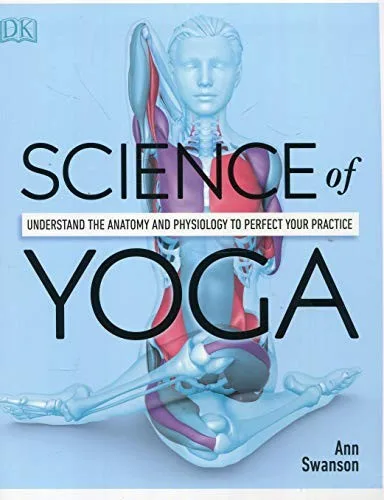
Ann Swanson's *Science of Yoga* attempts a scholarly dissection of yogic traditions, aiming to present a structured, almost scientific, approach to its esoteric dimensions. The book excels when it meticulously breaks down the interconnectedness of yogic physiology and subtle energy systems, such as the description of the *nadis*. However, its ambition to present yoga as a 'science' occasionally leads to a somewhat dry exposition, occasionally missing the inherent experiential quality that defines the practice for many. The section on the *koshas* (sheaths of the self) is particularly well-articulated, offering a clear framework for self-inquiry. Ultimately, *Science of Yoga* serves as a valuable academic resource for those who prefer their mysticism meticulously cataloged.
📝 Description
71
Ann Swanson's *Science of Yoga*, published in 2024, examines yogic philosophy beyond physical postures.
Ann Swanson's *Science of Yoga* was published in 2024. The book takes a systematic approach to yogic philosophy and practice, moving past the physical aspects to investigate the core principles that have guided yoga for centuries. Swanson argues that yoga is not simply a form of exercise but a complete system for understanding the self and the universe.
This work is for practitioners and academics interested in the deeper aspects of yoga. Readers who want to grasp the philosophical foundations, historical development, and metaphysical dimensions of yoga will find a lot of information here. It is especially useful for those with some basic knowledge of yoga who want to look into its esoteric and scientific sides.
The *Science of Yoga* appears during a time of renewed Western interest in Eastern thought, following earlier Orientalist movements. While yoga became popular in the West in the mid-20th century, Swanson's book aims to link contemporary practice to its ancient origins. It connects to foundational texts like the *Yoga Sutras of Patanjali* (c. 4th century CE) and follows a tradition that includes figures like Helena Blavatsky and Mircea Eliade in their study of Indic traditions.
💡 Why Read This Book?
• Gain a structured understanding of yogic energy systems, including the *prana* and *chakras*, moving beyond superficial physical postures to grasp the subtle body's architecture as detailed in the text. • Explore the philosophical concept of the *koshas* (sheaths of the self), learning a framework for self-analysis and spiritual development that complements personal practice. • Understand yoga's historical trajectory by examining its roots, appreciating how foundational texts and philosophies, potentially dating back to Patanjali's era, continue to inform contemporary practice.
⭐ Reader Reviews
Honest opinions from readers who have explored this book.
❓ Frequently Asked Questions
What is the primary focus of Ann Swanson's *Science of Yoga*?
The book focuses on presenting yoga as a comprehensive system of philosophy and practice, exploring its metaphysical and subtle energetic dimensions rather than solely its physical aspects.
When was *Science of Yoga* by Ann Swanson first published?
Ann Swanson's *Science of Yoga* was first published in 2024.
Does the book cover the concept of prana?
Yes, the *Science of Yoga* investigates core yogic concepts including *prana*, which is understood as the vital life force energy that permeates all existence.
Is this book suitable for beginners in yoga?
While it provides foundational information, the book is best suited for practitioners and scholars with some existing knowledge who wish to explore yoga's deeper philosophical and esoteric aspects.
What is the significance of the *chakras* in the context of this book?
The book explores *chakras* as significant energy centers within the subtle body, explaining their role in the yogic understanding of consciousness and spiritual development.
Does *Science of Yoga* discuss liberation or moksha?
Yes, the work examines the yogic path towards liberation, known as *moksha*, presenting it as the ultimate goal within the comprehensive system of yoga.
🔮 Key Themes & Symbolism
Subtle Anatomy: Prana and Chakras
Swanson's *Science of Yoga* meticulously details the yogic understanding of the subtle body, focusing on *prana* (life force energy) and the *chakras* (energy centers). The book explains how these are not merely metaphorical constructs but integral components of yogic science, influencing physical health, mental states, and spiritual progression. It maps the flow of *prana* through the *nadis* (energy channels) and elucidates the function and significance of each major *chakra*, offering a framework for practitioners to consciously engage with these energetic dimensions.
The Koshas: Layers of Being
A central theme explored is the concept of the *koshas*, or the five sheaths that cover the true self. Swanson breaks down each *kosha*—Annamaya (food sheath), Pranamaya (energy sheath), Manomaya (mind sheath), Vijnanamaya (wisdom sheath), and Anandamaya (bliss sheath)—providing a layered model for understanding human consciousness. This framework allows readers to identify where imbalances may occur and suggests yogic practices for harmonizing these different levels of existence, leading towards self-realization.
Yoga as a Science of Consciousness
The book positions yoga as a sophisticated science dedicated to understanding the nature of consciousness. It explores yogic epistemology, exploring how practices aim to purify the mind and transcend ordinary perception to achieve higher states of awareness. By referencing ancient yogic texts and philosophies, Swanson argues for yoga's efficacy as a method for investigating the mind, the universe, and the self, aiming for clear insights into existence itself.
The Path to Moksha
Ultimately, *Science of Yoga* frames the entire yogic system as a path leading to *moksha*, or liberation from the cycle of suffering and rebirth. Swanson outlines the principles and practices—including ethical conduct (*yamas* and *niyamas*), physical postures (*asanas*), breath control (*pranayama*), and meditation (*dhyana*)—as integral steps on this journey. The book synthesizes these elements to present a holistic approach to spiritual freedom and self-realization as understood within classical yogic thought.
💬 Memorable Quotes
Direct passages from the work, attributed to the author.
“The subtle body, with its prana and chakras, is as real and functional as the physical.”
— This statement emphasizes the non-dualistic perspective of yoga, asserting that the energetic and psychic dimensions are not mere abstractions but tangible aspects of existence integral to well-being and spiritual advancement.
“Understanding the koshas is key to discerning the true self from its temporary coverings.”
— This highlights the practical application of the five sheaths concept, presenting it as a diagnostic tool for self-awareness and a method for peeling away layers of illusion to reveal one's essential nature.
“Patanjali's Yoga Sutras offer a foundational map for the mind's journey.”
— This interpretation underscores the importance of classical yogic texts like Patanjali's work, framing them as essential guides for working through the complexities of consciousness and achieving yogic mastery.
“The science of yoga seeks to unify the individual consciousness with the universal.”
— This captures the ultimate goal of yogic practice as presented in the book: the dissolution of ego boundaries and the realization of interconnectedness with the totality of existence.
💡 Key Ideas
Editorial paraphrase of the work's core concepts — not direct quotes.
Asana and pranayama are not ends in themselves, but purification techniques for higher states.
This paraphrase clarifies the role of common yogic practices, positioning them as preparatory steps designed to ready the body and mind for deeper meditative and contemplative work.
🌙 Esoteric Significance
Tradition
This work draws heavily from the classical yogic tradition, particularly the Raja Yoga school systematized by Patanjali. It aligns with the broader Vedic and Upanishadic philosophies that underpin much of Indian esoteric thought. While not strictly Hermetic or Kabbalistic, it shares with them an emphasis on symbolic language, energy systems, and the pursuit of gnosis or direct knowledge of the divine/absolute.
Symbolism
Key symbols explored include the *chakras*, visualized as lotus-like energy centers within the subtle body, each associated with specific psychological states and spiritual potentials. The *nadis*, or energetic channels, are also central, depicted as a network carrying *prana* throughout the being. The concept of *moksha*, often symbolized by release from a wheel or a journey beyond illusion, represents the ultimate aim of yogic practice.
Modern Relevance
Contemporary thinkers and practitioners in fields ranging from transpersonal psychology to embodied cognition find value in yoga's sophisticated models of consciousness and subtle anatomy. Schools focusing on somatic experiencing and trauma-informed practices may draw upon the yogic understanding of *prana* and the nervous system. The work also appeals to those seeking integrated spiritual paths that bridge ancient wisdom with modern scientific inquiry.
👥 Who Should Read This Book
• Dedicated yoga practitioners seeking to move beyond the physical postures (*asanas*) and understand the underlying philosophical and energetic principles that inform their practice. • Students of comparative religion and philosophy interested in the esoteric traditions of India, particularly the systematization of yoga as presented in classical texts. • Individuals exploring consciousness studies and the mind-body connection who are looking for ancient frameworks that offer clear insights into subjective experience.
📜 Historical Context
Ann Swanson's *Science of Yoga* emerges in a contemporary landscape where yoga is widely practiced, yet its philosophical depths are often overlooked. The book engages with a lineage tracing back to ancient India, particularly the systematization of yoga found in Patanjali's *Yoga Sutras* (c. 4th century CE). This period saw the development of classical Indian philosophy, including various schools of thought that influenced yogic doctrines. Swanson's work can be seen as a modern attempt to synthesize this ancient knowledge, following in the footsteps of scholars and practitioners who, since the late 19th century, introduced Indic traditions to the West. Figures like Swami Vivekananda, who lectured at the Parliament of Religions in Chicago in 1893, played an important role in this dissemination. Unlike purely academic treatises, Swanson's approach seems geared towards practitioners seeking a deeper, almost scientific, understanding of yogic principles.
📔 Journal Prompts
The functioning of the *pranamaya kosha* and its relationship to physical vitality.
How the *chakras* might influence emotional states and perceptions.
Identifying personal obstacles on the path toward *moksha* as outlined by yogic philosophy.
Reflecting on the interplay between *asana*, *pranayama*, and meditative practices.
The concept of *vijnanamaya kosha* and the development of wisdom.
🗂️ Glossary
Prana
The vital life force energy believed to permeate all living beings and the universe, often associated with breath but encompassing a broader energetic principle.
Chakras
Energetic centers within the subtle body, typically visualized along the spine, believed to govern specific psychological, emotional, and spiritual functions.
Koshas
The five sheaths or layers that are said to cover the true self (Atman), including the physical, energetic, mental, intellectual, and bliss bodies.
Moksha
Liberation or release from the cycle of birth, death, and rebirth (samsara); the ultimate spiritual goal in many Indian religions.
Nadis
Subtle energy channels within the body through which *prana* flows, analogous to a circulatory system for vital energy.
Asana
Literally 'seat' or 'posture'; refers to the physical postures practiced in yoga, originally intended to prepare the body for meditation.
Pranayama
The practice of breath control and regulation, considered a vital component of yoga for managing *prana* and influencing consciousness.
🔮 Readers Also Liked
Browse all →









More by Ann Swanson
All books →
More Free Occult Philosophy Books
View all →