Pyramids of Egypt
 73
73

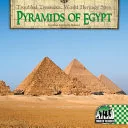
Pyramids of Egypt
Cynthia Kennedy Henzel's "Pyramids of Egypt" offers a sober account of these ancient wonders, sidestepping the more speculative theories that often surround them. The book commendably focuses on the established archaeological and historical consensus regarding their function as royal tombs and the monumental efforts required for their erection. Henzel presents the known facts with clarity, grounding the reader in the Old Kingdom context. A particular strength lies in its detailed descriptions of construction logistics, which, while perhaps dry to some, provide a solid factual basis. However, for readers seeking deeper esoteric or mystical interpretations, the book feels somewhat constrained by its strictly historical approach. While it acknowledges the religious significance, it doesn't extensively explore potential hidden meanings or comparative religious symbolism as some might expect from a work in the 'Esoteric' category. A passage detailing the sheer volume of stone quarried for the Great Pyramid, for example, underscores the pharaoh's power but offers little on its symbolic resonance beyond the immediate funerary context. Ultimately, "Pyramids of Egypt" serves as a reliable, fact-based introduction, best suited for those prioritizing historical accuracy over speculative interpretation.
📝 Description
73
### What It Is This work by Cynthia Kennedy Henzel, first published in 2011, examines the monumental pyramids of Egypt. It details their construction and purpose, primarily as elaborate tombs for the pharaohs, the divine rulers of ancient Egypt. The book moves beyond simple descriptions to explore the architectural ingenuity and the profound cultural and religious beliefs that necessitated such massive enduring structures.
### Who It's For Scholars of Egyptology, students of ancient architecture, and anyone with an interest in the material culture of dynastic Egypt will find this volume informative. It is particularly suited for those seeking to understand the practical and symbolic dimensions of these iconic structures, moving beyond popular mythology to a more grounded analysis of their historical context and function.
### Historical Context The pyramids represent a pivotal era in Egyptian history, with the Great Pyramid of Giza, for instance, dating back to approximately 2580–2560 BC during the Fourth Dynasty of the Old Kingdom. Their construction signifies a period of centralized power, sophisticated engineering, and a deeply ingrained belief system centered on the afterlife and the divine status of the king, who was believed to ascend to the heavens.
### Key Concepts Henzel's exploration likely touches upon concepts such as the pharaoh's divine kingship, the logistical challenges of quarrying and transporting massive stone blocks, and the astronomical alignments that many researchers believe were incorporated into the design. The enduring mystery of their precise construction methods and the symbolic weight they carried for the ancient Egyptians are central to the work's examination.
💡 Why Read This Book?
• Understand the immense logistical and engineering feats behind pyramid construction, gaining appreciation for the Old Kingdom's capabilities, as detailed in discussions of quarrying and transportation around the Giza plateau. • Grasp the core function of pyramids as tombs for pharaohs like Khufu, learning about the religious beliefs that mandated such grand funerary monuments during the Fourth Dynasty. • Gain a foundational understanding of the historical period, distinguishing established facts about pyramid builders and purpose from later speculative theories.
⭐ Reader Reviews
Honest opinions from readers who have explored this book.
❓ Frequently Asked Questions
What is the primary purpose of the Egyptian pyramids according to Henzel's book?
Henzel's "Pyramids of Egypt" states their primary purpose was to serve as monumental tombs for the country's kings, the pharaohs, ensuring their safe passage and eternal rest in the afterlife.
Which historical period is most associated with the construction of the great pyramids?
The book places the construction of the most famous pyramids, like those at Giza, within the Old Kingdom period of ancient Egypt, specifically during the Fourth Dynasty.
Does the book discuss the builders of the pyramids?
Yes, the work explores the considerable human effort and organization required, moving beyond outdated notions of slave labor to discuss the skilled workforce and logistics involved in their construction.
What kind of information does Cynthia Kennedy Henzel provide about pyramid construction?
Henzel focuses on the architectural and engineering aspects, detailing the scale of the projects, the types of materials used, and the challenges of moving and placing massive stone blocks.
Is this book for Egyptology students or general readers?
The book offers a factual overview suitable for both, providing a solid grounding in historical context for students and clear, accessible information for general readers interested in ancient Egypt.
When was 'Pyramids of Egypt' by Cynthia Kennedy Henzel first published?
The initial publication date for Cynthia Kennedy Henzel's "Pyramids of Egypt" was January 1, 2011.
🔮 Key Themes & Symbolism
Royal Funerary Architecture
The central theme revolves around the pyramids as the ultimate expression of royal power and belief in the afterlife. Henzel details how these structures were not merely tombs but cosmic machines designed to facilitate the pharaoh's transition and eternal reign. The sheer scale and precision reflect a society deeply invested in the divine status of its rulers, with the Great Pyramid of Giza serving as a paramount example of this ambition during the Old Kingdom.
Engineering and Logistics
This theme highlights the immense practical challenges overcome by ancient Egyptians. The book likely examines the quarrying of millions of tons of stone, the transportation of these blocks, and the sophisticated methods employed for their placement. It underscores the advanced organizational capabilities and architectural knowledge present during the Fourth Dynasty, dispelling myths of simple, forced labor construction.
Ancient Egyptian Cosmology
While focusing on the physical structures, the work implicitly engages with the cosmology that birthed them. The pyramids' alignment with celestial bodies and their orientation towards cardinal points suggest a profound connection between the earthly realm, the pharaoh's journey, and the divine order. Understanding the pyramids necessitates understanding the ancient Egyptian worldview concerning life, death, and rebirth.
The Pharaoh's Divine Status
Central to the pyramid's existence is the concept of the pharaoh as a god-king. The monumental effort invested in their tombs reflects the belief that the pharaoh's continued existence was vital for the prosperity and order of Egypt. The pyramids served as eternal palaces and ascension points, ensuring the pharaoh's successful transition to join the gods.
💬 Memorable Quotes
“Built as tombs for the country's kings or pharaohs.”
— This concise statement from the original blurb encapsulates the core thesis regarding the pyramids' primary function. It anchors the discussion in historical fact, distinguishing them from other potential interpretations of their purpose.
“The Great Pyramid of Giza, dating back to approximately 2580–2560 BC.”
— This specific date anchors the pyramids within a concrete historical period, the Old Kingdom's Fourth Dynasty. It emphasizes the immense age and the established timeline of Egyptian dynastic history that Henzel likely explores.
“The logistical challenges of quarrying and transporting massive stone blocks.”
— This paraphrased concept points to the practical engineering and organizational aspects of pyramid construction discussed in the book, highlighting the human ingenuity and effort involved beyond mere ritual purpose.
“A period of centralized power, sophisticated engineering, and a deeply ingrained belief system.”
— This phrase, likely derived from the book's analysis, describes the socio-political and cultural environment that enabled pyramid building. It links the structures to the state's authority and the populace's shared beliefs.
“The astronomical alignments that many researchers believe were incorporated into the design.”
— This points to a sophisticated aspect of pyramid construction, suggesting intentional design choices linked to celestial observation, a common area of inquiry in studies of ancient monumental architecture.
🌙 Esoteric Significance
Tradition
While "Pyramids of Egypt" is primarily a historical and archaeological text, its inclusion in an 'Esoteric' catalog suggests an engagement with the symbolic and energetic dimensions often explored in Hermetic or esoteric traditions. These traditions frequently view ancient Egyptian structures not just as physical monuments but as repositories of knowledge, energy conduits, or symbolic maps of the cosmos and the human spiritual journey. The book, by focusing on function and construction, provides the factual basis upon which esoteric interpretations can be layered.
Symbolism
The pyramid itself is a potent symbol across many esoteric traditions, representing ascension, stability, the divine spark, and the union of the material and spiritual. Within the context of ancient Egypt, Henzel's work likely explores how the pyramid symbolized the primeval mound (Benben) from which creation arose, and the pharaoh's connection to the solar deity Ra. The precise orientation and internal passages may also be interpreted esoterically as representing pathways for the soul's journey through the afterlife.
Modern Relevance
Contemporary esoteric thinkers and practitioners continue to draw inspiration from ancient Egyptian symbolism and architecture. Concepts related to sacred geometry, ley lines, and consciousness found within the study of pyramids are explored in modern spiritual movements and by authors examining the energetic properties of ancient sites. While Henzel's book provides the historical context, it serves as a foundational text for those interested in the enduring mystical allure and perceived energetic significance of these ancient wonders in fields like archaeoastronomy and consciousness studies.
👥 Who Should Read This Book
• Students of ancient history and architecture: Those seeking a factual, evidence-based overview of the pyramids' purpose, construction, and historical setting will find this an essential resource. • Skeptics of esoteric speculation: Individuals interested in understanding the established archaeological and historical consensus regarding the pyramids, as opposed to fringe theories, will appreciate the grounded approach. • Comparative religion scholars: Researchers interested in the role of funerary practices, divine kingship, and cosmology in ancient civilizations will find valuable context for understanding Egyptian beliefs.
📜 Historical Context
Cynthia Kennedy Henzel's "Pyramids of Egypt" emerged in 2011, a period marked by continued scholarly debate and popular fascination with Egyptology. The book operates within the established framework of Egyptological research, which largely views the Old Kingdom pyramids, particularly those of Giza, as monumental tombs for pharaohs like Khufu, Khafre, and Menkaure. This interpretation solidified throughout the 19th and 20th centuries, moving away from earlier, more speculative theories. Key figures like Flinders Petrie laid much of the groundwork for systematic excavation and analysis in the late 19th century. Henzel's work likely builds upon the consensus established by scholars who emphasized the logistical, architectural, and religious dimensions of pyramid construction during the Fourth Dynasty (circa 2613–2494 BC). While fringe theories about extraterrestrial involvement or lost civilizations persisted in popular culture, academic discourse, which Henzel engages with, remained focused on the evidence of human agency and sophisticated ancient Egyptian society.
📔 Journal Prompts
The construction of the Great Pyramid of Giza.
The pharaoh's divine status and its architectural representation.
Logistical challenges of moving massive stone blocks.
The pyramids as tombs for the country's kings.
Ancient Egyptian belief systems regarding the afterlife.
🗂️ Glossary
Pharaoh
The supreme ruler of ancient Egypt, considered a divine or semi-divine figure, for whom the great pyramids were primarily built as tombs.
Old Kingdom
The period in ancient Egyptian history (c. 2686–2181 BC) during which the most famous and largest pyramids, including those at Giza, were constructed.
Fourth Dynasty
A specific period within the Old Kingdom (c. 2613–2494 BC) renowned for the construction of the Giza pyramids, marking a peak in centralized power and architectural achievement.
Tomb
A burial place, often elaborate, constructed for a deceased individual. In the context of the pyramids, they served as the final resting place for royalty.
Architecture
The art and science of designing and constructing buildings. For the pyramids, it encompasses the engineering, planning, and execution of monumental structures.
Cosmology
The study of the origin, evolution, and eventual fate of the universe. Ancient Egyptian cosmology informed their beliefs about the afterlife and the pharaoh's role.
Logistics
The detailed coordination of a complex operation, involving many people, facilities, or supplies. Applied here to the process of pyramid construction.