Moving with Change
 83
83

Moving with Change
Rowena Pattee's "Moving with Change" presents a compelling, albeit dense, framework for understanding personal evolution. The author's strength lies in her ability to articulate complex psychological and esoteric concepts through a rich metaphorical language, particularly evident in her discussions of archetypal energies. However, the book's original 1986 publication date means its language and structure can feel somewhat dated, requiring a dedicated reader to bridge the gap to contemporary discourse. A particularly striking section discusses the "shadow aspect" of change, portraying it not as an antagonist but as a necessary catalyst for growth—a concept that feels both challenging and insightful. While not an easy read, it offers a unique perspective on navigating life's transitions that rewards patient engagement.
📝 Description
83
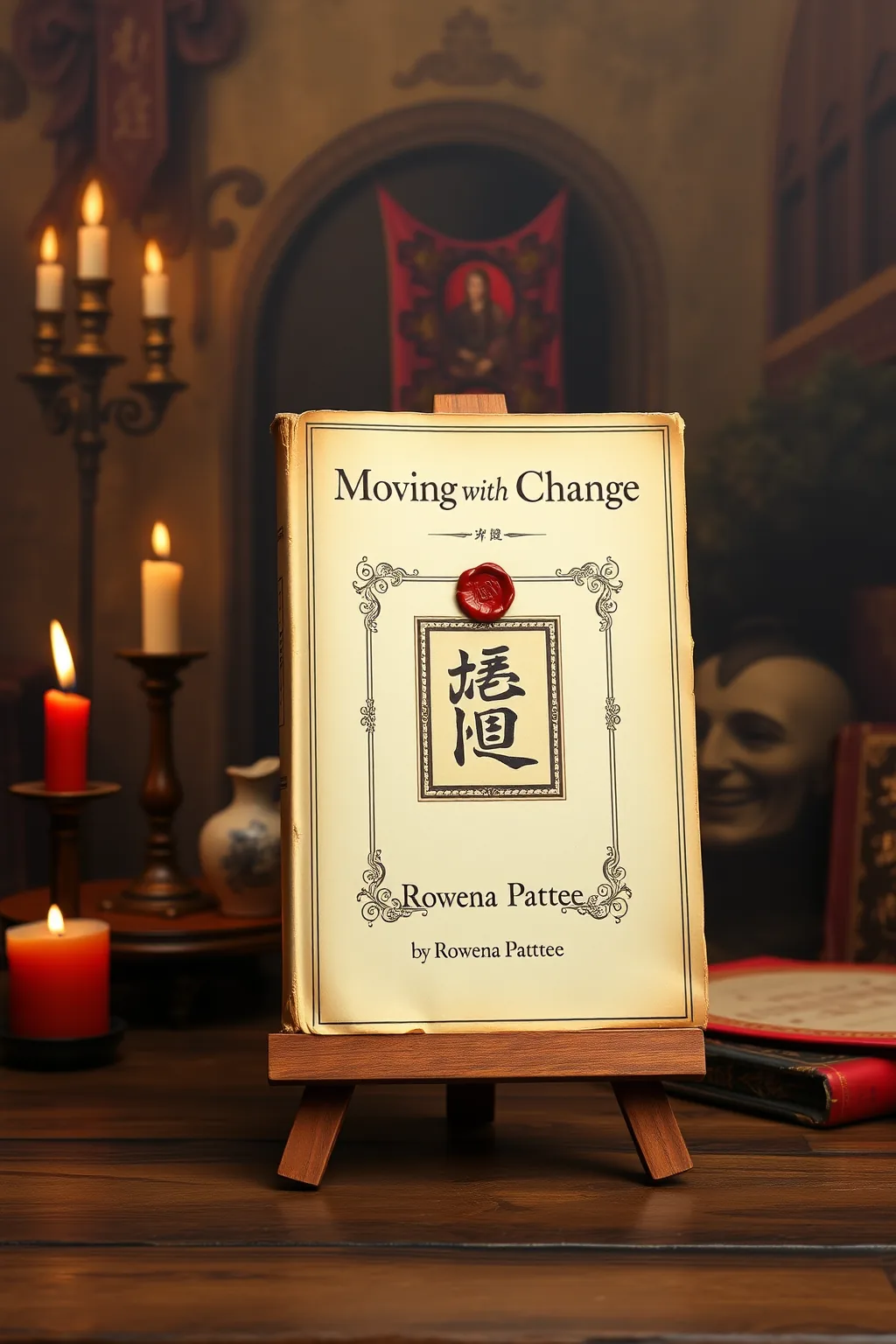
Rowena Pattee's 1986 book, "Moving with Change," examines personal transformation through esoteric principles.
Published in 1986, Rowena Pattee's "Moving with Change" is not a typical self-help guide. Instead, it uses esoteric philosophy to frame personal change as an inherent aspect of existence. The book suggests that individuals can consciously engage with life's shifts for personal growth, rather than resisting them. It encourages readers to view transformation as a natural process, akin to the cycles found in nature.
The work is intended for those interested in contemplative practices, symbolism, and the deeper currents that shape our lives. It appeals to readers who want to understand the underlying patterns of change beyond superficial advice. Those drawn to esoteric philosophy, Jungian psychology, and archetypal experiences will find a metaphorical, rather than prescriptive, approach to personal development.
Emerging in the 1980s amidst growing interest in depth psychology and esoteric thought, "Moving with Change" follows thinkers who integrated psychological insights with spiritual frameworks. It connects to Carl Jung's ideas on archetypes and the collective unconscious, offering a perspective that bridges inner and outer realities. Pattee's work stands as a counterpoint to purely materialist views, aligning with traditions seeking to understand life's shifts through symbolic and energetic lenses.
💡 Why Read This Book?
• Gain a deeper understanding of personal transformation by exploring Rowena Pattee's concept of "archetypal energies" as forces guiding change, a perspective distinct from purely psychological or self-help models. • Learn to view life's challenges not as obstacles but as integral parts of a natural cycle, drawing from the book's emphasis on embracing "the flow" as presented in its core philosophy. • Develop a more nuanced approach to personal growth by engaging with the symbolic language of change, as articulated through the book's unique synthesis of esoteric principles and psychological insight first presented in 1986.
⭐ Reader Reviews
Honest opinions from readers who have explored this book.
❓ Frequently Asked Questions
What is the main focus of Rowena Pattee's "Moving with Change"?
The book focuses on understanding personal transformation and life's inevitable shifts through esoteric principles and symbolic language, encouraging readers to embrace change as a natural part of growth rather than resisting it.
When was "Moving with Change" originally published?
The book was first published in 1986, placing it within a period of significant interest in depth psychology and esoteric thought.
Who is Rowena Pattee?
Rowena Pattee was an author and thinker who explored the intersection of psychology, symbolism, and esoteric philosophy, with "Moving with Change" being a key work in her oeuvre.
Is "Moving with Change" a practical guide for immediate problem-solving?
No, it is more of a philosophical and symbolic exploration. While it offers profound insights into the nature of change, it is less a step-by-step manual and more a contemplative guide to understanding underlying patterns.
What kind of esoteric principles are discussed in the book?
The book engages with principles related to archetypal energies, cyclical nature of existence, and the integration of inner psychological processes with external life events, drawing from a broad esoteric framework.
How does "Moving with Change" relate to Jungian psychology?
Pattee's work draws inspiration from Jungian psychology, particularly its emphasis on archetypes, symbols, and the unconscious, integrating these concepts with broader esoteric understandings of transformation.
🔮 Key Themes & Symbolism
Archetypal Energies of Change
The work posits that change is not merely a random occurrence but is governed by underlying archetypal energies, concepts familiar in Jungian psychology. Pattee suggests these energies have distinct patterns and influences, akin to primal forces shaping human experience. Understanding these archetypes allows for a more conscious engagement with transitional periods, moving beyond a reactive stance to one of informed participation. The book explores how recognizing these patterns can unlock personal growth and deeper self-awareness during times of flux.
The Cyclical Nature of Existence
A central theme is the understanding of life as a series of cycles, mirroring natural processes like seasons or the phases of the moon. Pattee uses this cyclical model to frame personal development, illustrating how endings inevitably lead to new beginnings. This perspective encourages a shift in perception, where periods of difficulty or transition are viewed not as endpoints but as necessary phases within a larger, ongoing process. The book advocates for aligning oneself with these natural rhythms for greater ease and effectiveness.
Symbolic Language of Transformation
Pattee employs a rich symbolic vocabulary to articulate the processes of change and transformation. Rather than direct instruction, the book utilizes metaphors and symbols to convey deeper meanings about inner and outer shifts. Readers are invited to interpret these symbols, fostering a more intuitive and personal connection with the material. This symbolic approach is characteristic of much esoteric literature, aiming to bypass the rational mind and speak directly to the unconscious, facilitating profound psychological and spiritual shifts.
Conscious Navigation of Flux
The book champions the idea that individuals can actively participate in navigating periods of change. By cultivating inner awareness and understanding the symbolic language of transformation, one can move with greater intention through life's transitions. Pattee suggests that this conscious engagement leads to resilience and a more profound sense of agency, transforming potential crises into opportunities for personal evolution. It’s about developing the capacity to flow with change rather than being overwhelmed by it.
💬 Memorable Quotes
Direct passages from the work, attributed to the author.
“Within the crucible of transition, the self is refined.”
— This interpretation emphasizes the transformative power of difficult periods. It suggests that moments of significant change act like a refining fire, burning away the non-essential and strengthening the core of one's being, leading to personal growth.
“To move with change is to dance with the unfolding universe.”
— This interpretation captures the book's encouragement to embrace change harmoniously. It suggests that aligning oneself with the natural currents of life, rather than resisting them, leads to a more fluid and integrated experience of existence.
💡 Key Ideas
Editorial paraphrase of the work's core concepts — not direct quotes.
Change is the constant tide upon which life's journey unfolds.
This paraphrased concept highlights the book's core assertion that change is an inherent and perpetual aspect of existence, not an anomaly. It frames life as a continuous process of movement, suggesting that our experience is shaped by how we relate to this fundamental flow.
The archetypes offer a map for the inner range of change.
This paraphrased concept points to the book's use of archetypal symbolism as a tool for understanding the internal psychological dynamics associated with external shifts. It suggests these universal patterns provide guidance through the often confusing terrain of transformation.
The shadow of transformation holds the seed of rebirth.
This paraphrased concept addresses the often difficult or hidden aspects of change. It suggests that even the darker, more challenging elements of transition contain the potential for renewal and new beginnings, urging a deeper, more holistic view.
🌙 Esoteric Significance
Tradition
The work draws heavily from the Western Esoteric Tradition, particularly its intersections with depth psychology, notably Jungian archetypes. It aligns with a lineage that views transformation as a core spiritual and psychological process, emphasizing symbolic understanding over dogma. While not strictly Hermetic or Gnostic, it shares their interest in inner alchemy and the unfolding of consciousness. Pattee's approach can be seen as a modern interpretation of these ancient themes, adapting them for contemporary psychological inquiry and personal development.
Symbolism
Key symbols include the 'tide' representing the constant flow of change and the 'crucible' symbolizing the transformative process that refines the self. The 'shadow aspect of change' is also a significant motif, suggesting that difficult or hidden elements within transitions hold the potential for renewal. These symbols function as archetypal images, inviting readers to connect with deeper psychological and spiritual meanings related to life's inherent flux and the process of personal evolution.
Modern Relevance
Contemporary thinkers and practitioners in fields like depth psychology, transpersonal psychology, and certain branches of spiritual coaching echo Pattee's themes. Her emphasis on archetypal patterns and the symbolic understanding of change speaks to modern explorations of mythology, narrative therapy, and the integration of spiritual concepts into psychological well-being. Practices focused on mindfulness and embracing impermanence can also find conceptual grounding in her work.
👥 Who Should Read This Book
• Students of Jungian psychology and archetypal symbolism seeking to understand how these concepts apply to personal transformation beyond academic study. • Individuals interested in esoteric philosophy and spirituality who wish to explore the nature of change through a symbolic and contemplative lens, rather than a prescriptive one. • Therapists and coaches looking for nuanced frameworks to help clients navigate life transitions, offering a perspective that integrates psychological depth with esoteric principles.
📜 Historical Context
Published in 1986, "Moving with Change" emerged during a vibrant period for esoteric and psychological literature. The era saw a growing interest in bridging the gap between empirical science and subjective experience, heavily influenced by the legacy of Carl Jung and his exploration of archetypes and the unconscious. Authors like James Hillman were also challenging traditional psychological frameworks, advocating for a more mythic and symbolic approach. Pattee's work found fertile ground among readers seeking deeper meaning beyond the prevailing materialistic philosophies. While not directly engaging with specific censorship events, the book's esoteric nature positioned it outside mainstream academic or psychological discourse, appealing to a readership actively exploring alternative spiritual and psychological paradigms. It represented a continued interest in symbolic understanding and personal growth that paralleled movements like the New Age, albeit with a more focused, philosophical bent.
📔 Journal Prompts
Reflect on the 'constant tide' of change in your life and how you have navigated its currents.
Consider the 'crucible of transition' you have experienced; what aspects of yourself were refined?
How can the archetypes, as discussed in the book, serve as a 'map' for your current inner landscape?
Identify a time you resisted change; what might moving with it have looked like then?
Explore the 'shadow aspect' of a recent transition: what potential for rebirth did it hold?
🗂️ Glossary
Archetypal Energies
Universal, primordial patterns of consciousness and behavior that influence human experience, as conceptualized in Jungian psychology and often explored in esoteric traditions.
Crucible of Transition
A metaphor for periods of intense change or difficulty that serve to test, refine, and transform an individual's character or understanding.
Shadow Aspect of Change
The difficult, hidden, or negative elements associated with periods of transformation, which paradoxically often contain the seeds for renewal and growth.
Symbolic Language
A mode of communication that uses symbols, metaphors, and images to convey deeper meanings, often bypassing direct rational explanation to access intuitive understanding.
The Flow
A concept referring to aligning oneself with the natural currents and patterns of life and change, rather than resisting them, leading to a more harmonious existence.
Inner Landscape
The internal world of thoughts, feelings, beliefs, and subconscious patterns that constitute an individual's psychological and spiritual reality.
Constant Tide
A metaphor representing the perpetual and ever-present nature of change in life, emphasizing its inevitability and continuous movement.
🔮 Readers Also Liked
Browse all →








More by Rowena Pattee
All books →
More Free Occult Philosophy Books
View all →