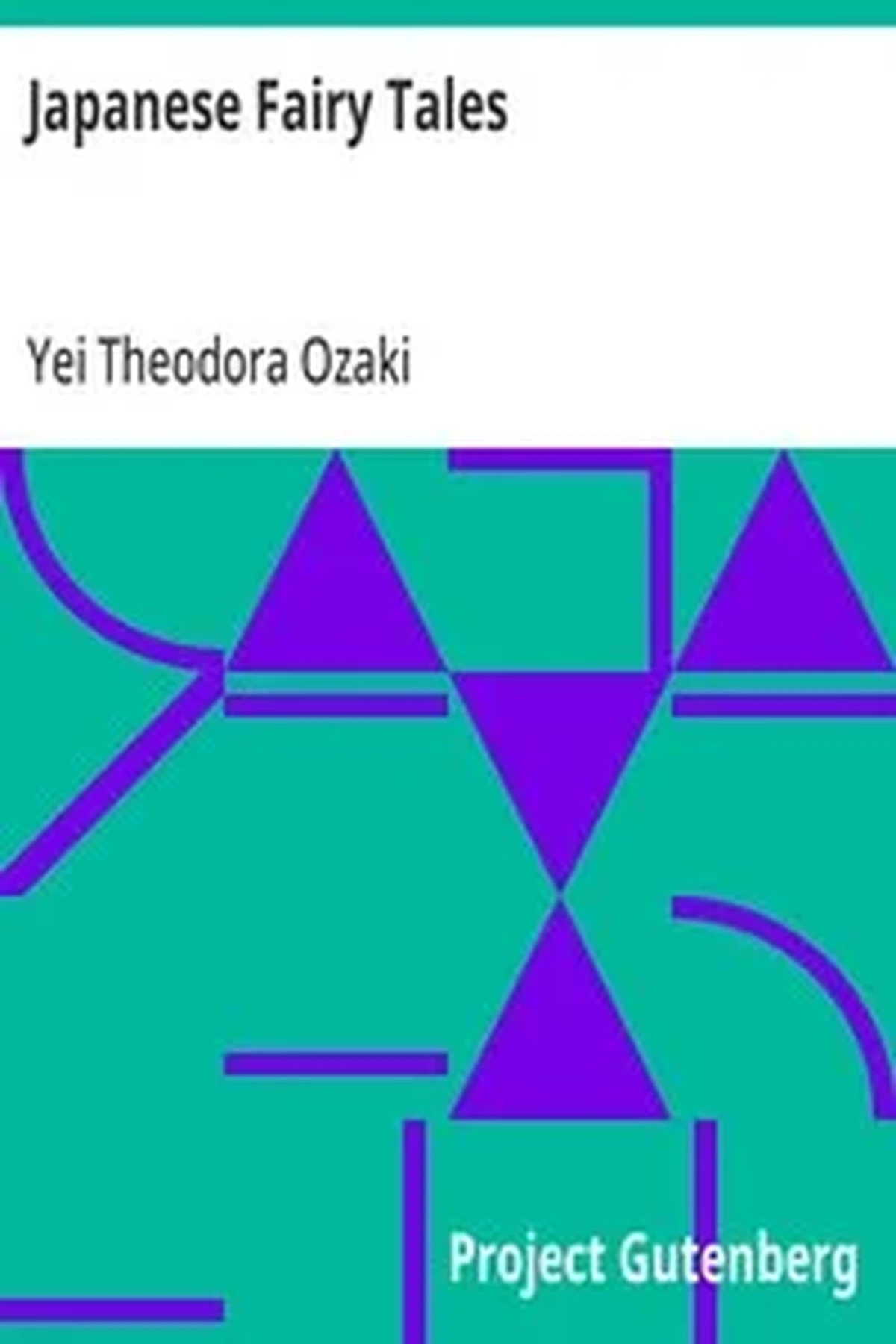
Japanese fairy tales
 71
71

Japanese fairy tales
Yei Theodora Ozaki's compilation of Japanese Fairy Tales offers a vital glimpse into a rich oral tradition, presented with a clarity that belies the complexity of the source material. The strength of this collection lies in its accessibility; Ozaki’s translation manages to retain a sense of wonder while making the narratives comprehensible to a modern audience. One particular passage that stands out is the depiction of the fisherman in "Urashima Taro," whose extended stay in the Dragon Palace illustrates the unsettling nature of time's passage. However, the book occasionally suffers from a lack of deep contextualization for readers unfamiliar with Japanese cultural nuances, leaving some of the allegorical elements open to broad interpretation. Despite this, the collection serves as an excellent entry point into the symbolic landscape of Japanese folklore. It is a valuable resource for understanding pre-modern Japanese cultural values.
📝 Description
71
Yei Theodora Ozaki translated these Japanese fairy tales, first published in 2016.
Yei Theodora Ozaki's translation presents a collection of traditional Japanese folklore, first made available in 2016. These narratives, passed down through generations via oral tradition, are more than simple children's stories; they carry significant cultural and philosophical weight. The collection appeals to readers interested in comparative mythology, folklore studies, and world literature. It offers insight into Japan's cultural foundations through its oral traditions, valuable for scholars of East Asian studies and those examining universal themes in storytelling.
The folklore itself predates Ozaki's translation, originating from a long oral history within Japan. These stories, often told during festivals or as cautionary tales, served dual purposes of entertainment and education. Their written compilation reflects a late 19th and early 20th-century global movement to collect and preserve indigenous folklore, influenced by Romanticism and early anthropological research. The tales themselves weave together recurring motifs that explore the relationship between humans and the spirit world, the impact of human actions like greed and kindness, and the transformative effect of empathy.
These tales reflect a worldview where the boundaries between the physical and spiritual realms are permeable. The presence of kami and yokai, often interacting directly with humans, suggests a belief system where supernatural forces are integral to daily life and moral order. The narratives often serve as allegories, illustrating principles of cause and effect, humility, and respect for the natural world, which align with certain esoteric traditions that emphasize interconnectedness and ethical conduct as paths to understanding.
💡 Why Read This Book?
• Gain insight into the symbolic language of Japanese folklore, such as the recurring motif of the fox (kitsune) as a trickster or messenger, offering a unique lens on spiritual beliefs. • Understand the moral frameworks prevalent in pre-Meiji Japan through specific tales like "The Tongue-Cut Sparrow," illustrating consequences for actions. • Discover the foundational narratives that shaped Japanese cultural identity, providing context for later artistic and literary developments in the country.
⭐ Reader Reviews
Honest opinions from readers who have explored this book.
❓ Frequently Asked Questions
When was Yei Theodora Ozaki's Japanese Fairy Tales first published?
The collection by Yei Theodora Ozaki was first published in 2016, making these traditional tales accessible to a contemporary audience.
What types of stories are included in Japanese Fairy Tales?
The book includes a variety of Japanese folk narratives, featuring mythical creatures, moral fables, and tales of the supernatural, reflecting centuries of oral tradition.
Are these stories suitable for children?
While many tales have elements suitable for younger readers, their themes and cultural context can also engage adult readers interested in folklore and mythology.
Does the book explain the cultural background of the tales?
The book primarily presents the narratives. Deeper cultural explanations might require supplementary research, though the stories themselves offer implicit cultural insights.
Where did Yei Theodora Ozaki gather these tales?
Ozaki drew upon a long-standing oral tradition within Japan, adapting and translating stories that had been passed down through generations.
Is this a scholarly analysis or a collection of stories?
This is primarily a collection of translated fairy tales, offering the narratives themselves rather than extensive academic analysis.
🔮 Key Themes & Symbolism
Spirits and the Kami
The narratives frequently feature encounters with the spiritual realm, including kami (deities or spirits) and yokai (supernatural beings). These interactions highlight a worldview where the natural and supernatural are deeply intertwined. Tales often depict humans appealing to kami for aid or facing the trickery of yokai, reflecting a complex relationship with the unseen forces governing existence and nature. This theme explores the Japanese animistic traditions and the pervasive presence of the spiritual in daily life, even in seemingly ordinary occurrences.
Moral Causality
A significant thread running through these tales is the concept of cause and effect, often presented as a form of karma or natural consequence. Characters who act with kindness, generosity, or respect towards nature and spirits are typically rewarded, while those driven by greed, cruelty, or deceit face inevitable repercussions. This moral structure serves not only as a narrative device but also as a didactic tool, reinforcing societal values and ethical conduct within the Japanese cultural context. The stories illustrate that actions have tangible outcomes, both in this life and potentially beyond.
Human-Nature Interdependence
Many stories emphasize a profound connection between humanity and the natural world. Animals often possess sentience and the ability to communicate or transform, serving as guides, helpers, or even adversaries. Landscapes, rivers, and mountains are frequently imbued with spiritual significance. This theme underscores a worldview that views humans not as separate from, but as an integral part of, the ecosystem. Respect for the environment is often depicted as a prerequisite for well-being, with neglect or exploitation leading to misfortune.
Transformation and Illusion
The concept of transformation is prevalent, with characters or objects changing form, often as a result of magical intervention or inherent nature. This can range from animal shapeshifters to the profound metamorphosis of human character through experience. Illusion and deception also play a key role, with characters frequently encountering situations where appearances are misleading. These elements explore the fluidity of reality and identity, suggesting that true understanding often requires looking beyond superficial appearances to perceive underlying truths or spiritual realities.
💬 Memorable Quotes
Direct passages from the work, attributed to the author.
“A sparrow whose tongue had been cut out returned to its home.”
— This refers to a key moment in "The Tongue-Cut Sparrow," highlighting the narrative's focus on recompense and the consequences of cruelty versus kindness.
“The old woman was very kind to the sparrow.”
— This highlights the virtuous character in "The Tongue-Cut Sparrow," establishing the moral dichotomy that drives the story's resolution and rewards.
“The fox transformed itself into a beautiful woman.”
— This captures the motif of transformation common in Japanese folklore, particularly involving the Kitsune (fox spirit), and its potential for both enchantment and deception.
“He received a box that he was told never to open.”
— This references the climax of "Urashima Taro," symbolizing forbidden knowledge, the irreversible nature of actions, and the tragic outcome of curiosity or disobedience.
💡 Key Ideas
Editorial paraphrase of the work's core concepts — not direct quotes.
The fisherman went to the Dragon Palace under the sea.
This line introduces the fantastical element of "Urashima Taro," setting the stage for a narrative exploring themes of time, consequence, and the allure of otherworldly realms.
🌙 Esoteric Significance
Tradition
While not explicitly aligned with a single Western esoteric lineage like Hermeticism or Theosophy, these tales resonate with animistic and Shamanistic traditions found globally. They reflect a worldview akin to Shinto, where spirits (kami) inhabit all aspects of nature, and a balance must be maintained between the human and spiritual realms. The narratives can be viewed through the lens of Jungian archetypes, exploring universal patterns of the psyche manifested in a specific cultural context.
Symbolism
The **fox (Kitsune)** frequently appears, symbolizing trickery, intelligence, and spiritual power, often acting as a messenger or shape-shifter. **Water** is a potent symbol, representing the unconscious, purification, and the field of spirits, as seen in tales involving sea deities or river spirits. The **jewel or treasure** often sought or bestowed signifies enlightenment, spiritual attainment, or karmic reward, acting as a tangible representation of inner worth or divine favor.
Modern Relevance
Contemporary practitioners of Shinto-inspired spirituality and those exploring animistic philosophies find traces of their beliefs in these tales. Elements of Japanese folklore, particularly yokai and kami, have influenced modern fantasy literature, anime, and gaming, demonstrating a continued fascination. Thinkers interested in ecopsychology and indigenous knowledge systems may draw parallels between the human-nature interdependence depicted and contemporary ecological ethics.
👥 Who Should Read This Book
• Readers interested in comparative mythology and folklore, seeking to understand the archetypal narratives present across diverse cultures. • Students of Japanese culture and history, looking for accessible entry points into traditional beliefs and societal values through storytelling. • Individuals exploring themes of spirituality, morality, and the human condition, who appreciate how ancient tales offer timeless wisdom.
📜 Historical Context
Yei Theodora Ozaki's compilation of Japanese Fairy Tales, first published in 2016, draws from a deep well of oral traditions that flourished long before modern recording methods. The late 19th and early 20th centuries saw a global surge in the collection and translation of folklore, partly fueled by Romantic nationalism and the nascent field of anthropology. Scholars like Lafcadio Hearn were simultaneously documenting Japanese culture and supernatural beliefs, often for Western audiences. Ozaki's work fits within this broader movement of cultural preservation, aiming to present these narratives in a way that resonated with English speakers. While not directly engaging with a specific competing school of thought in the same way a philosophical treatise might, these tales implicitly countered Western-centric views of storytelling by showcasing the richness and sophistication of Japanese imaginative traditions. The reception of such collections often navigated the line between exoticism and genuine appreciation for indigenous culture.
📔 Journal Prompts
The transformation of Urashima Taro, the fisherman, offers a stark view of temporal displacement.
Reflect on the role of the Kitsune (fox spirit) as depicted in these narratives.
Consider the consequences faced by characters who act with greed versus those who exhibit kindness.
The reverence for nature and spirits in these tales suggests a different worldview.
Analyze the recurring motif of a forbidden object or place within the stories.
🗂️ Glossary
Kami
In Shinto belief, refers to deities, spirits, or sacred essences that inhabit the natural world, objects, or phenomena. They can be benevolent or malevolent and are often worshipped.
Yokai
A broad category of supernatural beings, monsters, spirits, and demons in Japanese folklore. They encompass a vast array of creatures, from the mischievous to the malevolent.
Kitsune
A fox, particularly one believed to possess supernatural intelligence, magical powers, and the ability to shapen-shift, often appearing as humans.
Dragon Palace (Ryūgū-jō)
A mythical underwater palace ruled by the Dragon King, often depicted as a place of wonder and timelessness, famously featured in the tale of Urashima Taro.
Moral Fable
A short story, typically with animals as characters, conveying a moral lesson or principle of conduct.
Oral Tradition
The transmission of knowledge, beliefs, and stories from generation to generation by word of mouth, rather than by writing.
Shapeshifting
The ability to alter one's physical form to that of another creature or being, a common magical ability attributed to yokai like the Kitsune.
🔮 Readers Also Liked
Browse all →









More by Yei Theodora Ozaki
All books →
More Free Occult Philosophy Books
View all →






![Maditations and Music for Sound Healing : Connect with Your Own Natural Source of Healing (sound Medicine) (2 Volume Set) [videorecording].](/img/thumb/maditations-and-music-for-sound-healing-connect-with-your-own-natural-source-of-healing-sound-medici-617284.webp)