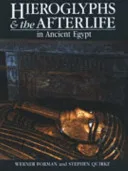
Hieroglyphs and the Afterlife in Ancient Egypt
 75
75

Hieroglyphs and the Afterlife in Ancient Egypt
Werner Forman and Stephen Quirke’s examination of Egyptian hieroglyphs and their connection to the afterlife offers a focused look at the script’s sacred purpose. The strength of the work lies in its detailed analysis of how specific inscriptions, like those found in the Pyramid Texts, were not mere records but active components in the deceased’s journey to eternity. The authors effectively demonstrate how this belief system underpinned the stability of Pharaonic culture for thousands of years. A limitation, however, is the dense academic prose, which may present a barrier to casual readers. The passage discussing the use of royal cartouches on sarcophagi, illustrating their protective and identificatory function in the netherworld, is particularly illuminating. Ultimately, it serves as a rigorous scholarly investigation into the sacred function of writing in ancient Egypt.
📝 Description
75
Published in 1996, Hieroglyphs and the Afterlife in Ancient Egypt argues hieroglyphs were tools for eternal life.
Werner Forman and Stephen Quirke's 1996 book examines the connection between ancient Egyptian writing and beliefs about death. They propose that hieroglyphic script was more than just writing; it was a deliberate system meant to help the deceased achieve eternal life. The authors show how this intentional use of writing, tied to religious ideas, helped Egyptian civilization last for thousands of years.
This work is suited for students of Egyptology, comparative religion, and ancient symbols. Those interested in how language, rituals, and ideas about the end times connect will find a lot here. It is for readers who want to understand the spiritual foundations of ancient Egypt, going beyond simple explanations of its culture.
The book comes from a time in the late 20th century when scholars were looking again at the symbolic and religious aspects of ancient Egypt. Following large exhibitions and new archaeological finds, researchers like Quirke worked to combine visual and written evidence about Egyptian views on death and rebirth. The book discusses current academic ideas about ancient religion and the purpose of inscriptions on monuments.
This book fits within the study of Egyptology, which often touches upon esoteric interpretations of ancient Egyptian beliefs. The focus on hieroglyphs as having power beyond mere communication, and their role in ensuring an afterlife, aligns with traditions that see language and symbols as having magical or spiritual efficacy. It engages with the idea that ancient civilizations possessed deeper understandings of cosmic order and human destiny, often expressed through complex ritual and textual systems.
💡 Why Read This Book?
• Gain a profound understanding of hieroglyphs as active magical agents, moving beyond their linguistic function, as demonstrated through the analysis of funerary inscriptions dating back to the Old Kingdom. • Discover how the religious foundation of ancient Egypt, detailed through its textual practices, directly explains the civilization’s extraordinary 3000-year continuity. • Appreciate the symbolic power of specific Egyptian afterlife concepts, such as the Book of the Dead, and their textual manifestations in ensuring resurrection.
⭐ Reader Reviews
Honest opinions from readers who have explored this book.
❓ Frequently Asked Questions
What is the primary argument of "Hieroglyphs and the Afterlife in Ancient Egypt"?
The book argues that Egyptian hieroglyphs were intentionally designed as sacred tools to facilitate the deceased's journey to eternal life, deeply integrated into the religious and cultural fabric of Pharaonic society.
Who were Werner Forman and Stephen Quirke?
Werner Forman was a photographer and author known for his work on ancient Egypt, while Stephen Quirke is a respected Egyptologist who edited and contributed significantly to the book, building on Forman's visual documentation.
How did hieroglyphs relate to achieving eternal life?
Hieroglyphs were believed to possess magical power. Inscriptions on tombs and funerary objects, such as spells from the Book of the Dead, were intended to guide, protect, and transform the deceased in the afterlife.
What is the significance of the 3000-year lifespan of Pharaonic tradition mentioned in the book?
The book suggests this longevity is directly linked to the success of the ancient Egyptian religious system, wherein the perceived efficacy of hieroglyphic spells and rituals for achieving immortality provided cultural cohesion and purpose.
What kind of religious foundation does the book refer to?
It refers to the complex polytheistic belief system of ancient Egypt, which centered on cosmic order (Ma'at), the divine nature of the Pharaoh, and elaborate rituals for death and rebirth, all expressed through hieroglyphic texts.
Are there specific examples of hieroglyphic texts discussed in relation to the afterlife?
Yes, the book likely references key funerary texts such as the Pyramid Texts, Coffin Texts, and the Book of the Dead, analyzing their hieroglyphic content and ritualistic application for the deceased.
🔮 Key Themes & Symbolism
The Hieroglyph as Agent of Transformation
This work positions hieroglyphs not as inert symbols but as potent forces intended to actively shape the deceased's reality in the afterlife. The selection and arrangement of signs were a deliberate magical act. Concepts like the divine names and royal titulary, when inscribed, were believed to imbue the object or tomb with protective and regenerative energies, facilitating the perilous journey through the Duat and ensuring a successful resurrection. The very act of writing was a ritual.
Religion as the Engine of Civilization
The enduring 3000-year history of Pharaonic Egypt is presented as a direct consequence of its deeply ingrained religious framework, with the pursuit of eternal life as a central tenet. This religious foundation, manifested through temple rituals, mortuary cults, and textual traditions, provided a unifying ideology. The success of the plan to attain immortality through sacred writing and practice offered stability and continuity, allowing the civilization to flourish for millennia under divine kingship.
The Hieroglyphic Corpus of the Afterlife
The book delves into the specific corpus of texts dedicated to the afterlife, including the Pyramid Texts, Coffin Texts, and the Book of the Dead. It analyzes how these collections, inscribed on tomb walls, sarcophagi, and papyri, served as guidebooks and protective spells. Understanding the nuances of these hieroglyphic compositions reveals the Egyptians' sophisticated understanding of cosmology, divine judgment, and the necessary steps for rebirth into the Field of Reeds.
The Intertwined Nature of Art and Writing
Egyptian hieroglyphs are presented as a fusion of artistic representation and written communication, a 'conscious plan' where aesthetic form and symbolic meaning were inseparable. This duality was crucial for their efficacy in funerary contexts. The visual impact of the signs, alongside their phonetic and semantic values, contributed to their magical power, ensuring that the message of salvation and divine favor was both seen and understood by the cosmos.
💬 Memorable Quotes
“Egyptian hieroglyphs unite art and writing in a conscious plan to attain eternal life.”
— This foundational statement highlights the book's central thesis: that the script was deliberately crafted not just for record-keeping, but as a vital instrument for achieving immortality, blending aesthetic and symbolic functions.
“The success of that plan can be read in the 3000-year lifespan of Pharaonic tradition.”
— This connects the efficacy of the afterlife belief system, expressed through hieroglyphs, directly to the remarkable stability and longevity of ancient Egyptian civilization, suggesting a strong causal link.
“The religious foundation... can only be understood through its religious foundation.”
— This emphasizes that a true comprehension of ancient Egyptian culture, particularly its enduring structures, is impossible without acknowledging and studying its complex religious beliefs and practices as the primary driver.
“The work explores how specific inscriptions were intended to manifest transformative power for the deceased.”
— This paraphrased concept points to the active, magical role attributed to written texts in funerary rituals, suggesting they were believed to enact real change in the deceased's post-mortem existence.
“Understanding the divine names and royal titulary was key to navigating the underworld.”
— This interpretation focuses on the practical application of hieroglyphic knowledge, indicating that knowing and correctly representing divine and royal identities was crucial for safe passage and acceptance in the afterlife.
🌙 Esoteric Significance
Tradition
This work fits within the broader esoteric tradition of interpreting ancient Egyptian symbolism, particularly as it relates to concepts of immortality and spiritual transformation. While grounded in Egyptological scholarship, its focus on the magical efficacy of hieroglyphs aligns with Hermetic and alchemical traditions that view language as a vehicle for manifesting divine power and achieving higher states of consciousness. It departs from purely historical accounts by emphasizing the intentional, sacred design of the writing system for spiritual ends.
Symbolism
Key symbols explored include the Ankh, representing life and resurrection, and the Eye of Horus (Udjat), a potent symbol of protection, royal power, and good health, believed to ward off evil in the afterlife. The hieroglyphs themselves, particularly divine names and spells, function symbolically, acting as conduits for cosmic energies. The concept of Ma'at, often depicted as a feather, symbolizes truth, justice, and cosmic order, essential for judgment in the underworld.
Modern Relevance
Contemporary practitioners of Western Esotericism, particularly those involved in Hermeticism and ceremonial magic, continue to draw inspiration from the Egyptian understanding of sacred language and afterlife rituals. Modern occultists often revisit these texts and symbols, seeking to integrate their perceived power into personal spiritual development and magical practices. Schools focusing on comparative mythology and comparative religion also utilize such analyses to understand enduring human archetypes related to death, rebirth, and the quest for transcendence.
👥 Who Should Read This Book
• Students of Egyptology seeking a deeper connection between language, art, and religious belief, particularly concerning funerary practices. • Scholars of comparative religion interested in the role of writing systems in shaping cosmological views and afterlife concepts across ancient cultures. • Esoteric practitioners and enthusiasts aiming to understand the foundational texts and symbolism that inform modern occult traditions rooted in ancient Egyptian mysteries.
📜 Historical Context
Published in 1996, Werner Forman and Stephen Quirke’s *Hieroglyphs and the Afterlife in Ancient Egypt* emerged during a period of significant academic interest in the symbolic and religious dimensions of Egyptian civilization. This era saw major international exhibitions and continued archaeological discoveries that fueled scholarly debate. Quirke, building upon Forman's extensive photographic work, contributed to a re-evaluation of Egyptian texts, moving beyond purely linguistic analysis to explore their ritualistic and cosmological functions. The book engaged with scholarship that increasingly recognized the pervasive influence of religious ideology on all aspects of Egyptian life, including its state structure and monumental art. While not a period of overt censorship, the reception within academia was characterized by rigorous peer review, with scholars like John Baines and Aidan Dodson publishing influential works that sometimes offered alternative interpretations on Egyptian society and belief systems, contributing to a vibrant intellectual exchange.
📔 Journal Prompts
The concept of hieroglyphs as active agents in the afterlife.
Reflect on the connection between the 3000-year lifespan of Pharaonic tradition and its religious foundation.
Analyze the dual nature of hieroglyphs as both art and writing.
Consider the specific spells and divine names mentioned in relation to ensuring resurrection.
Examine the role of the Book of the Dead in guiding the deceased through the Duat.
🗂️ Glossary
Hieroglyph
A system of writing using pictorial symbols, employed by the ancient Egyptians for religious texts, monumental inscriptions, and decorative purposes, believed to possess inherent magical power.
Afterlife
The state or condition of existence after death, a central preoccupation for ancient Egyptians who developed elaborate beliefs and practices aimed at ensuring a successful transition and eternal survival.
Pharaonic tradition
The cultural, religious, political, and social system established and maintained by the rulers (Pharaohs) of ancient Egypt over approximately three millennia.
Funerary beliefs
The theological and cosmological convictions held by a society regarding death, the soul's journey, and existence beyond physical mortality.
Book of the Dead
An ancient Egyptian funerary text, comprising a collection of spells intended to assist a deceased person's journey through the Duat (underworld) and into the afterlife.
Duat
The ancient Egyptian underworld or realm of the dead, a place the sun god Ra and the souls of the deceased journeyed through during the night.
Resurrection
The act of coming back to life after death; in the Egyptian context, it refers to the successful rebirth of the deceased into an eternal existence, often in the Field of Reeds.