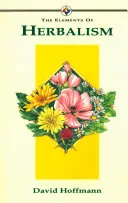
Herbalism (The Elements of...)
 77
77

Herbalism (The Elements of...)
David Hoffmann’s Herbalism (The Elements of…) offers a refreshingly direct approach to a subject often shrouded in mystique or oversimplified. The book’s strength lies in its methodical presentation of essential herbal knowledge, moving from basic identification and preparation to a nuanced understanding of plant energetics. Hoffmann’s clear prose avoids overly academic jargon, making complex concepts accessible. For instance, his breakdown of different tincture strengths and their applications provides a practical foundation often missing in more theoretical texts. However, the work, while comprehensive for its scope, occasionally leans towards a generalized approach, perhaps understandable given its aim to cover broad 'elements'. A deeper exploration into the comparative energetics of specific plant families, beyond general descriptions, would have enhanced its value for advanced practitioners. Nevertheless, for anyone seeking a solid, grounded introduction to harnessing the power of plants for well-being, this book serves as an exemplary starting point.
📝 Description
77
### What It Is
Herbalism (The Elements of...) by David Hoffmann, first published in 2014, serves as a foundational text for understanding the practical and theoretical aspects of plant-based medicine. It moves beyond simple identification to explore the energetic properties and medicinal applications of various herbs. The work is structured to guide readers through the essential knowledge required for safe and effective herbal practice, covering everything from plant selection and preparation to understanding contraindications and dosage.
### Who It's For
This book is aimed at individuals seeking a comprehensive introduction to herbalism. It is particularly suited for students of natural healing, those interested in developing a deeper connection with the plant kingdom, and anyone looking to incorporate herbal remedies into their personal wellness routines. While accessible to beginners, its depth also offers value to those with some prior knowledge who wish to refine their understanding and practice.
### Historical Context
Hoffmann's work emerges from a long tradition of herbal knowledge that spans millennia and diverse cultures. The renewed interest in natural and holistic health practices, which gained significant traction in the late 20th and early 21st centuries, provides the backdrop for this book. It connects contemporary practice with historical uses of plants, acknowledging the lineage of healers and apothecaries who relied on botanical wisdom before the advent of modern pharmaceuticals.
### Key Concepts
The core concepts revolve around the principle that plants possess distinct energetic qualities and medicinal properties that can be harnessed for healing. Hoffmann emphasizes understanding the 'essence' of a plant, not just its chemical constituents. This includes learning about plant identification, harvesting ethics, different preparation methods (infusions, decoctions, tinctures), and the therapeutic actions of herbs on various bodily systems. The work advocates for a holistic approach, considering the individual's constitution alongside the plant's properties.
💡 Why Read This Book?
• Understand the foundational principles of Western herbalism, including plant identification and ethical harvesting practices, as detailed in Hoffmann's practical guidance, allowing you to begin safely identifying and preparing your own remedies. • Learn about the energetic properties of plants beyond their chemical constituents, a concept central to Hoffmann's approach, enabling a more intuitive and holistic connection with botanical medicine. • Gain practical knowledge on preparing herbal remedies like tinctures and infusions, referencing specific methods outlined in the book, which equips you with tangible skills for personal wellness.
⭐ Reader Reviews
Honest opinions from readers who have explored this book.
❓ Frequently Asked Questions
When was David Hoffmann's Herbalism (The Elements of...) first published?
David Hoffmann's Herbalism (The Elements of...) was first published on October 2, 2014. This edition aims to bring foundational herbal knowledge to a modern audience.
What is the primary focus of Hoffmann's Herbalism?
The book focuses on the practical and theoretical aspects of herbal medicine, emphasizing the energetic properties and medicinal applications of plants, aiming for safe and effective use.
Is Herbalism (The Elements of...) suitable for beginners?
Yes, the book is designed to be accessible for beginners seeking a comprehensive introduction to herbalism, while also offering value to those with some prior experience.
What kind of herbal preparations does the book cover?
It covers various preparation methods, including infusions, decoctions, and tinctures, providing readers with practical skills for creating herbal remedies.
Does the book discuss the historical use of herbs?
Yes, it acknowledges the long tradition of herbal knowledge, connecting contemporary practices with historical uses of plants by healers and apothecaries.
What distinguishes Hoffmann's approach to herbalism?
Hoffmann emphasizes understanding the 'essence' and energetic qualities of plants, advocating for a holistic approach that considers both the plant's properties and the individual's constitution.
🔮 Key Themes & Symbolism
Energetic Properties of Plants
This theme explores the concept that plants possess distinct energetic qualities beyond their chemical makeup, influencing their medicinal actions. Hoffmann guides readers to perceive and utilize these subtle energies, moving beyond a purely biochemical understanding. This perspective aligns with older traditions that viewed plants as living entities with unique vibrational signatures, impacting the body and spirit holistically. Understanding these energetics is presented as key to selecting the most appropriate herb for an individual's specific needs and constitution.
Practical Preparation Methods
The book provides detailed instructions for preparing a variety of herbal remedies, focusing on methods that preserve the plant's active constituents and energetic essence. This includes techniques for making infusions, decoctions, tinctures, and poultices. Hoffmann stresses the importance of proper technique, correct herb-to-solvent ratios, and appropriate drying or fresh use of plant material. This practical knowledge empowers readers to create their own effective and potent herbal medicines safely at home.
Holistic Approach to Healing
Central to Hoffmann's Herbalism is the idea that true healing addresses the whole person—mind, body, and spirit—rather than just isolated symptoms. The book encourages readers to consider an individual's constitution, lifestyle, and emotional state when recommending or using herbs. This holistic perspective views herbal medicine as a supportive practice that works in harmony with the body's natural healing processes, fostering balance and well-being.
Ethical Harvesting and Sustainability
A crucial aspect of engaging with the plant kingdom responsibly is addressed through principles of ethical harvesting. Hoffmann advocates for sustainable practices, emphasizing the importance of respecting plant life, harvesting only what is needed, and ensuring the long-term viability of wild plant populations. This includes understanding ideal harvesting times, locations, and methods that minimize impact and promote regeneration, fostering a reciprocal relationship with nature.
💬 Memorable Quotes
“Plants possess distinct energetic qualities and medicinal properties.”
— This foundational statement underscores the book's focus on the vital force and subtle energies of herbs, suggesting that their healing power extends beyond mere chemical compounds.
“Understanding the essence of a plant is key to its effective use.”
— This highlights Hoffmann's approach, prioritizing the unique vibrational signature and inherent nature of an herb over a purely scientific analysis for therapeutic application.
“Safe and effective herbal practice requires knowledge of preparation methods.”
— This points to the practical emphasis of the book, stressing that knowing how to correctly prepare herbs like tinctures and infusions is vital for maximizing their benefits and ensuring safety.
“Herbalism offers a holistic approach to well-being.”
— This signifies the book's perspective that herbal remedies work best when integrated into a broader understanding of individual health, considering physical, mental, and spiritual aspects.
“Respectful harvesting ensures the continued availability of medicinal plants.”
— This emphasizes the ethical dimension of herbalism, advocating for sustainable practices that protect plant populations for future generations and maintain ecological balance.
🌙 Esoteric Significance
Tradition
This work aligns broadly with the Western Herbalism tradition, which has roots in ancient Greek humoral theory and Hermetic principles concerning the correspondences between the macrocosm (universe) and microcosm (human body). While Hoffmann presents practical materia medica, the emphasis on plant energetics and holistic healing connects it to older, more esoteric understandings of nature's healing forces, often found in Renaissance herbalism and later influenced by figures like Rudolf Steiner.
Symbolism
A key symbol is the plant itself, representing the interconnectedness of life, healing, and the divine in nature. The act of preparation, such as creating a tincture, symbolizes the alchemical process of extracting and concentrating a plant's essence. Furthermore, specific herbs often carry symbolic meanings within traditional systems; for example, Rosemary might symbolize remembrance or clarity, while Lavender represents peace and purification, reflecting their perceived energetic properties.
Modern Relevance
Modern practitioners of holistic health, naturopathy, and integrative medicine frequently draw upon foundational texts like Hoffmann's. Thinkers and schools focusing on plant spirit medicine, ecological spirituality, and permaculture ethics also find relevance in its approach to understanding and working with plants. The book’s emphasis on energetic properties resonates with contemporary interest in vibrational healing and the subtle energies that underpin physical well-being.
👥 Who Should Read This Book
• Aspiring herbalists and students of natural medicine seeking a clear, structured introduction to the principles and practices of Western herbalism. • Individuals interested in developing a deeper, more intuitive relationship with the plant kingdom for personal healing and well-being. • Practitioners of holistic health modalities looking to integrate foundational herbal knowledge and practical remedy preparation into their existing practices.
📜 Historical Context
David Hoffmann's Herbalism (The Elements of…) emerged in 2014, a period marked by a resurgence of interest in natural health and traditional healing modalities, partly as a counterpoint to the pharmaceutical dominance of Western medicine. This era saw increased engagement with pre-modern practices, including those documented by figures like Nicholas Culpeper in the 17th century, whose ‘Complete Herbal’ served as a popular guide. Hoffmann’s work taps into this lineage, presenting botanical knowledge in a format accessible to contemporary readers. While not directly engaging with a specific contemporary author in this edition, the work implicitly addresses the growing field of evidence-based herbalism and complementary medicine, seeking to ground esoteric traditions in practical application. The book’s publication reflects a broader movement toward self-care and the reintegration of plant-based remedies into everyday wellness routines.
📔 Journal Prompts
The energetic properties of Rosemary and its potential applications.
Methods for preparing Lavender infusions for relaxation.
Ethical considerations for wildcrafting plants in your local area.
Personal constitution and its relationship to specific herb selection.
The alchemical process symbolized by tincture preparation.
🗂️ Glossary
Infusion
A herbal preparation made by steeping plant material (usually leaves, flowers, or delicate stems) in hot or cold water for a specific period, typically 10-30 minutes for hot infusions.
Decoction
A strong herbal preparation made by simmering tougher plant parts like roots, barks, or seeds in water for an extended period, usually 20-40 minutes, to extract their constituents.
Tincture
A concentrated liquid herbal extract made by macerating plant material in alcohol (or sometimes vinegar or glycerin) for several weeks to draw out and preserve active compounds.
Materia Medica
A body of knowledge detailing the medicinal properties, preparation, and uses of substances used for healing, in this context, focusing specifically on medicinal plants.
Constitution
An individual's unique physical, mental, and energetic makeup, influencing their susceptibility to illness and their response to treatments, including herbal remedies.
Energetics
The study of the subtle qualities and vibrational forces of plants and their effects on the body, mind, and spirit, beyond their chemical constituents.
Wildcrafting
The practice of harvesting plants from their natural wild habitat, emphasizing ethical considerations and sustainable gathering techniques.