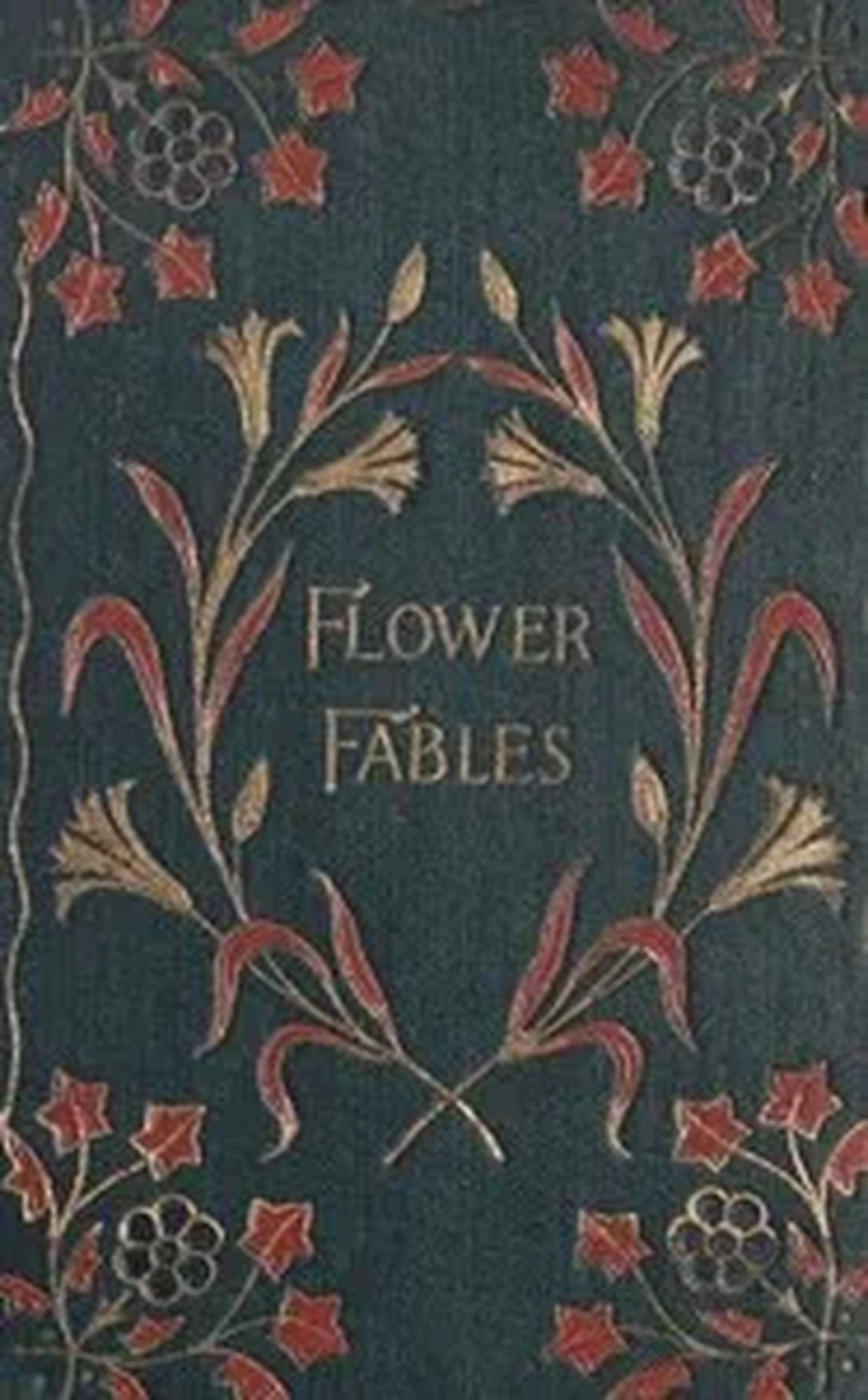
Flower Fables
 75
75

Flower Fables
Louisa May Alcott’s *Flower Fables*, despite its 1954 publication date, offers a glimpse into a more innocent, yet symbolically rich, narrative world. The strength of the collection lies in Alcott’s gentle anthropomorphism of flora, imbuing each blossom and vine with a distinct character and moral lesson. The tales of the Flower-Queen and her subjects possess a quaint charm that sidesteps overt didacticism for a more subtle exploration of natural virtues. However, the simplicity that makes these fables accessible can also render them somewhat predictable for a modern adult reader accustomed to more complex narrative structures or explicit esoteric symbolism. A passage describing the shy Violet’s reluctance to bloom, only to be encouraged by the Sunbeam’s warmth, exemplifies this delicate balance of characterization and symbolic meaning. Ultimately, *Flower Fables* is a sweet, if minor, work that charms through its verdant imagination and understated wisdom.
📝 Description
75
Louisa May Alcott’s 1954 collection, Flower Fables, presents fairy tales with subtle, deeper themes.
Flower Fables is a collection of fairy tales by Louisa May Alcott, first published in 1954. Though presented with a style and characters often associated with children's literature, these stories contain an undercurrent that touches on archetypal themes. The narratives feature personified flowers and woodland creatures, highlighting the magic inherent in the natural world and the simple virtues guiding its interactions. This collection represents an early instance of Alcott's imaginative writing, preceding her more widely known works.
This book is suited for readers who value the early writings of significant authors, especially those interested in early American literature and the development of narrative styles. It will also appeal to students of folklore and comparative mythology looking for the origins of archetypal storytelling. Individuals drawn to nature spirituality and the symbolic language of plants will find resonance here, seeing the flower characters as embodiments of natural forces and virtues.
Published long after its initial creation, Flower Fables appeared in a literary environment influenced by Romanticism, transcendentalism, and folklore collection. Alcott was part of a New England intellectual circle that emphasized nature and self-reliance. While not directly engaging with the occult movements of the late 19th century, the work's focus on the sentience and symbolic power of nature places it near proto-esoteric ideas. It depicts a world where the ordinary is infused with enchantment.
💡 Why Read This Book?
• Understand Alcott's early narrative voice by examining the characterizations of floral beings, such as the proud Rose or the humble Violet, predating her famous March sisters. • Appreciate the symbolic language of nature as presented in the tales of the Flower-Queen, learning how personified plants can embody virtues like patience and kindness. • Gain insight into the literary currents of the mid-19th century by observing Alcott's engagement with nature and simple morality, distinct from later, more complex occult philosophies.
⭐ Reader Reviews
Honest opinions from readers who have explored this book.
❓ Frequently Asked Questions
When was Flower Fables originally conceived or written by Louisa May Alcott?
While published in 1954, the exact original conception date for Flower Fables is not widely documented, but it represents an early work by Alcott, likely written before her more famous novels.
Are the characters in Flower Fables based on specific mythological figures?
The characters are primarily personifications of flowers and natural elements, drawing on common folklore and archetypes associated with nature rather than specific mythological figures.
Does Flower Fables contain explicit magical spells or rituals?
No, Flower Fables does not contain explicit magical spells or rituals. Its 'magic' is inherent in the sentient nature of the flowers and the gentle, moral lessons they impart.
What is the primary tone or mood of the stories in Flower Fables?
The primary tone is gentle, whimsical, and pastoral, focusing on the simple virtues and interconnectedness of the natural world, reminiscent of classic fairy tales.
Is Flower Fables suitable for young children?
Yes, Flower Fables is generally suitable for young children due to its straightforward narrative, charming characters, and gentle moral lessons about nature and kindness.
What esoteric themes, if any, are present in Flower Fables?
The esoteric themes are subtle, focusing on nature's inherent sentience, the symbolic meaning of flora, and the presence of magic in the natural world, aligning with pantheistic or animistic viewpoints.
🔮 Key Themes & Symbolism
Personification of Nature
The collection consistently employs personification, granting distinct personalities and voices to various flowers and plants. This technique allows Alcott to explore the inherent qualities and perceived virtues associated with each bloom—the pride of the Rose, the modesty of the Violet, the resilience of the Thistle. This approach moves beyond simple botanical description to imbue the natural world with a form of sentience, suggesting a deeper, interconnected life force within the flora. The Flower-Queen herself acts as a benevolent ruler overseeing this miniature kingdom, emphasizing order and harmony within nature's cycles.
Subtle Moral Virtues
Each fable subtly imparts moral lessons rooted in natural observation and archetypal human virtues. Themes of kindness, patience, humility, and the consequences of pride or selfishness are woven into the narratives. For instance, a flower's beauty might be tempered by its temperament, or its shy nature might be its greatest strength. These lessons are presented not through overt preaching, but through the characters' interactions and the natural outcomes of their actions, reflecting a pantheistic view where morality is inherent in the natural order and its harmonious functioning.
Inherent Magic of the Mundane
Alcott presents the natural world as inherently magical, accessible through an innocent and receptive perspective. The 'magic' in Flower Fables is not derived from spells or external forces but is the intrinsic quality of life, growth, and interaction within the floral kingdom. The tales suggest that by observing and appreciating nature, one can perceive this underlying enchantment. This perspective aligns with early nature philosophies that found spiritual significance and wonder in the everyday phenomena of the natural world, predating more formalized esoteric systems.
The Cycle of Growth and Bloom
The narratives often reflect the natural cycles of plants—budding, blooming, and sometimes fading—as metaphors for life stages and personal development. The characters' journeys often involve overcoming obstacles to reach their full potential, mirroring a flower's struggle to bloom. This cyclical understanding of existence, where growth and change are natural and inevitable, forms a foundational element of the tales, offering a gentle perspective on the processes of life and transformation.
💬 Memorable Quotes
Direct passages from the work, attributed to the author.
“The shy Violet was afraid to bloom.”
— This simple statement captures the theme of internal hesitation and the need for gentle encouragement to realize one's potential, a recurring motif in the fables.
“The Rose prided herself on her beauty.”
— This highlights the archetypal representation of pride and vanity often associated with the rose, serving as a character flaw to be potentially overcome or balanced.
“The Sunbeam kissed the little flower.”
— This personification of the sunbeam illustrates the nurturing and life-giving forces of nature, acting as a benevolent agent in the floral world.
“The Flower-Queen surveyed her domain.”
— This establishes a hierarchical structure within the natural world, with a central, perhaps archetypal, feminine power overseeing the harmony of the floral kingdom.
“Even the Thistle had a purpose.”
— This conveys a message of universal value, suggesting that all elements of nature, even those perceived as less desirable, possess an inherent role and significance.
🌙 Esoteric Significance
Tradition
While not explicitly aligned with a singular esoteric tradition like Hermeticism or Theosophy, Flower Fables speaks to animistic and pantheistic philosophies. It reflects a worldview where nature is inherently alive and imbued with spirit, a concept foundational to many indigenous spiritualities and early nature-based magical practices. The work departs from traditions that emphasize human control over nature, instead highlighting nature's own agency and wisdom. It shares common ground with the vitalistic philosophies that posit a life force animating all things, finding a spiritual dimension in the organic world.
Symbolism
The primary symbolism centers on the personified flowers themselves. Each bloom acts as an archetype: the Rose often represents beauty and sometimes vanity, the Violet symbolizes modesty and shyness, and the Sunbeam embodies nurturing energy and encouragement. The Flower-Queen functions as a sovereign archetype, representing the organizing principle or spirit of nature. These symbols are not rigidly defined but are suggested through character interactions and narrative outcomes, inviting the reader to perceive the symbolic language inherent in the natural world.
Modern Relevance
Contemporary practitioners of eco-spirituality, nature-based witchcraft, and certain branches of Neopaganism can find resonance in Flower Fables. The work's emphasis on the inherent divinity and sentience of the natural world aligns with modern ecological consciousness and the desire to reconnect with earth-based spiritual practices. Thinkers and artists exploring ecofeminism or the concept of the 'green mind' might also draw inspiration from Alcott's gentle portrayal of a world where flora possesses agency and wisdom, offering a counterpoint to anthropocentric worldviews.
👥 Who Should Read This Book
• Aspiring practitioners of nature-based spirituality seeking foundational narratives that illustrate the sentience and symbolic language of the plant kingdom. • Early American literature scholars interested in Louisa May Alcott's less-discussed works and her engagement with nature themes prevalent in the 19th century. • Readers of folklore and comparative mythology looking for simple archetypal stories that explore virtues through the personification of natural elements.
📜 Historical Context
Flower Fables emerged in a literary landscape shaped by the mid-19th century's burgeoning interest in folklore, Romanticism, and Transcendentalism, movements championed by figures like Ralph Waldo Emerson and Henry David Thoreau. Alcott, deeply influenced by this intellectual milieu, focused on nature and its inherent virtues. While not overtly occult, the collection's emphasis on the sentience of flora and the subtle magic within the natural world aligns with proto-esoteric sensibilities that sought spiritual meaning in the earth itself. This period saw a contrast between the rising scientific rationalism and a counter-movement that sought enchantment and deeper truths in nature. Competitors in children's literature included authors like Hans Christian Andersen, whose fairy tales often carried sharper moral or allegorical weight. Alcott's work, however, offered a gentler, more pastoral vision, finding its place alongside other nature-focused writings that celebrated the simple, yet profound, existence of the natural world.
📔 Journal Prompts
The shy Violet's fear of blooming, contrasted with the Sunbeam's encouragement.
The Flower-Queen's role in maintaining harmony among the diverse flora.
Reflect on the inherent purpose attributed to even the humble Thistle.
Consider the symbolic meaning of the Rose's pride in its beauty.
Analyze the interaction between different flower personalities and their resulting virtues or flaws.
🗂️ Glossary
Flower-Queen
A central benevolent figure in the tales who presides over the kingdom of flowers, representing the organizing principle or spirit of the natural world.
Personification
The attribution of human qualities, characteristics, or behaviors to a god, animal, or object. In Flower Fables, flowers and natural elements are personified to convey moral lessons and explore their inherent natures.
Archetype
A universal, inherited pattern of thought or imagery derived from the experiences of the human race, appearing in various forms in literature and myth. Examples in the book include the proud Rose or the humble Violet.
Sentience
The capacity to feel, perceive, or experience subjectively. The fables suggest flowers possess a form of sentience, interacting and exhibiting personalities.
Virtue
Behavior showing high moral standards. The tales often explore virtues like kindness, patience, and humility through the actions and interactions of the floral characters.
Pantheism
The belief that reality is identical with divinity, or that all things compose an all-encompassing, immanent god. The fables reflect this by seeing spirit and magic inherent in nature itself.
Fable
A short story, typically with animals as characters, conveying a moral. Flower Fables uses personified flowers to convey moral and natural lessons.
🔮 Readers Also Liked
Browse all →









More by Louisa May Alcott
All books →

More Free Occult Philosophy Books
View all →