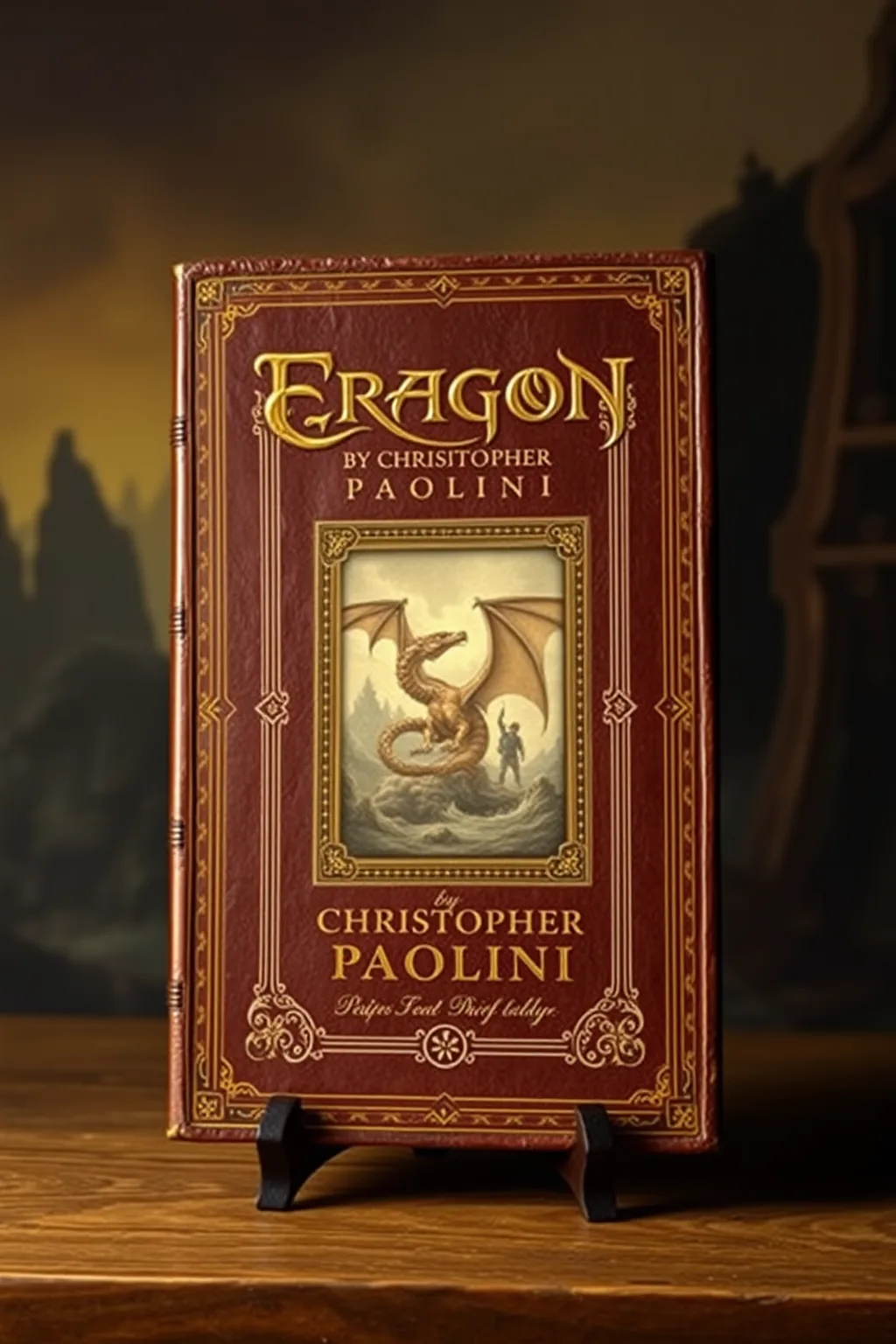
Eragon
 78
78

Eragon
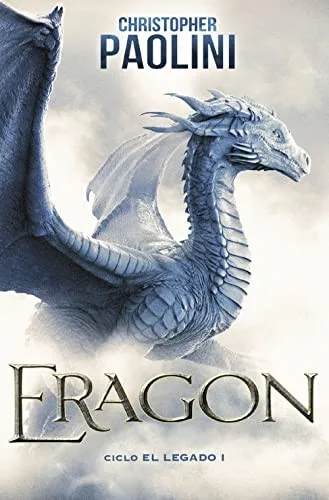
Christopher Paolini's Eragon, while a debut that clearly draws from established fantasy traditions, offers a compelling entry point into a larger saga. The narrative's strength lies in its detailed world-building and the palpable bond that develops between Eragon and his dragon, Saphira. The depiction of their telepathic and emotional connection is one of the book's most resonant elements, providing a solid emotional core. However, the plot occasionally feels beholden to familiar fantasy archetypes, particularly in its early stages, which might leave seasoned readers yearning for greater narrative innovation. The introduction of the Dragon Riders and the mechanics of magic, though well-explained, sometimes lean towards exposition. A particularly effective passage is Eragon's initial flight with Saphira, which vividly captures the wonder and terror of a newfound power. Despite its adherence to convention, Eragon successfully establishes a world and characters that invite further exploration.
Eragon serves as a solid, if conventional, launching pad for an epic fantasy series.
📝 Description
78
### What It Is
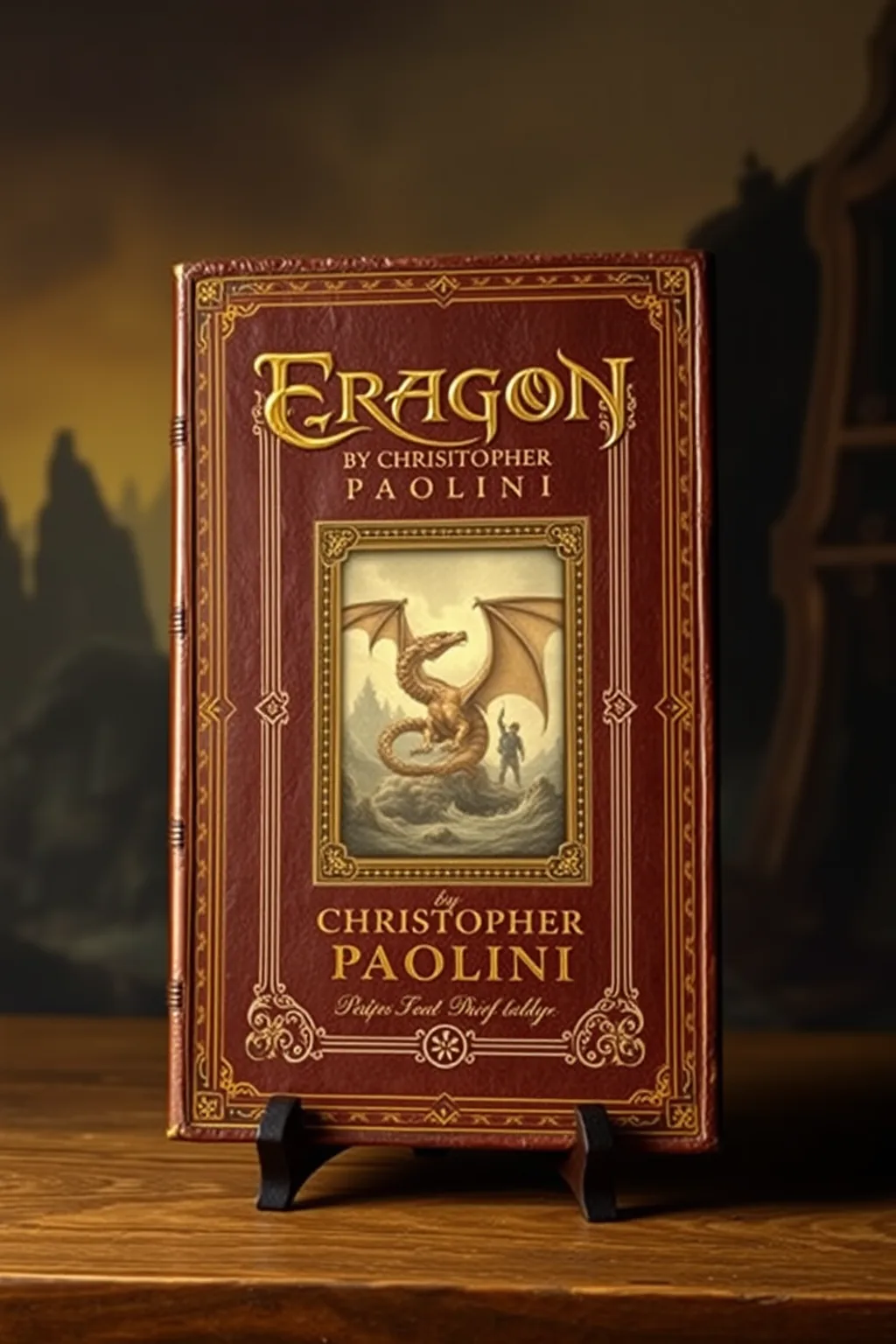
Eragon, the inaugural volume in Christopher Paolini's Inheritance Cycle, presents a sweeping epic fantasy narrative. Published initially in 2002, this work chronicles the awakening of a young farm boy, Eragon, to a destiny intertwined with a dragon and a world teetering on the brink of tyrannical rule. The story unfolds in Alagaësia, a land steeped in ancient magic and shadowed by the malevolent King Galbatorix. It is a tale of discovery, courage, and the forging of bonds between rider and dragon, essential for challenging overwhelming darkness.
### Who It's For
This book is recommended for readers who appreciate expansive fantasy worlds with intricate lore and character development. Fans of traditional quest narratives, mythical creatures, and the exploration of emerging heroism will find much to engage with. It appeals to those seeking an immersive reading experience that balances action with the personal growth of its protagonist. The narrative structure also makes it suitable for younger adults and mature readers alike, offering layers of thematic depth.
### Historical Context
Eragon emerged during a period of significant resurgence in epic fantasy literature, following in the wake of J.R.R. Tolkien's foundational works and the popular success of authors like Terry Brooks. Paolini began writing the novel at 15, self-publishing it before being picked up by Alfred A. Knopf in 2003. Its subsequent widespread popularity contributed to the genre's continued prominence in the early 21st century, demonstrating the enduring appeal of classic fantasy tropes when presented with fresh energy and a detailed world.
### Key Concepts
The narrative centers on the concept of the Dragon Riders, an ancient order tasked with maintaining peace and balance within Alagaësia. Their power stems from a symbiotic bond with dragons, each pair sharing a unique connection and mutual reliance. The story also explores the nature of magic, which is depicted as an intrinsic force that can be harnessed through willpower and ancient words. Themes of fate versus free will, the corrupting influence of power, and the importance of individual choice in the face of oppressive regimes are central to Eragon's unfolding saga.
💡 Why Read This Book?
• Learn about the symbolic significance of the Rider-Dragon bond, a core concept in many mythologies, as exemplified by Eragon and Saphira's relationship within the world of Alagaësia. • Understand the foundational principles of magic in this universe, where spells are cast through ancient words and require personal will, offering insights into structured magical systems. • Experience the narrative arc of a reluctant hero thrust into extraordinary circumstances, mirroring classic heroic journeys and the challenges of accepting destiny, as seen in Eragon's initial reluctance.
⭐ Reader Reviews
Honest opinions from readers who have explored this book.
❓ Frequently Asked Questions
When was Eragon first published?
Eragon was first published in 2002 as a self-published work. It was later acquired and re-released by Alfred A. Knopf in 2003, leading to its widespread international distribution.
What is the main conflict in Eragon?
The primary conflict revolves around Eragon's discovery of a dragon egg and his subsequent destiny as a Dragon Rider. He must learn to harness his powers to oppose the tyrannical King Galbatorix and his forces who oppress the land of Alagaësia.
Who are the Dragon Riders in Eragon?
The Dragon Riders were an ancient order of humans and dragons who maintained peace and justice throughout Alagaësia. They were bonded from birth, sharing thoughts and abilities, but were nearly wiped out by King Galbatorix.
What kind of magic is used in Eragon?
Magic in Eragon is primarily cast through the use of ancient words, often referred to as the 'Ancient Language.' Wielding magic requires significant willpower and mental fortitude from the caster.
Is Eragon part of a series?
Yes, Eragon is the first book in the Inheritance Cycle, a series of four epic fantasy novels by Christopher Paolini. It is followed by Eldest, Brisingr, and Inheritance.
What is the significance of the dragon Saphira?
Saphira, a sapphire-blue dragon, is Eragon's dragon. Their bond is central to the story, representing a partnership of equals and the key to unlocking Eragon's potential as a Dragon Rider and a force against tyranny.
🔮 Key Themes & Symbolism
The Dragon Rider Bond
The profound connection between a human rider and their dragon is a central theme. This symbiotic relationship transcends mere companionship, representing a spiritual and magical union. The dragons are depicted as intelligent, proud beings, and their bond with riders is forged through destiny and mutual respect. This partnership is the source of great power, enabling riders to wield magic and protect Alagaësia, but also carries immense responsibility. The narrative explores how this bond shapes identity, loyalty, and the very essence of both rider and dragon, echoing ancient myths of celestial pairings and shared destinies.
Magic and the Ancient Language
Magic in Eragon is presented as an inherent force within the world, accessible through the mastery of the Ancient Language. This concept grounds the magic system, making it feel less arbitrary and more akin to a lost science or divine art. The requirement of specific words and intense mental focus suggests a deep connection between language, thought, and reality. The narrative implies that this language holds inherent power, a reflection of Gnostic ideas about the creative power of the Word. Learning and using this language becomes a journey of self-discovery for Eragon, tied to his growing understanding of the world's hidden forces.
Destiny and Free Will
Eragon grapples with the weight of destiny from the moment he finds the sapphire dragon egg. The narrative frequently questions whether his path is predetermined or if he possesses the agency to forge his own future. This tension between fate and choice is a perennial theme in epic literature. The characters often confront situations where they must make critical decisions that defy expectations or prescribed roles, suggesting that while destiny might set the stage, individual choices write the script. This exploration mirrors philosophical debates about predestination versus human autonomy.
The Corrupting Nature of Power
The primary antagonist, King Galbatorix, serves as a stark example of how absolute power can corrupt absolutely. His reign of terror is the direct result of his insatiable hunger for power and his willingness to commit atrocities to maintain it. The story contrasts his tyranny with the ideals of the fallen Dragon Riders, suggesting that power, when wielded without empathy or restraint, leads to destruction. The narrative implicitly warns against the seductive allure of dominance and the moral compromises often associated with its pursuit.
💬 Memorable Quotes
“A dragon is not a pet.”
— This statement, likely uttered by or about a dragon or rider, underscores the central theme of the Rider-Dragon bond. It asserts the dragon's status as an equal partner, a sentient being with its own will and agency, rather than a subservient creature. This challenges typical human perceptions of animalistic relationships and highlights the spiritual and intellectual parity central to the Dragon Rider order.
“The dragon's scales were the colour of a stormy sky, and her eyes were like blue fire.”
— This descriptive passage captures the initial awe and wonder of seeing Saphira. The imagery of a stormy sky and blue fire evokes a sense of immense power, untamed nature, and a captivating, almost celestial beauty. It establishes Saphira as a creature of myth and formidable presence, setting the stage for her significant role in Eragon's life and the epic narrative.
“Magic is a dangerous thing, Eragon. It is a double-edged sword.”
— This cautionary statement, reflecting a common trope in fantasy, highlights the inherent risks associated with wielding magical abilities. It suggests that magic, while powerful, can be unpredictable and carries potential consequences for both the wielder and their surroundings. This concept encourages a responsible and thoughtful approach to power, a theme that resonates throughout Eragon's journey.
“There are few things more satisfying than to be able to do something you were not born to do.”
— This quote speaks to the theme of overcoming limitations and defying expectations. It suggests that true satisfaction comes not just from inherent talent but from the effort and will required to achieve something beyond one's perceived natural abilities. This reflects Eragon's own journey from a simple farm boy to a Dragon Rider.
“It is often when we are weakest that we are strongest.”
— This paradoxical statement points to the idea that vulnerability can be a source of strength. In moments of perceived weakness, individuals may discover inner resilience, call upon unexpected allies, or be forced to adapt and grow in ways they wouldn't have otherwise. This concept encourages looking beyond surface appearances and recognizing the potential for strength in adversity.
🌙 Esoteric Significance
Tradition
Eragon draws loosely from Western literary fantasy traditions that have themselves absorbed esoteric concepts. While not directly aligned with a specific lineage like Hermeticism or Gnosticism, its depiction of magic through an 'Ancient Language' echoes Kabbalistic notions of divine language as the fabric of reality. The concept of a chosen hero destined to confront evil and restore balance also aligns with archetypal narratives found across many spiritual traditions, including those that emphasize the struggle between light and shadow.
Symbolism
The dragon is a potent symbol across numerous cultures, representing primal power, wisdom, chaos, and transformation. In Eragon, Saphira embodies these qualities, acting as a guide and a source of immense power for the protagonist. The sapphire itself, her namesake color, is often associated with divine truth, wisdom, and celestial connection. The 'Ancient Language' functions as a symbolic key, representing the hidden order of the universe and the power of true knowledge, echoing the Gnostic emphasis on gnosis (knowledge) as liberation.
Modern Relevance
Contemporary fantasy literature continues to explore themes of chosen heroes, mythical creatures, and structured magic systems that Eragon helped popularize in the 21st century. Authors and readers interested in the development of modern fantasy world-building often reference works like the Inheritance Cycle for its intricate lore and character arcs. Its success also paved the way for other young authors to break into the genre, influencing a generation of writers and readers who grew up with its narrative.
👥 Who Should Read This Book
• Aspiring fantasy authors and world-builders looking to study detailed lore construction and character development within a traditional epic fantasy framework. • Young adult readers seeking immersive adventures with relatable protagonists and themes of courage, friendship, and self-discovery against a backdrop of magic and dragons. • Fans of classic quest narratives who appreciate a well-trodden path executed with passion and a focus on the burgeoning relationship between a hero and his mythical companion.
📜 Historical Context
Eragon emerged in the early 2000s, a period marked by the enduring popularity of epic fantasy, heavily influenced by the foundational works of J.R.R. Tolkien and the commercial success of authors like Terry Brooks and the burgeoning Harry Potter phenomenon. Christopher Paolini, beginning his writing at 15 and self-publishing in 2002, tapped into this fertile ground. His novel's subsequent acquisition by Alfred A. Knopf in 2003 and its significant sales figures positioned it as a major new voice in the genre. While drawing on classic archetypes of the hero's journey and the chosen one, Eragon's detailed world-building and the central dragon-rider dynamic offered a fresh perspective that resonated with a broad audience, including younger readers. Its success contributed to fantasy's continued dominance in young adult and general fiction markets, demonstrating the genre's adaptability and enduring appeal in a post-Tolkien, pre-Game of Thrones era.
📔 Journal Prompts
Eragon's initial feelings upon discovering the dragon egg.
The nature of the bond between Saphira and Eragon.
The significance of the Ancient Language in casting spells.
Galbatorix's rise to power and its consequences.
Alagaësia's political landscape under Galbatorix's rule.
🗂️ Glossary
Alagaësia
The primary continent and setting for the Inheritance Cycle, a land populated by humans, elves, dwarves, Urgals, and dragons, ruled by the tyrannical King Galbatorix.
Dragon Riders
An ancient order of humans bonded with dragons, tasked with maintaining peace and justice. Their order was nearly eradicated by King Galbatorix.
Ancient Language
The magical language used to cast spells in Alagaësia. Speaking its words with intent and power allows the wielder to manipulate reality.
Urgals
A race of large, horned, bestial humanoids often used as soldiers by King Galbatorix. They are generally feared and misunderstood.
Varden
A rebel organization fighting against King Galbatorix's oppressive rule. They are a disparate group composed of various races and individuals seeking freedom.
Shades
Evil sorcerers created when a human is possessed by a spirit from the Du Weldenvarden. They wield immense dark power.
Bok
A type of magical stone that can be used to store and release energy, often employed in various magical applications within the world.