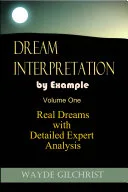
Dream Interpretation by Example
 75
75

Dream Interpretation by Example
Wayde Gilchrist’s *Dream Interpretation by Example* offers a refreshingly direct methodology for dream analysis. Rather than relying on sweeping generalizations, Gilchrist grounds his teachings in 100 real-world dream examples, meticulously dissected for their symbolic and narrative content. This approach is the book's primary strength, transforming abstract concepts into understandable applications. The decision to source dreams from the internet, while innovative for its time (2009), occasionally leads to a less curated selection, with some dreams lacking the depth or clarity for truly profound analysis. However, the sheer volume of examples ensures consistent exposure to Gilchrist's analytical process. A notable section details the interpretation of a recurring dream about falling, illustrating how personal context shifts the meaning from simple anxiety to a need for groundedness. It’s a grounded guide for those who learn by doing.
📝 Description
75
Wayde Gilchrist's 2009 book uses 100 internet dreams for practical interpretation.
Dream Interpretation by Example approaches dream analysis through practical examples. Wayde Gilchrist moves past abstract theories to provide a guide focused on real dream narratives. The book's core consists of detailed examinations of 100 dreams gathered from online sources. These analyses offer readers clear illustrations of interpretive methods.
This work is for anyone wanting to actively decode their own dreams. It suits those who find standard dream dictionaries lacking and seek concrete methods for understanding their subconscious. Whether new to dream study or looking to improve existing skills, readers benefit from the direct, example-based format. Gilchrist's approach emphasizes applying interpretive frameworks to actual dream stories.
Published in 2009, this book arrived as online platforms became common spaces for sharing personal experiences, including dreams. Gilchrist's use of publicly available internet dreams for analysis reflects a contemporary turn toward using digital resources for learning. This method contrasts with older, more private academic or therapeutic approaches to dream work. It situates the book within a modern evolution of how dream interpretation is practiced and disseminated.
💡 Why Read This Book?
• You will learn a systematic method for analyzing your own dreams by studying Gilchrist's detailed breakdown of 100 actual dream examples, a technique directly applicable to your personal dream journal. • You will gain practical skills in identifying and interpreting common dream symbols and narrative structures, as demonstrated through the analysis of recurring motifs like "falling" dreams. • You will understand how to contextualize dream imagery within your waking life, a core principle Gilchrist applies to each of the 100 analyzed dreams to derive personal meaning.
⭐ Reader Reviews
Honest opinions from readers who have explored this book.
❓ Frequently Asked Questions
What is the primary method used in Dream Interpretation by Example?
The book uses a practical, example-driven method. Wayde Gilchrist analyzes 100 actual dreams sourced from the internet, demonstrating specific techniques for interpreting symbols and narratives within their personal context.
How does this book differ from traditional dream dictionaries?
Unlike traditional dictionaries that offer fixed meanings, this book emphasizes that dream symbols are highly personal. It shows how to interpret dreams based on individual associations and the dream's narrative, using real examples from 2009.
Who is Wayde Gilchrist?
Wayde Gilchrist is presented as a dream expert. His work, first published in 2009, focuses on providing accessible and practical guidance for individuals interested in understanding their dreams.
Can I really interpret my dreams using this book?
Yes, the book is structured to facilitate self-interpretation. By studying the detailed analyses of 100 diverse dreams, readers can learn and apply the methods to their own subconscious communications.
What kind of dreams are analyzed in the book?
The book features analyses of 100 actual dreams contributed by individuals, often sourced from online platforms around the time of its 2009 publication, offering a range of common and unique dream scenarios.
Is this book suitable for beginners in dream interpretation?
Absolutely. The book's example-based approach makes it ideal for beginners who want a clear, step-by-step guide to understanding dream language without getting lost in complex theoretical jargon.
🔮 Key Themes & Symbolism
Contextual Symbolism
The core tenet of Gilchrist's method is that dream symbols derive meaning from the dreamer's personal life and the specific narrative context of the dream itself. This approach moves beyond the universal interpretations found in static dream dictionaries. By analyzing 100 actual dreams, the book illustrates how a symbol like 'water' can represent emotional states, transitions, or even subconscious blocks depending entirely on the surrounding dream imagery and the dreamer's waking associations.
The Dream Narrative Arc
Gilchrist emphasizes that dreams are not merely collections of random images but possess narrative structures. Understanding the progression of events, the emotional tone, and the resolution (or lack thereof) within a dream is crucial for accurate interpretation. The detailed analyses of 100 dreams showcase how to track the dream's unfolding story, identifying plot points and character interactions as key to unlocking the underlying message from the subconscious.
Practical Application Through Examples
The book's defining feature is its reliance on 100 real-world dream examples, many sourced from the internet around 2009. This provides readers with tangible case studies to learn from. Each analysis serves as a practical demonstration of interpretive techniques, allowing readers to see how abstract principles are applied to concrete dream content, thereby building confidence and skill in their own interpretive efforts.
The Subconscious as Communicator
Gilchrist positions dreams as a direct line of communication from the subconscious mind, offering insights, warnings, or guidance. The book operates on the premise that these messages, while often symbolic and indirect, are meaningful and address aspects of the dreamer's life. The analyses presented aim to decode this subconscious language, making the internal world more accessible and understandable to the conscious mind.
💬 Memorable Quotes
“The meaning of a symbol is not fixed; it is determined by its context within the dream and the dreamer's life.”
— This statement encapsulates the book's central thesis, advocating for a personalized approach to dream interpretation over rigid, universal definitions. It highlights the dynamic nature of dream symbolism.
“Analyzing 100 actual dreams provides a practical foundation that theory alone cannot offer.”
— This paraphrased concept underscores the book's methodology, emphasizing the pedagogical value of concrete examples in learning the art of dream interpretation.
“Pay attention to the emotional tone of the dream; it often reveals the core message.”
— This highlights a key interpretive tool Gilchrist employs: emotional resonance. It suggests that the feelings evoked by a dream are primary indicators of its significance.
“Recurring dreams signal unresolved issues that the subconscious is persistently trying to address.”
— This interpretation addresses a common dream phenomenon, framing persistent dream imagery not as random occurrences but as important signals from the psyche.
“The internet provides a vast, albeit sometimes chaotic, resource for understanding common dream themes.”
— This reflects the book's innovative sourcing of dream material from online platforms in 2009, acknowledging both the potential and the challenges of such a method.
🌙 Esoteric Significance
Tradition
While not strictly adhering to a single esoteric lineage like Kabbalah or Hermeticism, Gilchrist’s work draws implicitly from the broader tradition of dream interpretation that spans psychological, spiritual, and divinatory practices. It aligns with the modern esoteric interest in the subconscious as a source of hidden knowledge and personal revelation, a concept explored by figures like Carl Jung and later adopted by various New Age and self-help movements.
Symbolism
The book’s approach to symbolism is less about fixed esoteric correspondences and more about personalized meaning. However, common archetypal symbols discussed—such as flying (representing freedom or escape), water (emotions), or falling (loss of control)—resonate with traditional esoteric interpretations found in Hermetic or alchemical texts, albeit re-contextualized for contemporary understanding. The emphasis is on the *dreamer's* association with these symbols.
Modern Relevance
Gilchrist’s practical, example-driven method remains relevant for contemporary dreamers navigating the digital age. His focus on personal context aligns with modern therapeutic approaches and the continued exploration of consciousness in various self-help and spiritual communities. Thinkers and practitioners in fields like Jungian psychology, transpersonal psychology, and even creative writing, who seek to understand the symbolic language of the mind, can find value in his systematic approach.
👥 Who Should Read This Book
['• Aspiring dream analysts seeking a practical, example-heavy guide to develop their interpretive skills beyond generic dream dictionaries.', '• Individuals experiencing vivid or recurring dreams who want a structured method to understand their personal subconscious messages.', '• Self-help and personal growth enthusiasts looking for accessible tools to explore their inner world and gain self-awareness through dream work.']
📜 Historical Context
Published in late 2009, *Dream Interpretation by Example* emerged within a burgeoning online landscape where personal narratives were increasingly shared. Wayde Gilchrist’s approach, utilizing 100 dreams sourced from the internet, reflected a pragmatic engagement with digital culture, contrasting with more established, often clinical, psychoanalytic traditions rooted in the works of Freud and Jung. While Freud's *The Interpretation of Dreams* (1899) laid foundational theories, and Jungian psychology continued to explore archetypes, Gilchrist's method focused on accessible, individualized interpretation for a general audience. The book's reliance on publicly available online content for its case studies was a novel approach for its time, leveraging the democratization of personal expression online. This method bypassed the need for direct patient-analyst relationships typical of earlier dream work, offering a self-guided alternative.
📔 Journal Prompts
Reflect on a recent dream where you felt a strong emotion; consider how Gilchrist's analysis of 'emotional tone' might apply.
Analyze a recurring symbol in your dreams, applying the principle of contextual symbolism demonstrated with the 100 example dreams.
Describe the narrative arc of a memorable dream, noting key events and the dream's resolution or lack thereof.
Consider a dream involving water; how does its context in your dream differ from a generic 'water' symbol interpretation?
Identify one dream scenario from the book's examples that mirrors a personal waking-life challenge.
🗂️ Glossary
Contextual Symbolism
The interpretive principle that a dream symbol's meaning is derived from its specific usage within the dream narrative and the dreamer's personal associations, rather than a fixed dictionary definition.
Dream Narrative Arc
The progression of events, plot, and emotional development within a dream, which provides structure and clues to the dream's overall meaning.
Subconscious Communication
The idea that dreams serve as a direct channel through which the subconscious mind communicates important information, insights, or unresolved issues to the conscious awareness.
Archetypal Symbols
Universal symbols that appear across cultures and time, often representing fundamental human experiences or psychological patterns, such as the mother, the hero, or the trickster.
Emotional Tone
The predominant feeling or atmosphere within a dream, which serves as a significant indicator of the dream's underlying message or the dreamer's emotional state.
Example-Based Analysis
The teaching methodology employed by the book, focusing on detailed interpretation of numerous real-life dream examples to illustrate analytical techniques.
Internet Dream Sourcing
The practice of gathering dream content for analysis from publicly accessible online platforms, a method utilized in the book's 2009 publication.