Conspiracy Theories and Secret Societies For Dummies
 73
73

Conspiracy Theories and Secret Societies For Dummies
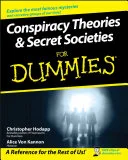
Hodapp and Von Kannon's "Conspiracy Theories and Secret Societies For Dummies" attempts to map an often-uncharted territory with the clarity befitting its "For Dummies" series lineage. Its strength lies in its encyclopedic approach, cataloging a vast array of theories and groups with a dispassionate tone that avoids sensationalism. For instance, its concise explanation of the historical roots of the Illuminati, tracing their origins to 18th-century Bavaria, provides a valuable factual anchor amidst speculative claims. However, the book's primary limitation is its very breadth; in striving for comprehensiveness, it sometimes sacrifices depth. Complex theories are often presented in bite-sized pieces, which, while accessible, can leave the reader wanting more nuanced analysis. The work explores the common threads in conspiracy narratives, like the idea of hidden knowledge and powerful, unseen actors, but could benefit from more critical engagement with the methodologies and evidence presented within these theories.
📝 Description
73
### What It Is This volume serves as an introductory primer on the sprawling, often bewildering world of conspiracy theories and clandestine organizations. It aims to demystify subjects that frequently defy conventional explanation, presenting a broad overview of historical and contemporary narratives. The book tackles a wide array of topics, from alleged government cover-ups to the inner workings of secret societies, providing accessible explanations for complex ideas. It functions as a reference point for those curious about phenomena that operate outside mainstream discourse.
### Who It's For "Conspiracy Theories and Secret Societies For Dummies" is designed for the uninitiated, the casually curious, and anyone seeking a foundational understanding of these subjects. It appeals to readers who encounter fringe ideas in popular culture, news, or online discussions and wish to learn more without being overwhelmed. It is particularly suited for individuals new to the study of esoteric subjects, counter-cultures, or alternative histories, offering a neutral entry point into these often-contentious fields.
### Historical Context Published in 2008, this book emerged during a period of heightened public interest in conspiracy narratives, fueled by the proliferation of the internet and a growing distrust in established institutions. The early 21st century saw a surge in online communities dedicated to dissecting alleged conspiracies, from 9/11 to UFO sightings. This work arrived as a guide to help navigate this landscape, offering a structured approach to understanding phenomena that were increasingly circulating in public consciousness, often through less reliable digital channels.
### Key Concepts The book explores numerous concepts central to conspiracy thinking and secret society lore. It dissects the psychology behind belief in conspiracies, examining why individuals are drawn to them. It also introduces readers to the historical development and alleged structures of various secret societies, such as the Freemasons and the Illuminati, outlining their supposed influence and modus operandi. Furthermore, it covers a range of specific conspiracy theories, including those surrounding UFOs, alleged government manipulation of media, and historical events like the assassination of John F. Kennedy.
💡 Why Read This Book?
• Learn about the historical origins of groups like the Bavarian Illuminati, established in 1776, gaining context for their alleged modern influence and understanding how historical societies are reinterpreted in conspiracy lore. • Understand the common patterns and psychological drivers behind belief in conspiracy theories, such as the confirmation bias, which helps explain why certain narratives persist across different subjects. • Discover the basic tenets and alleged activities of various secret societies discussed, providing a foundational vocabulary for engaging with esoteric and historical discussions on hidden orders.
⭐ Reader Reviews
Honest opinions from readers who have explored this book.
❓ Frequently Asked Questions
What is the historical origin of the Illuminati as presented in the book?
The book explains the Illuminati were founded in Bavaria in 1776 by Adam Weishaupt. This historical group was short-lived and suppressed, but its name has become central to numerous modern conspiracy theories concerning global control.
Does the book cover modern conspiracy theories like QAnon?
Published in 2008, the book predates the widespread emergence of QAnon. It focuses on older, more established conspiracy narratives and secret societies prevalent up to that time.
Are there discussions about UFOs and alien conspiracies?
Yes, the book dedicates sections to UFO sightings and alleged alien encounters, exploring common theories and narratives surrounding extraterrestrial phenomena and potential government cover-ups.
What secret societies are examined in "Conspiracy Theories and Secret Societies For Dummies"?
The book discusses various societies, including the Freemasons, Skull and Bones, the Rosicrucians, and the historical Illuminati, outlining their alleged structures, rituals, and influence.
Is the book biased towards or against conspiracy theories?
The book generally adopts a neutral, informative stance, presenting theories and societal structures factually without endorsing or debunking them, aiming to educate the reader on their existence and common interpretations.
What does the book say about the Kennedy assassination conspiracies?
It addresses the enduring conspiracy theories surrounding the 1963 assassination of John F. Kennedy, presenting various alternative narratives that question the official findings of the Warren Commission.
🔮 Key Themes & Symbolism
Hidden Agendas and Unseen Control
A central theme is the pervasive idea that powerful, clandestine groups manipulate world events from behind the scenes. The book examines how narratives of secret societies, such as the Illuminati and Skull and Bones, often center on the concept of hidden agendas aimed at achieving global dominance or controlling societal structures. It explores the logic these theories employ, linking historical events and societal trends to the alleged machinations of these unseen forces, providing a framework for understanding the appeal of such worldviews.
The Nature of Secrecy and Initiation
The work delves into the appeal and function of secrecy within organized groups. It explores the rituals, symbols, and hierarchical structures characteristic of secret societies, such as the Freemasons, and how these elements contribute to their mystique. The concept of initiation rites and the promise of esoteric knowledge are presented as key draws, suggesting that the allure of belonging to an exclusive, enlightened order fuels both the existence of these groups and the theories surrounding them.
Skepticism vs. Belief in Alternative Narratives
The book navigates the tension between mainstream explanations and fringe theories. It presents various conspiracy narratives, from UFO cover-ups to fluoridated water, not necessarily to validate them, but to illustrate the breadth of alternative explanations people construct. It touches upon the psychological and social factors that encourage belief in these narratives, offering readers a lens through which to view the persistent human tendency to seek patterns and assign agency, even in the absence of conventional evidence.
Historical Mysteries and Enduring Questions
Many conspiracy theories are rooted in unresolved historical questions or controversial events. The book examines cases like the assassination of John F. Kennedy, presenting the official account alongside popular alternative theories that propose deeper conspiracies. By exploring these enduring mysteries, the work highlights how gaps in historical understanding or perceived inconsistencies can become fertile ground for speculative narratives, demonstrating the ongoing fascination with events that defy simple explanations.
💬 Memorable Quotes
“black is white, up is down”
— This phrase captures the disorienting nature of conspiracy thinking, where established truths are inverted, and reality appears fundamentally altered. It suggests a parallel universe of logic governing these theories.
“If you want to understand what's really going on — from fluoridated water and chemtrails to alien autopsies, free electricity, and more — you need a good reference book.”
— This highlights the book's intended purpose: to serve as an accessible guide for those seeking explanations for a wide range of phenomena often dismissed by mainstream sources.
“Entering the world of conspiracy theories and secret societies is like stepping into a distant, parallel universe”
— This metaphor emphasizes the radical departure from conventional reality that engaging with these topics can entail, suggesting a shift in perspective is required.
“They’re all shrouded in mystery and conspiracies”
— This concise statement encapsulates the core commonality linking diverse subjects like the Kennedys, Skull and Bones, and UFOs: their association with unexplained events and hidden truths.
“everything you know is wrong”
— This potent phrase reflects the radical skepticism inherent in many conspiracy theories, suggesting that accepted knowledge is deliberately misleading or incomplete.
🌙 Esoteric Significance
Tradition
While not strictly adhering to a single esoteric lineage, the book engages with themes common in Western esotericism, particularly those related to Gnosticism (hidden knowledge, corrupt world systems) and Hermeticism (secret wisdom, hidden influences). It touches upon concepts often explored within Freemasonry and Rosicrucianism, presenting their alleged structures and symbolism to a mainstream audience. It departs from traditional esoteric scholarship by prioritizing breadth and accessibility over deep doctrinal analysis.
Symbolism
The book likely references common symbols associated with secret societies, such as the Eye of Providence (often linked to the Illuminati and Freemasonry), symbolizing divine oversight or hidden knowledge. It may also discuss the Skull and Crossbones motif, representing mortality and the esoteric pursuit of overcoming it, as found in groups like the Rosicrucians and Yale's Skull and Bones. These symbols are presented as keys to understanding the alleged communications and ideologies of these clandestine groups.
Modern Relevance
This work remains relevant for contemporary readers seeking to understand the foundational narratives of many modern conspiracy theories that have evolved since 2008. Thinkers and communities exploring topics like deep state theories, alternative histories, and the psychological appeal of conspiracy narratives still draw upon the types of subjects covered. It serves as a reference point for understanding the historical lineage of current popular conspiracy discussions, particularly those found on alternative media platforms.
👥 Who Should Read This Book
• Curious individuals seeking a basic, non-judgmental overview of common conspiracy theories and well-known secret societies, wanting to understand the landscape without deep commitment. • Students of popular culture and media who wish to identify and categorize the recurring themes and narratives found in discussions about hidden power structures and unexplained phenomena. • Skeptics and researchers interested in the historical context and common arguments presented within conspiracy thinking, providing a foundational text for comparative analysis.
📜 Historical Context
Released in March 2008, "Conspiracy Theories and Secret Societies For Dummies" arrived during a period when the internet had democratized the dissemination of fringe ideas. Public discourse was increasingly shaped by online forums and blogs where theories about 9/11, UFOs, and secret cabals flourished. The book’s publication provided a structured counterpoint to this often-chaotic digital landscape, offering a more organized, albeit introductory, survey of topics then gaining significant traction. It emerged in the shadow of earlier works that had popularized conspiracy thinking, such as Jim Marrs's "Rule by Secrecy" (2000), and amidst a growing general distrust in government following the Bush administration's policies. While not directly engaging with academic critiques, its aim was to bring order to the popular understanding of subjects often discussed by authors like David Icke, who promoted more radical theories.
📔 Journal Prompts
The concept of 'black is white, up is down' in conspiracy narratives.
The allure of secret societies and their initiation rites.
Analyzing the historical basis of the Illuminati mythos.
How UFO sightings fuel theories of government cover-ups.
Reflecting on the common elements in diverse conspiracy theories.
🗂️ Glossary
Illuminati
A historical Bavarian secret society founded in 1776, which became a central focus of numerous conspiracy theories alleging a plot for global control.
Chemtrails
A conspiracy theory suggesting that the condensation trails left by aircraft are actually chemical or biological agents deliberately sprayed for undisclosed purposes.
Skull and Bones
A Yale University secret society founded in 1832, notorious for its influential alumni and association with various conspiracy theories concerning elite power structures.
Rosicrucians
A mystical and esoteric order whose influence dates back to the early 17th century, often associated with alchemy, hermeticism, and secret knowledge.
Alien Autopsy
Refers to alleged footage or accounts of medical examinations performed on extraterrestrial beings, often linked to government cover-up theories.
Freemasons
A fraternal organization with origins in the late 16th century, known for its rituals, symbols, and alleged influence on historical events and governments.
Conspiracy Theory
An explanation for an event or situation that invokes a conspiracy by sinister and powerful groups, often political in motivation, when other explanations are more probable.