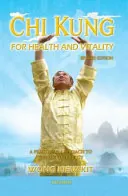
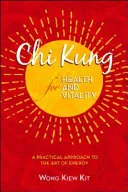
Chi Kung for Health and Vitality

 80
80

Chi Kung for Health and Vitality
Wong Kiew Kit's "Chi Kung for Health and Vitality" offers a remarkably clear exposition of a complex discipline. The book avoids the obscure jargon that often encumbers texts on internal arts, presenting practical techniques with commendable directness. Its strength lies in its systematic approach, guiding the reader through foundational principles of Qi cultivation, posture, and breathing. A particularly effective section details exercises for cultivating "rooting," a concept crucial for stability and grounding energy. However, the book's primary limitation is its relative lack of historical or philosophical depth, which might leave scholars of esoteric traditions wanting more context. While excellent as a practical manual, it treats Qigong more as a health regimen than a profound spiritual path. Nevertheless, for its intended purpose of promoting health and vitality through accessible Qigong practice, it is an exceptionally useful work. Wong provides a solid foundation for anyone seeking to engage with this ancient art.
📝 Description
80
### What It Is
Chi Kung for Health and Vitality, first published in 2001 by Wong Kiew Kit, presents a comprehensive system of mind-body cultivation rooted in ancient Chinese traditions. This work is not merely an introduction to the practice of Qigong (the modern pinyin spelling), but a detailed guide to its application for enhancing physical well-being and mental clarity. It demystifies the often esoteric language surrounding internal arts, offering practical instructions that can be integrated into daily life. The book focuses on the foundational principles and techniques that underpin the vast array of Qigong forms, making it accessible to those new to the discipline while offering depth for experienced practitioners.
### Who It's For
This book is aimed at individuals seeking to improve their health through natural, non-invasive methods. It is particularly relevant for those experiencing stress, fatigue, or seeking to build resilience against illness. Readers interested in traditional Chinese medicine, martial arts, or alternative healing modalities will find valuable insights. It caters to both beginners who require clear, step-by-step guidance and those with some prior experience who wish to deepen their understanding and practice of Qi cultivation. Anyone looking for a structured approach to energetic self-care will benefit.
### Historical Context
The early 21st century saw a growing global interest in Eastern practices, including Qigong, as Western societies increasingly sought holistic approaches to health. Wong Kiew Kit’s work emerged within this period, contributing to the popularization of Qigong beyond its traditional Chinese origins and martial arts circles. While many texts focused on specific styles or martial applications, this book emphasized its therapeutic and vitality-enhancing aspects, aligning with a broader trend toward mind-body integration in wellness. It arrived at a time when scientific research into the effects of practices like Qigong was beginning to gain traction.
### Key Concepts
The core of Chi Kung for Health and Vitality lies in understanding and manipulating Qi, the vital life force. The book elaborates on concepts such as the Three Treasures (Jing, Qi, Shen – essence, energy, spirit), the importance of correct posture, breathing techniques, and mental focus. It introduces various exercises designed to unblock energy pathways (meridians), strengthen internal organs, and cultivate a harmonious flow of Qi throughout the body. The emphasis is on self-healing and the cultivation of internal strength, drawing from a lineage of practice refined over centuries.
💡 Why Read This Book?
• Learn foundational Qigong postures and breathing techniques for immediate physical benefits, as detailed in the chapter on "Basic Qigong Exercises." • Understand the concept of "Jing, Qi, Shen" (Essence, Energy, Spirit) to gain insight into the cultivation of vitality beyond mere physical health, as explained in the "Three Treasures" section. • Acquire practical methods for unblocking energy meridians, drawing from Wong Kiew Kit's systematic approach to self-healing, which offers tangible improvements in bodily function.
⭐ Reader Reviews
Honest opinions from readers who have explored this book.
❓ Frequently Asked Questions
What is the primary goal of the Qigong practices described by Wong Kiew Kit?
The primary goal is to enhance health and vitality by cultivating and balancing the body's vital energy, known as Qi. The book details methods for improving physical well-being, mental clarity, and overall resilience.
Is "Chi Kung for Health and Vitality" suitable for complete beginners?
Yes, the book is designed to be accessible to beginners. Wong Kiew Kit provides clear instructions and explanations of fundamental principles, making it a suitable starting point for those new to Qigong.
How does this book differ from other Qigong texts published around 2001?
Published in 2001, this work distinguishes itself by focusing heavily on the health and vitality aspects of Qigong, rather than its martial or purely spiritual dimensions, offering practical applications for everyday wellness.
Does the book explain the theory behind Qi?
Yes, the book elaborates on the concept of Qi as vital life force and introduces the "Three Treasures" (Jing, Qi, Shen) to provide a theoretical framework for understanding its cultivation and importance.
What specific benefits can readers expect from practicing the techniques?
Readers can expect improved physical health, increased energy levels, reduced stress, better circulation, and enhanced mental focus. The practices aim to promote a harmonious flow of Qi throughout the body.
Are there any specific exercises Wong Kiew Kit teaches?
Yes, the book details various exercises including specific postures, breathing techniques, and methods for unblocking energy meridians, often presented in a systematic, step-by-step manner.
🔮 Key Themes & Symbolism
Qi Cultivation
The central theme is the cultivation of Qi, the vital life force inherent in all beings. Wong Kiew Kit explains Qi not as an abstract concept but as a tangible energy that can be consciously directed and strengthened through specific practices. The book outlines how to gather, circulate, and refine Qi to enhance physical health, mental clarity, and emotional balance. This involves mastering foundational techniques like correct posture, regulated breathing, and focused intention, which are essential for unblocking energy pathways and fostering a vibrant internal state. The ultimate aim is to achieve a harmonious flow of Qi, leading to robust health and longevity.
The Three Treasures
This section explores the foundational triad of Jing (Essence), Qi (Energy), and Shen (Spirit). Wong Kiew Kit presents these as interconnected components vital for overall well-being and longevity. Jing is described as the fundamental physical essence, the root of vitality. Qi is the animating energy that activates and sustains life. Shen represents the mind or spirit, governing consciousness and emotional states. The book details how Qigong practices work synergistically to nourish and balance these three treasures, emphasizing that true health and vitality arise from their harmonious integration and robust cultivation.
Meridian Unblocking
A key practical application of Qigong discussed is the unblocking of meridians, the energetic pathways through which Qi flows. Blockages in these channels are understood to lead to physical ailments and energetic stagnation. The book provides specific exercises and techniques designed to clear these obstructions, promoting the smooth and unimpeded circulation of Qi. By learning to identify and release these blockages, practitioners can alleviate pain, improve organ function, and restore the body's natural energetic equilibrium, leading to enhanced physical health and a greater sense of vitality.
Mind-Body Harmony
Wong Kiew Kit emphasizes the inextricable link between the mind and body in the practice of Qigong. The book teaches that mental focus and emotional state play a crucial role in the effective cultivation of Qi. Through specific visualization techniques and mindful awareness, practitioners learn to quiet the mind, release mental tension, and direct their intention to guide the flow of energy. This integration of mental discipline with physical movement fosters a profound sense of internal harmony, leading not only to physical health but also to greater emotional stability and mental clarity.
💬 Memorable Quotes
“Cultivating Qi is about harmonizing body, breath, and mind.”
— This paraphrased concept highlights the tripartite nature of effective Qigong practice as presented by Wong Kiew Kit. It signifies that true energetic cultivation requires synchronized attention to physical form, respiratory control, and mental focus.
“The Three Treasures are the fundamental forces of life.”
— This interpretation encapsulates the book's view of Jing, Qi, and Shen as the essential constituents of vitality. It underscores their importance in maintaining health, longevity, and a balanced state of being.
“A blockage in the energy pathway leads to illness.”
— This statement, reflecting the book's core teachings, points to the concept of meridians and the consequences of energetic stagnation. It serves as a foundational principle for understanding the therapeutic goals of Qigong.
“Correct posture is the foundation for Qi circulation.”
— This paraphrased idea emphasizes the critical role of physical alignment in Qigong. It suggests that proper stance and structure are prerequisites for effectively gathering, moving, and distributing vital energy within the body.
“The mind directs the energy.”
— This concise interpretation reflects the book's emphasis on the power of intention and focus in Qigong. It highlights that conscious mental direction is key to guiding and cultivating Qi effectively.
🌙 Esoteric Significance
Tradition
While Wong Kiew Kit's work focuses on the health and vitality aspects of Qigong, it draws from the deep wellspring of Chinese Taoist and Buddhist contemplative traditions. Qigong itself is an ancient practice aimed at cultivating the body's vital energy (Qi) and harmonizing it with the mind and spirit. Esoterically, this practice is seen as a path toward longevity, spiritual development, and achieving a state of balance with the natural order (the Tao). The book's emphasis on the "Three Treasures" (Jing, Qi, Shen) aligns with Taoist cosmology, which views these as the fundamental constituents of existence and consciousness.
Symbolism
The primary symbolism in Qigong, as explored in this work, centers on the concept of Qi itself – the invisible, vital life force that animates all things. Visualizations often involve imagining Qi as light or flowing water, symbolizing its fluid, life-giving nature. The human body is often depicted as a microcosm of the universe, with meridians acting as energetic rivers. The practice aims to achieve a state of energetic harmony, often symbolized by the Yin and Yang balance, where opposing forces within the body and mind are integrated into a unified whole, promoting health and well-being.
Modern Relevance
Contemporary practices in integrative medicine, somatic therapy, and even some forms of athletic training draw upon principles akin to those presented in "Chi Kung for Health and Vitality." Thinkers and practitioners focused on embodied cognition, stress reduction, and bioenergetics find value in Wong's systematic approach to energy cultivation. The work's clarity makes it a touchstone for those seeking practical, non-pharmacological methods for enhancing physical resilience and mental focus, bridging ancient wisdom with modern demands for holistic well-being.
👥 Who Should Read This Book
['• Health-conscious individuals seeking natural methods for improving physical vitality and managing stress, who are interested in the therapeutic applications of ancient Chinese practices.', '• Beginners to Qigong or internal arts looking for a clear, step-by-step guide to foundational techniques and principles, such as correct posture and breathing exercises.', '• Practitioners of complementary and alternative medicine interested in understanding the energetic basis of health and self-healing from a traditional Chinese perspective.']
📜 Historical Context
Published in 2001, "Chi Kung for Health and Vitality" emerged during a period of burgeoning global interest in holistic health practices. Qigong, alongside yoga and meditation, was gaining significant traction in Western wellness circles. Wong Kiew Kit's work contributed to this trend by presenting the practice in a clear, accessible manner, emphasizing its therapeutic applications. This era saw a growing contrast between the scientific, often reductionist, medical models prevalent in the West and the holistic, energy-based approaches of Eastern traditions. While the field of mind-body medicine was still developing, figures like Herbert Benson (with his work on the relaxation response, first published in 1975) were laying groundwork for acceptance. Wong's book offered a concrete system that practitioners could readily engage with, distinguishing itself from more academic or purely philosophical texts on Chinese internal arts.
📔 Journal Prompts
The Three Treasures of Jing, Qi, and Shen and their balance in your daily life.
Physical sensations during the practice of "rooting" exercises.
The concept of Qi flow and any perceived blockages you experience.
How mental focus influences your energetic state during practice.
Identifying specific Qigong postures that promote a sense of calm or vitality.
🗂️ Glossary
Qi (Chi)
The vital life force or energy believed to flow through all living things. In Qigong, its cultivation and circulation are central to health and vitality.
Jing
Often translated as 'Essence,' it represents the fundamental physical substance and genetic inheritance that forms the basis of vitality and life.
Shen
Translates to 'Spirit' or 'Mind.' It governs consciousness, awareness, emotions, and mental clarity, considered the highest of the Three Treasures.
Meridians
Specific pathways or channels within the body through which Qi is believed to flow, analogous to a circulatory or nervous system.
Posture
In Qigong, refers to the specific alignment and structural integrity of the body during practice, crucial for facilitating Qi circulation and stability.
Breathing
Refers to the controlled and regulated respiration techniques used in Qigong to gather, direct, and enhance the flow of Qi.
Rooting
A fundamental Qigong principle and practice focused on establishing a stable connection to the ground, enhancing physical stability and energetic grounding.