Cheiro's Memoirs

 72
72

Cheiro's Memoirs
Cheiro's Memoirs reads like a man recounting his extraordinary life, and it’s precisely this direct, unvarnished approach that gives the book its peculiar charm. Warner, or Cheiro, doesn't shy away from the sensational aspects of his career, detailing consultations with everyone from maharajahs to Oscar Wilde. The book’s strength lies in its vivid portrayal of an era fascinated by the occult and the sheer audacity of a man who built an international reputation on prophecy. However, the narrative occasionally borders on self-aggrandizement, and a critical reader might wish for more introspection or a deeper exploration of the theoretical underpinnings of his craft, rather than a series of impressive anecdotes. The passage detailing his early palmistry readings in Dublin, for instance, showcases his budding confidence but offers little on the specific methods he employed at that nascent stage. Ultimately, it’s a fascinating, if somewhat biased, glimpse into the life of a celebrated psychic.
📝 Description
72
Cheiro's Memoirs, published in 1912, recounts the life of a famous palmist and astrologer.
William John Warner, known as Cheiro, wrote his autobiography, Cheiro's Memoirs, originally in 1912. The book details his life from childhood encounters with the occult to his international success as a seer. It is not a theoretical text but a personal narrative filled with stories that demonstrate his abilities and the esoteric circles he knew. The memoir appeals to readers interested in biographies of key figures in occult history. It also serves those curious about how palmistry and astrology were used practically in the late 19th and early 20th centuries. Those who enjoy firsthand accounts of spiritualism, psychic phenomena, and the lives of individuals who claimed predictive powers will find this work engaging, especially those connected to public life.
Cheiro gained prominence in the 1890s, during a time of widespread interest in spiritualism and esoteric studies across Europe and America. His unique skill was combining astrological and chiromantic predictions with personal anecdotes. This approach allowed him to advise a wide range of clients, including royalty and artists. The book focuses on his personal use and experiences with palmistry and astrology, presenting them as tools for understanding character, forecasting events, and guiding people.
Cheiro's Memoirs emerges from the late Victorian and Edwardian eras, a period marked by a significant increase in interest in spiritualism and occult studies. Societies for psychic research formed, and figures like Helena Blavatsky were influential in shaping modern occultism. Cheiro's work fits within this milieu, blending traditional divination methods like chiromancy and astrology with personal accounts and celebrity clientele. His approach offered a more accessible, narrative form of esoteric practice compared to purely academic or philosophical treatises.
✍️ Author
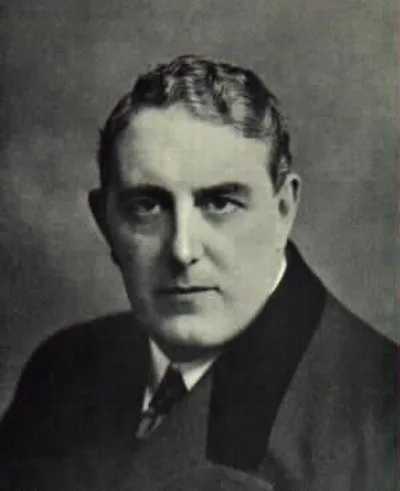
Cheiro
William John Warner (also self-identified as Count Louis le Warner de Hamon), popularly known as Cheiro (1 November 1866 – 8 October 1936), was an Irish astrologer and colourful occult figure of the early 20th century. His sobriquet, Cheiro, derives from t…
💡 Why Read This Book?
• Understand the practical application of palmistry and astrology as presented by a renowned practitioner, learning how Cheiro advised clients like Sir Arthur Conan Doyle. • Gain insight into the social and intellectual milieu of the late 19th century's fascination with the occult, a period marked by figures like Madame Blavatsky. • Discover anecdotal evidence of predictive success and character analysis through the lens of chiromancy and astrology, as detailed in the book's numerous case studies.
⭐ Reader Reviews
Honest opinions from readers who have explored this book.
❓ Frequently Asked Questions
When was Cheiro's Memoirs first published?
Cheiro's Memoirs was first published in 1912, placing it firmly within the early 20th century's burgeoning interest in esoteric subjects and personal memoirs.
Who was Cheiro?
Cheiro was the professional pseudonym of William John Warner (1866-1936), an Irish-born astrologer and palmist who gained international fame for his predictions and consultations with prominent figures.
What subjects does Cheiro cover in his memoirs?
The book covers his personal life, his early experiences with occult practices, his rise to fame as a psychic consultant, and anecdotes from his consultations with notable individuals.
Is Cheiro's Memoirs a practical guide to palmistry?
While it discusses his methods and beliefs, it is primarily an autobiography. It offers insights into how he applied palmistry and astrology rather than a step-by-step instructional manual.
What is the historical significance of this book?
Published in 1912, it reflects the widespread fascination with spiritualism and the occult in the late Victorian and Edwardian eras, documenting the life of a key public figure in this movement.
Does Cheiro mention any famous clients?
Yes, Cheiro frequently mentions consultations with famous individuals, including royalty, politicians, and artists, which adds to the historical and anecdotal value of the memoir.
🔮 Key Themes & Symbolism
Autobiography of a Psychic
The core of Cheiro's Memoirs is the life story of William John Warner, who achieved international renown under his professional name. The book chronicles his journey from early life, through his discovery and development of psychic abilities in palmistry and astrology, to his encounters with a global clientele. It presents his life as evidence of his own extraordinary gifts, detailing his travels, his methods, and the impact he had on those he advised. The narrative is deeply personal, offering a firsthand account of his experiences and beliefs.
Palmistry and Astrology in Practice
Cheiro details his application of chiromancy and astrology, not as theoretical concepts, but as practical tools for understanding character and destiny. He recounts numerous consultations, illustrating how he used the lines of the hand and the positions of the stars to advise individuals, from commoners to royalty. The book offers glimpses into his diagnostic process, showcasing his confidence in these ancient arts as a means of foretelling events and guiding life choices. This focus provides a window into the popular esotericism of the late 19th and early 20th centuries.
Encounters with the Elite
A significant aspect of the memoir is Cheiro's recounting of his interactions with some of the most famous and powerful figures of his era. He names politicians, royalty, artists, and writers among his clients, often detailing the nature of their consultations and the predictions he offered. These anecdotes serve to validate his reputation and highlight the widespread acceptance and curiosity surrounding his abilities among the upper echelons of society. The book paints a picture of an occultist navigating and influencing the highest social circles.
The Esoteric Milieu
Cheiro's Memoirs provides a firsthand look at the esoteric and spiritualist movements that flourished in the late 19th and early 20th centuries. He describes the intellectual currents and societal interest in psychic phenomena, demonstrating how his own career intersected with this broader cultural trend. The book places his work within the context of a society actively exploring divination, prophecy, and the hidden aspects of human potential, offering a personal perspective on this historical period of occult fascination.
💬 Memorable Quotes
“I found myself quite unable to reconcile the ordinary methods of life with the extraordinary revelations that came to me.”
— This statement captures Cheiro's early sense of being different and his struggle to integrate his burgeoning psychic perceptions with conventional societal expectations and personal experiences.
“The hand is a map of the body and the mind, showing the past, present, and future of its owner.”
— This is a core tenet of palmistry as Cheiro practiced it, suggesting that the physical lines and features of the hand hold a comprehensive record of an individual's life and destiny.
“Astrology, when properly understood, is not a system of fatalism but a guide to opportunity.”
— Cheiro presents astrology not as a rigid determinant of fate, but as a framework for understanding one's innate potentials and the auspicious timing for action.
“My reputation grew with each successful prediction and each accurate reading of character.”
— This paraphrased concept reflects Cheiro's narrative of his career ascent, emphasizing the empirical success of his methods as the foundation of his widespread fame and client base.
“Theosophy and Spiritualism were popular, but I preferred to rely on my own direct observations and interpretations.”
— This reflects Cheiro's independent approach, differentiating himself from organized esoteric movements of his time and highlighting his reliance on personal chiromantic and astrological insights.
🌙 Esoteric Significance
Tradition
Cheiro's work primarily draws from the Western esoteric traditions of astrology and chiromancy (palmistry). While not explicitly aligned with Hermeticism or Kabbalah in a structured sense, his practice of divination taps into ancient roots that influenced these traditions. His approach is more practical and empirical, focused on reading the 'signs' within the human form and celestial movements, rather than elaborate ceremonial magic or metaphysical philosophy. He represents a lineage of popularizers of esoteric arts, making them accessible to a broad public.
Symbolism
The primary symbols Cheiro engages with are found in the human hand: the mounts (e.g., Mount of Jupiter for ambition, Mount of Venus for love), the lines (e.g., Life Line for vitality, Heart Line for emotions), and the shape of the fingers and palm. These are interpreted as symbolic representations of planetary influences and character traits. In astrology, the symbols are the zodiacal signs, planets, and houses, each representing specific energies, archetypes, and potential life events that are interpreted through their configurations at birth.
Modern Relevance
Cheiro's methods continue to influence contemporary palmists and astrologers who value his anecdotal approach and focus on practical application. His memoirs are still read by those interested in the history of divination and the lives of prominent occult figures. Modern practitioners of psychological astrology and even some self-help gurus echo his emphasis on understanding personal potential and navigating life's challenges through self-knowledge derived from these arts.
👥 Who Should Read This Book
• Aspiring palmists and astrologers seeking to understand how a historical figure applied these arts in real-world consultations. • Readers interested in the biographies of occult practitioners and the cultural fascination with psychic phenomena in the late 19th and early 20th centuries. • Individuals curious about the intersection of celebrity, spirituality, and divination during the Edwardian era.
📜 Historical Context
Cheiro's Memoirs arrived in 1912, a period when the veil between the material and spiritual worlds seemed particularly thin for many. The late Victorian and Edwardian eras were a hotbed of occult interest, fueled by the Theosophical Society, spiritualist séances, and a general questioning of rationalism. Figures like Helena Blavatsky were popularizing Eastern mysticism, while William Butler Yeats was deeply involved in the Hermetic Order of the Golden Dawn. Cheiro's blend of palmistry and astrology, presented with anecdotal flair, found a receptive audience. His work stood in contrast to the more academic or ritualistic occultism of groups like the Golden Dawn, offering a more accessible, celebrity-focused form of divination. His rise to fame in the 1890s coincided with a public hunger for psychic phenomena, a trend that continued unabated into the next century, making his memoir a document of a culturally significant moment.
📔 Journal Prompts
Cheiro's early life and the 'extraordinary revelations' he experienced.
The specific techniques Cheiro employed when reading a client's palm.
The role of astrology in Cheiro's predictions for his famous clientele.
Your personal interpretation of the Life Line and Heart Line symbols.
How Cheiro's public image as a psychic seer was cultivated.
🗂️ Glossary
Chiromancy
The practice of fortune-telling and character analysis through the study of the palm, including lines, mounts, and shape.
Astrology
A system of divination based on the belief that the positions and movements of celestial bodies influence human affairs and terrestrial events.
Mounts (of the hand)
Fleshy pads on the palm, below the fingers and at the base of the thumb, associated with different planets and human characteristics (e.g., Mount of Jupiter, Mount of Saturn).
Lines (of the hand)
The major and minor creases on the palm, such as the Life Line, Head Line, and Heart Line, which are interpreted to signify aspects of a person's life, health, intellect, and emotions.
Theosophy
A spiritual movement founded in the late 19th century, seeking to understand the underlying unity of all religions and philosophies, often incorporating elements of Eastern mysticism.
Spiritualism
A religious movement asserting the belief that the spirits of the dead can communicate with the living, often through mediums.
Public Domain
Works whose intellectual property rights have expired, allowing them to be used, shared, and adapted freely by anyone without permission.