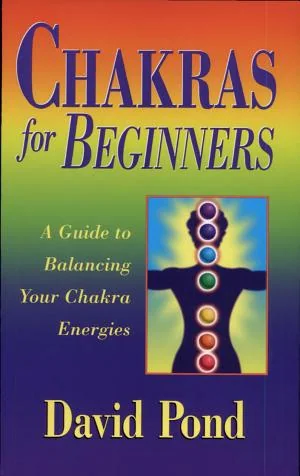
Chakras for Beginners
 83
83

Chakras for Beginners
David Pond’s Chakras for Beginners attempts to demystify a core concept in many spiritual traditions. The book’s strength lies in its direct, no-nonsense approach, particularly in its provision of actionable exercises. Unlike more academic treatises, Pond grounds the abstract notion of energy centers in tangible outcomes, such as improved decision-making linked to the third chakra (Manipura) or enhanced pleasure from the second (Svadhisthana). However, the work occasionally simplifies complex energetic interplay, and while the 1999 publication date is noted, some explanations could benefit from contemporary energetic models. A significant passage details practical meditation techniques for the Ajna chakra, offering clear steps for focused visualization. The book serves as a functional entry point, though seasoned practitioners might find its scope limited. Ultimately, it succeeds as a pragmatic guide for the uninitiated seeking foundational chakra work.
📝 Description
83
### What It Is Chakras for Beginners, first published in 1999 by David Pond, offers an introduction to the concept of chakras as energy centers within the human body. The book posits that these energetic vortices, primarily associated with locations along the spine, influence physical and emotional well-being. It moves beyond theoretical discussion to provide practical methods for engaging with these energy systems.
### Who It's For This work is intended for individuals new to the study of chakras and subtle energy. It caters to those who have encountered the term 'chakra' but seek a clear explanation of their function and practical application. Readers looking for accessible techniques to balance their personal energy fields and enhance decision-making or life enjoyment will find value here.
### Historical Context Published in 1999, Chakras for Beginners emerged during a period of increasing public interest in New Age spirituality and Eastern philosophies in the West. This era saw a proliferation of books explaining concepts like yoga, meditation, and energy healing to a broader audience. Pond's work contributed to this trend, making esoteric concepts more digestible, aligning with a broader movement influenced by figures like Helena Blavatsky and the Theosophical Society's earlier popularizations of Eastern thought.
### Key Concepts The book centers on the seven primary chakras, detailing their location, associated colors, and specific functions. It introduces the idea that blockages or imbalances in these energy centers can manifest as physical or emotional difficulties. Consequently, the text emphasizes the importance of chakra alignment and provides exercises designed to clear and balance these energetic points for improved personal well-being and spiritual development.
💡 Why Read This Book?
• You will learn specific, actionable meditation techniques for each of the seven primary chakras, enabling you to actively balance your energy as described in Chapter 3, 'Working with the Chakras'. • You can gain practical understanding of how chakra imbalances might manifest in daily life, with concrete examples provided for the Manipura (3rd) and Svadhisthana (2nd) chakras, helping you identify personal areas for focus. • You will discover straightforward methods for visualization and energy centering, offering immediate tools for self-awareness and emotional regulation, as detailed in the exercises presented throughout the book.
⭐ Reader Reviews
Honest opinions from readers who have explored this book.
❓ Frequently Asked Questions
What are the seven main chakras discussed in David Pond's book?
The book details the seven primary chakras: Muladhara (root), Svadhisthana (sacral), Manipura (solar plexus), Anahata (heart), Vishuddha (throat), Ajna (third eye), and Sahasrara (crown). Each is presented with its location and associated energies.
When was 'Chakras for Beginners' first published?
David Pond's 'Chakras for Beginners' was first published in 1999, reflecting the growing interest in esoteric and New Age topics at the turn of the millennium.
Can this book help with making better decisions?
Yes, the book specifically links the third chakra, Manipura, to decision-making. It provides exercises aimed at balancing this chakra to enhance clarity and confidence in choices.
Are there practical exercises in 'Chakras for Beginners'?
Absolutely. The book is rich with exercises and meditations designed to help readers balance their chakras, a core element emphasized from its introduction.
What is the historical context of chakra teachings?
Chakra concepts originate from ancient Indian traditions, particularly Tantra and Yoga. Their introduction to the West gained traction in the late 19th and 20th centuries through movements like Theosophy.
Does the book explain how to get more pleasure out of life?
Yes, the book associates the second chakra, Svadhisthana, with pleasure and creativity. It offers techniques to unblock and energize this center for a more fulfilling experience.
🔮 Key Themes & Symbolism
Chakra Energy Centers
The core theme revolves around the seven primary chakras, conceptualized as spinning vortexes of energy along the spine. Pond details their location, associated colors, and vital functions, positing that their balance is crucial for physical, emotional, and spiritual health. The work explains how disturbances in these centers can lead to various life challenges, advocating for regular practice to maintain energetic equilibrium.
Practical Energy Balancing
This book emphasizes actionable techniques over mere theory. It provides readers with explicit exercises, meditations, and visualizations designed to clear blockages and harmonize the energy within each chakra. The focus is on empowering individuals to actively engage with their energetic system, fostering self-awareness and promoting tangible improvements in well-being, such as enhanced decision-making.
Personal Well-being and Growth
Pond connects chakra health directly to an individual's quality of life. By balancing the chakras, readers are encouraged to unlock greater pleasure, improve their capacity for making sound decisions, and foster overall vitality. The work frames chakra work as a pathway to personal development, leading to a more integrated and fulfilling existence.
Introduction to Esoteric Concepts
As a beginner's guide, the book serves as an accessible entry point into esoteric studies, specifically focusing on energy systems common in Eastern spiritual traditions. It translates complex metaphysical ideas into understandable language and practical applications, making the concept of chakras approachable for those unfamiliar with such subjects.
💬 Memorable Quotes
“The other chakras can help you...”
— This phrase, appearing in the original blurb, suggests a comprehensive system where each chakra contributes to different aspects of human experience, implying a holistic approach to energy work.
“spinning vortexes of energy associated with places along the spine.”
— This describes the fundamental energetic nature and location of chakras as presented in the book, establishing their physical and energetic connection within the body.
“What are they good for?”
— This question, posed in the blurb, highlights the book's practical intent: to move beyond abstract definitions and demonstrate the real-world benefits and applications of understanding and working with chakras.
“make better decisions (3rd chakra)”
— This specific example illustrates the book's method of linking chakra function to concrete psychological and behavioral outcomes, directly associating the Manipura chakra with cognitive clarity.
“get more pleasure out of life (2nd chakra)”
— This quote exemplifies how the book connects specific chakras to emotional states and life experiences, highlighting the Svadhisthana chakra's role in enhancing enjoyment and sensuality.
🌙 Esoteric Significance
Tradition
The work draws heavily from the Tantric and Yogic traditions of India, where the concept of chakras (energy centers) is foundational. It adapts these ancient teachings for a Western audience, framing them within a modern self-help context. While rooted in these traditions, Pond's approach simplifies the complex philosophical underpinnings, focusing on practical application and personal empowerment rather than intricate yogic philosophy or ritualistic practices.
Symbolism
Central to the book's symbolism is the serpent (often associated with Kundalini energy) coiled at the base of the spine, representing dormant potential energy. The seven chakras themselves function as symbols of different stages of consciousness and aspects of human experience, each with distinct colors (e.g., red for the root, blue for the throat) and elemental associations that provide a symbolic map of the psyche.
Modern Relevance
Pond's work continues to be relevant for contemporary practitioners of energy healing, mindfulness, and yoga who seek straightforward guidance on chakra work. Its accessible format influences modern wellness influencers and online courses that break down esoteric concepts for a broad audience. The book's pragmatic approach to balancing energy centers aligns with current trends in mental wellness and self-care, making its foundational principles applicable to current therapeutic and spiritual practices.
👥 Who Should Read This Book
• Beginners exploring energy work and subtle body anatomy who want a clear, non-intimidating introduction to the chakra system. • Individuals seeking practical techniques for self-healing and personal development, looking for exercises to balance emotions and enhance decision-making. • Those interested in comparative spirituality or the history of New Age movements, wanting to understand a key concept popularized in the late 20th century.
📜 Historical Context
Published in 1999, David Pond's 'Chakras for Beginners' arrived during a significant surge of interest in New Age and holistic health practices in Western societies. This period saw a burgeoning market for accessible guides to spiritual concepts previously confined to more specialized circles. Pond's work emerged in dialogue with earlier popularizations of Eastern mysticism, influenced by figures like Helena Blavatsky and the Theosophical Society, which had introduced concepts like chakras to Western esoteric thought decades earlier. While not a direct academic text, it participated in the broader cultural movement that sought to integrate ancient wisdom with modern psychological understanding. Its approach paralleled that of many self-help and spiritual guides of the era, aiming to democratize esoteric knowledge. Contemporary authors like Deepak Chopra were also making waves in similar wellness spheres, although often with a greater emphasis on mind-body medicine rather than direct energy work.
📔 Journal Prompts
The Manipura chakra's role in decision-making.
Personal energetic imbalances and their potential manifestations.
Visualization techniques for the Ajna (third eye) chakra.
The connection between Svadhisthana energy and life enjoyment.
Reflecting on the Sahasrara chakra's symbolism.
🗂️ Glossary
Chakra
Literally 'wheel' in Sanskrit, referring to the seven primary energy centers located along the spine, believed to regulate physiological and psychological functions.
Energy Vortex
A description of chakras as dynamic, swirling centers of subtle energy that interact with the physical body and consciousness.
Muladhara
The first chakra, located at the base of the spine, associated with grounding, security, and survival instincts.
Svadhisthana
The second chakra, located in the lower abdomen, linked to creativity, sexuality, pleasure, and emotions.
Manipura
The third chakra, located in the solar plexus, associated with personal power, will, self-esteem, and decision-making.
Anahata
The fourth chakra, located at the heart center, related to love, compassion, connection, and emotional balance.
Ajna
The sixth chakra, located between the eyebrows (the 'third eye'), associated with intuition, perception, and psychic abilities.