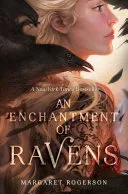
An Enchantment of Ravens
 78
78

An Enchantment of Ravens
Margaret Rogerson's An Enchantment of Ravens presents a familiar premise—a human drawn into the perilous world of fae—but imbues it with a painter's eye for detail and a keen understanding of the cost of magic. The novel excels in its atmospheric descriptions of the fae courts and the stark contrast between their immortal, emotionless existence and the vibrant, fleeting human world. Isobel's journey from a skilled artisan to a player in fae politics is compelling, particularly her internal struggle as she finds herself drawn to Prince Raelen. The central conceit of trading memories for enchantments is a fascinating, if unsettling, exploration of value and connection. However, the romantic development, while central, occasionally feels rushed, particularly given the inherent dangers and alien nature of the fae prince. A particular strength lies in the depiction of the Spring Court's sterile beauty, a stark counterpoint to the human world's messy vitality. The climax, while action-packed, relies on a few convenient turns that slightly undermine the established stakes. Nevertheless, Rogerson crafts a visually rich and emotionally resonant fairy tale, offering a unique perspective on the exchange between mortality and immortality. It is a promising debut that showcases a distinct voice in fantasy.
📝 Description
78
### What It Is An Enchantment of Ravens is a 2017 young adult fantasy novel by Margaret Rogerson. It centers on Isobel, a human artist living in a world where humans trade their memories and emotions for enchantments bestowed by the dangerous, immortal fae. Isobel herself is commissioned by the Spring Court's prince, Raelen, to paint him, a task that draws her into the treacherous politics and ancient laws of the faerie realms. The narrative explores the volatile relationship between humans and the fae, particularly their differing perceptions of beauty, art, and the very essence of life and feeling.
### Who It's For This novel appeals to readers who appreciate atmospheric fantasy with a strong romantic element and a focus on artistic expression. Those interested in fae lore, particularly the darker, more capricious aspects often associated with Celtic mythology, will find familiar themes. It is also suited for individuals who enjoy character-driven stories where protagonists grapple with difficult choices and their own evolving identities amidst supernatural challenges. The exploration of art as a form of magic and a means of understanding will engage creative minds.
### Historical Context Published in 2017, An Enchantment of Ravens emerged during a period of significant popularity for YA fantasy, building upon trends established by authors like Holly Black and Sarah J. Maas, who also explored the darker side of fae interactions. Rogerson's debut tapped into a demand for fairy tales reimagined with more complex, morally gray characters and higher stakes. The novel's emphasis on the fae as an ancient, often alien power, distinct from the more benevolent portrayals sometimes seen, aligns with a resurgence of interest in folkloric interpretations of magical beings. This period saw a broader trend of subverting traditional fairy tale tropes.
### Key Concepts The novel introduces several key concepts central to its narrative and thematic concerns. The practice of 'bartering' memories and emotions for faerie enchantments is a core mechanic, highlighting the fae's transactional nature and their detachment from human experience. The concept of 'fae-touched' individuals, those who have lived among the fae or been deeply influenced by them, like Isobel, explores the blurred lines between human and fae identity. The fae courts themselves, with their distinct seasons and inherent dangers, represent ancient, often unforgiving power structures. The novel also delves into the idea of art as a conduit for emotion and truth, a tool that can both reveal and protect.
💡 Why Read This Book?
• You will gain insight into the fae's ancient, often detached perspective on humanity, as depicted through the Spring Court's transactional magic system, which requires bartering memories. • You will experience the power of art as a vital conduit for emotion and connection, a theme explored through Isobel's skill as a painter in a world that often suppresses feeling. • You will witness a nuanced exploration of belonging and identity, as Isobel navigates her dual existence between the human world and the allure of the fae realms, particularly her complicated feelings for Prince Raelen.
⭐ Reader Reviews
Honest opinions from readers who have explored this book.
❓ Frequently Asked Questions
What is the main conflict in An Enchantment of Ravens?
The primary conflict involves Isobel, a human painter, who is commissioned by the fae prince Raelen. This draws her into the dangerous politics of the fae courts, forcing her to confront their ancient laws and her own growing feelings for a non-human being.
What is the significance of Isobel's art in the book?
Isobel's art is crucial as it is her primary means of interacting with and understanding the fae. It serves as a way to capture and convey emotion, a concept the fae struggle with, making her art both a valuable commodity and a potential weapon.
How does the book portray the fae?
The novel depicts the fae as ancient, powerful, and largely emotionless beings who view humans as fragile and their emotions as commodities. They trade enchantments for memories and feelings, highlighting a significant cultural and existential divide.
What is the role of Prince Raelen?
Prince Raelen is the fae prince who commissions Isobel. He represents the enigmatic and dangerous allure of the fae. His interactions with Isobel drive much of the plot and the romantic tension, exploring the possibility of connection across species.
Is An Enchantment of Ravens a standalone novel?
Yes, An Enchantment of Ravens is a standalone novel. It was published in 2017 and does not have any direct sequels, though Margaret Rogerson has written other fantasy novels.
What is the core theme of memory in the book?
Memory is a central theme, as the fae demand it in exchange for their enchantments. This highlights the value of human experience and emotion, which the fae lack, and raises questions about what makes a life meaningful.
🔮 Key Themes & Symbolism
The Transactional Nature of Magic
The novel intricately details a system where fae magic is exchanged for human memories and emotions. This isn't mere bargaining; it's a fundamental aspect of fae existence, illustrating their detachment from the subjective richness of mortal lives. Isobel's commission from Prince Raelen exemplifies this, as her art is not just a skill but a conduit for the very feelings the fae have lost or never possessed. This theme interrogates the true cost of power and the essence of what it means to feel.
Art as Emotion and Identity
Isobel's talent as a painter is central to her identity and her survival within the fae world. In a realm devoid of genuine emotion, her ability to capture and convey it through art becomes a powerful, almost dangerous, force. The fae are fascinated by her work because it reflects a depth they cannot achieve. This theme posits art not just as aesthetic creation but as a vital expression of the human spirit, a way to retain one's selfhood against an alien power.
The Alienness of the Fae
Rogerson presents the fae not as whimsical sprites but as ancient, powerful beings with an almost alien mindset. Their immortality has led to a profound disconnect from human concerns, particularly emotions and the passage of time. The Spring Court, with its rigid structure and emphasis on cold beauty, embodies this. The novel explores the inherent danger in this otherness, questioning whether true understanding or connection is possible between such disparate beings.
Belonging and Otherness
Isobel, a human living within a fae-dominated society and commissioned by a fae prince, embodies the theme of belonging and otherness. She is 'fae-touched,' existing between two worlds. Her internal conflict mirrors the external one: can she remain fully human while engaging so deeply with the fae? This theme is amplified by her burgeoning feelings for Raelen, forcing her to question where her true allegiance and self lie.
💬 Memorable Quotes
“I was a painter. I painted what I saw. I did not paint what I felt.”
— This statement from Isobel highlights her initial emotional detachment, a coping mechanism developed in a world where expressing feelings can be dangerous. It sets up her internal journey towards embracing her emotions and using her art to reflect them.
“The fae are not like us. They do not feel. They do not love.”
— This interpretation of the fae's nature underscores their fundamental difference from humans. It establishes the core conflict and the inherent risks in any emotional entanglement between Isobel and Prince Raelen, emphasizing the fae's alien perspective.
“Beauty without a soul is just decoration.”
— This concept critiques the fae's obsession with aesthetics devoid of genuine feeling. It suggests that true beauty requires an emotional or spiritual component, a quality that Isobel, as an artist, understands and embodies, contrasting with the fae's sterile perfection.
“Mortals are such fragile things. So full of fleeting passions.”
— This paraphrased sentiment from a fae character reflects their detached and somewhat condescending view of humanity. It emphasizes the contrast between immortal, emotionless beings and mortals driven by intense, transient feelings.
“My greatest fear was not dying, but losing myself.”
— This represents Isobel's central internal struggle. As she becomes more entangled with the fae, her fear is not of physical harm but of losing her human identity, her emotions, and her connection to her own world.
🌙 Esoteric Significance
Tradition
While not explicitly tied to a single esoteric lineage like Hermeticism or Gnosticism, An Enchantment of Ravens resonates with themes found in folklore and animistic traditions where nature spirits and otherworldly beings interact with humanity. The fae's existence as powerful, ancient entities separate from human morality and emotion echoes concepts of elemental spirits or the Sidhe in Celtic mythology, which have long been incorporated into various occult studies of nature spirits and the 'Otherworld.' The novel explores a form of 'fae magic' that is transactional and deeply connected to the natural world, albeit a highly stylized version.
Symbolism
The raven, appearing in the title, is a potent symbol often associated with mystery, transformation, death, and prophecy across many cultures, including Norse and Celtic traditions. In the book, it can represent the connection to the otherworldly and the darker aspects of the fae realm. The concept of 'enchantments' themselves, granted in exchange for memories, symbolizes the fae's pursuit of the ephemeral essence of human life – emotions and experiences – which they themselves lack, highlighting a spiritual void.
Modern Relevance
Contemporary readers and practitioners interested in modern folklore studies, the resurgence of interest in fae lore (often termed 'Fae Folklorism'), and the exploration of non-human consciousness will find resonance. Thinkers and writers who engage with the 'new animism' or explore the intersection of art and magic, particularly in the context of emotional expression and identity formation, draw upon the novel's themes. It speaks to a modern fascination with the liminal spaces between worlds and the inherent power in subjective human experience.
👥 Who Should Read This Book
• Readers fascinated by modern interpretations of fae lore and folklore, particularly those interested in the more dangerous and alien aspects of these beings, as depicted in the Spring Court. • Aspiring artists and creatives who connect with stories where art serves as a powerful tool for self-expression, understanding, and even survival in challenging circumstances. • Young adults and adults seeking character-driven fantasy narratives that explore themes of identity, belonging, and the complex relationships that form across vast existential divides.
📜 Historical Context
Published in 2017, An Enchantment of Ravens arrived during a peak period for young adult fantasy, a genre that had seen immense growth throughout the early 2010s. Authors like Holly Black had already paved the way for darker, more complex portrayals of fae creatures, moving beyond the gentler folkloric depictions. Rogerson’s debut tapped into this established interest, offering a narrative that emphasized the alien and often dangerous nature of fae courts, contrasting sharply with more whimsical or romanticized versions. While not directly engaging with intellectual currents like the burgeoning interest in #WeNeedDiverseBooks, the novel contributes to a broader trend of subverting traditional fairy tale tropes and exploring morally ambiguous characters. Its reception was generally positive, marking Rogerson as a notable new voice in a crowded genre, comparable in its impact to other successful YA fantasy debuts of the era. The novel did not face significant censorship or controversy, aligning with the general market acceptance of its themes.
📔 Journal Prompts
Isobel's bartering of memories for enchantments: what value do you assign to your own memories?
The fae's detachment from emotion: how does this contrast with your own emotional landscape?
The Spring Court's sterile beauty: reflect on the difference between surface aesthetics and inner vitality.
Prince Raelen's fascination with Isobel's art: consider what aspects of human experience might be alien to a non-human consciousness.
The concept of 'fae-touched' identity: explore moments where you felt caught between two different worlds or aspects of yourself.
🗂️ Glossary
Fae
Refers to a class of supernatural beings originating in folklore, often depicted as immortal, powerful, and possessing a distinct culture and morality separate from humans. In this novel, they are portrayed as largely emotionless and transactional.
Enchantment
Magical gifts or spells bestowed by the fae. In the novel, these are not given freely but are traded for significant personal sacrifices, typically memories or emotions, from humans.
Spring Court
One of the fae courts, characterized by an emphasis on beauty, art, and a cold, structured existence. It represents a specific facet of fae society in the novel, focused on aesthetic perfection devoid of genuine feeling.
Bartering
The act of exchanging goods or services. In the context of the novel, it specifically refers to the fae's practice of trading their magical enchantments for human memories, emotions, or other aspects of mortal experience.
Fae-touched
A term used to describe individuals, like Isobel, who have had significant exposure to or interaction with the fae, blurring the lines between their human identity and the influence of the fae realm.
Painter
Isobel's profession and primary skill. Her ability to paint is central to the plot, serving as her means of livelihood, a form of communication with the fae, and a reflection of her internal emotional state.
Mortality
The state of being subject to death. The novel contrasts human mortality and the richness of fleeting life with the fae's immortality and emotional sterility.