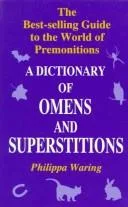
A Dictionary of omens and superstitions
 84
84

A Dictionary of omens and superstitions
Philippa Waring's dictionary functions less as a narrative and more as a meticulously organized compendium, which is precisely its strength. Its sheer breadth is impressive, cataloging everything from the common (a black cat crossing one's path) to the more obscure (the significance of moles on specific body parts). The work is invaluable for its systematic approach to a subject often treated superficially. However, this encyclopedic nature means it occasionally lacks depth on individual entries; a reader seeking the deep philosophical roots of a specific superstition might need to consult other sources. A particularly illuminating section details omens related to domestic animals, highlighting their historical role as intermediaries or harbingers. The dictionary stands as a solid, if unadorned, reference tool for anyone interested in the enduring landscape of popular belief.
📝 Description
84
Published in 2020, A Dictionary of Omens and Superstitions catalogs beliefs about signs and folk magic.
This dictionary presents a wide range of omens and superstitions, covering signs derived from animal behavior, weather, everyday objects, and human actions. It details numerous beliefs and practices associated with folk magic and the interpretation of portents. The work functions as a reference for those interested in the historical and cultural roots of these widespread ideas.
The book is aimed at readers interested in folklore, comparative religion, and the history of belief. It provides useful details for writers of historical or fantasy fiction and for anyone curious about how people find meaning in chance events. Those who practice folk magic or study esoteric traditions will also find the volume helpful.
Its contemporary approach, compiling centuries of beliefs into a modern dictionary, contrasts with older, more specialized academic studies. This effort reflects a recent interest in occult and esoteric subjects, making traditional folk beliefs accessible.
This dictionary joins a modern tradition of revisiting and cataloging folk beliefs and esoteric practices. While the subject matter spans centuries, its 2020 publication places it within a contemporary wave of interest in occult and magical subjects. It aims to make accessible the historical context of superstitions, which often intersect with folk magic and divination, providing a structured reference for these traditions.
💡 Why Read This Book?
• Gain a comprehensive understanding of the cultural evolution of omens and superstitions, tracing how beliefs like those surrounding broken mirrors have persisted since Roman times. • Discover practical applications for creative work, drawing on specific folklore details, such as the historical superstitions associated with sewing a garment at night. • Explore the psychological impetus behind divination by examining the dictionary's catalog of omens linked to natural phenomena, like thunderstorms.
⭐ Reader Reviews
Honest opinions from readers who have explored this book.
❓ Frequently Asked Questions
What are some common omens related to birds in A Dictionary of Omens and Superstitions?
The dictionary lists numerous bird-related omens, including the significance of a robin entering a house, the meaning of a crow's caw, and the implications of a dove's appearance. These often relate to impending news or fortune.
Does the book explain the origins of superstitions?
While primarily a catalog, the work often provides brief historical context or links superstitions to ancient practices or beliefs, such as the origins of the 'knock on wood' superstition stemming from pagan tree worship.
Are there omens related to food and drink mentioned?
Yes, the book covers various food and drink superstitions, including the meaning of spilling salt (often considered bad luck, with rituals to counteract it) and beliefs surrounding the first bite of a meal.
What kind of superstitions does A Dictionary of Omens and Superstitions cover for domestic life?
It details superstitions concerning household objects, such as the significance of a clock stopping, or actions like sweeping the floor after dark. These often reflect concerns about luck, wealth, or the departure of household members.
Is this book suitable for academic research on folklore?
The dictionary serves as an excellent starting point for academic research, providing a broad overview and numerous examples of folk beliefs documented since at least the early 20th century, facilitating further in-depth study.
When was A Dictionary of Omens and Superstitions first published?
The book was first published in 2020, reflecting a recent compilation of historical and ongoing beliefs about omens and superstitions.
🔮 Key Themes & Symbolism
Animal Portents
The dictionary meticulously documents the significant role animals have played as harbingers of fortune or misfortune across cultures. Entries detail beliefs surrounding specific creatures, from the prophetic significance of a black cat's path to the meaning of a dog's howl. It explores how observations of animal behavior were translated into predictions, reflecting a deep historical connection between humans and the natural world, where animals were often seen as messengers or indicators of unseen forces at play.
Domestic Superstitions
This theme focuses on the everyday beliefs that permeated the home and household routines. The book covers omens tied to domestic objects like mirrors and brooms, as well as actions such as spilling salt or encountering spiders. These superstitions often reveal anxieties about domestic harmony, financial stability, and the well-being of family members, illustrating how folk belief provided a framework for managing the uncertainties of daily life within the domestic sphere.
Weather and Natural Omens
The dictionary extensively catalogs beliefs linking atmospheric phenomena and natural occurrences to future events. It details how rainbows, thunderstorms, and even the appearance of specific clouds were interpreted as signs. This section highlights humanity's long-standing attempt to find meaning and predictability in the often-unpredictable forces of nature, viewing weather patterns not just as meteorological events but as coded messages from the cosmos.
Human Actions as Portents
This theme examines superstitions derived from common human actions and rituals. It includes beliefs associated with sneezing, yawning, or specific gestures, as well as practices like knocking on wood. These entries showcase how seemingly insignificant human behaviors were imbued with symbolic meaning, often serving as preventative measures against bad luck or as ways to invoke good fortune, reflecting a desire for agency in a world perceived as governed by fate.
💬 Memorable Quotes
Direct passages from the work, attributed to the author.
“The appearance of a robin indoors was often seen as a harbinger of death.”
— This entry exemplifies how common natural occurrences, like a bird entering a dwelling, were interpreted through a lens of significant, often dire, future events in folk belief systems.
“Spilling salt was considered a serious ill omen, frequently counteracted by throwing a pinch over the left shoulder.”
— This highlights the belief in sympathetic magic and ritualistic countermeasures, where a negative omen could be neutralized through a specific, symbolic action.
“A clock stopping unexpectedly was often taken as a sign that someone in the household would soon pass away.”
— This illustrates the association of inanimate objects malfunctioning with profound, life-altering events, reflecting anxieties about mortality and the passage of time.
“Finding a four-leaf clover was believed to bring exceptional good luck.”
— This common superstition demonstrates the positive side of omen interpretation, where rare natural variations are seen as blessings or tokens of good fortune.
“Sweeping dirt out of the house after sunset was thought to sweep away good luck.”
— This entry points to the temporal aspect of superstitions, where the timing of an action, like cleaning at night, could drastically alter its perceived consequences.
🌙 Esoteric Significance
Tradition
While not strictly adhering to a single esoteric lineage, this dictionary functions as a vital resource for practitioners and scholars of Western Esotericism, particularly those interested in folk magic, divination, and traditional European occultism. It acts as a compendium of practices and beliefs that often underpin or run parallel to more formalized systems like Hermeticism or Witchcraft, providing a grounding in the popular, often unwritten, magical traditions that have coexisted with these schools for centuries.
Symbolism
Key symbols include animals like the black cat, historically associated with ill fortune or witchcraft in European folklore, and the robin, often seen as a messenger of spiritual or domestic change. Natural phenomena such as rainbows, interpreted variously as divine promises or signs of transition, and salt, a potent symbol of purity and preservation whose spillage signifies misfortune, are also central motifs reflecting ancient cosmological views.
Modern Relevance
Contemporary practitioners of modern witchcraft, neo-paganism, and various forms of folk magic frequently draw upon the detailed catalog of omens and superstitions found in works like this. It provides source material for ritual creation, divination practices, and a deeper understanding of the historical roots of contemporary magical beliefs, connecting modern practitioners to the enduring human impulse to interpret signs and influence destiny.
👥 Who Should Read This Book
• Aspiring practitioners of folk magic and divination seeking a comprehensive reference for traditional omens and their interpretations. • Writers and artists looking for authentic details to enrich historical or fantasy narratives with culturally relevant superstitions. • Students of folklore and comparative religion interested in the global history and psychological underpinnings of belief systems.
📜 Historical Context
Published in 2020, Philippa Waring's dictionary arrives at a moment of renewed popular interest in esoteric studies and folk traditions, a stark contrast to the predominantly secular and rationalist outlook prevalent for much of the 20th century. While earlier folklorists like Katharine Briggs meticulously documented beliefs in the mid-20th century, Waring's work aims for a broader, more accessible compilation. The book's existence reflects a contemporary desire to preserve and understand a vast array of popular beliefs that have persisted despite scientific advancement, standing apart from the more academic, anthropological approaches that often defined the study of superstition in the preceding decades.
📔 Journal Prompts
The omen of the black cat crossing your path: what personal associations does this carry?
Reflect on the superstition of knocking on wood; what anxieties does it seek to mitigate?
Consider the domestic superstition of sweeping after dark: what does this reveal about historical household management?
Analyze the symbolism of spilled salt; how might you symbolically counteract negative energies today?
The robin as a harbinger: what messages from the natural world do you currently perceive?
🗂️ Glossary
Omen
An event or circumstance that is believed to be a sign or warning of something to come, often of a future occurrence or outcome, typically interpreted as either good or bad fortune.
Superstition
A belief or practice resulting from ignorance, the fear of the unknown, trust in magic or chance, or a false conception of causation, especially a practice dictated by tradition or faulty association.
Divination
The practice of seeking knowledge of the future or the unknown by supernatural means, through various methods interpreted as omens or signs.
Harbinger
A person or thing that announces or signals the approach of another; a forerunner or precursor, often associated with significant future events.
Sympathetic Magic
A type of magic based on the belief that there is a direct connection between an object or person and anything that resembles it or has been in contact with it.
Portent
A sign or warning that something, especially something momentous or calamitous, is likely to happen; an omen.
Folk Belief
Traditional beliefs, customs, and practices passed down through generations within a community or culture, often related to superstition, magic, and folklore.
🔮 Readers Also Liked
Browse all →







More by Philippa Waring
All books →
More Free Occult Philosophy Books
View all →