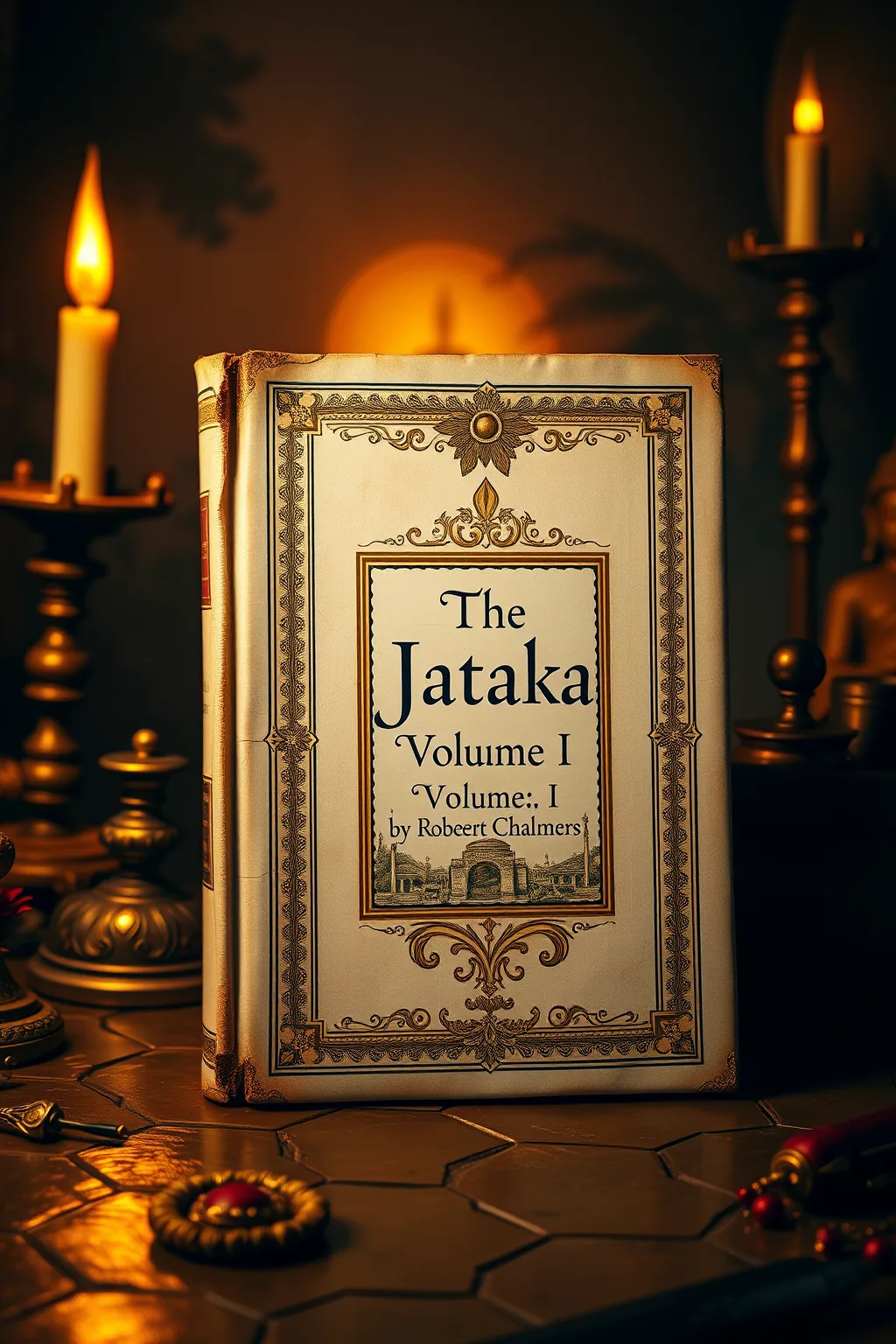
The Jataka, Volume I
 72
72

The Jataka, Volume I



Alaric Kestrel (Metaphysical Studies Reviewer) — 'The Jataka, Volume I' is a cornerstone for any serious student of Eastern mysticism and comparative religion. Chalmers' meticulous translation of these pre-canonical tales offers unparalleled insight into the formative ethical and philosophical landscapes of early Buddhism. The narratives, rich with archetypal symbolism and profound moral lessons, reveal the intricate tapestry of the Bodhisattva's cumulative wisdom. This volume is not merely historical; it provides a potent framework for understanding spiritual progress and the cultivation of virtues essential for inner transformation. Highly recommended for scholars, practitioners, and seekers of timeless wisdom.
📝 Description
72
First published in 1895, Robert Chalmers' translation of 'The Jataka, Volume I' presents early Buddhist birth stories.
This volume contains the earliest known versions of the Jataka tales, narratives detailing the previous lives of the Buddha. Translated by Robert Chalmers, the collection offers insights into the Buddha's lives as both human and animal figures. These stories originate from ancient India and function as allegories intended to guide individuals toward enlightenment. Each narrative conveys specific lessons on compassion, wisdom, sacrifice, and the workings of karma. Chalmers' translation retains the accessible quality of the original folktales while upholding their philosophical depth. The book invites readers to consider the moral development and growing awareness of the Bodhisattva through his many existences.
It demonstrates how stories can convey spiritual teachings and provide a framework for ethical living. For those interested in the origins of Buddhism or the development of spiritual understanding, this collection is a valuable resource. It is filled with symbolic meaning and reflects ancient spiritual knowledge.
The Jataka tales form a core component of Buddhist scripture, particularly within the Theravada tradition. They are not merely historical accounts but are understood as exemplars of the Bodhisattva's practice over countless lifetimes. The concept of the Bodhisattva, one who vows to attain enlightenment for the benefit of all beings, is central to Mahayana Buddhism but its origins are traced through these early narratives. The stories illustrate the gradual perfection of virtues like generosity, morality, patience, and wisdom, which are considered essential for spiritual liberation. They connect the present life of Siddhartha Gautama with a vast continuum of past actions and consequences.
✍️ Author
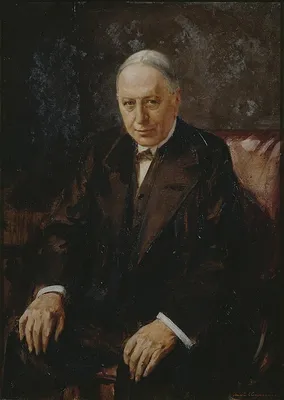
Robert Chalmers
Robert Chalmers, 1st Baron Chalmers, (18 August 1858 – 17 November 1938) was a British civil servant, and a Pali and Buddhist scholar. In later life, he served as the Master of Peterhouse, Cambridge.
💡 Why Read This Book?
Explore the profound origins of Buddhist ethical teachings through captivating tales of the Buddha's past lives. Uncover timeless wisdom on compassion, karma, and self-sacrifice. Ideal for spiritual seekers, students of philosophy, and anyone drawn to ancient moral narratives that illuminate the path to enlightenment.
⭐ Reader Reviews
Honest opinions from readers who have explored this book.
❓ Frequently Asked Questions
What are the Jataka tales?
The Jataka tales are a collection of stories recounting the previous lives of the Buddha, presented as moral parables that illustrate his journey towards enlightenment and the development of his virtues.
Who is Robert Chalmers?
Robert Chalmers was a significant translator and scholar of Buddhist texts, particularly known for his early and influential English translations of the Jataka stories.
What kind of lessons can be learned from these stories?
The stories offer lessons in compassion, generosity, wisdom, patience, truthfulness, and the understanding of cause and effect (karma), providing a rich ethical and spiritual framework.
Is this book suitable for beginners in Buddhism?
Yes, it serves as an excellent introduction to the core ethical principles and foundational narratives of Buddhism, presented in an accessible, story-driven format.
What is the historical significance of this volume?
Published in 1895, this volume was one of the first comprehensive English translations of the Jataka tales, playing a crucial role in introducing these important Buddhist narratives to a Western audience.
🔮 Key Themes & Symbolism
The Bodhisattva Path
This volume meticulously chronicles the nascent stages of the Bodhisattva's arduous journey towards Buddhahood. Through a myriad of rebirths, both noble and humble, human and animal, the tales illustrate the gradual accumulation of perfections—paramitas—essential for ultimate enlightenment. Each life serves as a crucible for cultivating virtues like generosity, ethical conduct, patience, and wisdom, demonstrating that spiritual awakening is a process of continuous self-cultivation and selfless dedication to the welfare of all beings.
Karma and Rebirth
Central to the Jataka narratives is the immutable law of karma and the cyclical nature of rebirth (samsara). The stories serve as vivid illustrations of how actions, whether virtuous or unskillful, inevitably bear fruit, shaping an individual's destiny across lifetimes. Chalmers' translation brings forth the profound understanding that present circumstances are the consequence of past deeds, and future conditions are determined by present intentions and actions, offering a powerful framework for ethical responsibility and spiritual evolution.
Moral Allegory and Wisdom Transmission
The Jataka tales are masterfully crafted moral allegories, designed to impart profound spiritual and ethical wisdom in an engaging, accessible manner. Framed within folktale structures, these narratives transcend simple storytelling, acting as profound vehicles for transmitting the core tenets of Buddhist philosophy. They reveal timeless truths about human nature, the interconnectedness of all life, and the ultimate liberation from suffering, making them potent tools for contemplation and the cultivation of inner understanding.
💬 Memorable Quotes
Direct passages from the work, attributed to the author.
“The Bodhisattva's career is marked by immense patience and self-sacrifice.”
— This highlights the central tenet of the Bodhisattva's path: the unwavering commitment to spiritual development through enduring hardship and prioritizing the well-being of others over personal comfort.
“Every action sown yields a karmic harvest.”
— A concise encapsulation of the law of karma, emphasizing that consequences are intrinsically linked to the nature of our deeds, both intentional and unintentional.
“Wisdom blossoms through countless lifetimes of experience.”
— This underscores the Jataka narrative's portrayal of spiritual growth as a gradual, cumulative process, built upon the lessons learned across numerous existences.
“Compassion is the guiding light on the path.”
— Illustrates the paramount importance of boundless love and empathy in the Bodhisattva's quest, serving as the driving force for selfless action.
“The animal realm reflects the universal nature of suffering and aspiration.”
— Points to the useful insights that spiritual lessons are not confined to human experience, but are universally present across all sentient beings.
🌙 Esoteric Significance
Tradition
Rooted deeply within the Mahayana and Theravada Buddhist traditions, the Jataka tales represent an esoteric understanding of spiritual progression. They are not merely historical accounts but allegorical maps guiding initiates through the stages of the Bodhisattva path. The repetition of virtuous deeds across lifetimes signifies a profound, cyclical spiritual discipline, hinting at hidden universal laws governing consciousness and existence.
Symbolism
The animal forms in which the Buddha often appears are potent symbols of his boundless compassion and his ability to embody virtues in any guise, transcending species and form. The specific animals chosen (e.g., a deer, an elephant, a monkey) often carry symbolic weight within Indian lore, representing particular qualities or challenges. The narratives themselves symbolize the unfolding of karma and the gradual purification of the mind towards enlightenment.
Modern Relevance
In an era grappling with ethical dilemmas and the search for meaning, the Jataka tales offer timeless wisdom. Their emphasis on compassion, non-violence, ethical conduct, and the interconnectedness of all beings provides a powerful antidote to materialism and individualism. For modern seekers, these narratives serve as spiritual guides, informative practices for cultivating inner peace, resilience, and a profound sense of purpose in a complex world.
👥 Who Should Read This Book
This volume is a treasure for a diverse readership. **Spiritual Seekers** will find profound ethical guidance and inspiration on the path to self-discovery and enlightenment. **Scholars of Religion and Philosophy** will appreciate its academic rigor and its importance as a foundational text in Buddhist studies. **Practitioners of Meditation and Mindfulness** can glean invaluable insights into the cultivation of virtues like patience, compassion, and wisdom. **Readers interested in comparative mythology and ancient storytelling** will be captivated by the rich narratives and their enduring moral lessons.
📜 Historical Context
Published in 1895, Robert Chalmers' 'The Jataka, Volume I' emerged during a period of burgeoning Western interest in Eastern philosophies and religions. Victorian England was experiencing a significant engagement with texts from India, fueled by colonial encounters and a growing intellectual curiosity for alternative spiritual traditions. This translation contributed significantly to the nascent field of Buddhist studies, making these foundational narratives accessible to a wider audience previously unfamiliar with their depth and complexity. The era's academic rigor, coupled with a romantic fascination for ancient wisdom, shaped the reception and impact of works like the Jataka, bridging cultural divides and informative the ethical and philosophical underpinnings of a major world religion for the first time in a comprehensive English format.
📔 Journal Prompts
Reflect on a past life story in this volume and identify the virtue the Buddha was cultivating.
Consider a personal situation where you could practice greater compassion or selfless sacrifice, inspired by these tales.
How does the concept of karma, as presented in these stories, influence your understanding of your own actions and their consequences?
What animal archetype from these stories resonates most with you, and why?
Write about a time you learned a significant lesson through a challenging experience, drawing parallels to the Bodhisattva's journey.
🗂️ Glossary
Jataka
A collection of tales recounting the previous lives of the Buddha, often serving as moral exemplars and illustrating the development of his virtues.
Bodhisattva
An enlightened being who delays their own final nirvana out of compassion to help all sentient beings achieve enlightenment.
Karma
The principle of cause and effect where intentional actions (karma) influence an individual's future experiences and rebirths.
Samsara
The continuous cycle of birth, death, and rebirth, driven by karma and attachment, from which liberation is sought.
Paramita
Perfections or virtues, such as generosity, ethical conduct, and wisdom, that a Bodhisattva cultivates over many lifetimes.
This book appears in 2 collections
🔮 Readers Also Liked
Browse all →






From the “Meditation” Collection
View all →





![Paul Foster Case The Tarot ( A Key To The Wisdom Of The Ages)[ebook Pdf]](/img/thumb/paul-foster-case-the-tarot-a-key-to-the-wisdom-of-the-ages-ebook-pdf.webp)
More Free Mysticism & Contemplation Books
View all →