Nat-Pwe
 84
84

Nat-Pwe
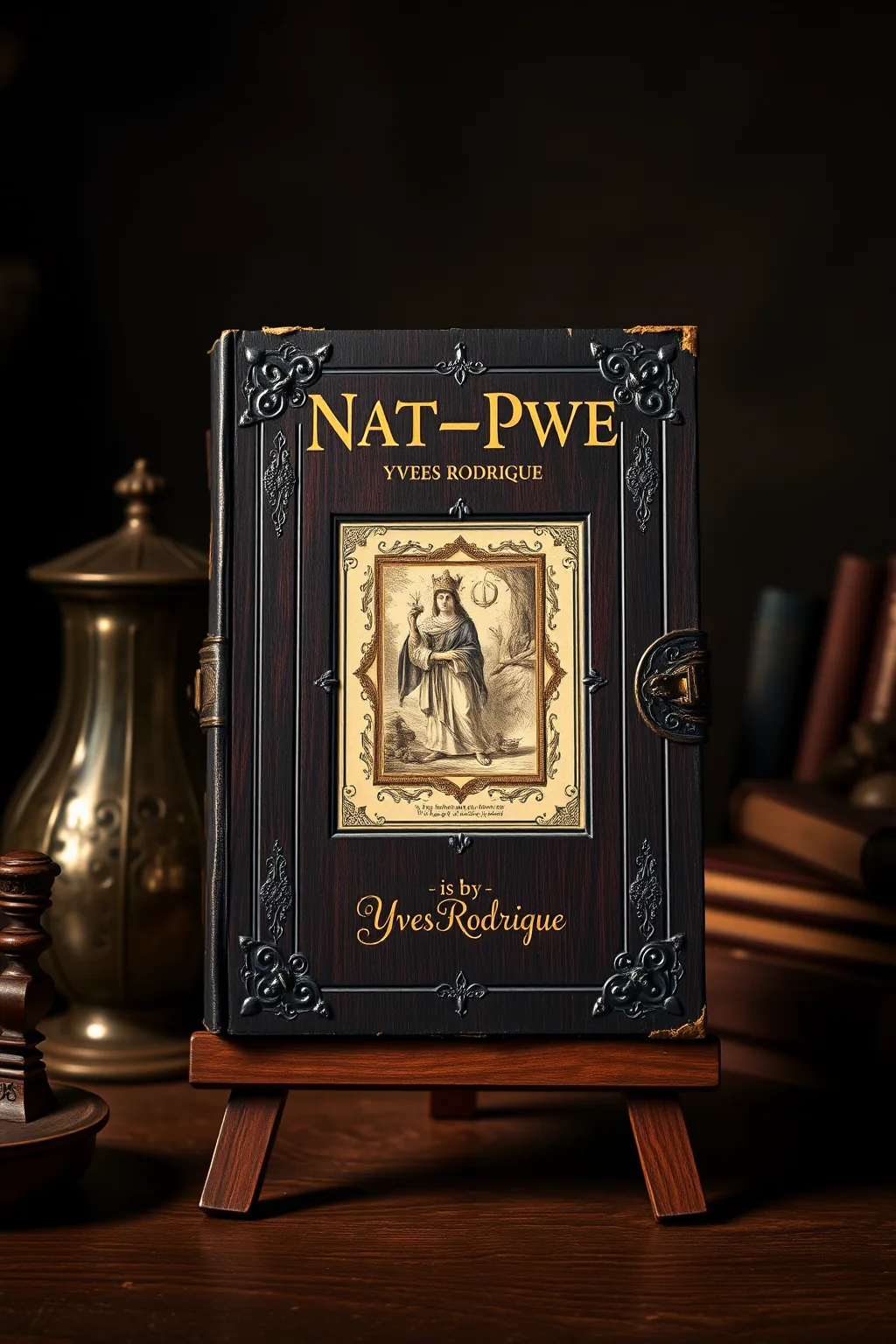
Yves Rodrigue's *Nat-Pwe* presents a meticulous, if somewhat dense, exploration of Burmese animistic spirit cults. The strength of the work lies in its unwavering focus on the specific practices and beliefs surrounding the Nats, avoiding the trap of overly broad generalizations common in studies of indigenous religions. Rodrigue details the intricate pantheon and ritualistic landscape with an academic rigor that is commendable. However, the book's primary limitation is its accessibility; the prose can be challenging, demanding a reader already conversant with anthropological and esoteric terminology. A particularly illuminating section discusses the mediatory role of the *Saya* (spirit medium), detailing the trance states and communicative protocols. While not an easy read, *Nat-Pwe* offers a valuable, specialized window into a vibrant spiritual tradition. It stands as a significant academic contribution to the study of Southeast Asian animism.
📝 Description
84
### What It Is
*Nat-Pwe* is a specialized study focusing on the Burmese animistic spirit cults, particularly those known as Nat. This work, first published in 1992 by Yves Rodrigue, offers a detailed examination of the pantheon, rituals, and social roles associated with these indigenous deities. It moves beyond superficial descriptions to explore the underlying philosophical and cosmological frameworks that inform these practices, presenting them not merely as folklore but as a living spiritual system.
### Who It's For
This book is intended for serious students of animism, comparative religion, and Southeast Asian esoteric traditions. It will appeal to anthropologists, scholars of religious studies, and practitioners interested in the practical application and worldview of spirit-based spiritual systems. Readers seeking a comprehensive overview of the Nat-Pwe cults, grounded in detailed research and cultural context, will find this volume particularly valuable. It is not introductory material for the casually curious.
### Historical Context
The study of indigenous spiritual practices in Southeast Asia gained academic traction in the late 20th century, as scholars began to look beyond major world religions. Rodrigue's work emerged during a period of increased interest in shamanism and animistic traditions globally. While figures like Mircea Eliade had broadly categorized such practices, *Nat-Pwe* offers a specific, localized ethnographic and philosophical deep-dive into a system distinct from more widely documented traditions. Its detailed focus on the Burmese context provides a counterpoint to broader, more generalized anthropological surveys of spirit cults.
### Key Concepts
The central concept is the *Nat-Pwe*, understood as the ritualistic invocation and appeasement of the Nats. The book elucidates the hierarchy of these spirits, their origins often tied to historical figures or natural phenomena, and their intricate relationship with the human community. It explores the role of mediums, the shamanic practices involved in ceremonies, and the ethical and social implications of engaging with the Nat. Rodrigue also details the specific offerings and propitiation methods central to maintaining balance between the human and spirit realms.
💡 Why Read This Book?
• Gain a precise understanding of the *Nat-Pwe* ritual system, including the specific roles and interactions of the various Nat spirits, which offers a unique perspective on spirit-based cosmologies not found in generalized animism studies. • Learn about the function and training of the *Saya* (spirit mediums) within the Burmese context, providing concrete examples of shamanic practice and communication protocols that illuminate cross-cultural shamanism. • Understand the specific historical and cultural factors that shaped the Nat cults since the 1992 publication, offering a grounded perspective on the evolution and persistence of indigenous spiritual traditions in Southeast Asia.
⭐ Reader Reviews
Honest opinions from readers who have explored this book.
❓ Frequently Asked Questions
What is the primary focus of Yves Rodrigue's *Nat-Pwe*?
*Nat-Pwe* focuses intently on the Burmese animistic spirit cults known as Nat. Published in 1992, it details their pantheon, rituals, and the philosophical underpinnings of these practices within their cultural context.
Who is the intended audience for *Nat-Pwe*?
The book is aimed at serious students of animism, comparative religion, and Southeast Asian esoteric traditions, including academics and practitioners interested in detailed ethnographic and philosophical study.
What is a 'Nat' according to the book?
A Nat is a type of spirit or deity in Burmese animism, often derived from historical figures or natural elements. The book explores their hierarchy, origins, and their relationship with the human community.
What is the role of the 'Saya' discussed in *Nat-Pwe*?
The Saya, or spirit medium, plays a crucial role in the Nat-Pwe ceremonies. The book details their function in invoking and communicating with the Nats, often involving trance states and specific protocols.
When was *Nat-Pwe* first published?
*Nat-Pwe* by Yves Rodrigue was first published in 1992, placing its detailed study within a specific period of academic interest in Southeast Asian indigenous religions.
Does *Nat-Pwe* discuss the relationship between Nats and Buddhism?
Yes, the work explores the syncretic nature of Burmese spirituality, detailing how the Nat cults coexist and sometimes integrate with the dominant Buddhist framework in the region.
🔮 Key Themes & Symbolism
The Nat Pantheon
This theme centers on the intricate hierarchy and diverse nature of the Nats, the indigenous spirits of Burma. Rodrigue meticulously outlines their origins, often linked to historical figures who met violent ends, and their association with natural phenomena. The book details specific Nats, their domains, and their individual characteristics, illustrating how this spiritual cosmology provides a framework for understanding the world and human existence within it. It emphasizes that these are not merely abstract deities but active forces influencing daily life and fortune.
Ritual and Propitiation
Central to *Nat-Pwe* is the detailed examination of the rituals performed to honor and appease the Nats. This includes the types of offerings, the specific ceremonies like the *pwe* (festivals), and the importance of maintaining balance. Rodrigue explains how these rituals serve not only to seek favor or avert misfortune but also to reinforce social cohesion and cosmological order. The efficacy of these practices is presented as a cornerstone of the belief system, highlighting the reciprocal relationship between humans and the spirit world.
The Role of the Saya
The *Saya*, or spirit medium, is a pivotal figure in the Nat cults, acting as an intermediary between the human and spirit realms. *Nat-Pwe* provides extensive insight into their training, the process of possession, and their function within the community. The book illustrates how Sayas channel the Nats' wisdom, pronouncements, and even personalities during ceremonies, making them essential conduits for divine communication and guidance. Their unique position highlights the experiential and performative aspects of this animistic tradition.
Syncretism and Cultural Integration
While focusing on animism, the work acknowledges the complex interplay between the Nat cults and Buddhism, the dominant religion in Burma. Rodrigue explores how these indigenous beliefs have persisted and adapted, often existing alongside or even within Buddhist frameworks. This theme highlights the resilience of local spiritual traditions and their capacity to integrate with, or stand apart from, major religious systems, offering a nuanced view of religious practice in Southeast Asia.
💬 Memorable Quotes
“The Nat-Pwe is the nexus where human concerns meet the ethereal dictates of the spirit realm.”
— This highlights the core function of the ritual as a bridge, a point of interaction and negotiation between the mundane world of people and the supernatural influence of the Nats.
“Each Nat possesses a distinct personality and set of grievances, demanding specific forms of respect.”
— This emphasizes the individualized nature of the spirits within the pantheon, suggesting that effective interaction requires understanding their unique characteristics and historical contexts.
“The Saya's trance is not merely performance, but a genuine conduit for spiritual dialogue.”
— This asserts the authenticity and vital importance of the medium's role, positioning their altered state as a direct channel for communication with the divine entities.
“Offerings are not bribes, but tokens of recognition for the Nats' pervasive influence.”
— This reframes appeasement rituals, suggesting they are acts of acknowledgment and respect for the spirits' power and presence in the world, rather than simple transactional exchanges.
“Understanding the Nat requires appreciating their origins in lived human history and suffering.”
— This points to the anthropological roots of many Nats, suggesting that their power and relevance stem from their connection to human experiences, particularly dramatic or tragic events.
🌙 Esoteric Significance
Tradition
The work fits within the broader study of animistic and folk religious traditions, often approached by esoteric scholars for their direct connection to primal forces and shamanic practices. While not strictly Hermetic or Kabbalistic, it aligns with esoteric interests in spirit communication, cosmology, and the manipulation of subtle energies. It represents an engagement with a non-Western esoteric system, providing a model for understanding spirit hierarchies and ritual efficacy outside the usual Greco-Roman or Abrahamic frameworks.
Symbolism
Key symbols include the *pwe* itself, representing the ritualistic gathering and the temporary collapse of boundaries between worlds. The specific offerings—food, drink, and symbolic objects—function as a language of respect and appeasement directed at the Nats. The mediums (Saya) are themselves potent symbols of spiritual access, embodying the human capacity to connect with and be influenced by the divine or spiritual plane.
Modern Relevance
Contemporary esoteric practitioners and scholars of comparative religion continue to draw on detailed studies like *Nat-Pwe*. Its focus on spirit interaction, shamanic states, and animistic cosmologies resonates with modern paganism, neo-shamanism, and Western magical traditions seeking to understand diverse forms of spiritual engagement and power dynamics. The work provides a case study for understanding how indigenous spiritual systems maintain relevance and adapt in the face of globalization.
👥 Who Should Read This Book
• Students of Southeast Asian religions: Those seeking detailed ethnographic and philosophical insights into Burmese animism and its place within the region's spiritual landscape. • Comparative religion scholars: Researchers interested in the diverse forms of spirit cults, shamanism, and the syncretic nature of religious practices globally. • Esoteric practitioners: Individuals exploring non-Western spiritual systems, focusing on spirit communication, ritual efficacy, and shamanic methodologies.
📜 Historical Context
Published in 1992, Yves Rodrigue's *Nat-Pwe* arrived during a period when academic interest in non-Western indigenous religions was growing, moving beyond the colonial-era ethnographic surveys. While scholars like Mircea Eliade had previously offered broad typologies of shamanism and spirit worship, Rodrigue's work provided a deep, specific focus on the Burmese Nat cults. This contrasted with the more generalized anthropological approaches prevalent at the time. Unlike the earlier focus on ethnographic description, *Nat-Pwe* aimed for a philosophical and cosmological interpretation. The book emerged in a global intellectual climate that was beginning to question Western epistemological dominance and seeking to understand diverse spiritual systems on their own terms. It contributed to a richer understanding of Southeast Asian religious landscapes, which often exhibit a complex syncretism between indigenous animism and major world religions like Buddhism.
📔 Journal Prompts
The hierarchical structure of the Nats and their specific domains.
The Saya's role as a conduit between the human and spirit realms.
Ritualistic offerings and their symbolic meaning in appeasing the Nats.
The historical origins of specific Nats mentioned in the text.
The interplay between Nat worship and Buddhism in Burma.
🗂️ Glossary
Nat
A spirit or deity within Burmese animism. Nats often have specific domains, personalities, and histories, frequently stemming from historical figures who met violent deaths.
Nat-Pwe
A ritualistic festival or ceremony dedicated to the Nats, involving invocation, offerings, and often the participation of spirit mediums.
Saya
A spirit medium in Burmese animism, trained to communicate with and channel the Nats during ceremonies. They act as intermediaries between the human and spirit worlds.
Ahmya
A type of offering made to the Nats, typically consisting of food, drink, or other symbolic items, intended to show respect and gain favor.
Shinbyu
A traditional Burmese Buddhist novice ordination ceremony, which sometimes occurs in proximity to or alongside Nat rituals, indicating syncretic practices.
Yein
A type of dance or performance often associated with Nat festivals, used to invoke or entertain the spirits.
Maha Giri Nat
One of the most prominent Nats in the Burmese pantheon, often depicted as a powerful spirit associated with protection and fortune.