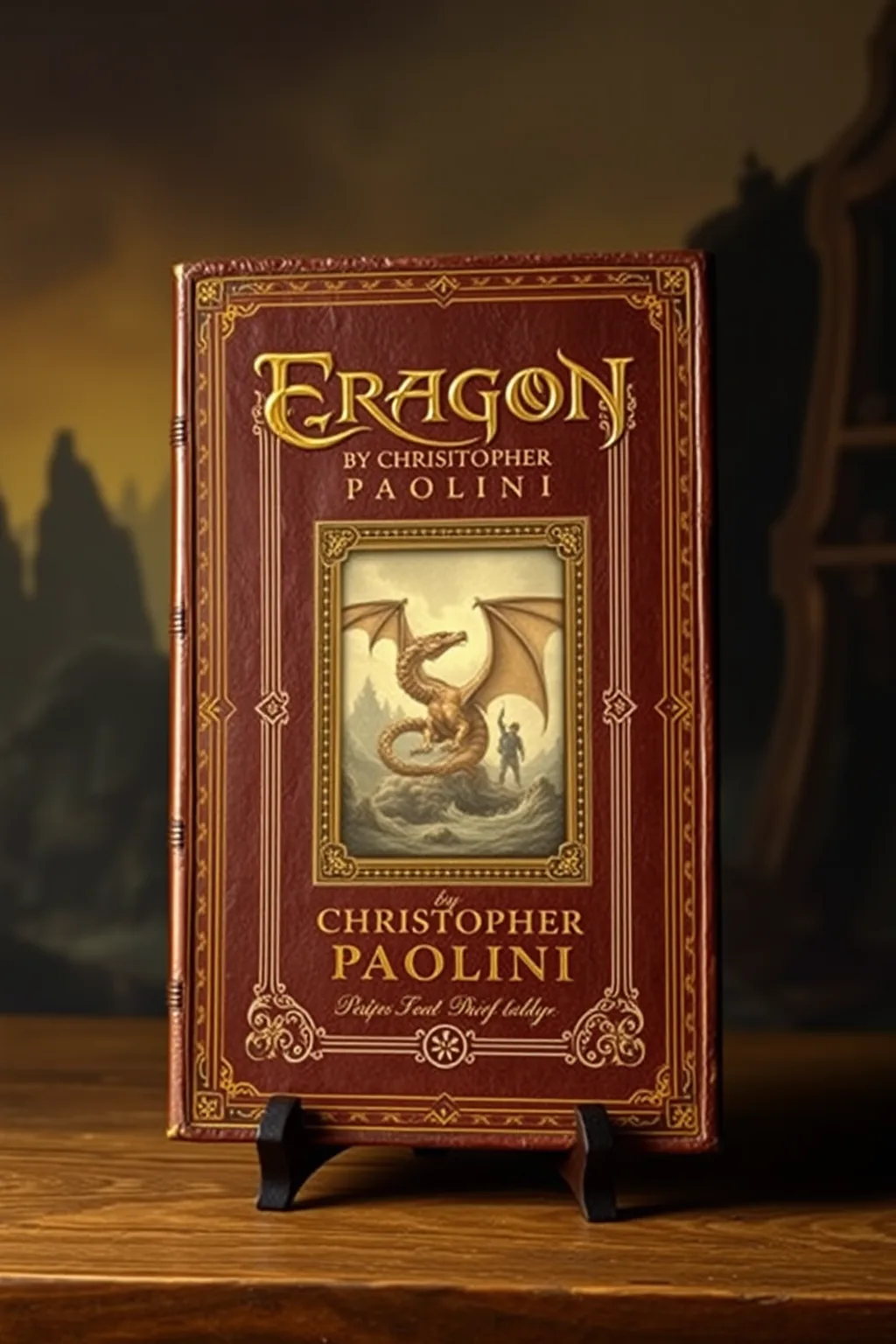
Eragon
 82
82

Eragon
Christopher Paolini's Eragon presents a familiar yet competently executed fantasy premise. The discovery of the dragon egg by young Eragon serves as an effective catalyst, propelling the narrative into a sprawling adventure. The author demonstrates a clear affection for the genre, populating his world with dragons, elves, and a despotic king. A notable strength lies in the depiction of the bond between Eragon and his dragon, Saphira, which forms the emotional core of the story. However, the narrative occasionally treads familiar ground, and some plot developments might feel predictable to seasoned fantasy readers. The exposition, while necessary for world-building, can sometimes slow the pacing. Despite these points, the book successfully establishes a vast world and a compelling central relationship, making it a solid entry into the dragon-rider subgenre.
Eragon offers an engaging, if conventional, entry into the epic fantasy canon.
📝 Description
82
Eragon, published in 2018, follows a farm boy who finds a dragon egg, altering his destiny.
The novel Eragon tells the story of a farm boy named Eragon who stumbles upon a mysterious object. This object is revealed to be a dragon egg, and its discovery pulls Eragon into a world filled with magic, conflict, and ancient prophecies. He soon learns of his connection to a legendary order of Dragon Riders, humans bonded with dragons who once protected the land of Alagaësia.
Eragon must learn to harness his newfound magical abilities and understand the dragon lore to confront the tyrannical King Galbatorix. The narrative follows his hero's journey as he faces personal challenges and becomes a key figure in the struggle against oppressive forces. The world features a variety of races and political factions, each contributing to the complex socio-political environment.
Published in 2018, Eragon engages with the enduring trope of the chosen one, a common motif in myth and esoteric traditions. The concept of the Dragon Rider bond echoes ancient ideas of telepathic or spiritual connections between humans and powerful non-human entities, often found in shamanistic practices or spiritual lore. The narrative's exploration of balance, ancient prophecies, and the struggle against a dark lord taps into archetypal patterns that resonate with various occult and spiritual philosophies concerning cosmic order and the individual's role in maintaining it.
💡 Why Read This Book?
• Learn about the intricate bond between a human and a dragon, exemplified by Eragon and Saphira's developing relationship, a core element established early in the narrative. • Understand the dynamics of a world shaped by ancient prophecies and the struggle against tyranny, as seen in the conflict with King Galbatorix. • Explore the concept of magic as an inherent force tied to knowledge and will, as characters like Eragon learn to harness their abilities through study and practice.
⭐ Reader Reviews
Honest opinions from readers who have explored this book.
❓ Frequently Asked Questions
When was Eragon first published?
Eragon was first published in 2018, marking its initial release into the literary world.
What is the primary setting of Eragon?
The primary setting is the fictional continent of Alagaësia, a land filled with diverse landscapes, magical creatures, and warring factions.
Who are the main protagonists in Eragon?
The main protagonists are Eragon, a farm boy turned dragon rider, and his dragon, Saphira, whose destinies become intertwined.
What is the central conflict in Eragon?
The central conflict involves Eragon and the Varden, a rebel group, fighting against the tyrannical rule of King Galbatorix and his dark magic.
Does Eragon feature a magic system?
Yes, Eragon features a magic system that is tied to the ancient language and requires discipline, knowledge, and will from its users.
What role do dragons play in Eragon's world?
Dragons are sentient, powerful beings who form deep telepathic bonds with their riders, the Dragon Riders, who historically protected the land.
🔮 Key Themes & Symbolism
The Dragon Rider Bond
The central theme revolves around the profound connection between a Dragon Rider and their dragon. This bond is not merely companionship but a telepathic and spiritual union, essential for unlocking the full potential of both rider and dragon. The narrative explores how this partnership influences their actions, decisions, and the balance of power in Alagaësia. The mutual understanding and reliance between Eragon and Saphira are crucial for their survival and their fight against oppression, representing a powerful alliance forged through destiny and shared experience.
Destiny and Free Will
Eragon grapples with the concept of predetermined destiny versus individual choice. From the moment he finds the dragon egg, his life is irrevocably altered, suggesting a path laid out for him. However, the story also emphasizes the importance of his choices and the impact they have on the world. Characters must decide whether to accept their fate or forge their own paths, often facing difficult moral dilemmas. This tension between what is foretold and what one chooses to do drives much of the character development and plot progression.
The Nature of Power
The novel examines different forms of power, from the brute force of King Galbatorix's military to the subtle influence of magic and ancient knowledge. It questions the corrupting nature of absolute power and the responsibility that comes with wielding it. The story contrasts the destructive use of power by the antagonist with the more balanced and protective approach advocated by the protagonists. The development of Eragon's magical abilities and his understanding of the ancient language highlights the acquisition of power through wisdom and ethical application.
The Cycle of Oppression and Rebellion
Eragon depicts a world suffering under a tyrannical ruler, King Galbatorix, who maintains control through fear and magical dominance. The narrative follows the emergence of a rebellion, the Varden, who seek to overthrow the oppressive regime. This theme explores the cyclical nature of conflict, the human (and non-human) desire for freedom, and the sacrifices required to challenge established power structures. It examines the long-term consequences of tyranny and the hope for a more just future.
💬 Memorable Quotes
Direct passages from the work, attributed to the author.
“A dragon's egg is a precious thing.”
— This simple statement underscores the immense value and potential contained within the dragon egg, hinting at the extraordinary events and responsibilities it represents for Eragon.
“He had to be careful. He had to be strong.”
— This reflects Eragon's dawning realization of the perilous path ahead and the personal fortitude required to face the challenges of his new life and destiny.
“The magic was a part of him, and he was a part of the magic.”
— This phrase captures the deep integration of magic into Eragon's being as he learns to wield it, suggesting a symbiotic relationship rather than mere application of a tool.
“It is the future that is most important.”
— This suggests a focus on what is to come and the potential for change, rather than dwelling on past failures or present difficulties, a sentiment crucial for a hero's journey.
“The words were the key to unlocking the magic.”
— This highlights the significance of language and knowledge within the magic system, implying that true power comes from understanding and mastery of ancient lore.
🌙 Esoteric Significance
Tradition
While Eragon is primarily a secular fantasy novel, its themes of destiny, hidden power, and the importance of ancient knowledge can be loosely aligned with broader esoteric concepts. The idea of a chosen one, the awakening of latent abilities, and the quest for understanding fundamental forces echo elements found in various spiritual traditions. It doesn't adhere strictly to a specific lineage like Hermeticism or Gnosticism but taps into universal archetypes of initiation and the hero's journey, common in many mystical paths.
Symbolism
The dragon itself is a potent symbol, often representing primal power, wisdom, and elemental forces across many mythologies and esoteric traditions. Saphira's blue color can symbolize clarity, intuition, and the celestial realm. The 'ancient language' used for magic signifies the belief in the power of true names and primal sounds to shape reality, a concept present in Kabbalistic and Hermetic traditions. The dragon egg is a symbol of potential, rebirth, and the hidden spark of destiny waiting to be ignited.
Modern Relevance
Contemporary fantasy readers and writers continue to engage with the archetypal hero's journey and the exploration of magical systems that Eragon presents. While not directly tied to specific modern esoteric schools, the book's appeal lies in its exploration of themes like the connection between consciousness and the natural world (through the dragon bond) and the quest for self-discovery through extraordinary circumstances. It provides a narrative framework for contemplating power, responsibility, and the search for meaning in a world that often feels overwhelming.
👥 Who Should Read This Book
• Young adult readers discovering epic fantasy for the first time, seeking an accessible entry point into tales of dragons and adventure. • Fans of classic fantasy narratives who appreciate well-developed lore, a clear hero's journey, and a compelling protagonist-dragon dynamic. • Aspiring writers interested in studying foundational elements of modern fantasy, including world-building techniques and the portrayal of magic systems.
📜 Historical Context
Published in 2018, Eragon entered a literary landscape already saturated with epic fantasy, a genre that had seen immense growth since the late 20th century, influenced heavily by authors like J.R.R. Tolkien and George R.R. Martin. Paolini’s work, while drawing on established tropes, contributed to the ongoing exploration of dragon-rider narratives. Contemporary fantasy authors in 2018 included Brandon Sanderson, whose intricate magic systems and world-building offered a different approach, and N.K. Jemisin, who was critically acclaimed for her innovative and socially conscious fantasy. Eragon's reception was generally positive among its target audience, contributing to its status as a popular entry in the genre, though it also faced comparisons to existing works. The period saw a continued interest in complex world-building and character-driven quests, a space where Eragon firmly positioned itself.
📔 Journal Prompts
Eragon's discovery of the dragon egg and its immediate impact.
Saphira's first flight and the sensation of freedom.
The challenges Eragon faces in learning the ancient language.
Galbatorix's rise to power and the consequences for Alagaësia.
The significance of the Dragon Riders in maintaining balance.
🗂️ Glossary
Dragon Rider
An individual bonded telepathically and spiritually with a dragon, historically tasked with protecting the land of Alagaësia.
Alagaësia
The primary continent and setting of the novel, characterized by diverse landscapes and inhabited by various races and political factions.
Varden
A rebel organization fighting against the tyrannical rule of King Galbatorix, seeking to restore peace and freedom to the land.
Ancient Language
A powerful, old tongue used in magic, where speaking a command in this language allows the user to enact magical effects.
Shade
A powerful magician who has been possessed by a Ra'zac, becoming a monstrous servant of Galbatorix, imbued with dark magic.
Ra'zac
A predatory, insectoid species that serves King Galbatorix, known for their cruelty and ability to drain life force.
Saphira
The blue dragon bonded to Eragon, known for her intelligence, fierce loyalty, and powerful magical abilities.
🔮 Readers Also Liked
Browse all →![[It's magic]](/img/thumb/it-s-magic-julius-j-epstein.webp)









More by Christopher Paolini
All books →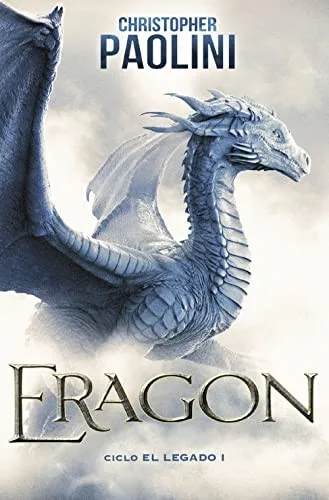



More Free Magic & Ritual Books
View all →