Traces of a Hidden Tradition in Masonry and Medieval Mysticism
 82
82

Traces of a Hidden Tradition in Masonry and Medieval Mysticism


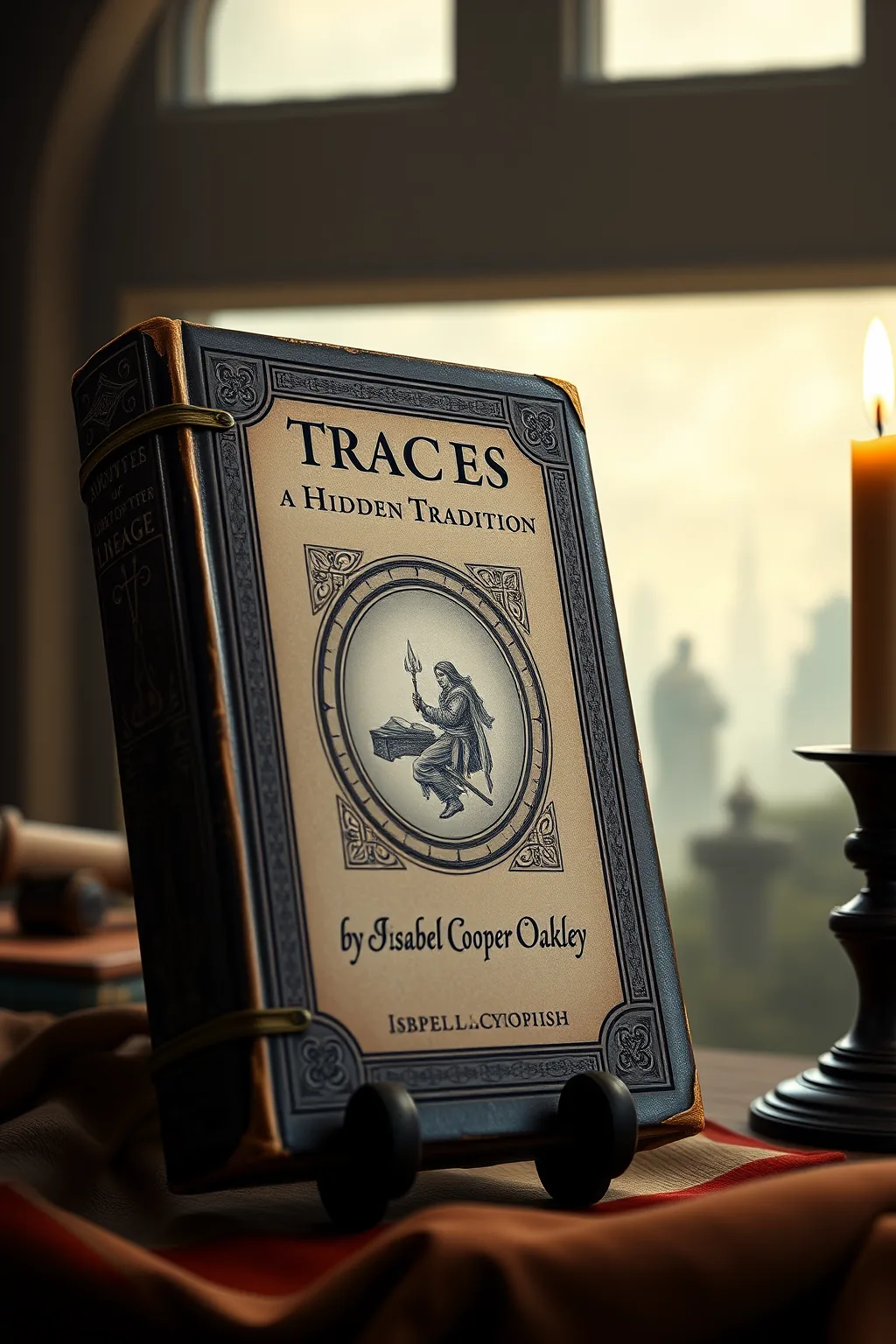
Silas Hawthorne (Hermetic Studies Editor) — Isabel Cooper Oakley's "Traces of a Hidden Tradition" remains a cornerstone for understanding the alchemical fusion of Eastern and Western esoteric thought. Her meticulous research and insightful connections between seemingly disparate traditions—from Vedic philosophy to Gnostic cosmology and the chivalric orders—offer a rare glimpse into the unified spiritual currents that underpin Western mystery schools. Oakley possesses a remarkable ability to distill complex ideas into accessible prose, making this essential reading for anyone delving into the origins of Freemasonry, Rosicrucianism, or the broader landscape of medieval mysticism. A truly illuminating exploration of perennial wisdom.
📝 Description
82
Published in 1900, Isabel Cooper Oakley's book traces esoteric threads through Freemasonry and medieval mysticism.
Isabel Cooper Oakley's "Traces of a Hidden Tradition in Masonry and Medieval Mysticism" examines the connections between various esoteric traditions and the rituals of Freemasonry. The collection of essays, written by a Theosophist, looks into the symbolic language and philosophical ideas found in Hinduism, Zoroastrianism, Gnosticism, and early Christianity. Oakley connects these ancient sources to later groups like the Knights Templar, the Troubadours, and the Rosicrucians.
The book seeks to show a continuity of hidden knowledge across different historical periods and spiritual practices. It is aimed at those interested in understanding the deeper layers of symbolism and philosophy within Western esotericism and its potential links to Eastern thought. The essays aim to provoke thought on the persistence of certain ideas and symbols throughout history.
This work is situated within the late 19th and early 20th-century revival of interest in comparative religion and esoteric traditions, particularly as influenced by Theosophy. Oakley, a follower of Helena Blavatsky, sought to demonstrate a universal spiritual undercurrent connecting diverse religious and mystical systems. Her approach reflects a Theosophical belief in ancient, hidden wisdom that predates and informs exoteric religions, linking them through shared symbolic language and philosophical concepts.
✍️ Author
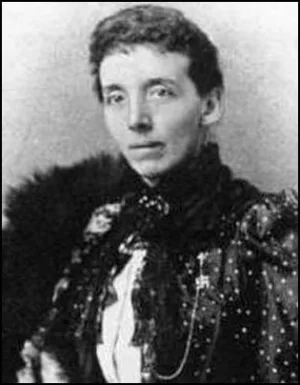
Isabel Cooper Oakley
Harriet Isabella (Isabel) Cooper-Oakley (31 January 1854 – 3 March 1914), was a prominent Theosophist and author. She was born in Amritsar, India to (Frederic) Henry Cooper, C.
💡 Why Read This Book?
Embark on a profound journey through the hidden currents of spiritual history. Discover the ancient roots of Freemasonry and medieval mysticism, connecting the dots between Eastern philosophies and Western esoteric traditions. Ideal for seekers of lost wisdom, scholars of occult history, and practitioners yearning for deeper symbolic understanding.
⭐ Reader Reviews
Honest opinions from readers who have explored this book.
❓ Frequently Asked Questions
What is the primary focus of this book?
The book explores the historical and philosophical links between ancient wisdom traditions (Hinduism, Zoroastrianism, Gnosticism, early Christianity) and later esoteric movements like Freemasonry, Templarism, Rosicrucianism, and medieval mysticism.
Who was Isabel Cooper Oakley?
Isabel Cooper Oakley was an influential early member of the Theosophical Society, known for her extensive research into ancient religions and esoteric traditions.
What makes this book 'esoteric'?
It delves into hidden knowledge, symbolism, and philosophical concepts often concealed or allegorically represented within religious and fraternal orders, aiming to reveal universal spiritual truths.
Is this book suitable for beginners?
While rich in detail, its academic yet evocative style makes it accessible to dedicated beginners interested in the deeper history of Western esotericism.
What time period does the book primarily cover?
It spans from ancient civilizations to the medieval period, with a particular focus on the development and transmission of esoteric ideas leading up to and influencing early modern Freemasonry.
🔮 Key Themes & Symbolism
The Perennial Philosophy
Cooper Oakley argues for an underlying, unbroken current of spiritual wisdom that flows through diverse cultures and epochs. This theme emphasizes the universality of certain core metaphysical principles, demonstrating how concepts of divine unity, cosmic order, and spiritual evolution manifest in disparate religious and philosophical systems, linking the ancient East with the esoteric West.
Symbolism as a Bridge
The book meticulously examines the rich symbolic language employed by esoteric traditions. It illustrates how symbols, often rooted in nature, cosmology, or ancient myths, serve as keys to unlocking deeper spiritual meanings and facilitate the transmission of knowledge across generations and between different schools of thought, particularly within the context of Masonic rituals and alchemical allegory.
The Unseen Lineage
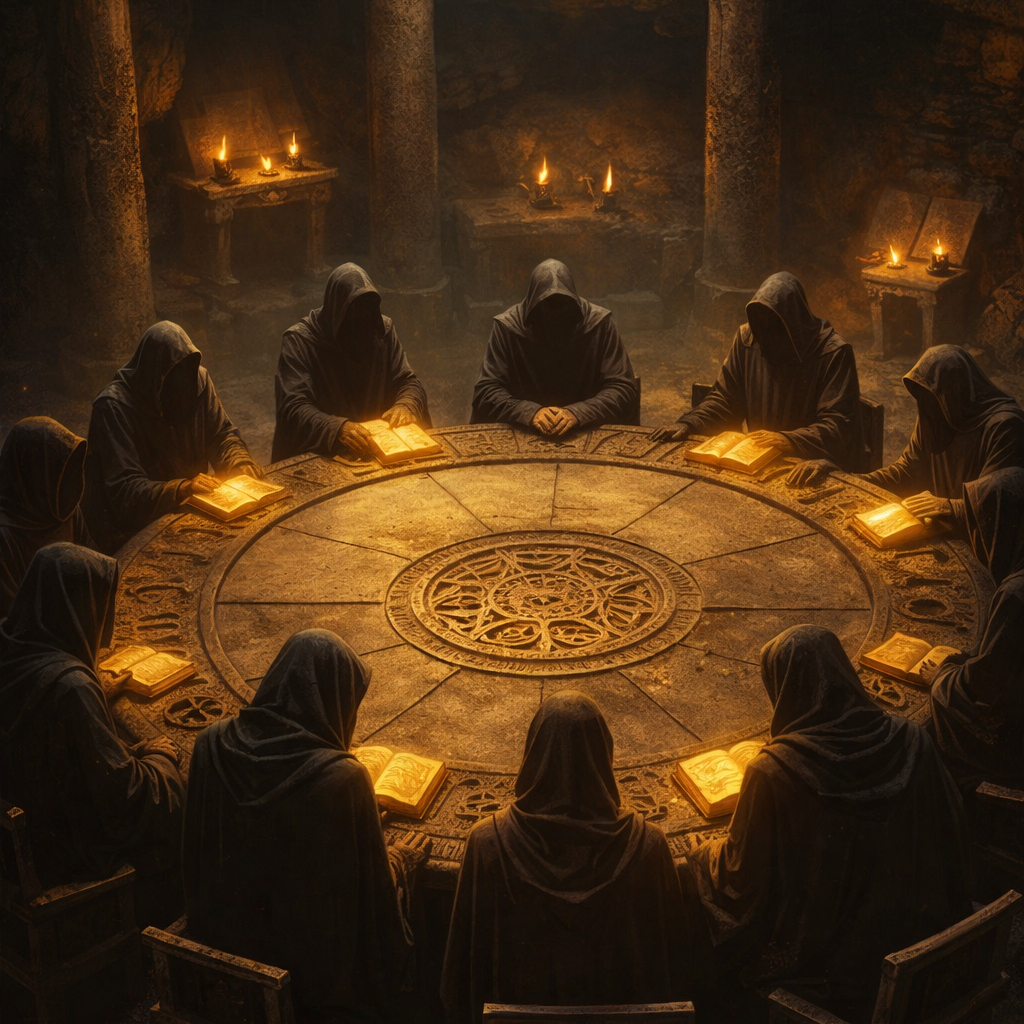
Cooper Oakley traces an invisible thread connecting various historical groups and movements, positing a hidden tradition of initiates and guardians of ancient lore. This theme highlights the clandestine nature of esoteric knowledge, suggesting that secret societies and mystical orders acted as custodians, preserving and subtly reinterpreting profound truths through the ages.
💬 Memorable Quotes
Direct passages from the work, attributed to the author.
“Symbolism is the language of the soul.”
— This highlights the importance Cooper Oakley places on understanding symbolic representations as a direct means of accessing spiritual truths beyond literal interpretation.
“The quest for truth is an eternal journey.”
— This speaks to the enduring human drive for spiritual understanding and the continuous, often arduous, path of seeking esoteric knowledge.
“Hidden traditions echo through the ages.”
— This suggests that despite efforts to suppress or obscure them, certain spiritual currents and teachings persist, influencing subsequent generations and movements.
“Masonry carries the traces of forgotten temples.”
— This evocative phrase links the formal structures of Freemasonry to ancient sacred sites and the mystical practices that once flourished within them.
💡 Key Ideas
Editorial paraphrase of the work's core concepts — not direct quotes.
The roots of ancient wisdom lie deep in the soil of the past.
This quote expresses the book's central thesis: that contemporary esoteric practices and beliefs have profound, often obscured, origins in antiquity.
🌙 Esoteric Significance
Tradition
This work is deeply rooted in the Theosophical interpretation of the Perennial Philosophy, seeking to demonstrate an unbroken chain of wisdom stretching from ancient Eastern traditions like Hinduism and Zoroastrianism through Gnosticism and early Christianity to medieval mysticism and modern Freemasonry. It posits a universal spiritual science underlying all exoteric religions.
Symbolism
Cooper Oakley meticulously deciphers the symbolic language inherent in Masonic rituals, alchemical texts, and Gnostic scriptures. She interprets symbols such as the Square and Compasses, the Blazing Star, and various geometric and celestial motifs as keys to understanding cosmic principles, human evolution, and the divine architecture of the universe.
Modern Relevance
The book's exploration of the interconnectedness of spiritual traditions remains highly relevant for contemporary seekers of esoteric knowledge. It provides a historical framework for understanding the cross-pollination of ideas in Western esotericism and offers insights into the enduring appeal of mystery schools and the search for deeper meaning in a complex world.
👥 Who Should Read This Book
This book is essential for students of Western esotericism, Freemasonry, and medieval religious thought. Scholars will appreciate its meticulous research and historical synthesis. Seekers of spiritual wisdom will find a compelling argument for the unity of ancient traditions. Practitioners of occult arts and mystical disciplines will gain a deeper understanding of the symbolic and philosophical underpinnings of their practices. Beginners interested in the history of hidden knowledge will find a rich and accessible introduction to a complex field.
📜 Historical Context
Published in 1900, "Traces of a Hidden Tradition" emerged during a period of fervent interest in spiritualism, occultism, and comparative religion, fueled by the burgeoning Theosophical movement. The late Victorian era witnessed a widespread re-examination of traditional religious dogma and a curiosity about alternative paths to enlightenment. Isabel Cooper Oakley, an active Theosophist, was part of a generation seeking to synthesize Eastern philosophies with Western esoteric traditions, challenging prevailing rationalism. The book reflects the era's fascination with secret societies, ancient mysteries, and the idea of a unified, global spiritual heritage, seeking to establish a lineage for modern mystical practices that predated conventional historical accounts.
📔 Journal Prompts
How do the ancient wisdom traditions mentioned (Hinduism, Zoroastrianism, Gnosticism, early Christianity) offer insights into modern spiritual questions?
Identify a symbol from Freemasonry or medieval mysticism and explore its potential esoteric meanings as discussed in the book.
Reflect on the concept of a 'hidden tradition' – how might such knowledge be preserved and transmitted across centuries?
Consider the connections Cooper Oakley draws between Eastern and Western esoteric thought. What resonates most with your own understanding of spirituality?
How does the idea of 'tracings' and connections between disparate groups challenge conventional historical narratives of religious and philosophical development?
🗂️ Glossary
Theosophy
A spiritual movement founded in the late 19th century, seeking to understand the underlying unity of all religions and the universal principles of existence through study, meditation, and service.
Gnosticism
A diverse set of religious movements and philosophical systems originating in the early centuries CE, emphasizing spiritual knowledge (gnosis) for salvation and often featuring dualistic cosmology.
Rosicrucianism
A mystical and esoteric tradition founded in the early 17th century, associated with secret societies and claims of esoteric knowledge in alchemy, magic, and spiritual philosophy.
Perennial Philosophy
The idea that all major religions and esoteric traditions share a common metaphysical core or fundamental spiritual truth, often obscured by cultural and historical differences.
Esotericism
Teachings, practices, and beliefs that are intended for, or understood by, only a small number of people with a specialized knowledge or initiation, often concerning spiritual or mystical matters.
This book appears in 2 collections
🔮 Readers Also Liked
Browse all →





From the “Secret Societies” Collection
View all →



More Free Freemasonry & Secret Societies Books
View all →