The Proceedings Of The 2nd US Antimasonic Convention 1832
 75
75

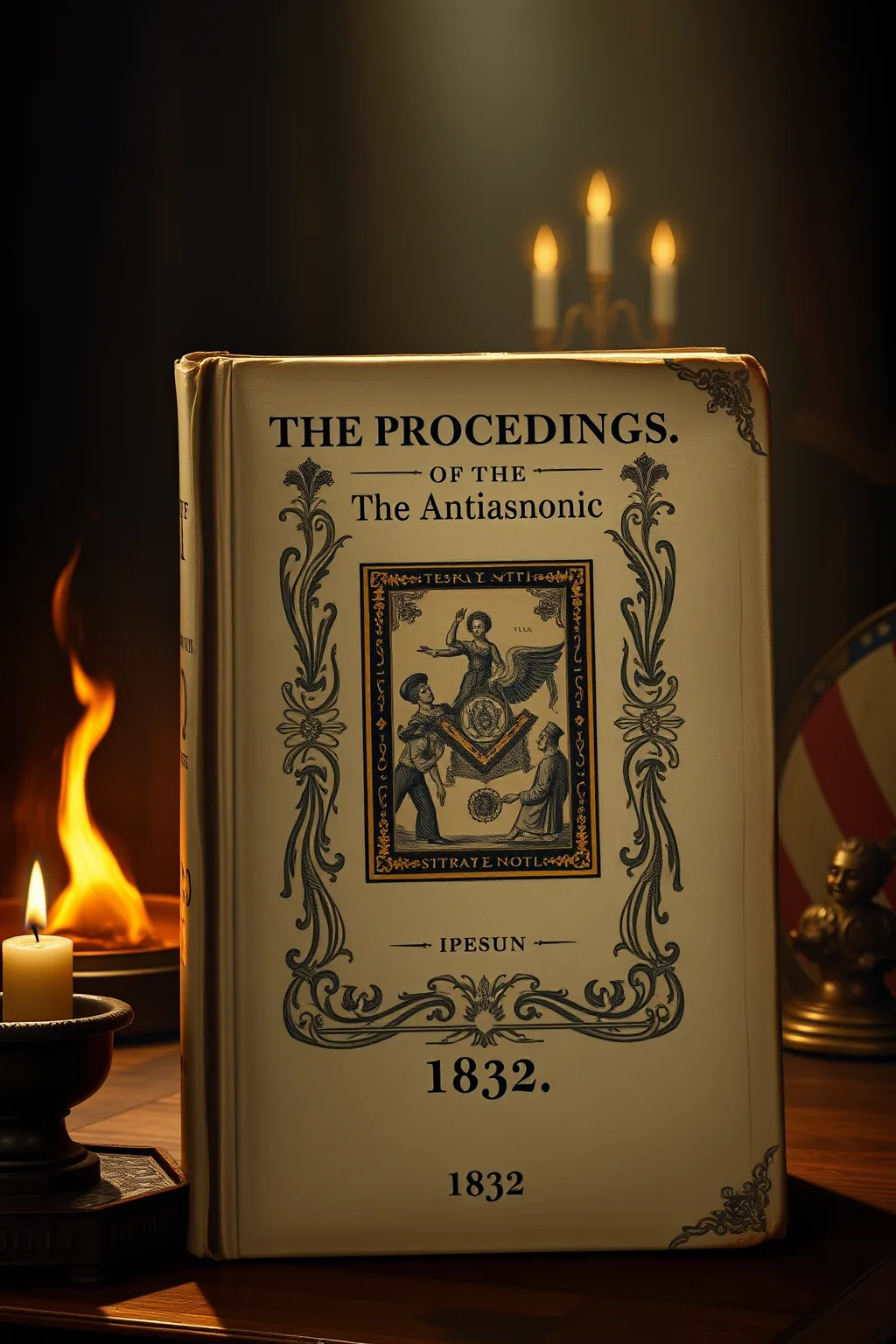
The Proceedings Of The 2nd US Antimasonic Convention 1832

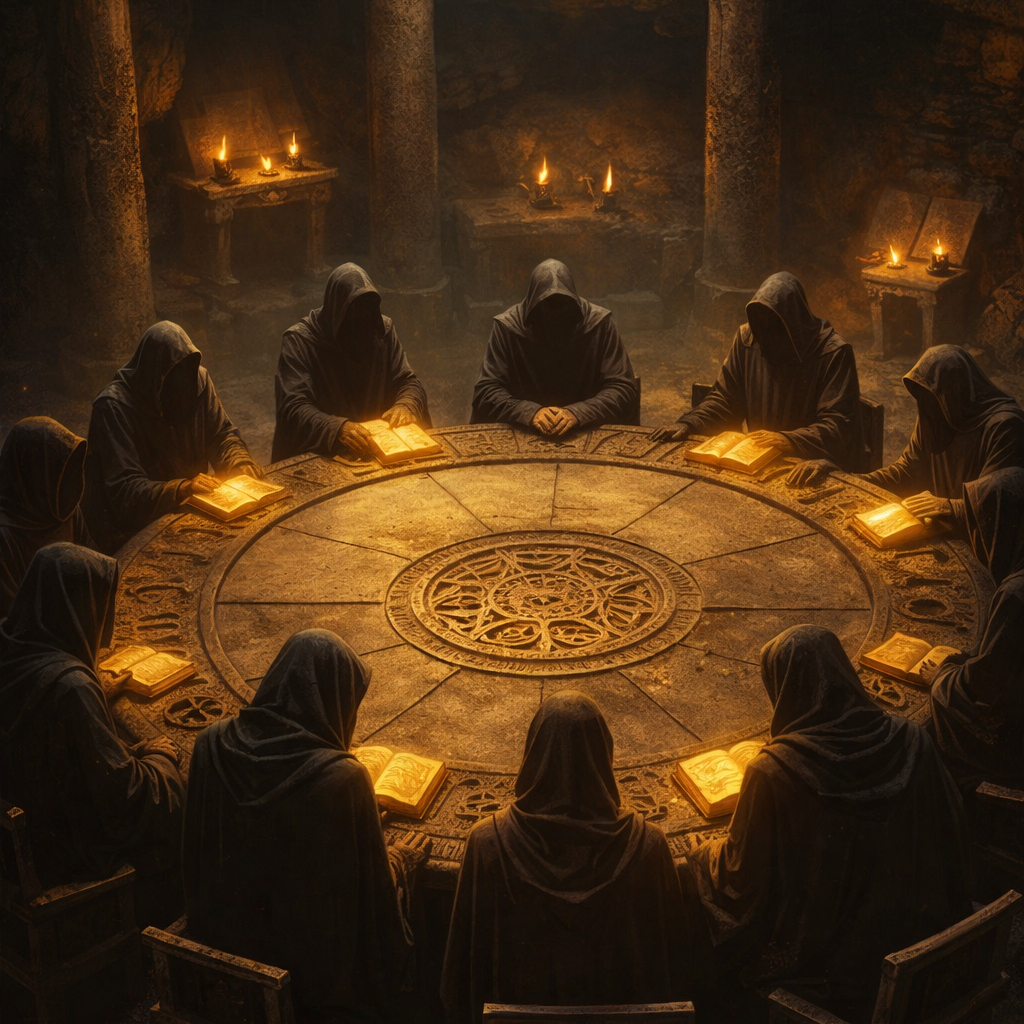

By Balthazar Finch (Senior Critic, Occult Philosophy) — A landmark in the study of societal counter-movements, this volume meticulously chronicles the Antimasonic Convention of 1832. It transcends mere historical record, presenting a fascinating study in the psychology of suspicion and the fervent pursuit of perceived hidden truths. The document reveals the anxieties of an era deeply concerned with allegorical power structures and the potential for secret societies to wield undue influence. For scholars of esoteric thought and societal control mechanisms, this work is indispensable, offering primary source material on a significant, often overlooked, historical phenomenon.
📝 Description
75
The 1832 Proceedings of the 2nd US Antimasonic Convention records a specific moment of American fear regarding secret societies.
This document captures the debates and resolutions from the second national gathering of the Antimasonic Party in 1832. The attendees expressed deep concerns about the perceived influence of Freemasonry on American politics and society. The text records speeches and formal declarations that articulated a widespread distrust of clandestine organizations and their potential to undermine republican principles.
The convention aimed to consolidate opposition to Freemasonry, presenting arguments against its secrecy and exclusivity. It reflects a particular historical moment where anxieties about hidden power structures and the integrity of democratic processes were openly debated. The proceedings offer a direct look at the rhetoric and organizational efforts of a significant third party movement in early American history.
While not an esoteric text in the traditional sense of occult philosophy, the Antimasonic movement tapped into a broader cultural anxiety about hidden knowledge and secret hierarchies. The fear of Freemasonry's influence mirrored concerns found in various anti-secret society literature and fringe political theories of the era. This document reflects how fears of veiled power, often associated with esoteric traditions, could manifest in mainstream political discourse and fuel organized opposition.
💡 Why Read This Book?
This essential volume illuminates the historical anxieties surrounding secret societies and their perceived influence on democratic institutions. It offers a unique perspective on the era's moral and political landscape, revealing the fervent desire for transparency and the suspicion of hidden power. Ideal for scholars, seekers of societal undercurrents, and practitioners interested in the historical interplay between overt governance and covert influence.
⭐ Reader Reviews
Honest opinions from readers who have explored this book.
❓ Frequently Asked Questions
What is the primary focus of the 1832 Antimasonic Convention?
The convention's primary focus was to articulate and consolidate opposition to Freemasonry, driven by concerns over its secrecy, perceived moral corruption, and undue political influence.
Is this book about Freemasonry itself or the opposition to it?
This book exclusively chronicles the proceedings and sentiments of those actively opposing Freemasonry, offering a critical perspective rather than an exposition of Masonic tenets.
Who were the Antimasons?
Antimasons were individuals and groups in early 19th-century America who believed Freemasonry was a dangerous, secretive organization that threatened republican values and public morality.
What historical period does this document represent?
This document represents a pivotal moment in the early 19th century, specifically the 1830s, a period of intense social, political, and religious ferment in the United States.
Is any Masonic knowledge revealed in these proceedings?
While the proceedings are critical of Freemasonry, they primarily reflect the Antimasons' interpretations and accusations rather than direct revelations of Masonic ritual or doctrine.
🔮 Key Themes & Symbolism
The Specter of Secrecy
This theme explores the profound public apprehension surrounding clandestine organizations like Freemasonry. It explores the anxieties generated by veiled rituals, secret oaths, and perceived hidden agendas, which were seen as antithetical to the ideals of an open and transparent republic. The proceedings reveal a society wrestling with the philosophical implications of power operating beyond public scrutiny, prompting questions about control, manipulation, and the very essence of civic trust. It highlights how the unknown, particularly when associated with organized groups, can become a fertile ground for suspicion and moral outcry.
Moral Rectitude and Societal Purity
The Antimasonic movement was deeply rooted in a moralistic fervor, viewing Freemasonry as a corrupting influence on both individual character and the fabric of society. This theme examines the rhetoric of moral decay and the calls for a return to perceived virtuous principles. It showcases how accusations of vice and irreligion were weaponized against the fraternity, positioning Antimasonry as a crusade for societal purity. The document thus serves as a potent reminder of how moral panics can shape political discourse and mobilize popular sentiment against perceived threats to established values.
The Architecture of Power and Influence
Beyond simple opposition, the proceedings implicitly scrutinize the mechanisms by which secret societies might exert influence. This theme investigates the fears of a hidden elite manipulating political processes, economic opportunities, and social hierarchies. It touches upon the esoteric concept of 'invisible government' and the anxieties associated with unelected bodies wielding disproportionate power. The convention's discussions offer a historical case study in the perennial human concern with who truly holds the reins of power and how such influence, when veiled, can undermine democratic aspirations.
💬 Memorable Quotes
Direct passages from the work, attributed to the author.
““The altar of liberty is threatened by the altar of the lodge.””
— This highlights the perceived existential conflict between the principles of a free republic and the secretive, hierarchical structure of Freemasonry, suggesting one must yield to the other.
““Where oaths bind the tongue, truth fears to tread.””
— This emphasizes the Antimasonic view that the binding oaths of Freemasonry suppress honest discourse and prevent members from revealing potential wrongdoings.
““A nation cannot stand upon foundations unseen.””
— This metaphor speaks to the desire for transparency and accountability in governance, suggesting that societal stability requires visible, understandable structures, not hidden ones.
““The unexamined secret is a seed of discord.””
— This suggests that secrecy, left unchecked and unscrutinized, inevitably breeds suspicion, division, and societal conflict.
💡 Key Ideas
Editorial paraphrase of the work's core concepts — not direct quotes.
“A shadow falls where light should be.”
This quote expresses the core Antimasonic concern: the belief that Freemasonry, by operating in secret, obscures truth and fosters deception, thereby diminishing public enlightenment.
🌙 Esoteric Significance
Tradition
While the Antimasonic movement was ostensibly political and moral, its critique of Freemasonry touches upon esoteric traditions by engaging with concepts of hidden knowledge, secret societies, and their alleged influence on worldly affairs. The Antimasons' fear of veiled power structures echoes concerns found in various Gnostic and occult traditions that warn of hidden demiurges or manipulative forces operating behind the veil of mundane reality. Their desire for transparency can be seen as a secularized quest for enlightenment, contrasting with the esoteric pursuit of inner illumination.
Symbolism
The primary 'symbol' here is the abstract concept of 'secrecy' itself, which the Antimasons imbued with negative connotations of deceit, corruption, and clandestine control. Freemasonry's own strong symbolism was reinterpreted through a lens of suspicion, with symbols of light potentially seen as deceptive illuminations and symbols of fraternity as exclusionary pacts. The convention's proceedings, by their very nature, engaged in a symbolic battle of opposing worldviews: the open republic versus the perceived closed lodge, transparency versus mystery, and public accountability versus private oath.
Modern Relevance
In an age saturated with information yet rife with conspiracy theories and concerns about corporate or governmental overreach, the Antimasonic critique remains remarkably relevant. It speaks to the enduring human fascination with and suspicion of hidden power structures, whether they be secret societies, intelligence agencies, or powerful lobbying groups. The document serves as a historical antecedent to modern debates about transparency, accountability, and the potential for unchecked influence in shaping public life, offering a valuable perspective on the perennial struggle between visible governance and perceived hidden agendas.
👥 Who Should Read This Book
This volume is essential for scholars of American history, particularly those examining the 19th century, social movements, and the early political landscape. Seekers interested in the historical interplay between overt power and clandestine influence will find it informative. Practitioners of occult studies and secret society research can gain invaluable primary source material on the opposition faced by fraternal orders. Even those new to these subjects will find the passionate arguments and detailed proceedings a compelling introduction to a significant cultural and political phenomenon.
📜 Historical Context
The early 19th century in the United States was a period of fervent social and political upheaval, marked by the Second Great Awakening, the rise of Jacksonian democracy, and widespread reform movements. Freemasonry, a long-established fraternal organization, had grown considerably but also attracted significant criticism. The mysterious disappearance of William Morgan in 1826, allegedly due to his intent to expose Masonic secrets, ignited a powerful Antimasonic movement. This movement coalesced into a significant political force, even forming its own political party. "The Proceedings of the 2nd US Antimasonic Convention 1832" captures this potent atmosphere of suspicion, moral fervor, and political mobilization, offering a direct window into a crucial, yet often understated, chapter of American history.
📔 Journal Prompts
Reflect on a time you felt suspicion towards an organization or group due to its perceived secrecy. How did this suspicion shape your views?
Consider the balance between privacy and transparency in modern society. Where do you draw the line, and why?
How might the fears articulated by the Antimasons be seen in contemporary societal anxieties about technology, globalism, or powerful institutions?
If you were an Antimason in 1832, what specific actions would you advocate for to address your concerns?
Explore the concept of 'hidden knowledge.' How does it differ from 'esoteric knowledge,' and what are the potential societal implications of each?
🗂️ Glossary
Antimasonry
A widespread political and social movement in the United States during the 1820s and 1830s, characterized by fervent opposition to Freemasonry, which was viewed as a secretive and corrupting influence.
Freemasonry
A fraternal organization that traces its origins to the medieval stonemason guilds. It is known for its elaborate rituals, symbolic teachings, and emphasis on moral and ethical development.
Clandestine
Kept secret or done secretively, especially because illicit or arousing disapproval. In the context of Antimasonry, it refers to the perceived hidden operations of Freemasonry.
Republic
A state in which supreme power is held by the people and their elected representatives, and which has an elected or nominated president rather than a monarch. Antimasons believed Freemasonry threatened this form of governance.
Moral Panic
A widespread fear, that some evil person or thing seriously threatens the well-being of society, and that immediate action is needed to save it. Antimasonry is often cited as an example of a historical moral panic.
This book appears in 2 collections
🔮 Readers Also Liked
Browse all →





From the “Secret Societies” Collection
View all →



More Free Freemasonry & Secret Societies Books
View all →