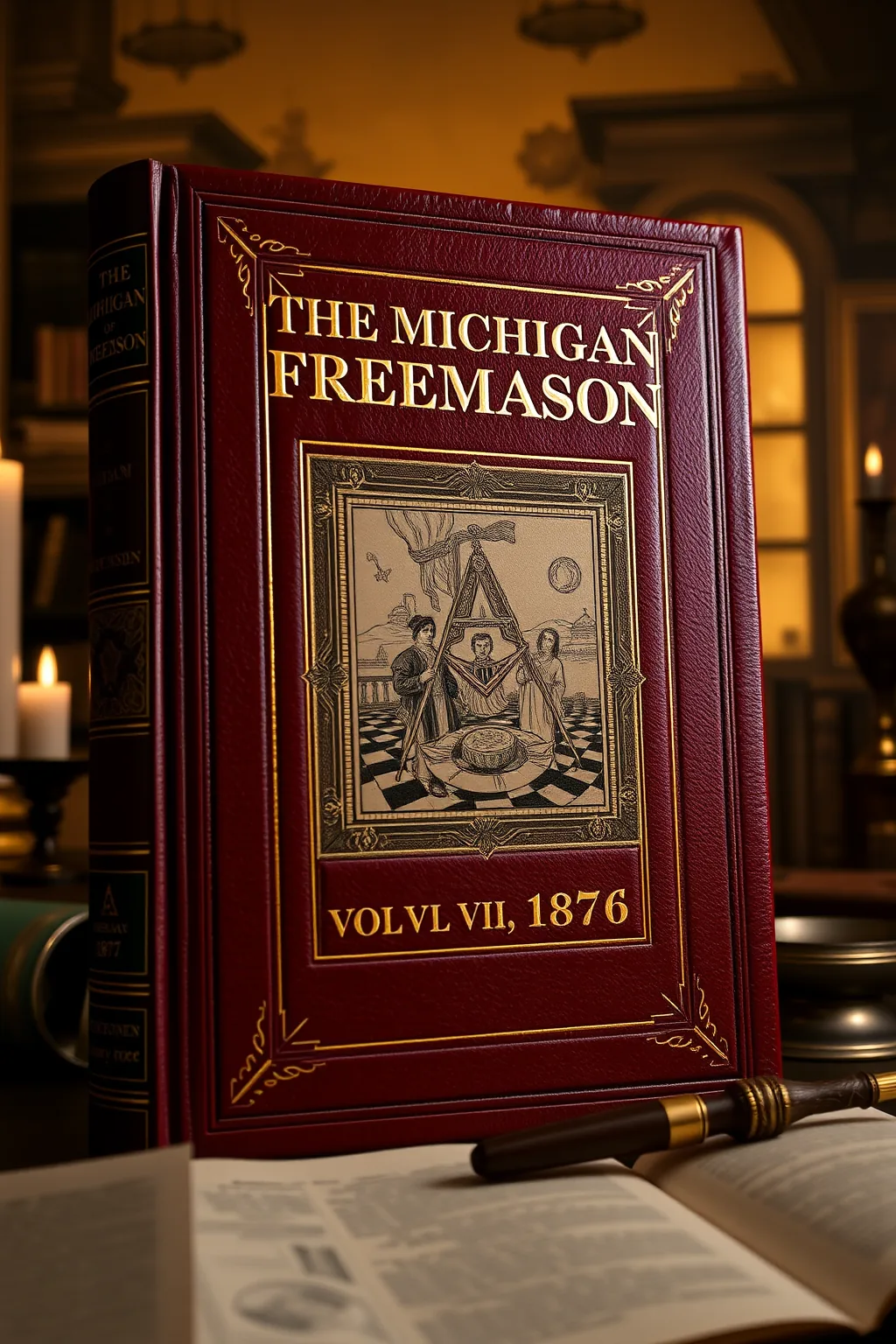
The Michigan Freemason Vol VII 1876
 83
83

The Michigan Freemason Vol VII 1876

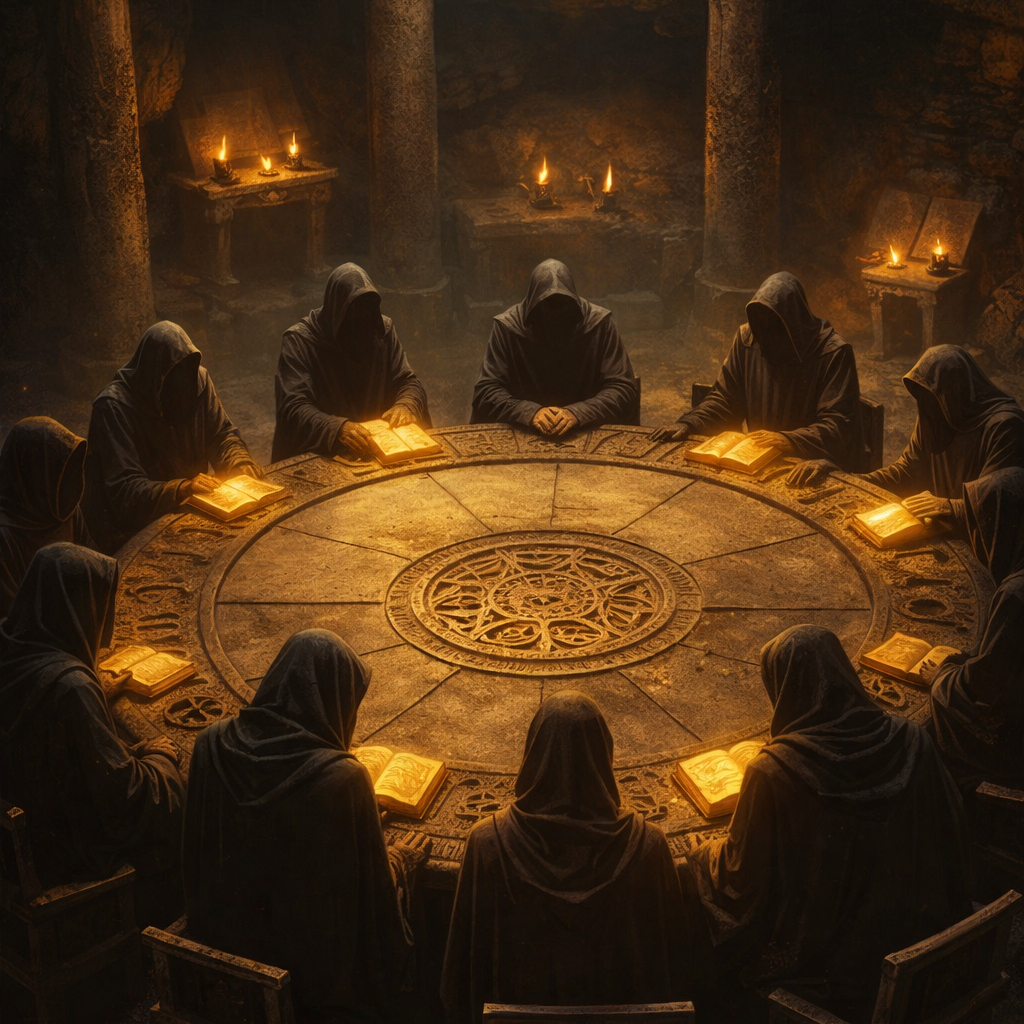

By Alaric Kestrel (Metaphysical Studies Reviewer) — 'The Michigan Freemason Vol VII, 1876' is a vital primary source, offering unfiltered insights into the esoteric discourse of mid-Victorian Freemasonry. Beyond the ritualistic, it reveals a deep engagement with moral philosophy and the symbolic lexicon that underpins Masonic teachings. Its strength lies in its authenticity, providing a window into the intellectual currents of the time. This volume is essential for serious students of fraternal orders, occult history, and the philosophical underpinnings of Western esotericism. It resonates particularly with those seeking to understand the practical and theoretical applications of Masonic principles.
📝 Description
83
The Michigan Freemason Vol VII, published in 1876, documents Masonic thought during a specific historical moment.
This 1876 volume of The Michigan Freemason presents discussions pertinent to Freemasonry during the latter half of the 19th century. It contains articles touching on moral philosophy and the symbolic aspects of the fraternity. The content reflects the intellectual environment of the time, with a focus on self-improvement and understanding Masonic principles.
The text is not a mere historical record but engages with concepts that have long been part of Masonic teachings. Readers will find examinations of rituals, ethical considerations, and the pursuit of knowledge within the Masonic framework. The publication invites serious consideration of these topics, aimed at individuals interested in the deeper aspects of Masonic tradition and its historical context.
Published in 1876, this volume sits within the broad tradition of Masonic literature that seeks to elucidate the symbolic and philosophical dimensions of the fraternity. Masonic writings from this period often engaged with ancient philosophies, Hermeticism, and Kabbalah, interpreting them through a lens of moral instruction and spiritual development. The texts aimed to guide initiates in their personal quest for understanding, often referencing classical antiquity and religious symbolism to convey complex ideas about human nature and the cosmos. This volume contributes to that ongoing discourse.
💡 Why Read This Book?
Uncover the philosophical heart of 19th-century Freemasonry. This volume offers rare insights into Masonic teachings, symbolism, and moral philosophy, appealing to seekers of hidden knowledge, historians of secret societies, and practitioners of esoteric disciplines. Engage with a rich tradition and deepen your understanding of the pursuit of light.
⭐ Reader Reviews
Honest opinions from readers who have explored this book.
❓ Frequently Asked Questions
What is the primary focus of 'The Michigan Freemason Vol VII, 1876'?
The primary focus is on Masonic principles, moral philosophy, symbolic interpretation, and the intellectual discourse within Freemasonry during 1876. It explores the fraternity's teachings and their application to personal and societal betterment.
Is this volume suitable for those new to Freemasonry?
While accessible to dedicated beginners, its depth and historical context are best appreciated by those with some foundational understanding or a strong interest in esoteric traditions. It encourages deeper study.
What kind of 'hidden knowledge' is discussed?
The 'hidden knowledge' refers to the allegorical meanings, symbolic interpretations, and philosophical lessons embedded within Masonic rituals and teachings, aiming for moral and spiritual enlightenment.
Who was the author of this volume?
The author is officially listed as 'Unknown,' a common practice for collected works or publications of fraternal organizations where the collective wisdom is emphasized over individual authorship.
Does this volume discuss specific Masonic degrees or rituals?
It likely discusses the principles and philosophy behind Masonic degrees and rituals, offering interpretations and commentary rather than a step-by-step guide to their execution.
🔮 Key Themes & Symbolism
The Pursuit of Light and Illumination
Central to Masonic philosophy is the ongoing journey towards enlightenment, often symbolized by light. This volume examines how Masonic teachings guide the individual from darkness to understanding, emphasizing self-discovery, the acquisition of wisdom, and the cultivation of moral virtue. It explores the metaphorical and literal interpretations of this quest, reflecting ancient hermetic traditions of seeking inner truth and spiritual awakening through structured learning and ethical practice.
Brotherhood and Moral Rectitude
Beyond ritual, the core of Freemasonry presented here lies in its emphasis on brotherhood and the development of impeccable moral character. The volume likely explores principles of fidelity, charity, and integrity, framing them not as mere social constructs but as essential components of a well-lived life and a harmonious society. It examines how Masonic tenets foster mutual support and encourage members to act as exemplars of virtue in their daily lives, reflecting a commitment to personal and collective ethical growth.
Symbolism and Allegorical Interpretation
Freemasonry is a system of morality veiled in allegory and illustrated by symbols. This volume undoubtedly unpacks the rich symbolic language used within the fraternity, from architectural tools to celestial bodies. It invites readers to engage in allegorical interpretation, understanding how these symbols serve as keys to unlocking deeper philosophical truths about life, death, the universe, and humanity's place within it, echoing ancient mystery traditions and their use of symbolic narrative.
💬 Memorable Quotes
Direct passages from the work, attributed to the author.
“Seek, and ye shall find; knock, and it shall be opened unto you.”
— A profound exhortation to active seeking and perseverance in the quest for knowledge and spiritual truth, mirroring biblical wisdom and Masonic emphasis on diligent inquiry.
“Where union reigns, there God commands His blessing.”
— This highlights the Masonic value of harmony and unity, suggesting that collective endeavor and fraternal bonds attract divine favor and create a fertile ground for prosperity and peace.
“Let our actions speak louder than our words.”
— An emphasis on practical demonstration of Masonic principles through deeds, advocating for ethical conduct and service as the true measure of a Mason's character and commitment.
💡 Key Ideas
Editorial paraphrase of the work's core concepts — not direct quotes.
The rough ashlar must be perfected by the square and compass.
This quote signifies the Masonic journey of self-improvement, where raw human nature (rough ashlar) is refined through discipline, moral guidance, and ethical principles (square and compass).
The pursuit of knowledge is the highest calling.
This quote underscores the intellectual and spiritual drive within Freemasonry, positioning the continuous acquisition of wisdom and understanding as a paramount virtue and life's noble purpose.
🌙 Esoteric Significance
Tradition
This volume is deeply rooted in the Western Esoteric Tradition, particularly within the hermetic and philosophical streams of Freemasonry. It draws upon ancient wisdom, Neoplatonic thought, and Kabbalistic underpinnings to interpret Masonic symbolism. The emphasis on moral philosophy, the pursuit of divine knowledge, and the allegorical nature of its teachings align with the broader esoteric quest for spiritual transformation and understanding of cosmic principles.
Symbolism
Key symbols likely explored include the Square and Compasses (representing morality, order, and the divine proportion), the Rough and Perfect Ashlars (humanity's potential for refinement), the Blazing Star (divine wisdom or the divine presence), and various architectural tools. These symbols are not merely decorative but act as mnemonic devices and philosophical keys, designed to guide the initiate through stages of self-awareness and spiritual understanding.
Modern Relevance
The enduring quest for self-improvement, ethical living, and the search for deeper meaning resonates powerfully today. 'The Michigan Freemason Vol VII, 1876' offers timeless insights into cultivating character, fostering community, and seeking wisdom in a complex world. Its exploration of symbolism and allegory provides a framework for understanding perennial philosophical questions, making its teachings relevant to contemporary seekers of personal growth and spiritual insight.
👥 Who Should Read This Book
This volume is useful for Masonic scholars and history enthusiasts seeking to understand the evolution of Masonic thought in 19th-century America. Esoteric practitioners and students of Western Mystery traditions will find rich allegorical and philosophical content. Seekers of wisdom interested in moral philosophy and the symbolic language of ancient traditions will also benefit greatly. While it offers foundational concepts, it is best suited for those with a dedicated interest in exploring the deeper layers of fraternal organizations and their connection to perennial philosophy.
📜 Historical Context
Published in 1876, 'The Michigan Freemason Vol VII' emerged during a period of significant growth and intellectual ferment for Freemasonry in America. The post-Civil War era saw a renewed interest in fraternal organizations, often viewed as bastions of moral order and social cohesion. This volume reflects the era's philosophical leanings, which often blended Enlightenment ideals with a burgeoning interest in symbolism, ancient mysteries, and theosophical concepts. It was a time when Masons actively engaged with the ethical, spiritual, and philosophical dimensions of their fraternity, seeking to understand its role in personal development and societal progress. The publication itself represents a commitment to disseminating Masonic thought and education within a specific geographical context, contributing to the broader discourse of American Masonry.
📔 Journal Prompts
Reflect on a time you transformed a personal 'rough ashlar' into a more refined aspect of yourself. What tools did you use?
How does the concept of 'light' in Masonic symbolism relate to moments of understanding or revelation in your own life?
Consider the symbols of the Square and Compasses. How can these principles guide your daily interactions and decision-making?
In what ways can the pursuit of 'brotherhood' be applied beyond formal organizations in contemporary society?
Explore the idea of moral rectitude. What does it mean to you, and how can you embody it more fully?
🗂️ Glossary
Ashlar
In Freemasonry, refers to a stone shaped for building. The 'rough ashlar' represents the unrefined human state, while the 'perfect ashlar' symbolizes the perfected individual, shaped by education and virtue.
Square
A Masonic symbol representing morality, honesty, and the duty to act uprightly. It is often paired with the Compasses, symbolizing the boundaries of one's conduct.
Compasses
Another primary Masonic symbol, representing restraint and the ability to circumscribe one's desires and passions within proper bounds, ensuring ethical behavior.
Allegory
A story, poem, or picture that can be interpreted to reveal a hidden meaning, typically a moral or political one. Freemasonry uses allegory extensively to convey its teachings.
Perennial Philosophy
A term coined by Aldous Huxley, referring to the spiritual or mystical traditions that are common to all religions and cultures throughout history, emphasizing universal truths about the divine and human nature.
This book appears in 2 collections
🔮 Readers Also Liked
Browse all →






From the “Secret Societies” Collection
View all →





More Free Freemasonry & Secret Societies Books
View all →