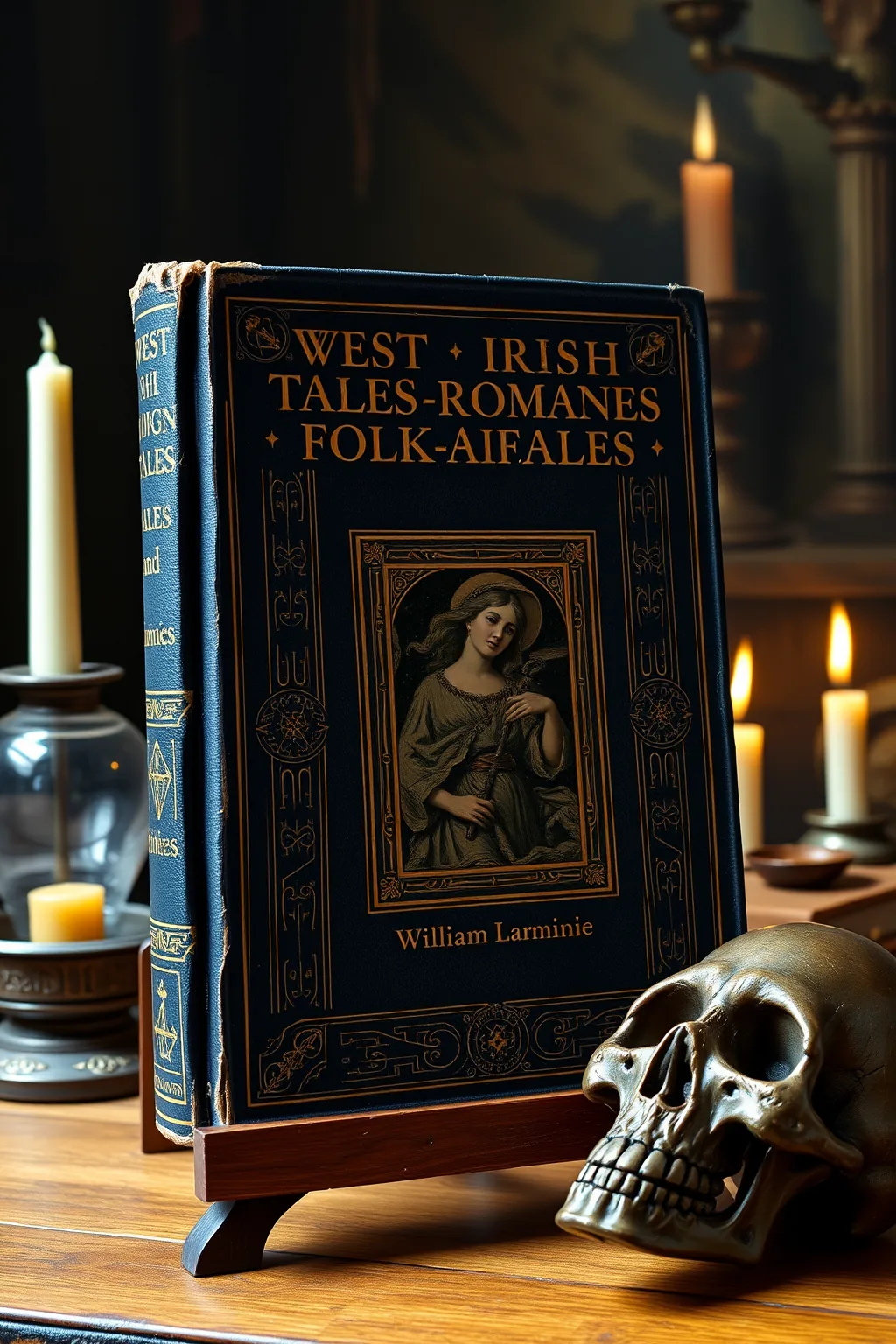
West Irish Folk-Tales and Romances
 72
72

West Irish Folk-Tales and Romances


Celeste Moreau (Divination & Symbolism Reviewer) — 'West Irish Folk-Tales and Romances' is an indispensable volume for anyone seeking the esoteric undercurrents of Western lore. Larminie masterfully captures the raw, untamed spirit of Irish myth, revealing layers of symbolism that resonate with ancient divinatory practices and primal magic. The tales, from the spectral encounters in 'The Ghost and His Wives' to the regal pronouncements of 'King Mananaun,' are rich with archetypal patterns and hidden meanings. This book is essential for practitioners and scholars alike, offering a direct line to the consciousness that shaped these enduring narratives. A truly illuminating work.
📝 Description
72
William Larminie published 'West Irish Folk-Tales and Romances' in 1893, gathering eighteen tales from oral tradition.
This 1893 collection presents eighteen folk tales and romances from western Ireland, transcribed by William Larminie. These stories were gathered directly from oral tradition, representing a significant effort to preserve narratives passed down through generations. Larminie, an observer of folklore, believed these tales held more than simple entertainment value; he saw them as windows into deeper cultural and psychological currents. The narratives feature elements common in folklore, such as supernatural encounters, transformations, and pacts with unseen forces. They reflect a rich vein of Celtic storytelling, touching on themes of destiny and the impact of spoken lore.
The book includes tales of spectral figures, kings who change their form, and agreements made with entities beyond the ordinary world. These elements are set against a backdrop of Irish folklore, creating an atmosphere that evokes the landscape and mysteries of the region. Larminie's presentation aims to capture the essence of these oral accounts, inviting readers to consider the persistent motifs and beliefs they embody. The collection offers a glimpse into the cultural imagination of its time and place.
Published in the late 19th century, a period of renewed interest in folklore and national myths, Larminie's collection taps into a broader movement seeking to document and understand the 'hidden wisdom' of various cultures. These tales, situated within the context of Celtic Revivalism, were seen by some as repositories of ancient beliefs and psychological patterns. They resonated with esoteric interests in the power of myth, the collective unconscious, and the spiritual dimensions of folk narratives, linking them to traditions of Hermeticism and comparative mythology.
✍️ Author
William Larminie
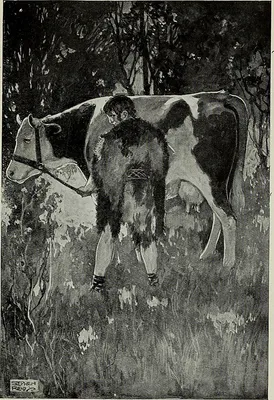
Glas Gaibhnenn (Irish: Glas Gaibhnenn, Glas Ghaibhleann; Hiberno-English: Glas Gaivlen; Gloss Gavlen: pronunciation guide:/glas-gav-e-lan/;), in Irish folklore, is a prized fabulous cow of bounty (fertility) that yields profuse quantities of milk. The cow …
💡 Why Read This Book?
Embark on a journey into the heart of Celtic mysticism and unearth forgotten wisdom. 'West Irish Folk-Tales and Romances' offers a rare glimpse into the oral traditions that shaped Irish identity and spirituality. Ideal for seekers of esoteric knowledge, folklorists, and practitioners of ancient arts, this collection provides rich symbolism, profound archetypes, and a connection to the magical currents of the past. Discover tales that illuminate the human condition through the lens of the supernatural.
⭐ Reader Reviews
Honest opinions from readers who have explored this book.
❓ Frequently Asked Questions
What is the historical significance of this collection?
Published in 1893, it captures a vital period of folklore collection, preserving oral traditions that were rapidly fading. It highlights the importance of oral transmission in maintaining cultural and spiritual narratives before widespread literacy.
Are these tales purely fictional, or do they hold deeper meanings?
While presented as folk tales, they are imbued with deep symbolic meaning, reflecting ancient beliefs, spiritual concepts, and the human psyche's relationship with the supernatural and the natural world.
What makes this collection 'esoteric'?
The tales often touch upon themes of the otherworldly, magic, fate, and spiritual journeys, common in esoteric traditions. They offer insights into ancient cosmologies and the veiled aspects of reality.
Who was William Larminie?
William Larminie was an Irish poet and folklorist dedicated to preserving the rich oral traditions of Ireland. His work sought to document and understand the cultural and spiritual heritage embedded in these stories.
Can these tales be used for personal spiritual growth?
Absolutely. The archetypes and narratives within the tales can serve as powerful prompts for introspection, meditation, and understanding one's own inner landscape and connection to universal forces.
🔮 Key Themes & Symbolism
The Veil Between Worlds
These narratives frequently depict porous boundaries between the mortal realm and the fae, the spirit world, and domains of enchantment. They explore the interactions, pacts, and conflicts that arise when these dimensions intersect, offering a glimpse into ancient beliefs about the unseen forces that govern existence and the permeable nature of reality itself. This theme speaks to humanity's perennial fascination with the 'other' and the spiritual dimensions that lie just beyond our ordinary perception, a core element in many esoteric traditions.
Fate, Destiny, and Prophecy
Many tales are interwoven with threads of preordained destiny and the uncanny influence of prophecy. Characters often grapple with inescapable fates, encountering oracles, witches, or supernatural entities who reveal glimpses of the future. This exploration of fate highlights a worldview where cosmic forces and ancient decrees shape individual lives, a concept deeply resonant with astrological and divinatory practices within esoteric studies. It prompts reflection on free will versus determinism and the mysterious patterns that guide the unfolding of events.
The Power of the Spoken Word and Oral Tradition
Larminie's collection itself is a proof of the enduring power of oral tradition. The tales reveal how stories, spells, and pronouncements transmitted verbally held immense power in shaping reality, conferring blessings, curses, or knowledge. This emphasizes the magical potential of language and narrative, a concept central to many mystical traditions that view incantations and sacred texts as conduits for spiritual energy and manifestation. The act of retelling and preserving these stories becomes a form of magical preservation.
💬 Memorable Quotes
Direct passages from the work, attributed to the author.
“The wind that whispers through the glens carries more than just the scent of heather.”
— This evocative line suggests that the natural world in these tales is alive with hidden messages and spiritual significance, hinting at the presence of unseen forces and ancient wisdom.
“He met the stranger where the two worlds touch.”
— This phrase signifies encounters with the supernatural or the liminal, where the boundaries between the mundane and the magical blur, leading to transformative experiences.
“Her eyes held the secrets of forgotten ages.”
— This points to characters who embody ancient knowledge or possess a connection to past lives and ancestral wisdom, often acting as guides or keepers of esoteric lore.
“The pact was sealed not with ink, but with starlight.”
— This imagery suggests agreements made with powerful, otherworldly entities, emphasizing the magical and cosmic nature of these covenants beyond earthly constraints.
“He walked the path laid out by the Fates.”
— This highlights the theme of destiny and predestination, suggesting that certain individuals are bound to specific journeys or outcomes dictated by higher powers.
🌙 Esoteric Significance
Tradition
These tales resonate deeply with Celtic and pre-Christian European esoteric traditions, touching upon animism, druidic lore, and the veneration of nature spirits. They offer insights into ancient cosmologies, the concept of the Otherworld (Tír na nÓg), and the spiritual interconnectedness of all beings. The narratives can be seen as allegories for spiritual journeys, shamanic practices, and the pursuit of hidden knowledge through intuition and direct experience, aligning with broader streams of Western esotericism.
Symbolism
Key symbols abound, including the fairy mound (sidhe) as a portal to the Otherworld, the raven or other birds as messengers of fate, and the magical object or weapon as a tool of transformation or power. Water often symbolizes the unconscious or the passage between realms, while certain numbers carry symbolic weight. The recurring motif of the hero's journey, facing trials and seeking wisdom, mirrors archetypal patterns found in alchemical and spiritual development.
Modern Relevance
In contemporary times, these tales offer a vital connection to ancestral wisdom and the enduring power of myth in understanding the human psyche. They provide fertile ground for introspection, creative inspiration, and a deeper appreciation of the natural world's inherent magic. For practitioners of modern paganism, witchcraft, and mindfulness, the stories serve as archetypal blueprints for personal growth, spiritual exploration, and reconnecting with the subtle energies that permeate existence.
👥 Who Should Read This Book
This collection is a treasure for the dedicated seeker of hidden knowledge, the academic exploring folkloric roots, and the practitioner seeking to infuse their work with ancient energies. Beginners will find accessible yet profound narratives that introduce archetypal themes and the magic of storytelling. Scholars will appreciate Larminie's meticulous preservation of oral traditions and the comparative potential of the tales. Practitioners of divination, spellcraft, and animistic traditions will discover potent symbolism and narrative frameworks to enhance their understanding and practice. Anyone yearning to connect with the mystical heart of Ireland will find this an indispensable guide.
📜 Historical Context
William Larminie's 'West Irish Folk-Tales and Romances' emerged during the late Victorian era, a period marked by a resurgence of interest in folklore, national identity, and the occult. As industrialization reshaped society, many scholars and artists sought solace and meaning in ancient traditions, viewing folklore as a repository of untainted wisdom and a connection to a more authentic past. Larminie's work contributed to this movement by meticulously documenting oral narratives, often from remote regions of Ireland, preserving them from oblivion. This era saw a growing appreciation for Celtic mythology and its potential to offer spiritual and cultural insights, influencing literary movements and contributing to the burgeoning field of comparative mythology. The collection stands as a vital bridge between the living oral traditions of the past and the academic and esoteric interests of its time.
📔 Journal Prompts
Reflect on a time you felt the veil between worlds was thin. What occurred?
Which character's journey in these tales resonates most with your own life path and why?
Consider the role of pacts or promises in the stories. How do they illustrate the power and consequences of agreements?
If you could visit the 'Otherworld' described in these tales, what would you seek and what precautions would you take?
Explore a personal experience where the spoken word, a story, or a song profoundly impacted you.
🗂️ Glossary
Fae
In Celtic folklore, the Fae (or Aos Sí) refers to supernatural beings, often perceived as inhabitants of the Otherworld, possessing magical powers and a complex relationship with humanity.
Otherworld (Tír na nÓg)
The mythical area of the gods, heroes, and spirits in Celtic mythology, often depicted as a land of eternal youth, beauty, and abundance, accessible through mystical portals.
Sidhe
Literally 'fairy hill' or 'mound,' this term refers to the dwelling places of the Fae, often ancient burial mounds or natural formations, believed to be entrances to the Otherworld.
Bard
An ancient Celtic poet and storyteller, often associated with wisdom, prophecy, and the preservation of oral traditions, holding significant social and spiritual authority.
Geas
A spiritual prohibition or taboo imposed upon an individual, often by supernatural forces, the breaking of which typically leads to misfortune or doom.
This book appears in 1 collection
🔮 Readers Also Liked
Browse all →







From the “Transcendental Meditation” Collection
View all →


![An answer of a letter from a gentleman in Fife, to a nobleman, containing a brief acccount [sic] of the barbarous and illegal treatment, these poor women accused of witchcraft, met with from the baillies of Pittenweem and others, ... To which is adde](/img/thumb/an-answer-of-a-letter-from-a-gentleman-in-fife-to-a-nobleman-containing-a-brief-acccount-sic-of-the-barbarous-and-illegal-treatment-these-poor-women-accused-of-witchcraft-met-with-from-the-baillies-of.webp)



More Free Esoteric History & Biography Books
View all →