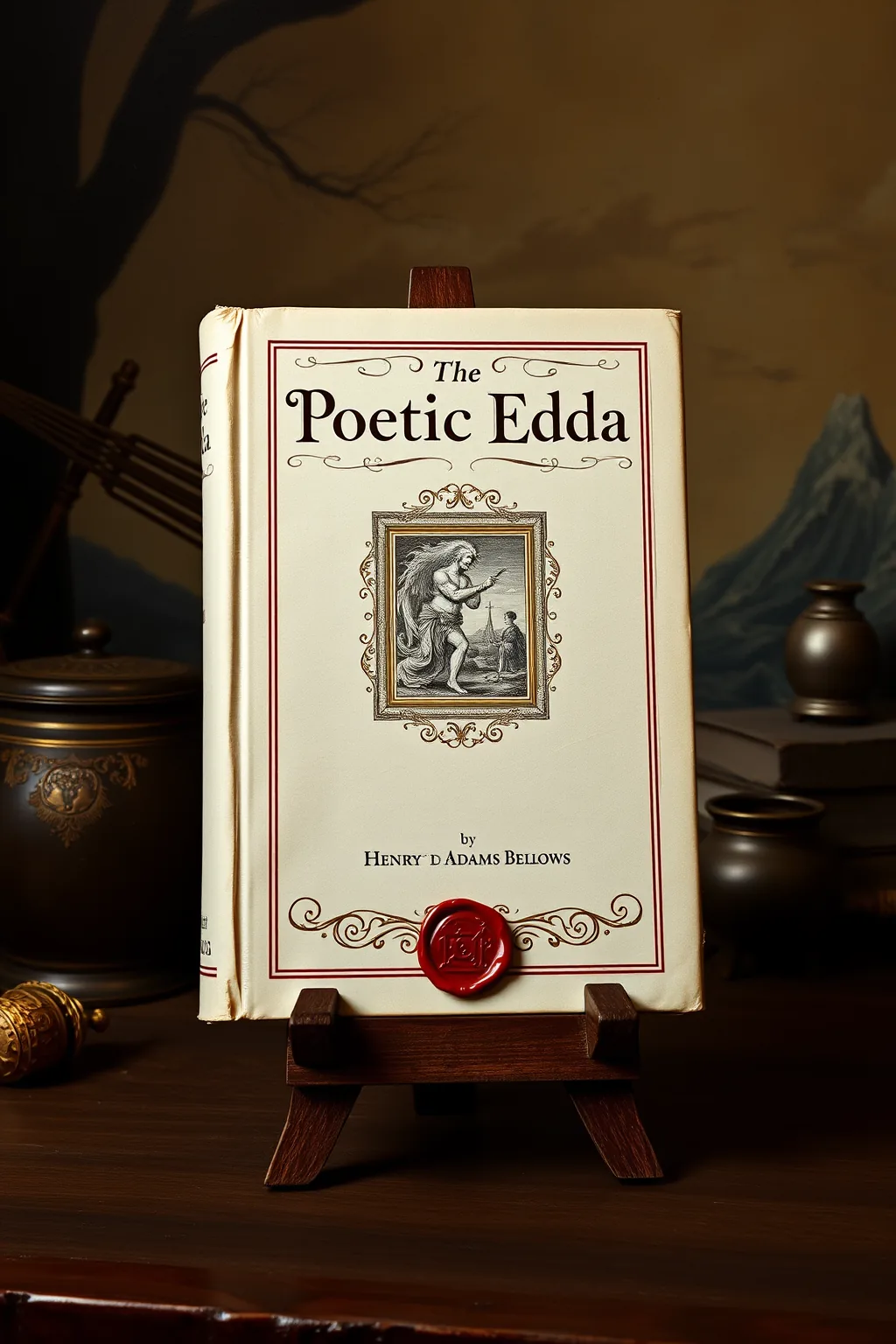
The Poetic Edda
 79
79

The Poetic Edda


Silas Hawthorne (Hermetic Studies Editor) — Henry Adams Bellows' rendition of The Poetic Edda is an indispensable cornerstone for any serious student of Western esotericism. This translation breathes life into the ancient Norse verses, revealing layers of cosmological significance and philosophical depth often overlooked in more literal interpretations. The poems illuminate potent archetypes of divine power, primal creation, and the relentless march of fate, offering a rich vein of material for contemplation and practical application within hermetic practices. Bellows masterfully balances fidelity to the original with an accessible, evocative prose that draws the reader into the heart of Viking mysticism. Essential for scholars, practitioners, and anyone seeking to understand the foundational myths of Northern Europe.
📝 Description
79
Henry Adams Bellows translated The Poetic Edda, a 13th-century Icelandic compilation of Old Norse poetry.
This volume contains the anonymous Old Norse verses that make up The Poetic Edda, translated by Henry Adams Bellows. These poems originate from 13th-century Iceland and illuminate a vanished world. They detail the creation myths, the stories of gods like Odin, and the sagas of heroic figures. The verses also provide insights into ancient Germanic beliefs about the cosmos, the concept of fate, and the human search for knowledge.
The poetry is rich with symbolism, touching upon universal forces, the meaning of sacrifice, and the eschatological event of Ragnarok. Bellows' translation aims to convey the original's power and beauty, making these ancient lays available to contemporary readers interested in early Germanic culture and mythology.
The Poetic Edda serves as a primary source for understanding early Germanic cosmology and religious ideas, which have informed various esoteric traditions in the Western world. Its verses on creation, the gods, fate, and the end of the world offer archetypal narratives that resonate with later occult and mystical thought. The translation by Bellows makes these foundational texts accessible to those studying the roots of Western esoteric movements.
✍️ Author
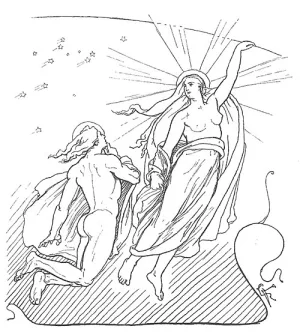
Henry Adams Bellows
Norse cosmology is the account of the universe and its laws by the ancient North Germanic peoples. The topic encompasses concepts from Norse mythology and Old Norse religion such as notations of time and space, cosmogony, personifications, anthropogeny, an…
💡 Why Read This Book?
Unearth the foundational myths of Northern European spirituality and explore profound esoteric concepts embedded within ancient Norse poetry. Ideal for seekers of hidden knowledge, scholars of comparative mythology, and practitioners of shamanic or Germanic traditions. This translation offers direct access to the worldview that shaped a significant portion of Western esoteric thought, revealing timeless wisdom on creation, fate, and the divine.
⭐ Reader Reviews
Honest opinions from readers who have explored this book.
❓ Frequently Asked Questions
What is The Poetic Edda?
The Poetic Edda is a collection of Old Norse poems, compiled in Iceland in the 13th century, that forms the primary source for our understanding of Norse mythology and heroic legends, offering profound insights into ancient Germanic cosmology and spirituality.
Who translated this version?
This specific edition features the acclaimed translation by Henry Adams Bellows, first published in 1923, known for its poetic quality and scholarly integrity in rendering the ancient verses accessible.
What kinds of stories does it contain?
The Poetic Edda encompasses creation myths, tales of gods like Odin and Thor, heroic sagas of figures such as Sigurd, and prophecies concerning the end of the world (Ragnarok), all rich with symbolism.
Is this book suitable for beginners in mythology?
Yes, Bellows' translation is highly recommended for beginners due to its clarity and evocative language, while still offering depth for experienced scholars and practitioners.
Where did these poems originate?
These verses originated in Iceland, likely transcribed and compiled by scholars and poets during the 13th century, preserving oral traditions and myths from the Viking Age.
🔮 Key Themes & Symbolism
Cosmic Creation and Destruction
The Eddic poems vividly depict the Norse creation myth, detailing the emergence of the cosmos from primordial chaos, the birth of gods and giants, and the cyclical nature of existence culminating in Ragnarok, the twilight of the gods. This theme explores the ancient understanding of universal forces, the balance between order and entropy, and the profound philosophical implications of a universe destined for both renewal and eventual dissolution.
The Wisdom of Odin and the Gods
Central to The Poetic Edda is the enigmatic figure of Odin, the Allfather, god of wisdom, magic, war, and poetry. The poems reveal his relentless pursuit of knowledge, his sacrifices for understanding, and his role as a guide through the complexities of fate. This theme studies the archetypal quest for gnosis, the power of runes and seidr (Norse magic), and the divine pantheon as a reflection of cosmic principles and human aspirations.
Heroic Sagas and the Elements of Fate
Beyond the divine, the Edda recounts the legendary deeds of human heroes, whose lives are inextricably bound to the will of the Norns, the weavers of fate. These sagas explore themes of courage, honor, betrayal, and the tragic beauty of mortal existence in the face of predetermined destiny. This theme highlights the Norse concept of wyrd (fate) and its influence on individual agency, the enduring power of ancestral legacy, and the existential questions surrounding free will and predestination.
💬 Memorable Quotes
Direct passages from the work, attributed to the author.
“The best gift is not to be given, but to be earned.”
— This aphorism speaks to the value of self-reliance and the inherent worth found in effort and struggle, a core tenet in the Northern heroic ethos.
“Cattle die, kinsmen die, every man is mortal; but the fair fame of the worthy never dies.”
— A profound statement on the enduring nature of reputation and good deeds, transcending the limitations of physical existence and material possessions.
“Wise is he who can keep his own counsel.”
— This emphasizes the power of discretion and inner wisdom, suggesting that true understanding often comes from quiet contemplation rather than outward pronouncements.
“A fool is he who fears not the unknown.”
— This suggests that a healthy respect for mystery and the unseen is a mark of wisdom, rather than ignorance or recklessness.
💡 Key Ideas
Editorial paraphrase of the work's core concepts — not direct quotes.
Wealth vanishes, friends die, you yourself will die; but one thing I know that never dies: the fame of the dead.
Echoing the previous sentiment, this quote highlights the eternal legacy of actions and character, a driving force behind the heroic aspirations found in the Edda.
🌙 Esoteric Significance
Tradition
The Poetic Edda is a foundational text for the Norse pagan and Asatru traditions, offering direct access to the mythology, cosmology, and ethical frameworks of pre-Christian Germanic peoples. Esoterically, it provides detailed symbolism for understanding concepts of creation, destruction, fate, and the divine-human relationship, serving as a wellspring for modern explorations of shamanism, runic magic, and archetypal psychology.
Symbolism
Key symbols abound: Yggdrasil, the World Tree, represents interconnectedness and the cosmic order; the Norns embody fate and destiny; runes are imbued with magical and divinatory power; and the gods themselves symbolize elemental forces and archetypal human qualities. The imagery of blood, sacrifice, mead, and the cyclical nature of life and death offers a profound symbolic language for understanding universal truths.
Modern Relevance
In the modern era, The Poetic Edda continues to inspire spiritual seekers, artists, and scholars. Its themes of resilience, the acceptance of fate, the pursuit of wisdom, and the cyclical nature of existence offer useful insights into contemporary challenges. The archetypes presented within its verses resonate deeply, providing a framework for understanding personal growth, confronting societal upheaval, and reconnecting with primal forces and ancient spiritual pathways.
👥 Who Should Read This Book
Scholars of mythology and comparative religion will find an invaluable primary source. Practitioners of modern paganism and Asatru will discover the core narratives of their faith. Seekers of esoteric wisdom will be drawn to the profound cosmological and philosophical insights. Beginners to Norse mythology will appreciate Bellows' clear and evocative translation, making the complex lore accessible. Anyone interested in the roots of Western storytelling, the power of archetypes, or the enduring human quest for meaning will find this a compelling and enriching read.
📜 Historical Context
The Poetic Edda emerged from the rich oral traditions of the Viking Age and was meticulously compiled in Iceland during the 13th century, a period of relative peace and scholarly flourishing. Iceland, isolated from the direct political upheavals of mainland Europe, became a vital repository for these ancient myths and sagas, preserving a worldview that predated widespread Christianization. The compilation reflects a culture deeply connected to nature, fate, and a pantheon of gods whose stories offered explanations for the cosmos, human morality, and the inevitability of destiny. This work provides invaluable insight into the pre-Christian spiritual range of Northern Europe, influencing later literary traditions and continuing to resonate with modern esoteric movements seeking to reconnect with ancient wisdom.
📔 Journal Prompts
Reflect on the concept of fate as presented in the Edda. How does it resonate with your own life experiences?
Consider the archetype of Odin. What aspects of his wisdom or journey call to you most strongly?
Explore the symbolism of Yggdrasil. What connections do you perceive between the different realms it represents?
Meditate on the idea of Ragnarok. What does this cyclical destruction and rebirth signify in a personal or global context?
How do the heroic sagas inspire your understanding of courage, honor, and the human condition?
🗂️ Glossary
Ragnarok
The prophesied end of the world in Norse mythology, involving a great battle between the gods and giants, leading to the destruction of the cosmos and its eventual rebirth.
Norns
Female beings in Norse mythology who tie the fates of gods and men, often depicted as three sisters named Urd, Verdandi, and Skuld.
Seidr
A form of Norse magic associated with prophecy, illusion, and fate-combining, often practiced by individuals like the god Odin and the sorceress Freya.
Yggdrasil
The immense and central sacred ash tree in Norse cosmology, which connects the nine worlds and is central to the universe.
Ginnungagap
The primordial void from which the cosmos originated in Norse mythology, a boundless chasm between fire and ice.
This book appears in 1 collection
🔮 Readers Also Liked
Browse all →







From the “Transcendental Meditation” Collection
View all →







More Free Esoteric History & Biography Books
View all →