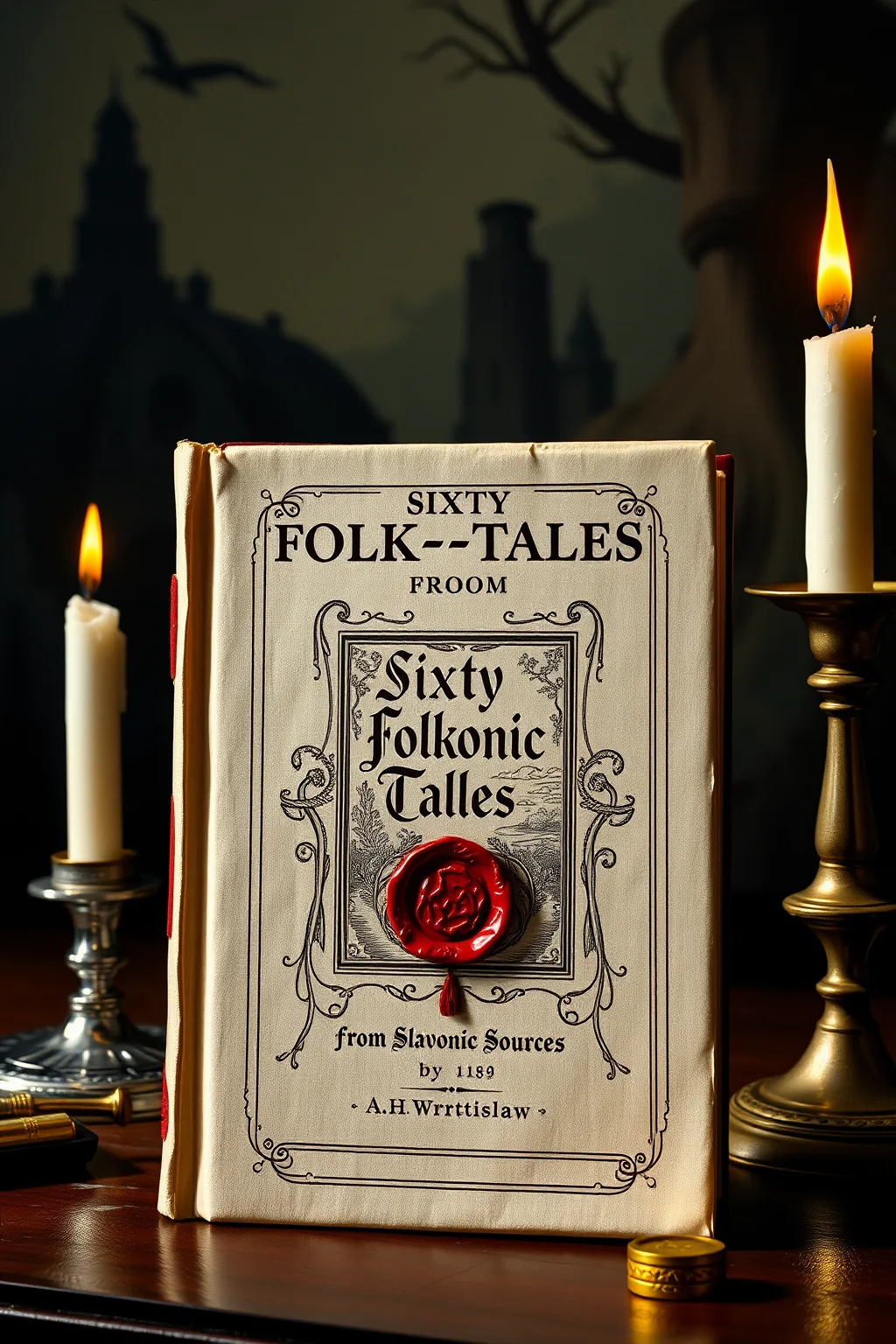
Sixty Folk-Tales from Slavonic Sources
 84
84

Sixty Folk-Tales from Slavonic Sources



Sophia Crane (Associate Editor) — A. H. Wratislaw’s "Sixty Folk-Tales from Slavonic Sources" is a seminal work for anyone delving into the esoteric underpinnings of European folklore. Wratislaw masterfully preserves the authentic spirit of these tales, revealing profound spiritual and psychological archetypes often overlooked in modern retellings. The collection serves as a rich tapestry of Slavic cosmology, magic, and moral philosophy, offering insights into societal structures and belief systems that resonate with universal esoteric principles. Its strength lies in its faithful translation and insightful introductions, making complex cultural nuances accessible. This anthology is a vital resource for scholars of comparative mythology, practitioners of folk magic, and seekers of ancient wisdom.
📝 Description
84
A. H. Wratislaw published "Sixty Folk-Tales from Slavonic Sources" in 1889, collecting tales from Bohemian, Serbian, and Polish traditions.
This collection presents sixty folk tales gathered from various Slavic regions. A. H. Wratislaw translated these narratives, aiming to preserve their original character and symbolism. The stories feature common folklore elements such as enchanted figures, trials of wit, and interactions with supernatural beings. They reflect a worldview where nature is animate and the extraordinary is woven into everyday existence.
The tales often illustrate moral complexities and the testing of individual character through challenging circumstances. Wratislaw's translations maintain the oral storytelling qualities and symbolic depth of the source material. Readers will encounter narratives that explore themes of courage, cunning, and the relationship between humanity and the mystical elements of the world. This anthology offers a window into the cultural and spiritual underpinnings of Slavic folklore.
Published in the late 19th century, a period of significant interest in folklore and comparative mythology across Europe, Wratislaw's collection taps into a broader movement seeking to understand the deep roots of cultural narratives. These tales, with their depictions of primal magic and the thin veil between worlds, resonate with the esoteric interest in uncovering universal archetypes and ancient wisdom. The collection can be seen as contributing to the study of how oral traditions encode spiritual beliefs and psychological patterns, which was a key concern for many esoteric thinkers of the era.
✍️ Author

A H Wratislaw
Wrocław (Polish: [ˈvrɔt͡swaf] ; German: Breslau [ˈbʁɛslaʊ] ; also known by other names) is a city in southwestern Poland, and the capital of the Lower Silesian Voivodeship. It is the largest city and historical capital of the region of Silesia.
💡 Why Read This Book?
Unearth the hidden mystical currents within Slavic traditions. This collection offers a direct conduit to ancient wisdom, revealing archetypal patterns, potent symbolism, and spiritual insights embedded in timeless narratives. Ideal for scholars, practitioners of esoteric arts, and anyone seeking to understand the deeper currents of human consciousness and the magic woven into the fabric of oral history.
⭐ Reader Reviews
Honest opinions from readers who have explored this book.
❓ Frequently Asked Questions
What makes these Slavonic tales esoteric?
These tales often feature magical creatures, enchanted objects, spiritual trials, and symbolic journeys that mirror esoteric initiatory processes and universal archetypes found in various mystical traditions.
Are these tales suitable for beginners in folklore?
Yes, Wratislaw's accessible translations and introductions make these rich tales engaging for both newcomers and seasoned scholars of folklore and esoteric studies.
What cultural regions are represented in this collection?
The anthology draws from a diverse range of Slavonic traditions, including Bohemian, Serbian, Polish, and other related cultural narratives, offering a broad spectrum of folklore.
How do these tales connect to broader esoteric traditions?
They often explore themes of transformation, the subconscious, the power of the spoken word, and the interplay between the human and divine realms, aligning with core concepts in Hermeticism, shamanism, and comparative mythology.
Can these tales be used for personal spiritual growth?
Absolutely. By meditating on their symbolism and archetypes, readers can gain self-awareness, understand universal human experiences, and explore their own inner spiritual landscape.
🔮 Key Themes & Symbolism
The Archetypal Hero's Journey
Many tales chronicle the transformative journey of protagonists facing trials, confronting inner demons, and seeking profound wisdom or magical artifacts. This narrative structure mirrors the classic esoteric path of initiation, symbolizing the soul's quest for enlightenment and self-realization through confronting obstacles and integrating shadow aspects.
Nature as Sentient Force
The collection frequently portrays the natural world as imbued with consciousness and agency, featuring talking animals, sentient forests, and elemental spirits. This reflects an animistic worldview, common in ancient spiritual traditions, where the divine permeates all creation and human connection to nature is a source of power and revelation.
The Power of the Spoken Word and Enchantment
Curses, blessings, incantations, and prophecies play a crucial role, highlighting the belief in the potent, creative, and destructive power of language. This theme appeals to esoteric practices focusing on mantra, sigil work, and the magical efficacy of spoken intentions, underscoring the mind's influence on reality.
💬 Memorable Quotes
Direct passages from the work, attributed to the author.
“Her tears turned to pearls, a proof of her sorrow and her strength.”
— This illustrates how profound suffering can be transmuted into something precious and enduring, symbolizing spiritual resilience and the alchemical transformation of pain.
“He spoke the ancient words, and the forest answered his call.”
— This highlights the esoteric principle of sympathetic magic and the deep connection between humanity and the natural world when the correct 'language' or vibration is used.
“The mirror showed not his face, but his true soul's desire.”
— This points to the reflective nature of mystical tools, revealing the deeper meaning of the subconscious and the authentic desires that guide one's spiritual path.
“She wove a spell of invisibility, not to hide, but to observe unseen.”
— This emphasizes the esoteric use of power for detachment and deeper understanding, rather than for evasion or manipulation, reflecting a path of wisdom through observation.
💡 Key Ideas
Editorial paraphrase of the work's core concepts — not direct quotes.
The dragon guarded the treasure, but also the path to wisdom.
This quote symbolizes the dual nature of challenges; they are often fearsome obstacles that, when overcome, lead to useful insights and spiritual riches.
🌙 Esoteric Significance
Tradition
These tales are deeply rooted in animistic and shamanistic traditions prevalent in ancient Slavic cultures. They reflect a worldview where the spiritual and material realms are intertwined, populated by nature spirits, ancestral guides, and forces that influence human destiny. The emphasis on transformation, trials, and the acquisition of hidden knowledge aligns with core principles found in various Western esoteric traditions, including Hermeticism, alchemy, and comparative mythology, offering a non-Western lens on universal spiritual quests.
Symbolism
Key symbols abound, such as enchanted forests representing the subconscious or spiritual wilderness, rivers signifying the flow of life and consciousness, and magical objects (like enchanted rings or talking birds) acting as catalysts for transformation or conduits of divine knowledge. Animals often serve as spirit guides or embodiments of primal forces. The recurring motif of the hero facing insurmountable odds mirrors the alchemical process of breaking down and rebuilding, symbolizing spiritual purification and the integration of the self.
Modern Relevance
In an increasingly secular and materialistic world, these tales offer a vital reconnection to the sacred, the intuitive, and the archetypal dimensions of human experience. They provide a framework for understanding the persistent human need for meaning, transcendence, and connection to something greater than oneself. The narrative structures and symbolic language can serve as powerful tools for self-reflection, psychological insight, and spiritual exploration, reminding us of the enduring power of myth and the universal truths embedded within ancient storytelling.
👥 Who Should Read This Book
This collection is a rich source for several distinct audiences. For **beginners** in folklore and mythology, it offers an accessible yet profound introduction to a rich and often-overlooked tradition. **Scholars** of comparative mythology, anthropology, and religious studies will find invaluable primary source material and insights into Slavic cultural and spiritual history. **Seekers** of esoteric wisdom and spiritual growth will discover potent archetypes, symbolic narratives, and a deep well of inspiration for personal exploration and understanding of universal truths. **Practitioners** of folk magic or those interested in the roots of Western esoteric practices will find elements of ancient rituals, belief systems, and the power inherent in myth and storytelling.
📜 Historical Context
Published in 1889, "Sixty Folk-Tales from Slavonic Sources" emerged during a period of burgeoning interest in folklore and comparative mythology across Europe. The late 19th century saw scholars and occultists alike studying ancient texts and oral traditions, seeking to uncover universal truths and understand the psychological underpinnings of human belief. This era was marked by movements like Romanticism and Symbolism, which emphasized emotion, imagination, and the mystical aspects of life. Wratislaw's work contributed to this scholarly pursuit, providing English-speaking audiences with direct access to the body of Slavic narratives, which were often seen as repositories of ancient wisdom, pre-Christian spiritual practices, and enduring archetypes that informed esoteric thought and magical traditions.
📔 Journal Prompts
Which folk tale resonated most deeply with your own life's challenges or aspirations, and why?
Reflect on a 'magical object' or 'talking animal' from the tales. What might it symbolize in your own inner landscape?
Consider the 'trials' faced by the protagonists. How can you apply their courage and resourcefulness to your own modern-day obstacles?
If the natural world in these tales is sentient, how might your perception of your environment change?
What 'hidden knowledge' or 'wisdom' do you believe the characters were seeking, and how does that quest relate to your own spiritual journey?
🗂️ Glossary
Baba Yaga
A fearsome and ambiguous figure in Slavic folklore, often depicted as a witch living in a hut on chicken legs. She can be both a villain and a helper, representing the wild, untamed aspects of nature and the subconscious.
Vila
A type of nature spirit or nymph in South Slavic mythology. Vilas are often depicted as beautiful, ethereal beings who inhabit forests, mountains, or water, possessing magical powers and sometimes interacting with humans.
Domovoy
A household spirit in Slavic mythology, believed to protect homes and families. They are often depicted as small, hairy old men who can be benevolent if respected or mischievous if offended.
Kikimora
A female house spirit in Slavic folklore, often associated with the hearth or attic. Depending on the region, she can be a benevolent protector or a malevolent entity causing trouble.
Zmey Gorynych
A multi-headed dragon or serpent-like creature prominent in Russian folklore. Zmey Gorynych is a formidable antagonist, often embodying destructive forces and challenging the hero.
This book appears in 1 collection
🔮 Readers Also Liked
Browse all →









From the “Transcendental Meditation” Collection
View all →





More Free Esoteric History & Biography Books
View all →