Myths and Legends of Our Own Land
 73
73

Myths and Legends of Our Own Land



Celeste Moreau (Divination & Symbolism Reviewer) — 'Myths and Legends of Our Own Land' is an invaluable compendium for the discerning esoteric scholar. Charles M. Skinner masterfully excavates a rich vein of American folklore, revealing potent archetypes and symbolic narratives often overlooked by mainstream historical accounts. His careful reconstruction from ephemeral sources lends an authentic, almost alchemical, quality to these tales. This work is particularly resonant for practitioners of folk magic, diviners seeking ancestral wisdom, and anyone interested in the psychic landscape of North America. Its strength lies in its breadth and Skinner's evident reverence for the material, offering a unique glimpse into the spiritual undercurrents of a young nation. A truly essential acquisition for any serious occult library.
📝 Description
73
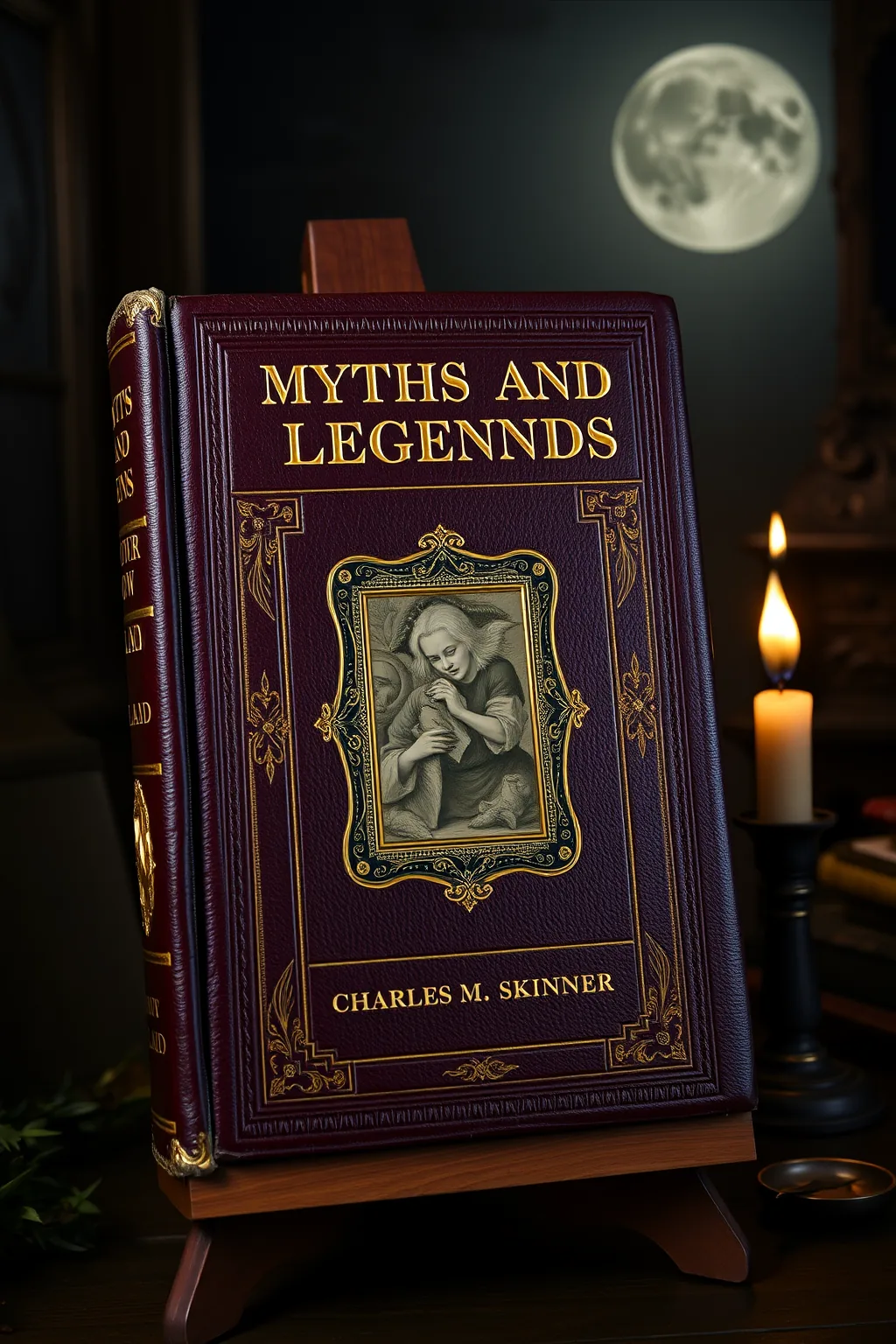
Published in 1896, Charles M. Skinner's "Myths and Legends of Our Own Land" collected American folklore.
Charles M. Skinner's "Myths and Legends of Our Own Land" is a two-volume compilation from 1896 that gathers regional folklore from across America. Skinner, acting as both an antiquarian and a storyteller, presents a wide array of local tales, supernatural accounts, and traditions. The collection spans various geographical areas, from the Hudson Valley to the Rocky Mountains, aiming to reveal deeper insights into collective human psychology through these narratives. The book is intended to evoke a sense of mystery and magic, drawing connections between the ordinary and the extraordinary.
This work is suited for those interested in hidden knowledge, arcane studies, and understanding the historical underpinnings of contemporary beliefs. Skinner examines the symbolic nature of myths and their role in reflecting the human experience. The book functions as a resource for understanding the symbolic language present within the continent's history.
This collection sits within a late 19th-century interest in folklore and its connection to the psyche, often viewed through an esoteric lens. Authors of this period frequently sought to uncover deeper, hidden meanings in traditional stories, linking them to universal human experiences or even pre-Christian spiritual traditions. Skinner's work taps into this current, presenting regional tales not just as historical curiosities but as expressions of underlying psychological patterns and the enduring presence of the uncanny in everyday life.
✍️ Author
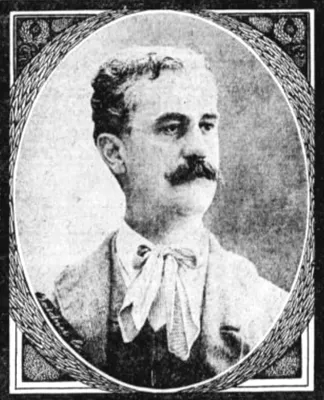
Charles M Skinner
Charles Montgomery Skinner (March 15, 1852 – December 20, 1907) was an American writer. == Newspaper career == Skinner was born in Victor, New York, but his family moved to Cambridge, Massachusetts, a year after his birth. When Skinner was 14, the family …
💡 Why Read This Book?
Unearth the mystical heart of America. This anthology offers a rare portal into the nation's foundational myths, revealing hidden spiritual currents and symbolic wisdom. Ideal for seekers of esoteric knowledge, folklorists, and practitioners who wish to connect with the ancestral energies and archetypal patterns woven into the fabric of the land. Dive deep into the collective unconscious and discover forgotten magic.
⭐ Reader Reviews
Honest opinions from readers who have explored this book.
❓ Frequently Asked Questions
What is the primary focus of 'Myths and Legends of Our Own Land'?
The book meticulously gathers regional folktales, supernatural narratives, and local legends from across the United States, providing a comprehensive overview of early American folklore and its underlying mystical themes.
Who was Charles M. Skinner?
Charles M. Skinner was an American folklorist and writer, known for his extensive work in collecting and documenting myths, legends, and superstitions from various cultures, with a particular focus on the United States.
What makes this book 'esoteric'?
Its esoteric nature lies in its exploration of the symbolic, supernatural, and often unconsciously held beliefs that shaped the early American psyche, revealing deeper metaphysical and psychological truths beyond surface-level storytelling.
Is this a scholarly work or a collection of stories?
It is both. Skinner approached his research with antiquarian rigor, yet presents the tales with the captivating flow of a seasoned storyteller, making it accessible and deeply engaging.
What geographical regions does the book cover?
The collection spans a vast geographical range, including tales from the Hudson Valley, Manhattan, the Great Lakes region, the Rocky Mountains, and the Pacific Coast, offering a truly national scope.
🔮 Key Themes & Symbolism
The Archetypal American Landscape
This theme studies how the vast and diverse American landscape itself became a canvas for myth-making. Skinner’s collection illustrates how geographical features—from ancient forests and winding rivers to imposing mountains and desolate plains—were imbued with spiritual significance, often becoming personified entities or dwelling places for supernatural beings. These tales reveal a deep, almost animistic, connection between early Americans and their environment, reflecting a worldview where the land held inherent power and consciousness. The exploration of these elemental forces provides insight into the collective psyche’s engagement with the sublime and the wild, shaping a unique American mythology.
Elements of the Supernatural and the Unseen
A core element of the collection is the pervasive presence of the supernatural. Skinner meticulously documents encounters with ghosts, spirits, witches, elemental beings, and other entities that defied rational explanation. These narratives are not merely ghost stories; they represent the persistent human need to acknowledge and interpret forces beyond the material realm. The recurring motifs of spectral visitations, uncanny coincidences, and premonitions highlight a society grappling with the veil between the living and the dead, and the mysterious energies that permeate existence. This theme offers a profound look at the enduring fascination with the occult and the hidden dimensions of reality.
The Genesis of American Folklore and Identity
This theme examines how the collected myths and legends contributed to the nascent formation of a distinct American identity. By compiling stories drawn from diverse cultural influences and regional experiences, Skinner captures the melting pot of beliefs that characterized the nation. The tales often reflect the anxieties, hopes, and moral frameworks of early settlers and indigenous peoples, serving as a cultural repository for shared experiences and collective memory. Understanding these foundational narratives is crucial for deciphering the symbolic language that continues to influence American consciousness and its unique place in the global esoteric landscape.
💬 Memorable Quotes
Direct passages from the work, attributed to the author.
“Every shadow holds a story waiting to be told.”
— This evocative phrase speaks to the hidden potential for narrative and mystery within the unseen or overlooked aspects of life, implying that the world is rich with untold tales.
“The land remembers what the people forget.”
— This poignant statement suggests that natural landscapes retain a form of collective memory, holding onto ancient truths and forgotten histories that human consciousness may lose over time.
“Superstition is but the shadow of a truth not yet grasped.”
— This insightful remark reframes superstition not as mere ignorance, but as a nascent understanding of deeper, perhaps esoteric, principles that have not yet been fully comprehended or articulated.
💡 Key Ideas
Editorial paraphrase of the work's core concepts — not direct quotes.
The old tales are the soil from which the new ideas spring.
This quote emphasizes the foundational role of ancient stories and myths in nurturing fresh thought and cultural evolution, suggesting that understanding the past is key to innovation.
In the whisper of the wind, the voices of the ancestors speak.
This quote connects natural phenomena to spiritual communication, positing that the natural world serves as a conduit for ancestral wisdom and guidance, often perceived through subtle intuitions.
🌙 Esoteric Significance
Tradition
This collection is deeply rooted in the Western Esoteric Tradition, particularly its branches concerned with folklore, comparative mythology, and the study of folk magic and superstition. It aligns with the Hermetic principle of 'As Above, So Below,' demonstrating how universal archetypes and cosmic forces manifest in the localized myths and legends of a specific land. The work also touches upon elements of shamanism and animism, reflecting indigenous beliefs and a broader understanding of the interconnectedness of all things, a hallmark of many esoteric philosophies.
Symbolism
The book is rich with potent symbolism derived from the American landscape and its cultural melting pot. Recurring symbols include the vast, untamed wilderness representing the subconscious or the primal unknown; rivers and waters signifying flow, transition, and purification; ancient trees embodying wisdom, connection to the earth, and ancestral lineage; and spectral figures representing unresolved psychological issues, historical traumas, or spiritual guides. These symbols, drawn from both indigenous cosmologies and European folklore, offer a complex symbolic language for understanding the spiritual and psychological underpinnings of the American experience.
Modern Relevance
In an era increasingly disconnected from nature and ancestral roots, Skinner's collection offers a vital re-connection to the symbolic and spiritual dimensions of life. It provides a framework for understanding the enduring power of myth in shaping individual and collective consciousness, relevant to fields like depth psychology, ecopsychology, and contemporary paganism. The stories serve as a reminder that the 'occult' is not merely arcane knowledge but the inherent mystery and wisdom woven into the fabric of our world, encouraging a more enchanted and meaningful engagement with our surroundings and ourselves.
👥 Who Should Read This Book
This collection is a valuable collection for several distinct groups. For the **beginner seeker**, it offers an accessible entry point into the world of folklore and its hidden mystical dimensions, sparking curiosity and wonder. **Scholars of mythology and cultural history** will find it an invaluable primary source, meticulously compiled and geographically diverse. **Esoteric practitioners and occultists** will discover a rich vein of inspiration, archetypes, and symbolic language directly applicable to their craft and understanding of the land's spiritual currents. **Anyone with a deep appreciation for storytelling and the enduring power of myth** will be captivated by the evocative narratives and the glimpse they provide into the soul of a nation.
📜 Historical Context
Published in 1896, "Myths and Legends of Our Own Land" emerged during a period of significant cultural introspection and burgeoning national identity in the United States. The late 19th century witnessed a growing interest in folklore, anthropology, and the preservation of cultural heritage, as America transitioned from a frontier society to an industrial power. There was a keen desire to define what made American culture unique, often looking to its diverse origins – from indigenous traditions to European immigrant lore. Skinner's work reflects this zeitgeist, acting as an antiquarian's diligent effort to capture these ephemeral narratives before they faded. The era also saw a concurrent rise in occult and spiritualist movements, making a collection of supernatural tales particularly resonant with a public exploring the boundaries of the known world and seeking meaning beyond the material.
📔 Journal Prompts
Reflect on a recurring motif or symbol from the tales. How does it resonate with your own life experiences or inner landscape?
Choose a legend from a specific region. Imagine you are a character within that story. What is your deepest fear or greatest desire?
Consider the concept of the 'unseen' in these myths. How has your own understanding of the supernatural or mystical evolved?
Skinner mentions reconstructing tales from newspapers and oral narratives. What does this process tell you about the nature of truth and memory?
If the land itself could speak, what stories do you believe it would tell based on the legends presented in this book?
🗂️ Glossary
Folklore
The traditional beliefs, customs, and stories of a community, passed through the generations by word of mouth. It often includes myths, legends, fairy tales, proverbs, and superstitions.
Myth
A traditional story, especially one concerning the early history of a people or explaining some natural or social phenomenon, and typically involving supernatural beings or events.
Legend
A traditional story popularly regarded as historical but not authenticated. Legends often feature heroic or significant figures and events, sometimes with supernatural elements.
Supernatural
Attributed to some force beyond scientific understanding or the laws of nature. This encompasses phenomena such as ghosts, spirits, magic, and divine intervention.
Archetype
In mythology and psychology, a recurring symbol or motif in literature, art, or mythology that represents universal patterns of human nature or experience, such as the hero, the wise old man, or the shadow.
This book appears in 1 collection
🔮 Readers Also Liked
Browse all →








From the “Transcendental Meditation” Collection
View all →





More Free Esoteric History & Biography Books
View all →