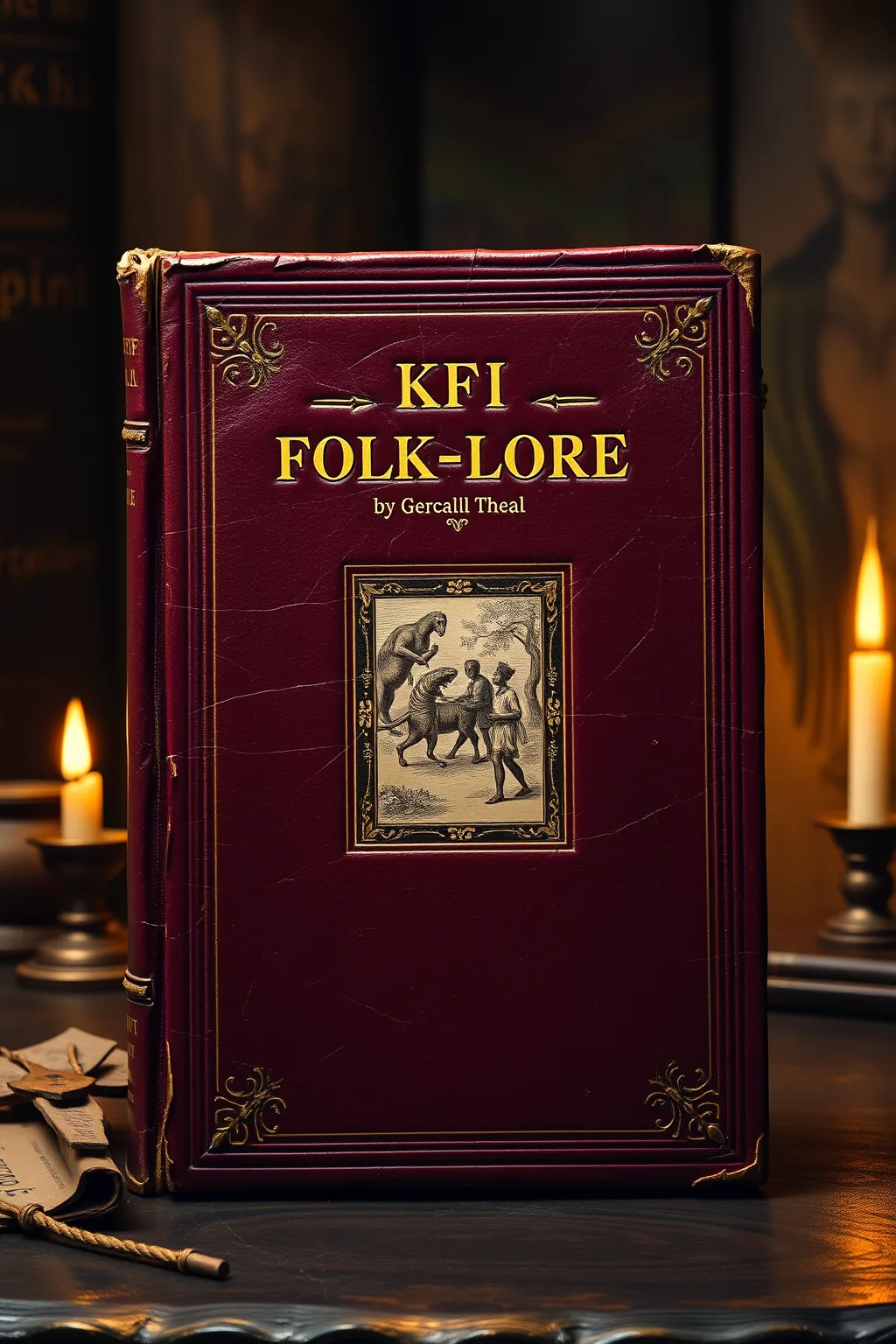
Kaffir Folk-Lore
 80
80

Kaffir Folk-Lore



George McCall Theal's "Kaffir Folk-Lore" stands as an indispensable artifact for the serious student of esoteric traditions. Beyond a simple collection of tales, this volume offers a profound glimpse into the symbolic language and spiritual framework of the Xhosa people. Theal's meticulous documentation preserves narratives that resonate with universal archetypes, revealing hidden wisdom concerning creation, the spirit world, and humanity's place within the cosmos. For practitioners of comparative mythology and those seeking to understand indigenous spiritual systems, this work is invaluable. Its strength lies in its preservation of oral tradition, providing authentic insights that might otherwise be lost to time. A foundational text for understanding the metaphysical underpinnings of African cultures.
📝 Description
80
George McCall Theal published "Kaffir Folk-Lore" in 1882, collecting Xhosa oral traditions.
First printed in 1882, George McCall Theal's "Kaffir Folk-Lore" documents the oral traditions of the Xhosa people. Theal gathered stories, myths, and beliefs, intending to preserve a record of this culture's worldview. The collection includes narratives concerning ancestral knowledge, spiritual concepts, and the cosmology of the Xhosa. It also touches on the symbolic meaning found in nature and the perceived connections between the physical and spiritual worlds.
This work provides insight into a society where myth and daily existence were closely linked. Theal's transcriptions offer a view into indigenous African spirituality. The book aims to show the philosophical ideas underlying these traditions. It is a record of communal memory and the power of the spoken word within the Xhosa culture.
This collection falls within the broader tradition of folklore studies that emerged in the late 19th century, a period interested in documenting and understanding the beliefs and narratives of non-Western cultures. It shares an interest with esoteric traditions in exploring mythic structures, cosmology, and the symbolic language of human experience, often seeking deeper meanings beyond the surface of everyday life. Theal's work, while presented as ethnographic, engages with themes of spiritual understanding and worldview that resonate with esoteric inquiries into universal archetypes and the human psyche.
✍️ Author
George Mccall Theal
Modimolle, also known as Nylstroom, is a town located near the southern edge of the Waterberg Massif in Limpopo province, South Africa. It is a medium-sized town that focuses primarily on agriculture and farming (citrus, grapes and cattle) as well as wildl…
💡 Why Read This Book?
Uncover lost mystical traditions and the profound symbolism embedded in oral narratives. 'Kaffir Folk-Lore' offers a unique window into the spiritual cosmology of the Xhosa people, providing insights into creation myths, ancestral wisdom, and the interconnectedness of the natural and spiritual worlds. Ideal for seekers of esoteric knowledge, folklorists, and scholars interested in indigenous belief systems.
⭐ Reader Reviews
Honest opinions from readers who have explored this book.
❓ Frequently Asked Questions
What is the primary focus of 'Kaffir Folk-Lore'?
The book is a compilation of traditional oral stories from the Xhosa people of Southern Africa, preserving their folklore and cultural narratives.
Who was George McCall Theal?
George McCall Theal was a prominent historian and ethnographer known for his extensive work on the history and indigenous peoples of Southern Africa.
When was 'Kaffir Folk-Lore' first published?
The book was first published in 1882, making it a significant early record of Xhosa oral traditions.
What makes this book relevant to esoteric studies?
Its relevance lies in the rich symbolism, spiritual beliefs, and cosmological insights embedded within the traditional narratives, offering a unique perspective on indigenous metaphysics.
Is this book suitable for beginners in folklore studies?
Yes, it provides an accessible yet profound introduction to the rich tapestry of African oral traditions and their underlying spiritual dimensions.
🔮 Key Themes & Symbolism
Ancestral Wisdom and Spiritual Cosmology
The collection delves deeply into the Xhosa understanding of the cosmos, exploring their creation myths, the roles of ancestral spirits, and the intricate relationship between the human and divine realms. These narratives often reveal a worldview where the veil between the material and spiritual is thin, offering insights into rituals, omens, and the guiding principles that shaped their lives. The stories serve as conduits for transmitting ancestral knowledge, ethical frameworks, and a profound sense of belonging within a divinely ordered universe. It's a wide range of beliefs that inform daily existence and provide a framework for understanding life's mysteries.
The Power of Oral Tradition and Symbolic Language
This work highlights the profound power and longevity of oral tradition as a method of knowledge preservation and transmission. The tales are imbued with potent symbolism, where animals, natural phenomena, and human actions carry deeper, often mystical meanings. Understanding this symbolic language is key to unlocking the esoteric lessons embedded within the narratives. The stories function as living texts, evolving yet retaining their core wisdom, passed down through generations by word of mouth, demonstrating the enduring strength of communal memory and the spiritual significance of storytelling in shaping identity and understanding.
Indigenous African Metaphysics and Worldview
Beyond mere entertainment, these folk-tales offer a window into the indigenous African metaphysical systems and the unique worldview of the Xhosa people. They reveal a holistic understanding of existence, where every element, from the smallest insect to the grandest mountain, possesses spiritual significance and is interconnected. The collection explores themes of balance, destiny, morality, and the cyclical nature of life, death, and rebirth. It provides invaluable insights for scholars of comparative religion and those seeking to understand alternative perspectives on reality, consciousness, and the human condition.
💬 Memorable Quotes
Direct passages from the work, attributed to the author.
“Wisdom comes from the elders.”
— Highlights the reverence for ancestral knowledge and the importance of oral tradition in passing down vital life lessons and spiritual guidance through generations.
“The moon watches over us.”
— Suggests a connection to celestial bodies and their perceived influence, indicating a belief in cosmic order and divine oversight in daily life.
“Every creature has a spirit.”
— Underscores a deeply immanent spirituality, where consciousness and life force are recognized in all beings, fostering a profound respect for the natural world.
“The story teaches the lesson.”
— Emphasizes the pedagogical power of narrative in the Xhosa culture, where moral, spiritual, and practical wisdom are effectively conveyed through engaging tales.
💡 Key Ideas
Editorial paraphrase of the work's core concepts — not direct quotes.
The world is full of spirits.
This quote expresses the animistic and spiritual nature of Xhosa belief, where the unseen realm is as real and influential as the tangible world, shaping events and human experience.
🌙 Esoteric Significance
Tradition
This collection is deeply rooted in the oral traditions and spiritual practices of the Xhosa people, offering a unique lens into indigenous African metaphysics. It can be seen as a vital contribution to the study of animism, shamanic echoes, and pre-colonial cosmologies, providing insights into how ancient societies understood the interconnectedness of all things and the presence of spiritual forces in the natural world. It offers a counterpoint to Western esoteric traditions, highlighting universal themes of creation, destiny, and the human soul.
Symbolism
The narratives are replete with detailed symbolism. Animals often represent spiritual archetypes or forces of nature; natural phenomena symbolize cosmic events or divine will; and specific actions or objects carry profound meaning related to spiritual purity, transformation, or transgression. The Xhosa worldview, as presented, suggests a symbolic language where the physical world is a reflection of spiritual realities, and understanding these symbols is key to deciphering the deeper lessons and esoteric truths contained within the folklore.
Modern Relevance
In an increasingly secularized and disconnected world, 'Kaffir Folk-Lore' offers a powerful reminder of the enduring human need for spiritual connection and a holistic understanding of existence. Its exploration of nature-based spirituality, ancestral reverence, and the wisdom of oral tradition speaks to contemporary movements seeking sustainable living, mindfulness, and a deeper connection to the Earth. The book serves as a vital resource for decolonizing knowledge and appreciating the profound philosophical contributions of non-Western cultures to global wisdom traditions.
👥 Who Should Read This Book
This invaluable compendium is essential for scholars of comparative mythology and religious studies, offering primary source material on indigenous African spiritual systems. For folklorists and anthropologists, it provides a wide range of oral tradition. Esoteric practitioners and seekers of hidden knowledge will find profound symbolic insights and alternative cosmological frameworks. Those interested in the history of Southern Africa and the preservation of cultural heritage will also find this work deeply rewarding. Beginners in folklore will appreciate its accessible narratives, while advanced researchers will value its historical depth and ethnographic significance.
📜 Historical Context
Published in 1882, "Kaffir Folk-Lore" emerges from a period of intense European colonial expansion and ethnographic interest in Africa. George McCall Theal, a prolific historian, was actively documenting the cultures and histories of Southern Africa during this era. The late 19th century saw a growing, albeit often biased, academic fascination with indigenous belief systems, often viewed through a colonial lens. Theal's work, while reflecting some of the prevailing attitudes of his time, stands out for its diligent effort to record and preserve oral traditions that might have been overlooked or dismissed. This context is crucial for understanding the book's significance as an early, albeit imperfect, bridge between Western scholarship and African indigenous knowledge.
📔 Journal Prompts
Reflect on a time you felt a strong connection to the natural world. How does this connection mirror the spiritual themes found in Xhosa folklore?
Consider a personal challenge you've faced. How might the wisdom or archetypes present in these tales offer a new perspective or guidance?
Choose one symbolic element from a story (e.g., an animal, a natural phenomenon) and explore its potential deeper meaning in your own life.
How does the concept of ancestral wisdom, as presented in these tales, contrast with or complement your own understanding of heritage and lineage?
Imagine you are a storyteller tasked with preserving your own family's history. What kind of narrative would you create, and what core values would it convey?
🗂️ Glossary
Kaffir
An archaic and now offensive term historically used by Europeans to refer to various Black African peoples in Southern Africa, particularly the Xhosa. It is used here in its historical context from the original publication.
Xhosa
A major ethnic group of Southern Africa, indigenous to the Eastern Cape of South Africa. Their rich cultural heritage and oral traditions are the subject of this book.
Folk-Lore
The traditional beliefs, customs, and stories of a community, passed through the generations by word of mouth. In this context, it refers specifically to the oral traditions of the Xhosa people.
Cosmology
The study of the origin and development of the universe. In this book, it refers to the Xhosa people's understanding and explanation of the order and nature of the universe and their place within it.
Animism
The belief that all natural objects, phenomena, and the universe itself possess an animating spirit or soul. This is a common characteristic of many indigenous spiritual systems.
This book appears in 1 collection
🔮 Readers Also Liked
Browse all →









From the “Transcendental Meditation” Collection
View all →





More Free Esoteric History & Biography Books
View all →