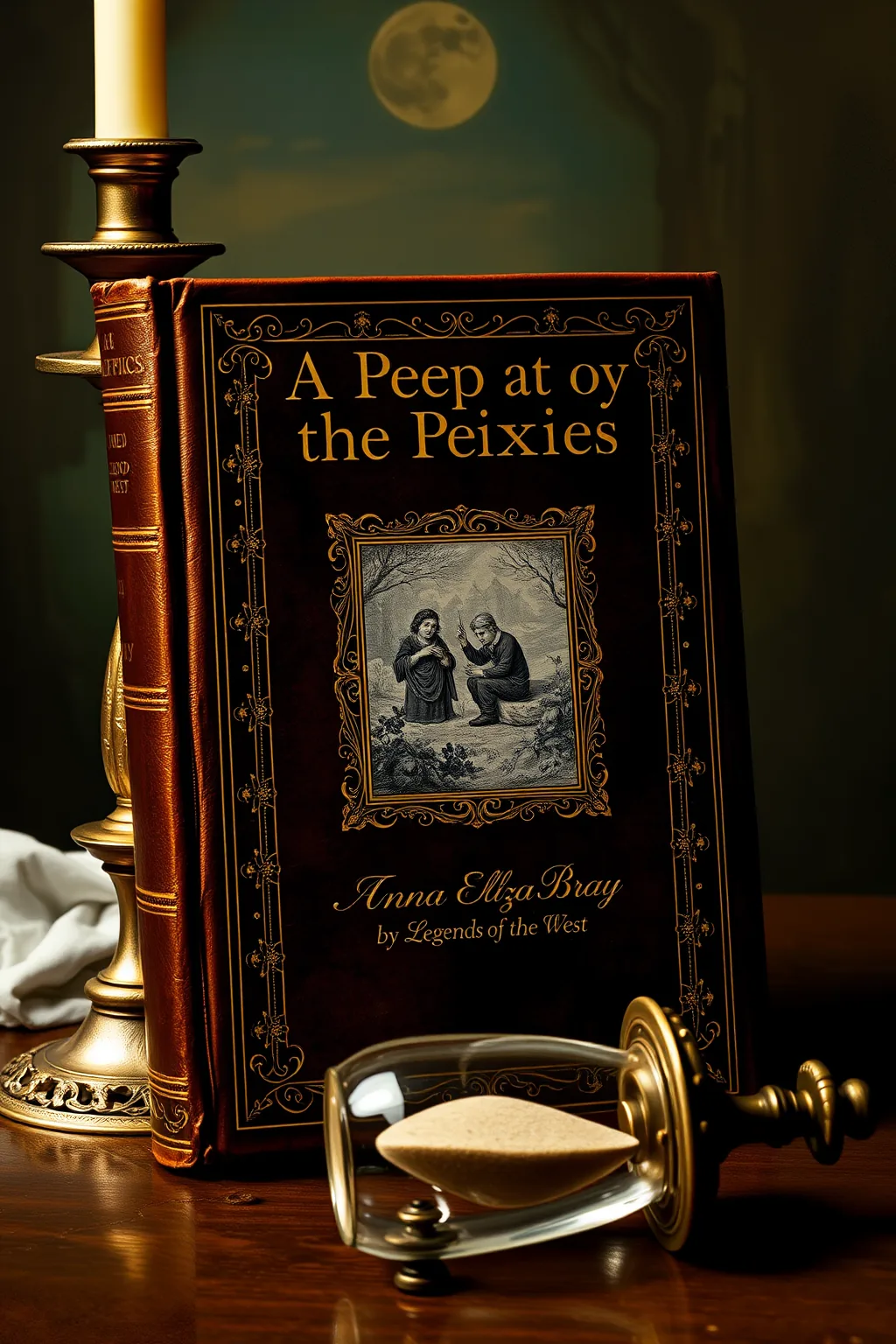
A Peep at the Pixies, or Legends of the West
 79
79

A Peep at the Pixies, or Legends of the West


Silas Hawthorne (Hermetic Studies Editor) — Anna Eliza Bray's 'A Peep at the Pixies' is a treasure trove for the discerning esoteric scholar. Published in 1854, it transcends simple storytelling, offering a profound immersion into the elemental lore of Devon and Cornwall. Bray masterfully captures the liminal space between the mundane and the magical, presenting pixies not as whimsical sprites, but as potent nature spirits whose interactions with humans carry archetypal weight. The collection's strength lies in its preservation of authentic oral traditions, hinting at a pre-Christian understanding of the land and its inhabitants. This is essential reading for those exploring animism, indigenous spiritualities, and the forgotten wisdom embedded within folk narratives.
📝 Description
79
Anna Eliza Bray published 'A Peep at the Pixies, or Legends of the West' in 1854, collecting folklore from England's West Country.
This 1854 collection by Anna Eliza Bray gathers six tales from Devon and Cornwall, focusing on local pixie lore. Bray presents these stories not as simple nursery rhymes, but as reflections of nature spirits and elemental beings. Her work details the interactions between humans and these fey creatures, touching on moral lessons and the persistence of local legends.
The book uses descriptive language to show the connection between the human and supernatural worlds. It discusses themes of consequences for actions, lost knowledge, and the lasting impact of folklore. 'A Peep at the Pixies' is aimed at readers interested in the hidden histories of Britain, offering a look into a world where the boundaries between the ordinary and the magical are permeable.
Published in the mid-19th century, Bray's work engages with a growing interest in folklore and national mythologies that characterized the Romantic and early Victorian periods. It aligns with a broader esoteric current that sought hidden knowledge in ancient traditions and rural beliefs, seeing these tales as more than simple stories but as conduits to understanding elemental forces and the human relationship with the unseen. This collection contributes to the era's fascination with the 'hidden England' and the spiritual resonance of landscape.
✍️ Author
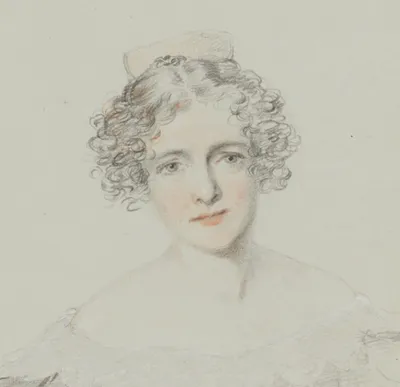
Anna Eliza Bray
Anna Eliza Bray (born Kempe, afterwards Stothard; 25 December 1790 – 21 January 1883) was an English historical novelist. She also wrote several non-fiction works. == Biography == Anna Eliza Kempe was born in the parish of Newington, Surrey on 25 December…
💡 Why Read This Book?
Uncover the ancient, often overlooked, spiritual traditions of the British Isles. 'A Peep at the Pixies' offers a rare portal into the folklore of Devon and Cornwall, revealing the profound connection between humans and nature spirits. Ideal for seekers of hidden knowledge, folklorists, and practitioners interested in elemental magic and ancestral wisdom.
⭐ Reader Reviews
Honest opinions from readers who have explored this book.
❓ Frequently Asked Questions
What are 'pixies' in the context of this book?
In 'A Peep at the Pixies,' pixies are depicted as elemental, nature-bound spirits indigenous to the West Country of England. They are portrayed as capricious beings whose interactions with humans often carry moral lessons and reveal a deeper, unseen spiritual dimension of the natural world.
What makes this book esoteric?
The book's esoteric nature lies in its exploration of folklore as a repository of ancient, often pre-Christian, spiritual beliefs. It delves into the symbolism of nature spirits, their relationship with the human psyche, and the hidden wisdom embedded within seemingly simple tales, offering insights into animistic worldviews.
Who was Anna Eliza Bray?
Anna Eliza Bray (1790-1883) was an English novelist and collector of folklore. She was deeply interested in the traditions and legends of her native Devon and Cornwall, and her writings aimed to preserve and share these rich cultural narratives, often imbuing them with moral and spiritual undertones.
What is the historical significance of this collection?
Published in 1854, 'A Peep at the Pixies' is significant for its early engagement with the systematic collection and literary presentation of regional folklore. It reflects a Victorian fascination with the past and a growing academic interest in mythology and oral traditions, helping to shape the field of folkloristics.
Can this book be used for modern magical practice?
While not a grimoire, the book's detailed descriptions of pixie lore, their purported abilities, and their connection to specific landscapes can offer inspiration for practitioners of nature magic, animism, and folkloric witchcraft. It provides a cultural and symbolic foundation for engaging with local land spirits.
🔮 Key Themes & Symbolism
The Elemental Dance of the Fey
This collection studies the profound relationship between humanity and the elemental spirits of the land, specifically the pixies of Devon and Cornwall. Bray portrays these beings not as mere figments of imagination, but as potent forces of nature, intrinsically linked to the earth, water, and air. Their interactions with mortals serve as allegorical explorations of balance, reciprocity, and the consequences of disrupting the natural order. The narratives subtly suggest a world where the veil between the mundane and the magical is thin, inviting readers to perceive the inherent sentience and spiritual currents flowing through the landscape.
Traces of Ancestral Wisdom
Bray's work serves as a vital repository of ancestral wisdom, preserving oral traditions that predate much of recorded history. The tales within 'A Peep at the Pixies' are imbued with moral lessons and observations about human nature, filtered through the lens of ancient beliefs. They reveal a worldview where nature spirits play a significant role in shaping human destiny and where respect for the unseen is paramount. For the esoteric reader, these stories offer a glimpse into a time when the spiritual and material realms were more intimately connected, providing insights into indigenous cosmologies and the enduring power of myth.
Symbolism of the West Country Landscape
The rugged and mystical landscapes of Devon and Cornwall are not mere backdrops in Bray's collection; they are active participants in the unfolding narratives. The ancient tors, hidden valleys, and winding rivers become imbued with the presence of the fey, reflecting their ethereal nature. Each geographical feature can be interpreted as a symbol—a place of power, a threshold between worlds, or a dwelling for elemental beings. The book encourages readers to see the land itself as a sacred text, alive with meaning and spiritual resonance, urging a deeper, more reverent connection to the earth.
💬 Memorable Quotes
Direct passages from the work, attributed to the author.
“Pixies tread where mortals seldom dare to wander.”
— This highlights the liminal nature of the fey, existing in wild, untamed places beyond human dominion, and hints at their connection to the mysterious and unknown.
“A mischievous gleam in their eyes, a whisper on the wind.”
— This evocative description captures the capricious and elusive nature of pixies, emphasizing their subtle influence and the difficulty of truly understanding their intentions.
“The land remembers what the people forget.”
— This profound statement suggests that the earth itself holds ancient knowledge and memories, which can be accessed through connection with nature and its spirits, even as human consciousness drifts away.
“Their magic is woven from moonlight and moss.”
— This poetic imagery links pixie magic directly to the natural world, suggesting its organic, primal, and deeply rooted essence, drawing power from the very fabric of the earth.
💡 Key Ideas
Editorial paraphrase of the work's core concepts — not direct quotes.
The old tales still linger in the hollows of the hills.
This quote speaks to the enduring power of folklore and oral tradition, suggesting that ancient stories and beliefs remain alive and accessible, hidden within the natural landscape.
🌙 Esoteric Significance
Tradition
This collection is deeply rooted in the animistic and nature-based spiritual traditions of the British Isles, predating many formalized esoteric systems. It reflects an indigenous European worldview where spirits inhabit natural phenomena and the land itself possesses consciousness. The tales offer insights into folk magic, elemental worship, and the ancient understanding of the reciprocal relationship between humanity and the non-human world, aligning with practices found in druidic revivals and modern witchcraft that honor local land spirits.
Symbolism
The pixies themselves are potent symbols of the wild, untamed forces of nature and the subconscious mind. Their capricious nature represents the unpredictable elements of life and the hidden potentials within the human psyche. Landscapes like ancient woods, tors, and moonlit moors serve as symbolic thresholds, representing the boundaries between the material and spiritual realms. The objects mentioned, such as silver bells or tailor's needles, often carry symbolic weight, representing purity, craftsmanship, or the mundane world's interaction with the ethereal.
Modern Relevance
In an age increasingly disconnected from the natural world, 'A Peep at the Pixies' offers a vital reminder of our intrinsic connection to the earth and its unseen inhabitants. Its exploration of elemental spirits speaks to contemporary interests in animism, ecological spirituality, and the re-enchantment of the world. For practitioners, the book provides rich symbolic language and narratives that can inform ritual work, meditation, and the cultivation of a deeper, more respectful relationship with the land and its subtle energies.
👥 Who Should Read This Book
This captivating collection is a must-read for several distinct groups. **Beginners** to esoteric studies will find an accessible entry point into the world of folklore and nature spirits, presented through engaging narratives. **Scholars of folklore and mythology** will appreciate its value as an authentic 19th-century collection of regional legends, offering primary source material. **Spiritual seekers** drawn to animism, Celtic traditions, or earth-based spirituality will discover clear insights into the interconnectedness of all things. **Practitioners of modern witchcraft and paganism**, particularly those interested in elemental magic or local land spirits, will find rich inspiration and symbolic depth within these ancient tales.
📜 Historical Context
Published in 1854, 'A Peep at the Pixies' emerged during the Victorian era, a period marked by a dual fascination with progress and a romanticized yearning for the past. This was a time when industrialization was rapidly transforming the landscape and social structures, leading many to seek solace and meaning in folklore, ancient traditions, and the perceived purity of rural life. Authors like Anna Eliza Bray contributed to a burgeoning field of folklore collection and literary adaptation, driven by a desire to preserve vanishing oral traditions and explore the perceived spiritual depth of pre-modern societies. This era saw a surge in interest in mythology, comparative religion, and the psychology of belief, making Bray's work a valuable artifact of both literary history and the esoteric currents of the 19th century.
📔 Journal Prompts
Reflect on a time you felt a strong connection to nature. What 'spirit' or energy did you perceive?
How does the concept of 'mischievous' spirits challenge or align with your understanding of spiritual forces?
Imagine you encounter a pixie. What offerings or gestures of respect would you make?
Consider the moral lessons embedded in the tales. How do they apply to your own life or modern society?
What symbolic meaning does a specific landscape in your region hold for you?
🗂️ Glossary
Fey
A collective term for supernatural beings or spirits, often associated with nature, magic, and a realm separate from the human world. In this context, it specifically refers to the pixies of West Country folklore.
Tors
Prominent rocky outcrops or hills found in the granite landscapes of Devon and Cornwall. These ancient geological formations are often imbued with folklore and considered places of spiritual significance.
Liminal
Relating to a transitional or initial stage of a process, or occupying a position at, or on both sides of, a boundary or threshold. In this context, it describes spaces or beings that exist between the mundane and the magical realms.
Animism
The belief that objects, places, and creatures all possess a distinct spiritual essence. It is a worldview that sees the natural world as alive and imbued with consciousness and agency.
Capricious
Given to sudden and unaccountable changes of mood or behavior. Used here to describe the unpredictable and often whimsical nature of the pixies.
This book appears in 2 collections
🔮 Readers Also Liked
Browse all →









From the “Transcendental Meditation” Collection
View all →






More Free Esoteric History & Biography Books
View all →